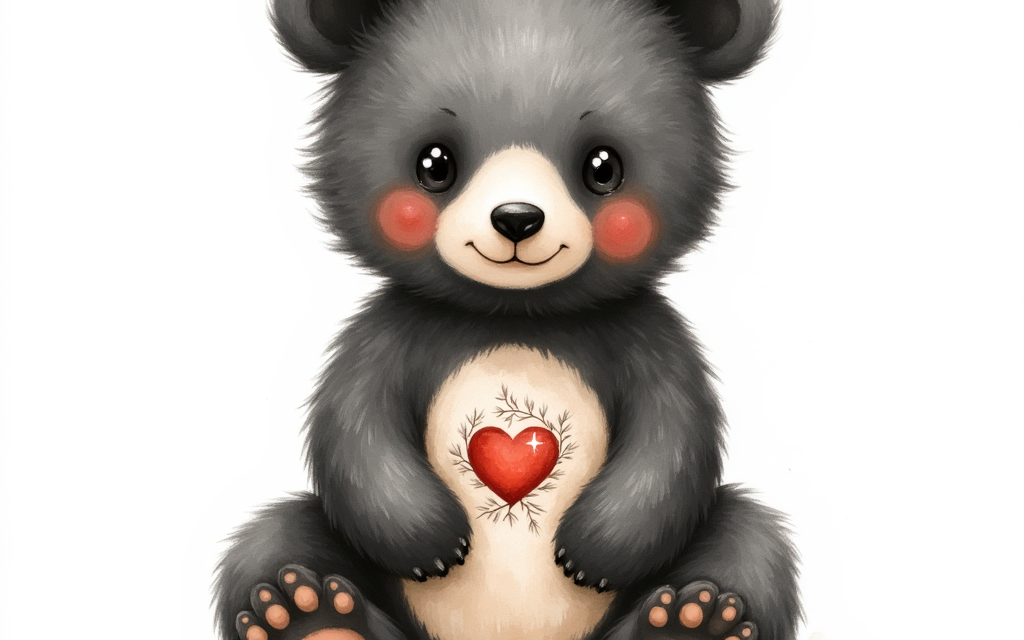
The Power of Balance: Redefining Modern Graphics with Folk Traditions
In the fast-paced world of digital marketing and graphic design, finding a visual style that commands attention without overwhelming the viewer is a constant challenge. Enter the world of traditional motifs. Specifically, the resurgence of symmetrical folk art birds and woodland animals has taken the design world by storm. From boutique wine labels to indie video game interfaces, this ancient design ethos is proving to be the ultimate antidote to sterile, over-engineered digital graphics.
Symmetry offers a visual shortcut to elegance. When an illustration of a woodland creature is perfectly mirrored, it creates an immediate focal point that anchors an entire layout. If you are looking to upgrade your digital asset library with these balanced, high-converting design elements, you can check out the Discover New Arrivals over at our digital shopfront to see what’s fresh. Let’s look at how this unique design structure can revolutionise your creative workflow.
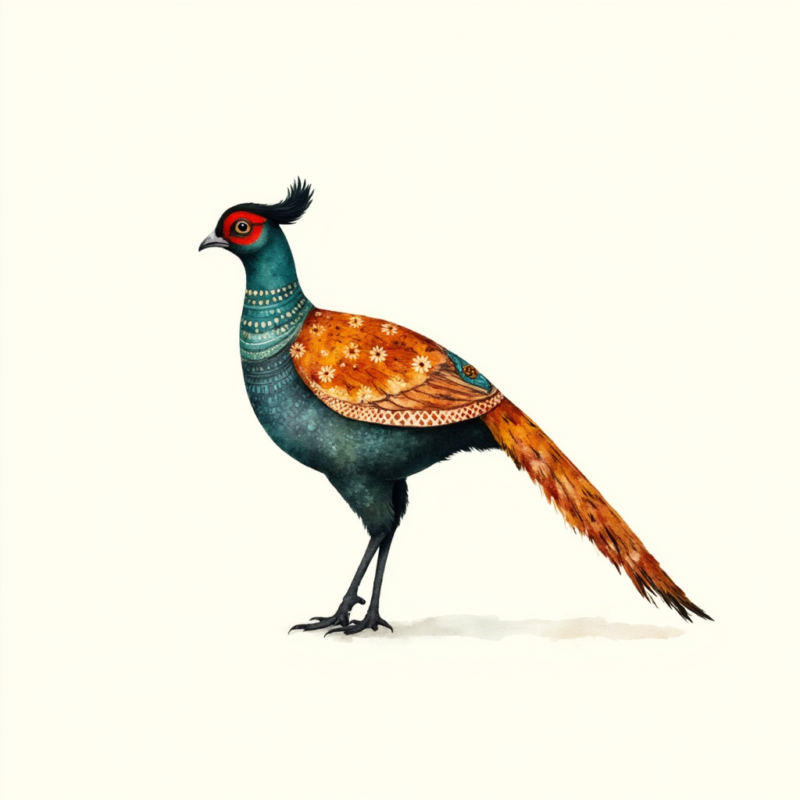
+-------------------------------------------------------------+
|                     DESIGN SYMMETRY MATRIX                  |
+------------------------------+------------------------------+
|       LEFT SIDE (MIRROR)     |      RIGHT SIDE (MIRROR)     |
|  - Folk Art Bird Motif       |  - Folk Art Bird Motif       |
|  - Geometric Floral Wing     |  - Geometric Floral Wing     |
|  - Balanced Decorative Tail  |  - Balanced Decorative Tail  |
+------------------------------+------------------------------+
|               CENTRAL AXIS: Focus & Typography              |
+-------------------------------------------------------------+
Deconstructing the Folk Art Aesthetic: Anatomy of a Design
To fully leverage these graphics, it helps to understand what makes them tick. Traditional folk art isn’t just about drawing an animal; it’s about storytelling through geometric constraints. Here are the core components you’ll find in high-quality symmetrical forest illustrations:
-
The Central Axis: Everything radiates from or balances against a strict centre line. This creates a powerful sense of stability.
-
Internal Ornamentation: The bodies of the stags, foxes, and birds aren’t solid blocks of colour. Instead, they are packed with intricate internal details—daisies, stars, ferns, and rhythmic dot work.
-
Flanked Flora: Animals are almost always accompanied by perfectly mirrored botanical elements, such as winding vines, acorns, or stylised mushrooms, which frame the central creature.
-
A Grounded Palette: Traditional folk styles lean heavily on earth tones mixed with jewel tones—think rich rust orange, deep mustard, soft sage green, and midnight black.
By understanding these mechanics, you can better integrate these graphics into broader design compositions without breaking the illusion of handmade harmony.
Step-by-Step: Building a Pattern Using Mirrored Elements
Creating a professional surface pattern or branding layout using standalone clipart elements is easier than you think. Follow this simple guide to build a stunning, cohesive layout:
Step 1: Establish Your Focal Point
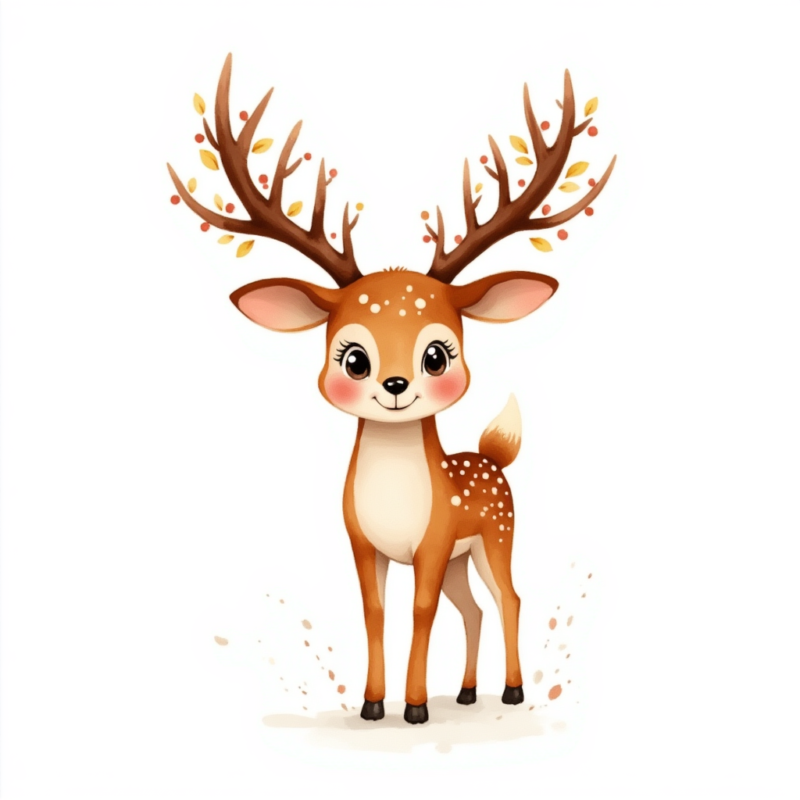
Choose a dominant animal graphic from your collection—such as a large, intricate, symmetrical owl or deer head. Place this dead centre on your canvas. This will act as the anchor for the rest of your design.
Step 2: Layer the Framing Elements
Flank your central character with smaller, mirrored elements like complementary birds or upward-curving floral branches. Ensure the spacing on the left matches the spacing on the right exactly to preserve that iconic folk art balance.
Step 3: Integrate Your Typography
If you are designing a label, poster, or logo, place your text directly above or below the central animal along the vertical axis. Use a font that reflects the era—a clean woodblock serif or a hand-lettered sans-serif works beautifully here.
Step 4: Fine-Tune the Color Hierarchy
Make sure your primary animal has the highest contrast against your background. Use the smaller decorative items to introduce accent colours that tie the whole project together.
To track down the exact graphic elements needed to practise this technique, you can find Related Products on our site to gather your raw materials.
Case Studies: Real-World Applications of Symmetrical Folk Art
Where exactly do we see symmetrical folk art birds and woodland animals shining out in the wild? Let’s take a look at a few industries that are utilising this look to drive massive engagement and sales:
The Artisanal Coffee Roaster: A specialty coffee brand rebranded its single-origin bags using a symmetrical folk art bear surrounded by coffee cherries. The result? A 35% increase in shelf pickup rates, as customers were drawn to the storybook, premium feel of the packaging.
The Independent Book Publisher: A publisher utilized a mirrored illustration of folk art birds for a classic fiction reissue series. The striking symmetry made the book covers look like high-end collector’s items, driving online pre-orders through the roof.
The Sustainable Apparel Line: A children’s clothing brand used repeating patterns of folk art foxes and hedgehogs for their winter collection. The nostalgic, wholesome look resonated deeply with parents looking for alternatives to loud, cartoonish fast-fashion graphics.
Key Technical Considerations for Digital Artists
When working with pre-made folk art clipart packs, keeping a few technical parameters in mind ensures your final product looks polished, professional, and ready for high-resolution output:
| Technical Aspect | Optimal Setting / Practice | Why it Matters |
| Resolution | 300 DPI (Dots Per Inch) | Ensures your prints look razor-sharp without blurriness. |
| Color Mode | CMYK for Print / RGB for Digital | Prevents unexpected colour shifting when moving from screen to paper. |
| Layer Masking | Use non-destructive vector masks | Allows you to trim or alter elements without losing the original file data. |
| File Type | Transparent PNG or Vector EPS | Gives you total freedom to place graphics over textured or coloured backgrounds. |
If you are looking for an all-in-one resource to upgrade your digital toolbox with files that meet these rigid professional standards, be sure to visit Our Store to check out our latest curated assets.
Creative Project Ideas to Spark Your Imagination
Stuck in a creative rut? Try one of these quick weekend projects to get your artistic juices flowing using mirrored woodland graphics:
-
Custom Bookmarks: Print out vertical strips featuring a stack of symmetrical folk art elements. Add a tassel at the top for a beautiful, inexpensive gift for the bookworms in your life.
-
Digital Desktop Wallpapers: Create a dark, moody minimalist background featuring a single golden-hued symmetrical folk art stag in the centre. It keeps your desktop looking clean, organised, and inspiring.
-
Stickers and Decals: Print individual woodland creatures on vinyl sticker paper. These look incredible when applied to laptops, water bottles, or travel journals.
Conclusion: The Lasting Impact of Symmetry
Trends in graphic design come and go at lightning speed, but human psychology remains unchanged. We will always be drawn to balance, order, and the natural world. Incorporating symmetrical folk art birds and woodland animals into your commercial or personal projects isn’t just about following a stylistic movement; it’s about utilising a time-tested visual language that instantly communicates value, beauty, and emotional depth.
Ready to transform your creative output? Skip the hours of tedious drawing and jump straight into the fun part of designing. Head over to our premium Technology Marketplace today to unlock an incredible library of high-quality, professional clipart packs built to take your work to the next level.