Have you ever watched a child sit down with a brand-new colouring book, full of excitement, only to put the crayons down in frustration just ten minutes later?
It happens more often than you might think. Many colouring books on the market today are packed with intricate, highly detailed patterns. While these might be great for older teens or adults seeking a complex challenge, they can be incredibly overwhelming for younger children. When the lines are too thin and the spaces are too small, coloring ceases to be a relaxing activity and becomes a frustrating test of fine motor skills that a child might not have fully developed yet.
That is exactly why cute and easy colouring books for kids have taken the parenting and educational worlds by storm. By stripping away the clutter and focusing on bold outlines and simple, charming subjects—like the ultra-popular Japanese kawaii style—we unlock a world of developmental benefits and pure, unadulterated joy for our little ones.
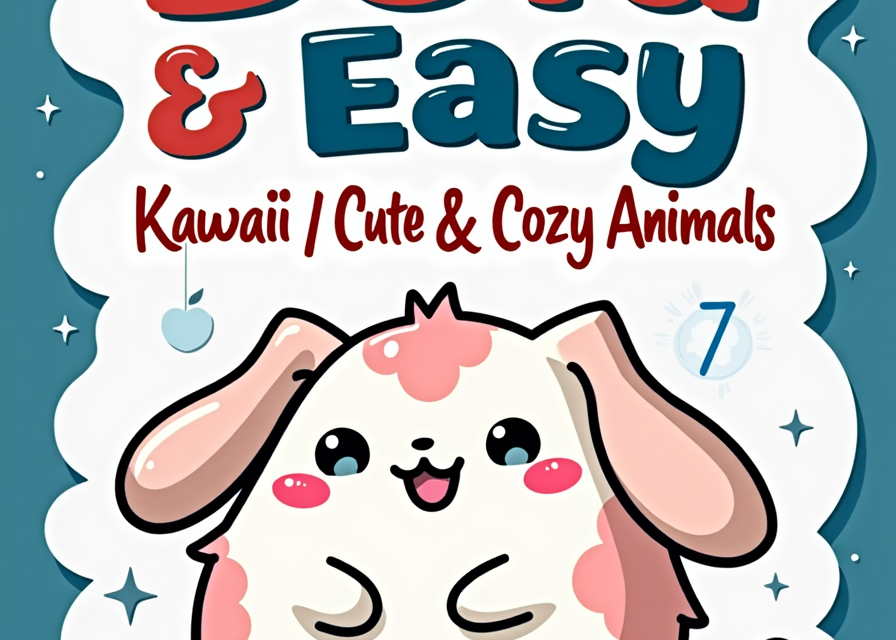
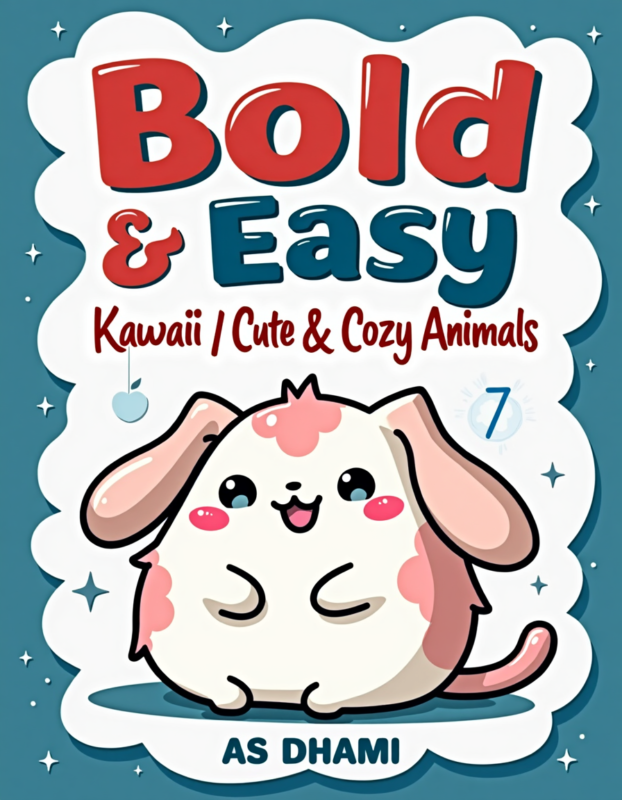
Today, we’re celebrating the release of Bold & Easy Kawaii / Cute & Cosy Animals (Part 7) by diving deep into why this specific style of colouring is so incredibly beneficial for your child’s growth, happiness, and cognitive development.
What is “Kawaii” and Why Do Kids Love It?
If you aren’t familiar with the term, kawaii is the Japanese concept of cuteness. Think of characters with oversized heads, large innocent eyes, rounded bodies, and simple, happy facial expressions. Think of classic icons like Hello Kitty or modern favourites like Pusheen and Squishmallows.
There is an actual science behind why human beings—and children in particular—are drawn to this aesthetic. Known as the “baby schema” (Kindchenschema), evolutionary psychology shows that features like large eyes, round faces, and soft contours trigger innate nurturing instincts and feelings of safety, warmth, and happiness.
When children look at a kawaii animal, their brains instantly register it as friendly and approachable. This immediate emotional connection makes them excited to engage with the book. They aren’t just filling shapes with color; they are interacting with a new, cute little friend.
The Structural Benefits of “Bold & Easy” Designs
The “Bold & Easy” philosophy isn’t just a design choice; it is a developmental tool disguised as fun. Let’s break down exactly how these thick lines and open spaces help young artists thrive.
1. Building Early Confidence
When a toddler or preschooler tries to colour a tiny, complex geometric pattern, they inevitably colour outside the lines. While there is absolutely nothing wrong with messy creativity, children often feel a sense of pride when they manage to guide their crayon exactly where they want it to go. Extra-thick outlines act as a physical and visual safety net. They give the child a wider margin of error, resulting in a finished product they feel proud to show off on the refrigerator.
2. Enhancing Fine Motor Skills and Grip strength
Holding a crayon, pencil, or marker requires a complex coordination of tiny muscles in the hand, wrist, and fingers. Colouring in large, open spaces allows children to practise different types of strokes—from broad, sweeping motions to smaller, more controlled movements near the edges. Over time, this strengthens their pencil grip, preparing them for writing when they enter preschool and kindergarten.
3. Preventing Cognitive Overload
We live in a highly stimulating world. Children are constantly bombarded with bright lights, fast-moving screens, and loud noises. A coloring book with hundreds of tiny details on a single page can cause visual fatigue. Simple, cosy animal designs provide a clean focal point. A child can look at a single, happy bear eating a pancake and instantly understand the story of the page, allowing their mind to rest and focus.
Real-World Use Cases: When to Reach for Kawaii Animals Part 6
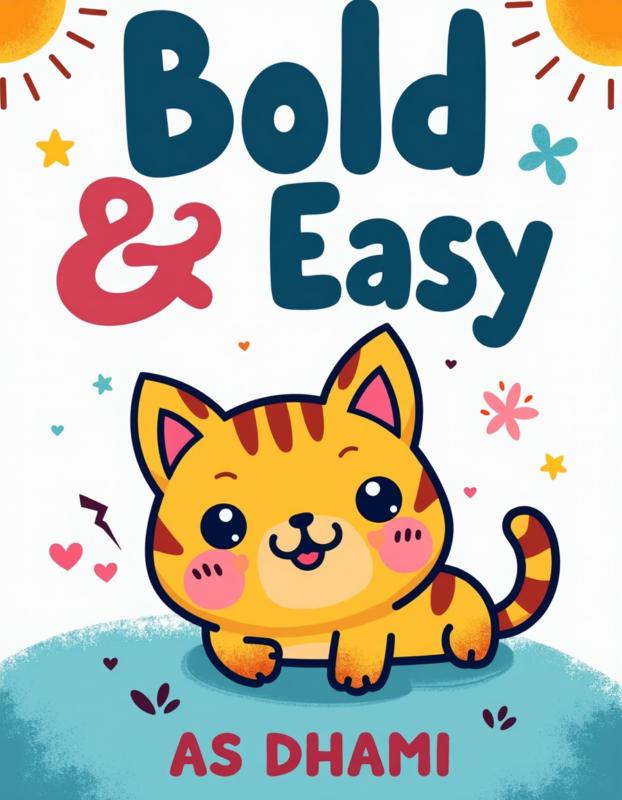
A high-quality, simple colouring book is one of the most versatile tools a parent can have in their arsenal. Here are a few perfect scenarios where Cute & Cosy Animals (Part 6) can save the day:
-
The Post-School Wind-Down: After a long day of structured learning or daycare social interaction, kids are often emotionally exhausted. Sitting down with a comforting, low-stakes colouring book provides a gentle transition from a busy day to a relaxed evening.
-
Screen-Free Restaurant Entertainment: Instead of handing over a smartphone while waiting for dinner to arrive, slip this book and a small pouch of crayons into your bag. Because the designs are simple, kids can easily talk to you while colouring, keeping family dinnertime interactive.
-
Calming Rainy Day Activities: When bad weather keeps everyone trapped indoors, energy levels can spike. A cosy colouring session alongside a warm cup of cocoa creates a peaceful, memory-making rainy day ritual.
-
Travel Companion: Long car rides or aeroplane trips can make kids restless. The bold, easy format means that even if the vehicle bumps or shakes a little, the child can still enjoy colouring without getting frustrated by ruined details.
Practical Tips for the Best Coloring Experience
To make the most out of your child’s creative journey, here are a few practical tips to set up the ultimate, stress-free colouring station:
Choose the Right Coloring Tools
Not all coloring tools are created equal for little hands. For toddlers and preschoolers, look for triangular crayons or chunky markers. The triangular shape prevents the utensils from rolling off the table (saving you from bending down a hundred times) and naturally guides their fingers into the correct tripod grip.
Set the Mood
Create a “cosy zone”. Clear off a table or set up a comfortable spot on the rug with a supportive pillow. Turn off the television and put on some soft, instrumental background music. By treating colouring time as a special, peaceful ritual, your child will naturally mirror that calm energy.
Sit and Color Together
Colouring isn’t just an independent activity; it’s a wonderful bonding tool. Grab a page for yourself (adults love bold and easy colouring, too—it’s incredibly meditative!) and sit alongside your child. You don’t need to instruct them; just chat about their day, talk about the animals on the page, and enjoy the shared quiet space.
Frequently Asked Questions (FAQs)
Q: For what age group is this book best suited?
A: Bold & Easy Kawaii / Cute & Cosy Animals (Part 6) is ideally designed for children aged 2 to 8. However, older children, individuals with special sensory or motor needs, and even adults who enjoy stress-free, mindful colouring love this format!
Q: Can my child use markers, or will they bleed through the paper?
A: Our books feature high-quality paper with single-sided printing. This means your child can use markers, gel pens, or even light watercolours without ruining a design on the back. We do always recommend placing a blank sheet of scrap paper behind the active page if your little artist likes to press down heavily with juicy markers!
Q: How does coloring benefit a child’s emotional well-being?
A: Colouring acts as a form of mindfulness. It requires repetitive, rhythmic motions that can lower heart rates and ground a child’s emotions. It’s an excellent, healthy outlet for processing anxiety, frustration, or overstimulation.
Why “Part 6” is the Best One Yet
If you have followed our journey through the Bold & Easy series, you already know how much love goes into every single character. In Part 6, we’ve taken feedback from thousands of parents and educators to make the designs even more charming and accessible.
This edition focuses heavily on the theme of “cosy”. You’ll find adorable little hamsters tucked into teacups, sleepy red pandas napping on clouds, and baby sea otters holding hands. Each page is a warm hug in paper form, designed to make your child smile before they even touch a crayon to the page.
Conclusion: Investment in Creative Joy
In a digital age where childhood is increasingly fast-paced, returning to the simple joys of a physical book is an act of love. Providing your child with cute and easy coloring books for kids like Bold & Easy Kawaii Animals (Part 6) gives them more than just a pastime—it gives them confidence, physical coordination, and a safe, comforting space to express themselves.
So, clear off the kitchen table, grab a fresh pack of crayons, and get ready to explore a delightfully cosy world of adorable animal friends together. Your child’s next artistic breakthrough is just a bold line away!