
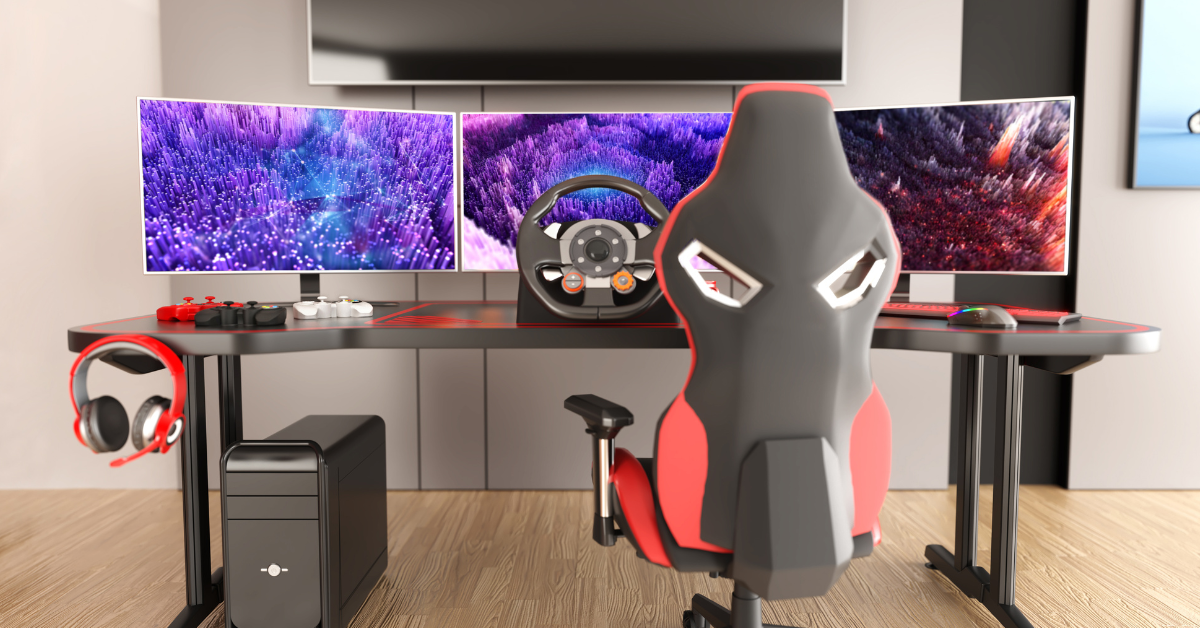
Introduction to AI Ergonomic Chairs
As more people spend extended hours seated at desks, the importance of ergonomic chairs has become increasingly recognized. Ergonomic chairs are designed to support the natural curvature of the spine, helping to alleviate discomfort and promote better posture. The benefit of using an ergonomic chair extends beyond mere comfort, as it can significantly impact spinal health and overall well-being. Proper lumbar support and adjustability are essential features of these chairs, catering to individual body types and preferences. With advancements in technology, this concept has evolved further through the introduction of AI-powered ergonomic chairs.
Artificial Intelligence (AI) in ergonomic chairs introduces a groundbreaking approach to personalized seating. These innovative chairs utilize an array of sensors to assess the user’s posture and spinal shape, enabling them to automatically adjust to provide optimal support, comfort, and alignment. By continuously monitoring the user’s posture, AI ergonomic chairs can help prevent the development of musculoskeletal issues associated with prolonged sitting, such as back pain or strain. This real-time adaptability ensures that every user experiences tailored support throughout their time in the chair.
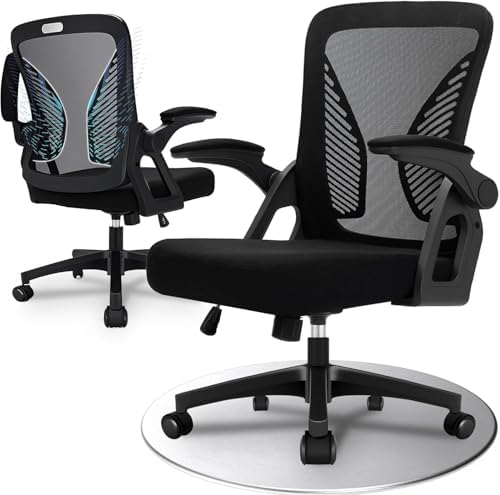
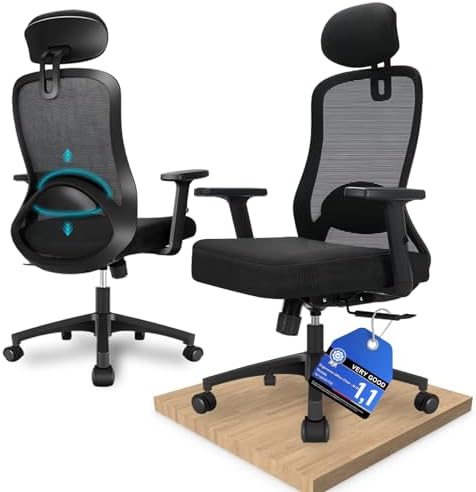


The integration of AI technology not only enhances physical comfort but also contributes to increased productivity. A well-supported spine facilitates better focus and reduces fatigue, allowing individuals to remain engaged in their tasks for longer periods. Furthermore, AI ergonomic chairs often come equipped with features that encourage users to take regular breaks and shift positions, promoting healthy movement and preventing stiffness. Overall, the evolution of ergonomic chairs into AI-driven solutions represents a significant stride towards optimizing comfort and well-being for office workers and remote employees alike.
The Technology Behind AI Ergonomic Chairs
AI ergonomic chairs represent a significant advancement in seating technology, employing sophisticated sensors and algorithms to enhance comfort and support for users. Central to these chairs is a network of sensors that are strategically placed to gather data related to the user’s posture and spinal alignment. These sensors work by detecting various parameters such as the angle of the spine, degree of slouching, and distribution of weight across the seat and backrest.
Once the sensors capture this data, AI algorithms come into play. These algorithms analyze the information to determine the optimal adjustments needed to maintain a healthy and supportive posture. By continuously monitoring the user’s position in real-time, the chair is capable of making micro-adjustments to adapt to changes in posture throughout the day. This dynamic responsiveness is what sets AI ergonomic chairs apart from traditional ergonomic designs that often require manual adjustments.
The development of this technology has been influenced by research in biomechanics and human physiology, yielding insights that inform the design of the sensors and the programming of the AI algorithms. Over time, these innovations have led to ergonomic chairs that not only reduce discomfort but also promote overall well-being by alleviating pressure on the spine and encouraging better posture. Furthermore, advancements in machine learning have enabled these systems to learn from user behavior, adapting their responses to better suit individual preferences over time.
As AI ergonomic chairs continue to evolve, they represent a convergence of health, comfort, and cutting-edge technology, providing users with customized support that responds and adapts to their unique spinal shapes. This transformative approach not only enhances the user experience but also highlights the potential of technology to improve workplace ergonomics significantly.
Benefits of Using AI Ergonomic Chairs
AI ergonomic chairs are designed with the modern workplace in mind, offering several key benefits that enhance the overall sitting experience. One of the primary advantages is improved posture. These innovative chairs feature advanced sensors that adapt to the user’s spinal shape, encouraging a natural seating position. By promoting proper alignment of the spine, AI ergonomic chairs can help reduce the risk of developing musculoskeletal disorders that are often linked to prolonged periods of incorrect posture.
Reduced back pain is another significant benefit associated with AI ergonomic chairs. As these chairs customize themselves to fit each individual, they alleviate pressure points that can lead to discomfort and pain. The result is a more comfortable seating experience, which is especially vital for individuals who spend long hours sitting at their desks. Many users have reported notable decreases in back pain after incorporating AI ergonomic chairs into their work environments.
Furthermore, enhanced comfort during extended sitting is a crucial aspect of AI ergonomic chairs. The smart technology enables users to adjust the chair’s settings effortlessly, catering to their unique preferences. Features such as lumbar support, adjustable armrests, and cushioned seating contribute to a relaxing atmosphere that fosters concentration and efficiency.
Finally, the overall contribution of AI ergonomic chairs to workplace productivity cannot be overstated. By ensuring comfort and reducing discomfort or pain, employees are less likely to experience fatigue and distractions. Consequently, organizations that invest in these chairs may witness an increase in employee performance and satisfaction, ultimately benefiting their bottom line. In essence, the integration of AI ergonomic chairs within the workplace not only supports individual health and well-being but also drives collective productivity and success.
Top 5 AI Ergonomic Chairs on the Market
Investing in an AI ergonomic chair is a proactive step towards better posture and overall comfort while working. Here are five of the top AI ergonomic chairs available today, each boasting unique features that cater to different user needs.
1. Autonomous ErgoChair Pro
This chair features advanced AI sensors that adapt to your spine’s natural curvature. The adjustable lumbar support and customizable seating positions make it ideal for long hours of work. Priced at approximately $499, it is designed with breathable fabric that adds to comfort while promoting airflow.
2. Steelcase Leap
The Steelcase Leap chair integrates AI technology that learns from your movements and automatically adjusts in real time. This chair is notable for its patented LiveBack technology, which mimics the natural shape of your spine. Priced a bit higher at around $1,000, users can enjoy its minimalist design and durability, suitable for various office settings.
3. Secretlab TITAN Evo
Best known for gaming, the Secretlab TITAN Evo also serves as an ergonomic chair for office use. Its AI adjustment feature analyzes your posture and allows for quick modifications. Starting at $399, it comes with high-density foam and a cold-cured foam mix, ensuring comfort during extended usage.
4. Herman Miller Cosm
This chair stands out with its weight-activated adjustment feature that automatically adapts to the user’s body. With a contemporary look and priced at around $1,000, the Cosm chair offers both aesthetics and functionality, appealing to modern office environments.
5. branch Ergonomic Chair
An affordable yet efficient option, the Branch Ergonomic Chair features AI technology that adjusts seat height, depth, and back recline based on user preference. Priced around $279, it’s a perfect entry-level chair for those embracing ergonomic seating without significant investment.
These AI ergonomic chairs not only support healthy posture but also enhance productivity by adapting to the user’s needs, making all-day seating more comfortable and effective.
How to Choose the Right AI Ergonomic Chair for You
Choosing the right AI ergonomic chair involves careful consideration of several factors that directly affect your comfort and health. First and foremost, understanding your body type is essential. Ergonomic chairs are designed to accommodate diverse body shapes and sizes. When selecting a chair, consider its adjustability features, such as seat height, depth, and lumbar support, which can help ensure a proper fit tailored to your unique physique.
Your seating habits also play a crucial role in the decision-making process. If you spend long hours seated, a chair with comprehensive lumbar support and adjustable armrests might be beneficial. Conversely, if your work requires frequent transitions between sitting and standing, seeking an AI ergonomic chair that seamlessly adapts to both postures can greatly enhance your productivity and comfort levels. Look for models with sensors that can adjust according to your movements, providing real-time feedback on your posture and encouraging healthier sitting habits.
Additionally, your workplace environment should not be overlooked when selecting an ergonomic chair. Assess the layout and design of your workspace, considering factors such as desk height and proximity to other equipment. Some AI ergonomic chairs are designed to complement modern office setups, incorporating features such as breathable materials and swivel bases for increased mobility. Ensuring that your chair fits well within your workspace will not only optimize comfort but also enhance your overall efficiency.
By carefully evaluating your body type, seating habits, and workplace environment, you can make a well-informed choice when selecting an AI ergonomic chair. Ultimately, the right chair will promote better posture, reduce strain, and allow you to work more comfortably and effectively throughout your day.
User Experiences: What People Are Saying
The emergence of AI ergonomic chairs has generated considerable enthusiasm among users. Many individuals who have integrated these innovative seating solutions into their daily routines report significant improvements in comfort and productivity. For instance, one user shared, “Since I started using my AI ergonomic chair, my back pain has reduced dramatically. The chair adjusts itself to my spine shape perfectly, providing support where I need it most. It feels like the chair was custom-made for me.” Such testimonials highlight the personalized support that these chairs offer, making them invaluable for individuals who spend long hours seated.
Others have commented on the seamless integration of technology into their workspace. A frequent comment from users is, “I love how the chair monitors my posture. It reminds me to adjust my sitting position and encourages me to take breaks when necessary. This has not only improved my physical comfort but also boosted my productivity throughout the day.” The intelligent sensors in these ergonomic chairs play a pivotal role in fostering a proactive approach to sitting, which many users find beneficial.
Furthermore, feedback from remote workers is particularly telling. One respondent noted, “Working from home can often lead to poor posture without the regular reminders from colleagues. However, my AI ergonomic chair’s smart features ensure that I stay aware of my posture throughout the day. I feel less fatigued at the end of my workday compared to my old chair.” Such experiences signal a growing trend towards ergonomic solutions that adapt to the user’s needs, underscoring the potential of AI-assisted designs to reshape how we think about office furniture.
Comparing AI Ergonomic Chairs with Traditional Ergonomic Chairs
In recent years, the emergence of AI ergonomic chairs has transformed workplace comfort, providing significant progress in user support through technology. In contrast to traditional ergonomic chairs, which primarily rely on manual adjustments made by the user, AI ergonomic chairs utilize integrated sensors to automatically adjust to an individual’s unique spinal shape and posture. This level of adaptability enhances the effectiveness of chair usage, ensuring optimal lumbar support throughout various activities.
One of the most noticeable differences between AI ergonomic chairs and their traditional counterparts lies in their adjustability. Traditional ergonomic chairs typically require users to engage in a trial-and-error process to find the suitable settings for height, angle, and lumbar support. This manual process can often lead to discomfort if the adjustments are not ideal. AI ergonomic chairs, however, continuously monitor user posture and make real-time adjustments, optimizing comfort without the need for constant intervention. This automated approach increases user satisfaction as individuals can focus on their tasks without the distraction of discomfort.
Furthermore, the technology embedded in AI ergonomic chairs offers an additional layer of effectiveness. Not only do these chairs adjust to the user’s specific needs, but they can also collect data on sitting patterns and recommend breaks or movement, promoting better health practices over time. In contrast, traditional chairs lack this advanced feedback system, meaning they often do not contribute to long-term wellness in the same way.
Overall, while traditional ergonomic chairs provide a level of customization, AI ergonomic chairs offer superior adjustability and incorporate advanced technology that enhances user comfort and satisfaction. This technological evolution suggests a significant advantage for individuals seeking improved ergonomics and overall well-being in their workspace.
Future Trends in Ergonomic Seating
The integration of artificial intelligence (AI) into ergonomic seating represents a significant turning point in how we approach workplace comfort and health. As technology advances, manufacturers are increasingly leveraging AI capabilities to create smart ergonomic chairs that respond dynamically to the user’s posture and movements. This promising development aims to enhance the overall ergonomic experience by allowing for individualized adjustments that ensure optimal spine alignment and support.
Future trends indicate that intelligent sensors embedded within chairs will not only track user posture but also provide real-time feedback. These sensors can analyze how an individual sits and reacts to changes in their posture, leading to automated adjustments for better support. Such innovations may reduce long-term musculoskeletal issues often associated with prolonged desk work. Additionally, the trend toward personal wellness in the workplace may drive the demand for these AI-driven solutions, as businesses recognize the benefits of investing in employee health and productivity.
Another trend likely to shape the future of ergonomic seating is the use of machine learning algorithms. These algorithms can learn from user behavior over time, allowing chairs to adapt automatically based on user preferences and habits. This personalization goes beyond mere comfort, aiming to provide an optimized seating experience tailored to each individual’s unique requirements. Consequently, we can expect a future where ergonomic seating becomes not just a reactive solution but a proactive approach to maintaining physical well-being in the workplace.
Furthermore, the convergence of AI technology with sustainable materials will likely gain traction. As environmentally conscious design becomes increasingly essential, manufacturers may focus on creating ergonomic chairs that are not only technologically advanced but also made from eco-friendly materials. This shift toward sustainability will appeal to consumers who are aware of their environmental impact and are seeking products that align with their values.
Conclusion and Recommendations
Throughout this blog post, we have explored the innovative realm of AI ergonomic chairs, which represent a significant advancement in the pursuit of optimal seating comfort and health. These chairs deploy sophisticated sensors that automatically adjust to the unique shape of your spine, ensuring a highly personalized ergonomic experience. Such tailored support can help alleviate common issues associated with prolonged sitting, including back pain and poor posture.
As we reviewed the top five AI ergonomic chairs on the market, it became evident that various models offer distinct features, catering to different user preferences and needs. From models equipped with smart technology that tracks posture and offers real-time feedback, to those with customizable settings that allow for individualized comfort, there is an AI ergonomic chair suitable for almost everyone. Consideration of factors such as design, adjustability, and material quality are crucial when selecting the right model.
For consumers contemplating an investment in one of these advanced chairs, it is essential to weigh the long-term health benefits against the initial cost. Ergonomic support is not merely a luxury but a necessity for those spending considerable hours at a desk. The investment made today could lead to significant health improvements and prevent potential ergonomic-related issues in the future.
In summary, an AI ergonomic chair could enhance your workspace significantly. By investing in such a chair, one prioritizes their physical well-being and productivity alike. As you decide, prioritize ergonomics, functionality, and your unique requirements to find the perfect fit for your lifestyle.