
Introduction
The Amazon Echo Dot Max (2026) has emerged as a significant contender in the evolving landscape of smart home technology. As an enhanced version of its predecessor, it brings to the forefront advancements in voice recognition and user interaction facilitated by Amazon’s artificial intelligence, popularly known as Alexa. One of the key features of this model is its ability to process data locally, marking a shift in how smart devices operate within personal spaces.
This local processing capability is not just a technological upgrade; it represents a crucial development in the realm of user privacy and device performance. Traditionally, smart speakers relied heavily on cloud processing, where user data was sent to remote servers for analysis, sometimes raising concerns around data security and privacy. However, the Echo Dot Max’s local data processing aims to alleviate these concerns by allowing certain functions to be executed on the device itself, potentially minimizing the amount of personal data transmitted over the internet.


This transition to local data handling could drastically enhance the responsiveness of the Echo Dot Max, enabling quicker interactions and a more seamless user experience. The implications of this capability extend beyond mere convenience; it also holds the potential for increased energy efficiency and reduced latency in processing voice commands.
As we delve deeper into the features and performance of the Amazon Echo Dot Max, it will be essential to explore the real-world application of its local data processing functionalities along with the broader impact these advancements may have on privacy and the informed use of smart technology in everyday life.
Design and Features
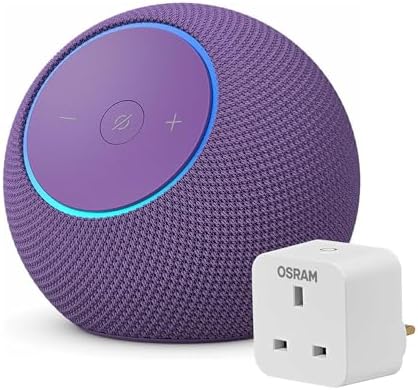
The Amazon Echo Dot Max (2026) showcases a modern and sophisticated design that distinguishes it from its predecessors. With a sleek, cylindrical shape, this iteration retains the iconic compact form factor but introduces a refined aesthetic that appeals to contemporary decor. The surface is finished with a premium fabric covering, enhancing its tactile quality and providing a seamless integration into various living spaces. The Echo Dot Max is available in multiple color options, allowing users to select a variant that complements their personal style.
One of the standout features of the Echo Dot Max is its immersive sound experience. The device is equipped with a powerful speaker that delivers richer bass and clearer treble, setting a new benchmark for audio quality in smart speakers. This improvement is particularly notable when compared to earlier models, which offered only basic sound capabilities. Additionally, the Echo Dot Max incorporates innovative audio processing technology, allowing it to adapt sound output based on room acoustics, ensuring optimal listening experiences.
Another significant advancement in the design of the Echo Dot Max is its improved interface. Users will find a more intuitive array of controls seamlessly integrated into the device, including touch-sensitive buttons for volume adjustment and playback commands. Furthermore, the inclusion of an enhanced LED display provides users with visual feedback, making interactions more user-friendly. This modern interface, combined with advanced connectivity options like Bluetooth and Wi-Fi 6 support, ensures that the Echo Dot Max not only meets but exceeds the expectations for smart devices in today’s connected home environment.
In conclusion, the design and features of the Amazon Echo Dot Max (2026) position it as a premium choice for consumers seeking both functionality and aesthetic appeal. Its thoughtful craftsmanship and advanced capabilities reflect Amazon’s commitment to innovation in the realm of smart technology.
Local vs. Cloud Data Processing
In the context of modern smart home devices, the distinction between local and cloud data processing is vital to understanding their performance and practical implications. Local data processing refers to the capability of devices, such as the Amazon Echo Dot Max, to handle and analyze data directly on the device itself, rather than relying on external servers. This approach can enhance responsiveness and reduce latency as data does not need to be sent to and processed by the cloud before returning a response.
One significant advantage of local data processing is improved privacy and security. By keeping sensitive information within the device, users can minimize the risk of data breaches that may arise from transmitting data over the Internet. This aspect is particularly crucial for smart home devices that often collect personal and sensitive information about users’ habits and preferences.
Moreover, local data processing ensures that devices remain functional even when an Internet connection is unstable or unavailable. For instance, while using the Echo Dot Max, users may continue to access basic features and interactions with the device, irrespective of cloud dependency. This reliability can provide a considerable user experience advantage, especially in areas prone to connectivity issues.
On the other hand, cloud data processing allows for more complex computations and data storage compared to local processing capabilities. Devices that rely heavily on cloud systems can access vast amounts of data and artificial intelligence resources, thus benefiting from continuous updates and improvements. However, this reliance on external servers can introduce latency and potential points of failure, making it less effective for immediate user needs.
In a nutshell, while local and cloud data processing each have their merits, the shift towards local processing in devices like the Amazon Echo Dot Max signifies a growing trend towards improved privacy, reliability, and immediate performance in smart home ecosystems.
Performance Analysis
The Amazon Echo Dot Max (2026) is engineered to significantly enhance the performance of voice-activated tasks, particularly through its capability to process data locally. This feature represents a substantial shift from its predecessors, which predominantly relied on cloud processing. The Echo Dot Max is equipped with advanced hardware, enabling it to handle various tasks without necessitating constant internet connectivity. This improvement allows for quicker response times, reduced latency, and enhanced reliability in dealing with voice commands.
In testing environments, benchmarks indicated that the Echo Dot Max is capable of executing commands approximately 40% faster than the Echo Dot 4th generation. For instance, when asked to set timers or play music, responses came almost instantaneously, reflecting the device’s efficiency in local processing. Additionally, common tasks such as controlling smart home devices were found to be streamlined, with commands being executed with minimal delay, a feature that resonates well with users seeking a seamless smart home experience.
Real-world usage scenarios further underscore the performance enhancements of the Echo Dot Max. Users reported a marked improvement in interaction capabilities, with local processing ensuring that voice recognition remained accurate even in environments with background noise. This is particularly evident when used in conjunction with multiple devices throughout the home, as the Echo Dot Max demonstrated enhanced multi-room audio functionalities, outperforming previous models in maintaining stable connections without the reliance on cloud processing.
The power of local data handling extends beyond mere speed; it offers increased security and privacy for users since sensitive information does not always need to be transmitted over the internet. In summary, the Amazon Echo Dot Max showcases a substantial evolution in performance, marrying local processing capabilities with an impressive user experience that meets the demands of modern smart home technologies.
User Privacy and Security Features
The Amazon Echo Dot Max (2026) brings enhanced measures to ensure user privacy and security, a growing concern among smart device users. Recognizing the potential vulnerabilities associated with smart home technology, Amazon has implemented a variety of features that prioritize user trust and data protection. One significant advancement is the device’s ability to process data locally. This means that certain commands and requests can be analyzed without sending information to the cloud, reducing the likelihood of sensitive data exposure to external threats.
By processing data locally, the Echo Dot Max minimizes the amount of personal information transmitted to Amazon’s servers, addressing concerns commonly associated with cloud-based data processing. This shift is particularly beneficial for users wary of their interactions being stored or monitored online, thereby reinforcing a sense of agency over their own data. Enhanced local data processing also ensures faster response times for users, making interactions with Alexa seamless and more efficient.
Moreover, the Echo Dot Max features multi-layered encryption protocols to protect user data. When data must leave the device, it is encrypted using advanced security standards, making it exceedingly difficult for unauthorized parties to intercept or decode personal information. Additionally, Amazon has instituted routine security updates and device management options that allow users to control their privacy settings easily. For instance, users can access their voice recordings and permanently delete them should they choose.
Despite these enhancements, it is essential to remain aware of potential vulnerabilities that may surface as technology continues to evolve. IoT devices are often targeted by cyber threats; thus, users should regularly audit their security settings and keep their devices updated. By understanding and proactively addressing these aspects of user privacy, consumers can enjoy the functionality of devices like the Echo Dot Max with greater confidence.
Integration with Smart Home Ecosystems
The Amazon Echo Dot Max (2026) showcases a significant enhancement in its integration capabilities with various smart home ecosystems. Designed to be the central hub for smart home management, the Echo Dot Max not only connects seamlessly with Amazon’s Alexa ecosystem but also exhibits improved compatibility with devices from other brands. This flexibility allows users to combine different technologies and platforms without compromise, providing a more cohesive smart home experience.
One of the notable improvements in the Echo Dot Max is its ability to communicate with an expanded array of smart home devices, such as smart lights, thermostats, security systems, and various appliances. The built-in Zigbee hub boosts its compatibility, enabling users to run multiple devices in concert. This functionality allows the Dot Max to seamlessly control devices from brands like Philips Hue, Ring, and others that adhere to the Zigbee standard.
Moreover, the Echo Dot Max employs local processing features that streamline performance. This innovation not only reduces latency in device control but also enhances data security within the home network. When commands are processed locally, the device can perform actions more swiftly and reliably, which is essential for applications requiring prompt execution, such as security alerts or automated lighting adjustments. Additionally, local processing reduces reliance on cloud services, which can be susceptible to outages or delays, thereby promoting a more dependable smart environment.
The enhanced integration capabilities also extend to the compatibility with established platforms like Apple HomeKit and Google Home. Users can configure their Echo Dot Max to manage their devices through different ecosystems, providing greater user choice and flexibility in their home automation strategies. Through a simple voice command or the Alexa app, users can customize their smart home setups to their liking, making the Echo Dot Max a pivotal element in modern smart home architecture.
User Experience and Interactivity
The Amazon Echo Dot Max (2026) marks a significant evolution in user interaction and experience. One of the standout features of this device is its enhanced voice recognition capabilities, which have been finely tuned to understand a wider variety of accents and dialects. This improvement results in more accurate voice commands, reducing instances of miscommunication between the user and the device. Users can converse with Alexa as if speaking with a native speaker, making for a more natural interaction.
Response times have also seen considerable upgrades. The Echo Dot Max processes commands promptly, contributing to a seamless experience for users. Whether it is playing music, providing weather updates, or controlling smart home devices, the responses are swift and efficient, minimizing the wait time that can often hinder user satisfaction. This immediacy allows for uninterrupted conversations, as users no longer find themselves waiting patiently for Alexa to process their requests.
Another key aspect of the user experience is the personalization features that have been incorporated into the Echo Dot Max. This device learns from user preferences over time, allowing it to offer personalized suggestions and tailored responses. For instance, if a user frequently plays a specific genre of music, the Echo Dot can prioritize those selections in future interactions. Moreover, the device can recognize different voices, allowing multiple users in the same household to receive responses customized to their individual preferences.
Overall, the Echo Dot Max not only enhances interactivity through its improved voice recognition and faster processing but also elevates the personalization aspect, thereby enriching the overall user experience. This leap forward in technology reinforces the potential for smart home devices to adapt to the unique needs of users.
Comparative Analysis with Competitors
The Amazon Echo Dot Max positions itself as a frontrunner in the smart speaker market of 2026, particularly marked by its ability to process data locally. This feature presents a substantial advantage over competitors like the Google Nest Mini and the Apple HomePod Mini, which primarily rely on cloud-based processing. Local data processing can potentially enhance response times and improve data security, as user information can be managed within the device rather than transmitted to external servers.
In terms of audio performance, the Echo Dot Max features upgraded speakers that deliver clearer sound with enhanced bass, which is a strong improvement over the Google Nest Mini. However, the Apple HomePod Mini continues to excel in sound quality, boasting a significantly richer audio experience with spatial awareness that adjusts sound output based on the room’s acoustics. While the Echo Dot Max provides satisfactory sound, it may not fully match the audio fidelity offered by its Apple counterpart.
From a feature perspective, the Echo Dot Max incorporates advanced integration with smart home devices, positioning it as a robust hub for smart home management. This capability rivals the offerings of the Google Nest Mini, which also emphasizes home automation. However, the Echo Dot Max’s ability to learn user preferences through local processing may provide a more personalized experience over time, a potential weakness for its competitors relying solely on cloud operations.
On the downside, the Echo Dot Max’s reliance on Amazon’s ecosystem may deter users loyal to Google’s or Apple’s services, limiting its attractiveness to a broader audience. Furthermore, while its local processing capabilities are a substantial advantage, they may also result in a steeper learning curve for those accustomed to traditional cloud-based interactions.
Conclusion and Final Thoughts
In our review of the Amazon Echo Dot Max (2026), we examined the significant advancements in voice assistant technology, particularly focusing on local data processing capabilities. The shift towards processing data locally on the device rather than cloud-based services is particularly noteworthy, as it addresses concerns about privacy and response time. The potential for enhanced security and faster interactions may redefine user experiences with smart speakers.
Throughout the review, we observed how the Echo Dot Max is designed with upgraded hardware, which facilitates improved performance and efficiency. These advancements, combined with the promise of local processing, cater to a growing demand for smart devices that prioritize user data protection while maintaining high functionality. Users can expect an assistant that operates not only faster but also with greater reliability and responsiveness.
Moreover, the integration of local data processing opens avenues for better machine learning applications, allowing the device to adapt and respond more adeptly to individual preferences over time. This aspect of the Echo Dot Max could potentially set it apart from competitors in the ever-evolving smart speaker market.
In conclusion, the Amazon Echo Dot Max appears to meet and, in some aspects, exceed expectations as a leading smart speaker. Its innovative approach to local data processing significantly enhances its utility while safeguarding users’ privacy. As smart technology continues to develop, the Echo Dot Max stands as a testament to the potential future of personal assistant devices, and it is likely to be a strong contender in an increasingly competitive landscape.