
Introduction to Noise-Canceling Technology
Noise-cancelling technology has gained immense popularity in recent years, becoming a valuable feature in modern audio devices, especially in headphones. The primary function of this technology is to reduce unwanted ambient sounds, allowing users to enjoy a more immersive listening experience. At its core, noise cancellation leverages advanced sound engineering to detect environmental noise and counteract it through phase inversion, effectively diminishing distracting sounds that may disrupt focus or relaxation.
This technology proves particularly beneficial in various situations, such as travelling on aeroplanes, commuting via public transport, or in busy workplaces. For travellers, noise-cancelling headphones can transform stressful environments—like airports or train stations—into tranquil spaces, allowing them to concentrate on their music, podcasts, or audiobooks without interference. In daily commuting scenarios, these devices filter out engine noise and chatter, creating a more pleasant journey. Moreover, in open-office environments, noise-cancelling headphones can enable employees to maintain focus, improve productivity, and enhance their overall work experience.

- [Ultra 100H Playtime & Fast Charging] Bluetooth earphones have a battery life of up to 100 hours. You can charge the wir…
- [Active Noise Cancelling] Bluetooth headphones with strong wrapping can cover the entire ear, block most external noise,…
- [Superior Sound Quality] Headphones wireless bluetooth adopts a 40mm full frequency dynamic driver, significantly reduci…
Understanding how noise-cancelling technology works is essential for making informed decisions when considering options from leading brands like Sony and Bose. Both companies have made substantial advancements in this field, integrating cutting-edge technology into their flagship models. As we delve deeper into the respective features and performance of Sony and Bose noise-cancelling headphones, it is pertinent to recognise the importance of this technology in enhancing audio experiences. The significance of noise cancellation transcends mere luxury; it is now a functional necessity for users seeking to manage their acoustic environments effectively.
Overview of Sony’s Noise-Canceling Headphones
Sony has established itself as a frontrunner in the noise-cancelling headphone market, consistently delivering products that combine innovation with superior audio quality. The flagship models, such as the Sony WH-1000XM5, have garnered attention for their sleek design and robust performance. Designed for versatility, these headphones come with comfortable ear cushions and a lightweight structure, making them suitable for both extended listening sessions and portable use.
Equipped with advanced digital noise-cancelling technology, Sony’s headphones utilise a combination of feedforward and feedback microphones to monitor ambient sound. This allows the device to adaptively adjust the noise-cancelling levels in real-time, ensuring users experience an immersive auditory environment. One of the standout features is the Adaptive Sound Control, which intelligently detects whether the user is in motion or stationary, adjusting sound settings accordingly for optimal performance.
Moreover, the Quick Attention Mode is another impressive aspect of Sony’s flagship headphones. By simply placing a hand over the ear cup, users can instantly lower the volume and channel external sounds, allowing for quick conversations without the need to remove the headphones. This functionality emphasises Sony’s commitment to enhancing user experience and convenience.
In terms of specifications, Sony’s noise-cancelling headphones feature customisable sound profiles through their companion app, enabling users to tailor audio settings according to personal preferences. Battery life is also a strong point, with the latest models offering up to 30 hours of playback on a single charge. Connectivity options, including Bluetooth with support for high-resolution audio codecs, further position these headphones as a premier choice for audiophiles.

- LEGENDARY NOISE CANCELLATION: Effortlessly combines noise cancelling headphone technology with passive features so you c…
- PREMIUM COMFORT: Plush earcup cushions softly hug your ears, while a secure and comfortable padded band gently keeps you…
- TWO LISTENING MODES: These wireless Bluetooth headphones feature Quiet and Aware Modes that let you toggle between full …
Overview of Bose’s Noise-Canceling Headphones
Bose has established itself as a pioneer in the field of noise-cancelling technology, particularly with its flagship models in the QuietComfort series. The QuietComfort headphones are renowned for their exceptional sound quality and innovative noise-cancelling features. The company has consistently improved upon its designs, integrating advanced technologies to enhance user experience and comfort.
The design elements of Bose’s headphones prioritise both aesthetics and usability. The QuietComfort series typically features a lightweight and comfortable build, making it suitable for prolonged use. Users often appreciate the plush ear cushions and adjustable headbands, which provide a secure fit even during extended listening sessions. Furthermore, the headphones are available in a range of colour options, appealing to diverse consumer preferences.
One of the defining features of Bose’s noise-cancelling technology is its adaptive noise cancellation. This clever feature allows the headphones to analyse the environment and adjust the noise-cancelling levels accordingly, ensuring optimal audio performance whether in a bustling café or a quiet office. Moreover, Bose incorporates its revolutionary Bose AR technology, which adds an additional layer of functionality—enabling audio enhancements tied to location-based experiences.
User experience with Bose headphones is often noted for its seamless integration with smartphones and other devices. The intuitive touch controls allow for easy navigation between tracks, volume adjustments, and calls. Additionally, with the Bose Connect app, users can customise settings to suit their preferences, further enhancing their listening journey.
In comparing Bose’s offerings to competitor models, such as those from Sony, the choice often comes down to personal preference regarding sound signature and comfort. While both brands deliver high-quality audio and effective noise-cancelling capabilities, Bose tends to appeal to those who prioritise comfort and ease of use in their audio consumption.

- Hybrid Active Noise Cancelling: 2 internal and 2 external mics work in tandem to detect external noise and effectively r…
- Immerse Yourself in Detailed Audio: The noise cancelling headphones have oversized 40mm dynamic drivers that produce det…
- 40-Hour Long Battery Life and Fast Charging: With 40 hours of battery life with ANC on and 60 hours in normal mode, you …
Sound Quality Comparison
When it comes to sound quality, both Sony and Bose have established themselves as leaders in the noise-cancelling headphone market. Users often have differing opinions regarding which brand offers superior audio performance, but several factors play a critical role in differentiating their sound profiles.
One prominent aspect of sound quality is clarity. Sony headphones, particularly the WH-1000XM4, have earned praise for their bright audio signature, allowing vocal performances to shine. Additionally, their ability to reproduce a wide range of frequencies contributes to an engaging listening experience. On the other hand, Bose headphones like the Noise Cancelling Headphones 700 are celebrated for their balanced sound, favouring a smooth tonal quality. Listeners often report a slightly warmer profile in Bose products, favouring genres such as jazz and acoustic music.
Bass response is another critical factor for discerning listeners. Many users appreciate Sony’s approach, which showcases impactful low-end frequencies, making genres like hip-hop and electronic music more enjoyable. However, some audiophiles find the bass response of Bose models to be more natural and less overpowering, affording a more nuanced reproduction of sound that maintains integrity across various musical styles.
Soundstage and imaging capabilities are essential considerations as well. Sony headphones typically offer a wider soundstage, creating an illusion of space that can immerse listeners in the audio experience. This aspect is particularly valuable for movie watchers and gamers, for whom positioning becomes crucial. Conversely, Bose headphones tend to excel in creating precise imaging, allowing users to pinpoint the location of sound sources effectively.
Overall, both Sony and Bose offer competition-worthy sound quality, and the ideal choice may rest on personal preference. Evaluating factors such as clarity, bass response, and soundstage can help in determining which option best suits the requirements of individual users.
Comfort and Design Evaluation
When evaluating flagship noise-cancelling headphones, comfort and design play a critical role, as users often wear these devices for extended periods. Both Sony and Bose have made substantial efforts in creating products that balance aesthetics with practical usability.
Starting with Sony, the WH-1000XM5 model exemplifies the brand’s commitment to comfort. Weighing around 250 grams, these headphones are lightweight, which is an essential feature for minimising fatigue during long listening sessions. The earcups boast plush padding that conforms to the shape of the ear, ensuring a snug fit without exerting excessive pressure. The design is sleek and modern, available in various colours, catering to a diverse range of consumer preferences.
On the other hand, Bose’s 700-series headphones are known for their uniquely adjustable headband and ear cushion technology, which provides an impressive level of comfort. With a slightly heavier weight of approximately 260 grams, the Bose 700 headphones feature an ergonomic design that distributes weight evenly across the head, thereby reducing discomfort over time. The soft ear cushions are particularly noteworthy; they provide an excellent seal and comfort, facilitating an immersive listening experience.
In terms of usability, both models offer intuitive controls, although they diverge in layout and function. Sony’s touch-sensitive controls may appeal to those who prefer a minimalist interface, while Bose offers more tactile buttons, which can be more beneficial in active environments. Aesthetic aspects also vary considerably; Sony leans toward a contemporary feel, whereas Bose presents a more professional and understated appearance.
Ultimately, the choice between these two brands often comes down to personal preference in terms of design and comfort. Both manufacturers offer well-crafted headphones that excel in creating a comfortable acoustic environment for the listener.

- INTRODUCING THE SONY WH-CH520: Enjoy superb sound for every song, in a style that suits you, Featuring our Digital Sound…
- HIGH-QUALITY SOUND, TAILORED TO YOU: These Sony headphones feature DSEE technology to upscale every track, 360 Reality A…
- LISTEN IN COMFORT AND STYLE: With soft earpads and weighing just 147g, these wireless headphones are comfortable, Choose…
Noise-Cancellation Performance Analysis
When comparing the noise-cancelling capabilities of Sony and Bose headphones, it is essential to consider their performance in various real-world environments. Both brands are renowned for their advanced noise-cancellation technology, which aims to create an immersive audio experience by effectively minimising external sounds.
In a noisy office setting, user feedback indicates that both Sony and Bose headphones excel at blocking out distracting conversations and ambient noise. However, the Sony WH-1000XM5 has been cited for its adaptive sound control feature, which automatically adjusts the noise-cancelling level based on the surrounding environment. This adaptability provides an intuitive listening experience that may give it an edge over its Bose counterpart, the Noise Cancelling Headphones 700.
Similarly, during aeroplane travel, passengers have noted significant differences in how each brand handles engine noise and in-flight announcements. Many users report that the Bose model offers a slight advantage in achieving a serene travel experience, with some praising its comfortable fit that further enhances passive noise isolation. Nevertheless, the Sony WH-1000XM5 continues to receive acclaim for its powerful digital cancellation technology, which is particularly effective during takeoff and landing when cabin noise reaches higher levels.
Public transport environments, characterised by unpredictable noise levels, present another dimension for assessment. Here, both brands perform admirably, yet feedback leans towards the Bose model, which users claim makes rapid adjustments to fluctuating noise levels, effectively muting the sounds of train cars or bustling city streets. The quality of sound produced in conjunction with noise cancellation is crucial, and both brands deliver clarity un wavered by external disturbances.
In summary, while both Sony and Bose offer impressive noise-cancelling performance across a variety of environments, individual preferences may steer users towards one brand based on unique experiences outlined in user reviews and expert evaluations.
Battery Life and Connectivity
When evaluating the noise-cancelling headphones from Sony and Bose, one of the critical factors to consider is their battery life and connectivity features. Both brands offer impressive battery performance, but there are nuances that may sway decisions. Sony’s flagship headphones, such as the WH-1000XM5, boast an outstanding battery life of up to 30 hours with active noise cancellation (ANC) enabled. This longevity is complemented by quick-charge capabilities, providing up to five hours of playback after just a 10-minute charge. In comparison, Bose’s flagship model, the Noise Cancelling Headphones 700, offers around 20 hours of usage time with noise cancellation turned on. While slightly lower, the 700s also allow for rapid charging, ensuring minimal downtime.
Additionally, when assessing connectivity options, both headphone brands deliver robust performance. Sony headphones utilise Bluetooth 5.0 technology, enabling a stable connection with a range of approximately 30 feet (10 metres). This is beneficial for users who prefer mobility while listening to music or taking calls. Bose also incorporates Bluetooth 5.0 within its devices, and their QuietComfort 45 model enriches the user experience with multipoint pairing, allowing seamless switching between two devices. This feature is particularly advantageous for users who may wish to connect their headphones to their phone and laptop simultaneously.
Moreover, both Sony and Bose headphones are compatible with voice assistants such as Google Assistant and Amazon Alexa, enhancing functionality. Users using their headphones for calls or smart applications will find this feature beneficial, streamlining tasks without needing to reach for their devices. By combining these battery life and connectivity aspects, potential buyers can determine which brand aligns more closely with their specific listening habits and requirements.
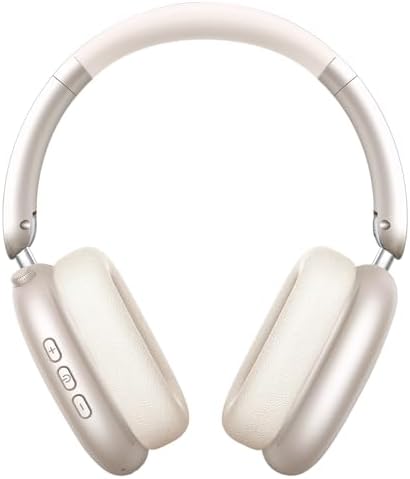
- 【Noise Canceling & Hi-Res Sound】Equipped with 40mm powerful dynamic driver system, Wentronic headphones use advanced tec…
- 【Designed for Comfort & Foldable Design】Wentronic bluetooth headphones are made of skin friendly soft protein earcups wi…
- 【Up to 48 Hours of Playtime & Wireless/Wired Modes】Wentronic Y01 headphones offer impressive battery life, providing up …
Pricing and Value for Money
When evaluating flagship noise-cancelling headphones from Sony and Bose, pricing is a significant consideration for consumers. Both brands offer headsets that are positioned in the premium segment, with prices often reflecting their advanced features and technology. Typically, Sony’s flagship model, such as the WH-1000XM4, is priced similarly to the Bose Noise Cancelling Headphones 700. However, when shopping, it is essential to factor in the potential extra costs that might arise from accessories and warranties, which can add to the overall expenditure.
Both brands often provide various warranty options and accessory choices that can influence the final price. For example, additional ear cushions, carrying cases, and charging docks are frequently available for both Sony and Bose models, which can further monetise the user experience. Additionally, during specific seasons or promotional periods, discounts can make a significant difference in price, allowing consumers to access premium audio experiences at more accessible rates.
As for perceived value for money, users generally evaluate not only the upfront cost but also the long-term utility and satisfaction derived from their headphones. In terms of features, both brands offer excellent noise cancellation, comfort, and sound quality, making them competitive in this regard. However, users may find that the unique features of each model justify their costs differently, particularly when considering factors such as battery life, app integration, and sound customisation options.
Ultimately, the decision between Sony and Bose will hinge on individual preferences, including how much one values specific features versus overall price. Therefore, while both brands demand a premium, understanding the nuances of pricing and performance can guide consumers toward the most suitable choice for their needs.

- HIGH FIDELITY STEREO HEADPHONES: KVIDIO upgraded bluetooth headphones with dual 40mm drivers and noise isolation technol…
- UNMATCHED COMFORTABLE HEADPHONES: Over ear earmuff made by softest memory-protein foam gives you all day comfort. Adjust…
- WIDE COMPATIBILITY: Simply press multi-function button 2s and the over ear headphones with mic will be in ready to pair….
Final Verdict: Which One Should You Choose?
When evaluating the merits of Sony and Bose regarding their flagship noise-cancelling headphones, it is essential to consider multiple factors that cater to individual preferences and usage scenarios. Both brands have distinguished themselves through years of innovation, quality, and customer satisfaction.
For audiophiles or those who prioritise sound quality, Sony’s latest iterations, such as the WH-1000XM5, might be more appealing. They offer a customisable sound profile, robust bass response, and superior audio clarity across genres. Moreover, the adaptive sound control feature, which adjusts noise-cancelling levels based on your environment, sets Sony apart in terms of versatility.
On the other hand, if comfort and usability are of utmost importance, Bose has cultivated a reputation for lightweight designs and plush earcups. The Bose 700 series is known for its excellent noise-cancelling capabilities and intuitive touch controls. For users engaging in prolonged listening sessions or those frequently using their headphones in bustling environments, the comfort offered by Bose may outweigh the audio performance found in Sony models.
Ultimately, it boils down to personal preference and specific use-case scenarios. For those prioritising premium audio performance, Sony’s offerings are likely to be more satisfying. Conversely, if minimalism and comfort are critical, Bose stands out as the more suitable option. Readers are encouraged to assess their priorities—be it sound quality, comfort, battery life, or additional features—before making a final decision. Weighing these factors will assist in determining which noise-cancelling flagship is truly worth your investment.