In a world filled with flashing screens, noisy digital toys, and hyper-stimulating apps, there is a quiet revolution happening on kitchen tables everywhere. Parents and educators are rediscovering the timeless, calming joy of a simple box of crayons and a blank page.
But not all colouring books are created equal. If you have ever watched a four-year-old burst into tears because they couldn’t colour inside the microscopic lines of an overly complex drawing, you know exactly what we mean.
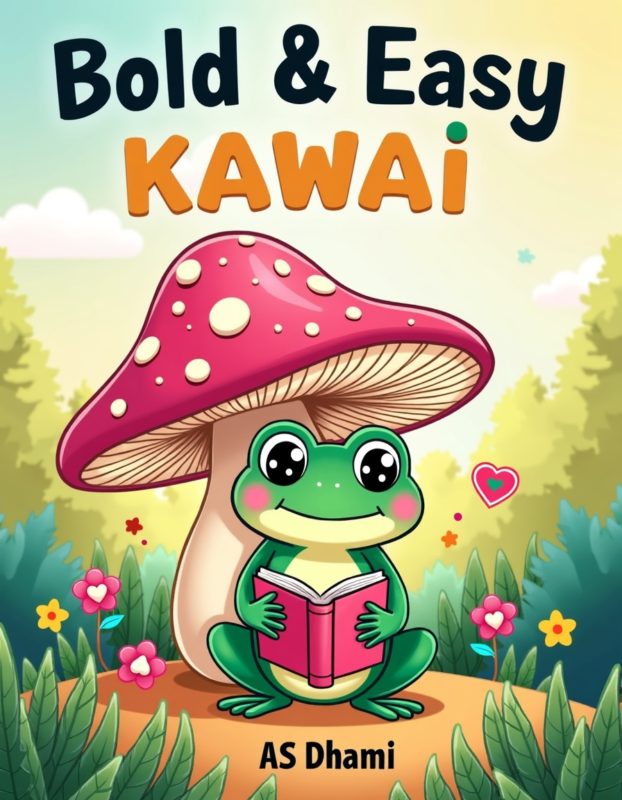
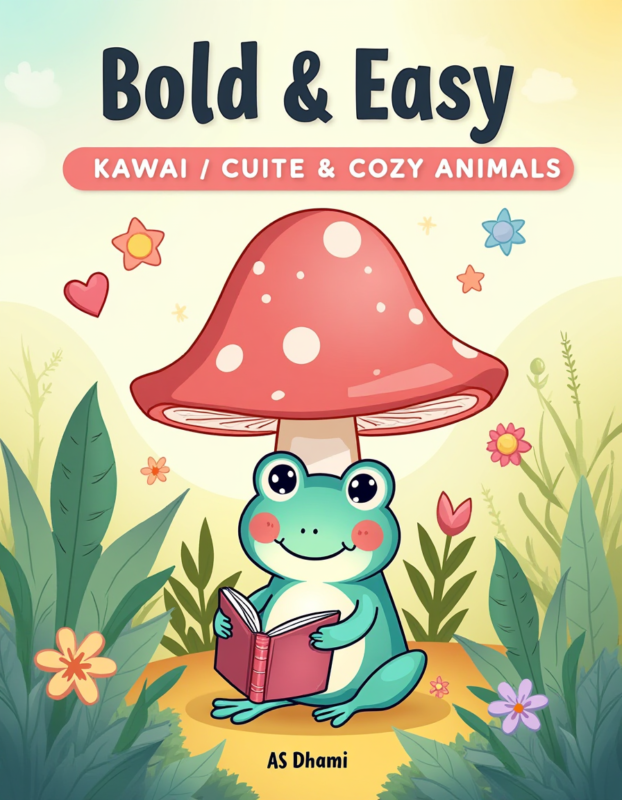
That is where the magic of the “Bold & Easy” Kawaii / Cute & Cozy Animals (Volume 3) aesthetic comes in. By focusing on thick outlines, simplified shapes, and adorable characters, these cute animal colouring pages for kids turn what could be a frustrating chore into a deeply satisfying, confidence-building win. Let’s dive into why this specific style of colouring is taking the parenting world by storm.
What Exactly Is the “Kawaii” Aesthetic?
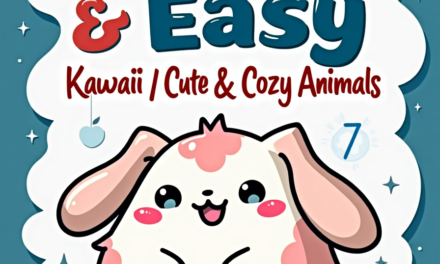
If you are unfamiliar with the term, ‘kawaii’ is the Japanese cultural concept of cuteness. Think oversized eyes, rounded features, simple expressions, and an immediate sense of warmth and vulnerability. Hello Kitty, soft plushies, and cartoon baby animals all fall under this umbrella.
When applied to children’s colouring pages, “kawaii” translates to “cosy and comforting”. There are no scary monsters or aggressive shapes here. Instead, kids are greeted by happy little stars, smiling boba teas, and cuddly animals doing everyday things—like a puppy taking a nap under a giant leaf or a tiny hamster eating a strawberry. It creates an instantly safe, welcoming visual environment for young minds.
The Developmental Superpowers of Thick, Bold Lines
While an adult might appreciate intricate mandalas or highly detailed landscapes, young children view the world through a different developmental lens. Their fine motor skills are still forming.
1. Building Early Visual Confidence
When a child is learning to control a crayon, their hand-eye coordination is being tested to its limits. Thick, bold black borders act like a gentle safety net. It gives them a generous buffer zone. If their crayon slips slightly, it stays hidden within the dark boundary line. This simple design choice prevents feelings of failure and encourages them to keep going.
2. Developing Grip and Spatial Awareness
Colouring large, open spaces requires different muscle movements than trying to colour tiny details. It allows kids to practise their “pincer grasp” (the way they hold a pencil between the thumb and index finger) without the stress of cramping up their small hand muscles too quickly.
Inside the Look: What Makes Volume 3 So Cosy?
The third instalment of our Bold & Easy Cute & Cosy Animals collection doubles down on what children love most: comforting, domestic, and gentle wild animals in relaxed settings.
Here are a few fan-favourite pages you’ll find inside this theme:
-
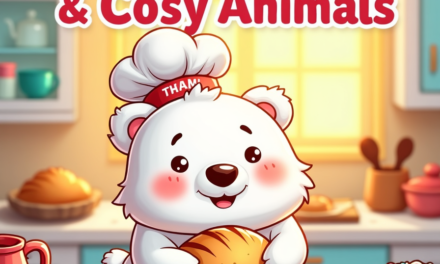
The Bakery Bear: A chubby bear wearing a tiny baker’s hat, holding an oversized croissant.
-
The Floating Otter: A blissful little sea otter floating on its back, holding a smiling starfish.
-
The Teacup Kitten: A tiny kitty peeking its head out of a beautifully patterned porcelain cup.
-
The Pyjama Panda: A sleepy giant panda wearing polka-dot nightwear, hugging a bamboo pillow.
Every single page is designed to feel like a warm hug, making it the perfect wind-down activity before bedtime or after a long day at preschool.
Practical Ways to Use These Coloring Pages
Don’t just think of colouring books as a way to kill twenty minutes while you make dinner (though they are excellent for that!). There are plenty of creative ways to integrate these pages into your child’s routine.
The Ultimate Travel Companion
Planes, trains, and long car rides are notorious for testing a child’s patience. Instead of handing over a tablet—which often leads to a grumpy mood later on—pack a clipboard, a few printed Bold & Easy sheets, and a small pouch of twistable crayons. Because the shapes are large, they are easy to colour even when the vehicle bumps along the road.
Cozy Morning Initials
Many parents swear by “Morning Bins” or “Quiet Invitation to Play”. Before your child wakes up, leave a fresh, cute animal colouring page on the table alongside their breakfast bowl. It sets a peaceful, focused tone for the entire morning, avoiding early morning screen requests.
Creative Storytelling Prompts
Use the drawings to build vocabulary and imagination! Once your child finishes colouring the Bakery Bear, ask them open-ended questions: What is the bear’s name? What does his bakery smell like? Who is he going to share that croissant with? This transforms a solo artistic activity into a brilliant language development tool.
The Best Art Tools for Little Hands
Because these designs feature chunky lines and open spaces, you have a lot of flexibility with what mediums you use. Here is a quick breakdown of what works best:
| Tool Type | Best For | Pro / Con |
| Jumbo Crayons | Toddlers (Ages 2-4) | Easy to grip, virtually unbreakable, but hard to colour smaller corners. |
| Washable Bingo Daubers / Markers | Preschoolers (Ages 3-5) | Satisfyingly quick to fill large spaces; colours are vibrant. Can bleed if paper is thin. |
| Watercolor Pencils | Older Kids (Ages 5+) | Colour normally, then trace over with a wet paintbrush to turn it into a painting! |
5 Expert Tips for a Stress-Free Coloring Session
If you want to maximise the joy and minimise the cleanup of your child’s creative time, keep these simple tips in mind:
-
Secure the Corners: Use a little bit of painter’s tape to stick the corners of the page to the table. This stops the paper from sliding around while your child is vigorously colouring.
-
Limit the Palette: Too many choices can overwhelm a young toddler. Hand them just three or four coordinating colours at a time (e.g., a pink, a soft yellow, and a mint green).
-
Embrace Unconventional Colours: If your child wants to paint the panda bright purple and the kitten neon green, let them! Creative expression matters far more than realism at this stage.
-
Protect the Next Page: If your child loves using juicy markers, place a scrap piece of cardstock or a plastic placemat behind the page they are working on to catch any ink bleed.
-
Display the Artwork: Create a dedicated “Art Gallery” wall using cheap magnetic frames or a clothesline with wooden clips. Showing off their finished work gives a massive boost to their self-esteem.
Frequently Asked Questions
What age group is this style best suited for?
While specifically engineered for toddlers and preschoolers (ages 2 to 6) due to the thick lines and simple shapes, older kids—and even adults looking for a relaxing, low-stress colouring experience—absolutely love the Kawaii aesthetic.
Can I use liquid watercolours on these pages?
If you print these pages at home on standard copy paper, liquid paint will cause the paper to wrinkle and tear. However, if you print them onto thick cardstock, they can handle light watercolour washes beautifully!
Why is single-sided printing important?
Single-sided printing means there is no artwork on the back of the page. This is crucial because it means children can use markers, gel pens, or heavier mediums without worrying about ruining the picture on the reverse side. It also makes it incredibly easy to tear out and frame individual sheets.
Conclusion: Less Complexity, More Joy
At the end of the day, childhood should be filled with moments that are gentle, cosy, and fun. The Bold & Easy Kawaii / Cute & Cosy Animals (Volume 3) approach cuts through the noise of high-stress modern toys and offers children exactly what they need: an inviting workspace where they can succeed every single time. By swapping out frustrating details for friendly faces and bold, forgiving lines, you’re not just giving them a colouring page—you’re giving them the gift of creative confidence.