Teaching Big Bravery Through Small Steps
Every parent knows the feeling of watching their child face a hurdle that feels, to them, like a massive mountain. Maybe it is riding a bike without training wheels, walking into a new classroom on the first day of school, or simply sleeping without a nightlight. Fear is a natural part of growing up, but teaching children how to navigate that fear can feel like a daunting task for the adults in their lives.
Enter Sammy.
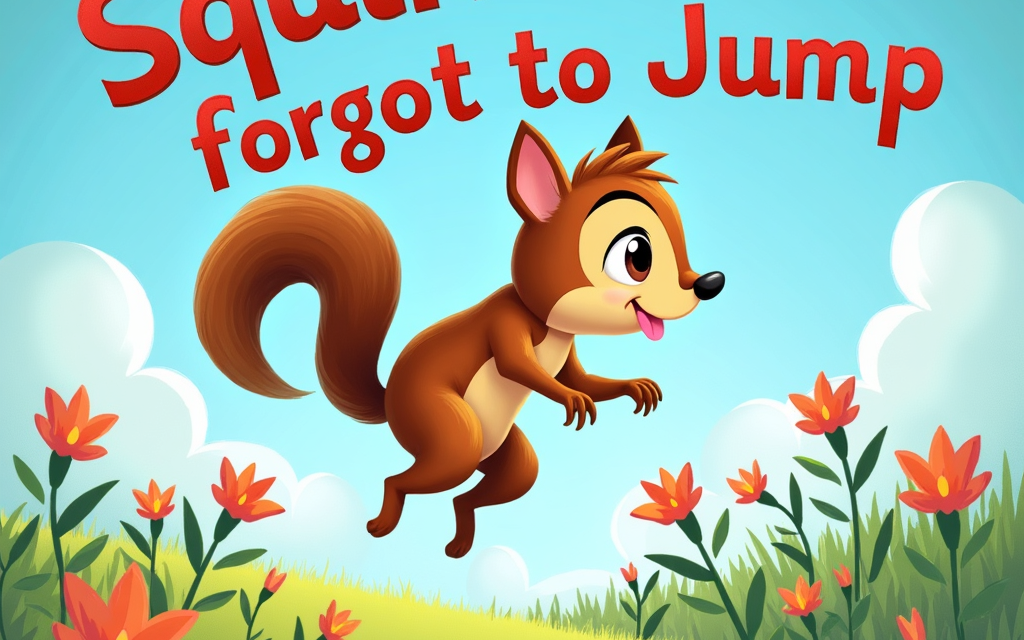
Sammy is the star of the enchanting new children’s book, The Squirrel Who Forgot to Jump. Through the eyes of a relatable, furry little protagonist, this story tackles one of the most crucial lessons a child can learn: bravery isn’t the absence of fear; it is learning to move forward even when your paws are shaking.
If you are on the hunt for impactful emotional resilience books for kids, let’s explore why Sammy’s journey is exactly what young minds need today.
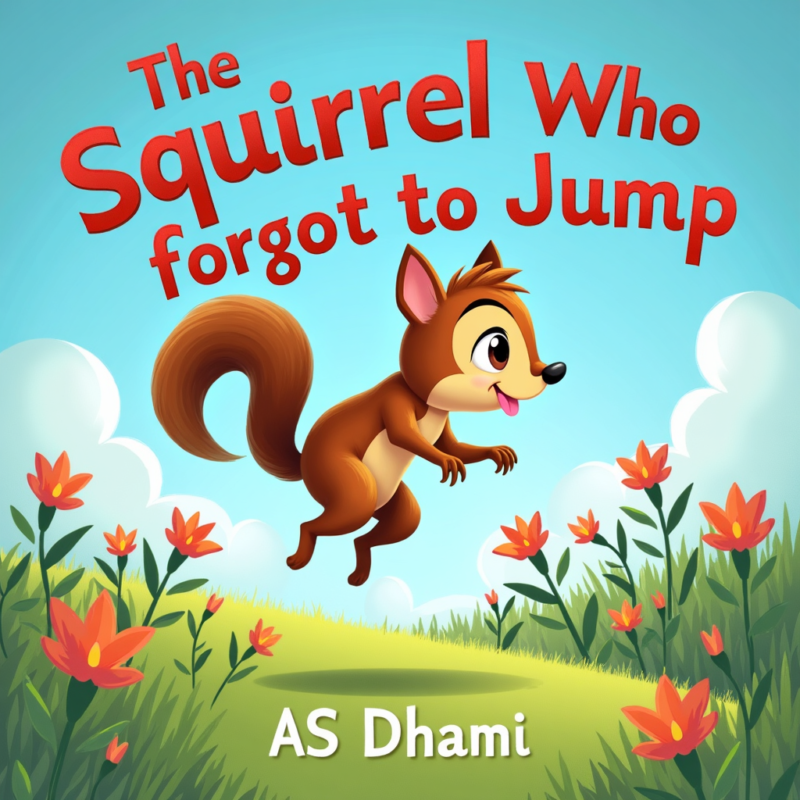
The Story of Sammy: A Relatable Tale of Hesitation
Deep in the heart of Whispering Woods, Sammy the squirrel is known for his quick wit and his love for the highest branches. But after a sudden, unexpected fall, something changes inside Sammy. The next time he looks across the gap between two branches, his heart races, his stomach does flips, and his legs refuse to move.
He has forgotten how to jump. Or rather, his fear has made him forget.
Instead of joining his friends in the canopy, Sammy retreats to the forest floor. He makes excuses. He pretends he prefers walking to soaring. But inside, he misses the wind in his fur.
What makes this book so powerful is that it doesn’t offer a magical, instant fix. Sammy doesn’t simply wake up the next day and miraculously leap across the forest. Instead, with the help of a wise old owl named Barnaby and a very patient hedgehog named Pip, Sammy learns to break his fears down into manageable, bite-sized pieces.
Why Animal Fables are the Perfect Tool for Emotional Learning
Psychologists and educators have long used anthropomorphic animals—animals that act like humans—to help children process complex emotions. But why is this method so effective?
1. Creating a Safe Psychological Distance
When a story is about a real child who is scared of the dark, a young reader might feel directly confronted or defensive about their own anxieties. However, when the character is a fluffy squirrel who is afraid of heights, the child can observe the situation objectively. This “psychological distance” allows children to recognize patterns of fear and anxiety without feeling personally attacked or judged.
2. Universal Appeal
An exotic bird or a forest squirrel doesn’t have a specific race, culture, or background. Every child, regardless of where they live or what language they speak, can look at Sammy the squirrel and see a reflection of their own internal struggles.
3. Simplifying Complex Concepts
Anxiety is a complicated physiological response. For a five-year-old, understanding why their tummy hurts when they are nervous is hard to grasp. The Squirrel Who Forgot to Jump visualizes anxiety beautifully. When Sammy’s tail twitches and his paws freeze, children can easily connect those physical signs to the feeling of being scared.
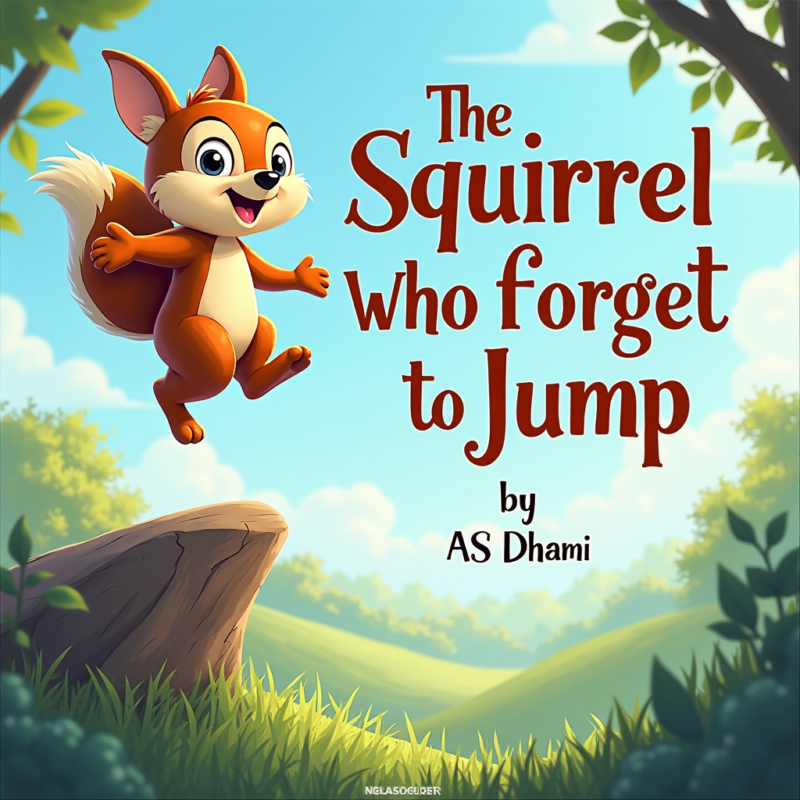
Key Benefits of Reading The Squirrel Who Forgot to Jump
This story goes far beyond simple entertainment. It serves as a developmental tool disguised as a delightful bedtime story. Here are a few tangible benefits your child will gain from reading about Sammy’s journey:
-
Normalizes the Concept of Failure: Sammy doesn’t get stuck because he is weak; he gets stuck because he had a fall. The book teaches kids that falling down is a normal part of trying new things.
-
Encourages a Growth Mindset: Instead of believing he will never jump again, Sammy learns that skills can be rebuilt with practice, patience, and effort.
-
Promotes Empathy: Readers witness how Sammy’s friends support him. Pip the hedgehog doesn’t tease Sammy; he walks with him on the ground. This teaches young readers how to be compassionate friends to those who are struggling.
-
Provides a Shared Vocabulary: After reading, parents can use phrases from the book, like “Are your paws feeling glued today?” to help children express their emotions without feeling overwhelmed.
Practical Ways to Use This Book at Home or in the Classroom
To get the most out of emotional resilience books for kids, it helps to extend the conversation beyond the final page. Here are a few practical strategies to bring Sammy’s lessons into daily life:
The “Micro-Leap” Technique
In the book, Barnaby the owl tells Sammy to practice jumping over a tiny crack in a rock before trying to leap between giant trees. You can implement this at home. If your child is terrified of swimming, don’t force them into the deep end. Start by splashing water on their toes, celebrate that victory, and move up to the ankles the next day. Call these your child’s “micro-leaps.”
Create a “Bravery Branch”
Draw a simple tree branch on a piece of paper and tape it to the refrigerator. Every time your child faces a fear—like trying a new food, raising their hand in class, or sleeping in their own bed—let them write or draw their achievement on a green leaf and stick it to the branch. Watch their bravery branch grow over time!
Open-Ended Discussion Prompts
When you finish reading the book, avoid simply closing the cover and turning off the light. Ask a few open-ended questions to get your child thinking:
-
“Why do you think Sammy’s legs wouldn’t move, even though he wanted to jump?”
-
“How did Pip show Sammy that he was a good friend?”
-
“Have your paws ever felt ‘glued’ to the floor? What made you feel that way?”
Frequently Asked Questions (FAQs)
What age group is this book best suited for?
The Squirrel Who Forgot to Jump is ideally written for children aged 3 to 8 years old. Younger children will enjoy the vibrant illustrations and rhythmic storytelling, while older children will deeply connect with the emotional themes of self-doubt and resilience.
Can this book help children dealing with clinical anxiety?
While this book is a wonderful literary tool to promote healthy coping mechanisms, it is not a substitute for professional medical advice or therapy. However, many child psychologists and school counselors use stories like Sammy’s as bibliotherapy to supplement their practice.
Is this story suitable for a classroom read-aloud?
Absolutely! The narrative structure allows teachers to pause and ask students what they think Sammy should do next, making it an excellent resource for Social-Emotional Learning (SEL) curricula.
Summary of Character Lessons
To give you a quick glance at how the book models healthy social dynamics, here is a breakdown of the main characters and the roles they play in Sammy’s recovery:
| Character | Role in the Story | Real-World Equivalent |
| Sammy | The protagonist who loses his confidence after a fall. | The child experiencing anxiety or fear. |
| Pip the Hedgehog | The loyal friend who stays on the ground with Sammy. | Peers who offer empathy without judgment. |
| Barnaby the Owl | The mentor who teaches Sammy the strategy of small steps. | Parents, teachers, or counselors offering guidance. |
Final Thoughts: Finding Your Bounce
We cannot protect our children from every bump, bruise, or fall that life throws their way. What we can do is equip them with the internal toolkit required to dust themselves off and try again.
The Squirrel Who Forgot to Jump is more than just a beautifully illustrated story about forest animals. It is a gentle reminder to children and adults alike that progress is rarely a straight line. Sometimes, to go high, you have to start low. Sometimes, to leap forward, you just need to trust your feet one tiny hop at a time.