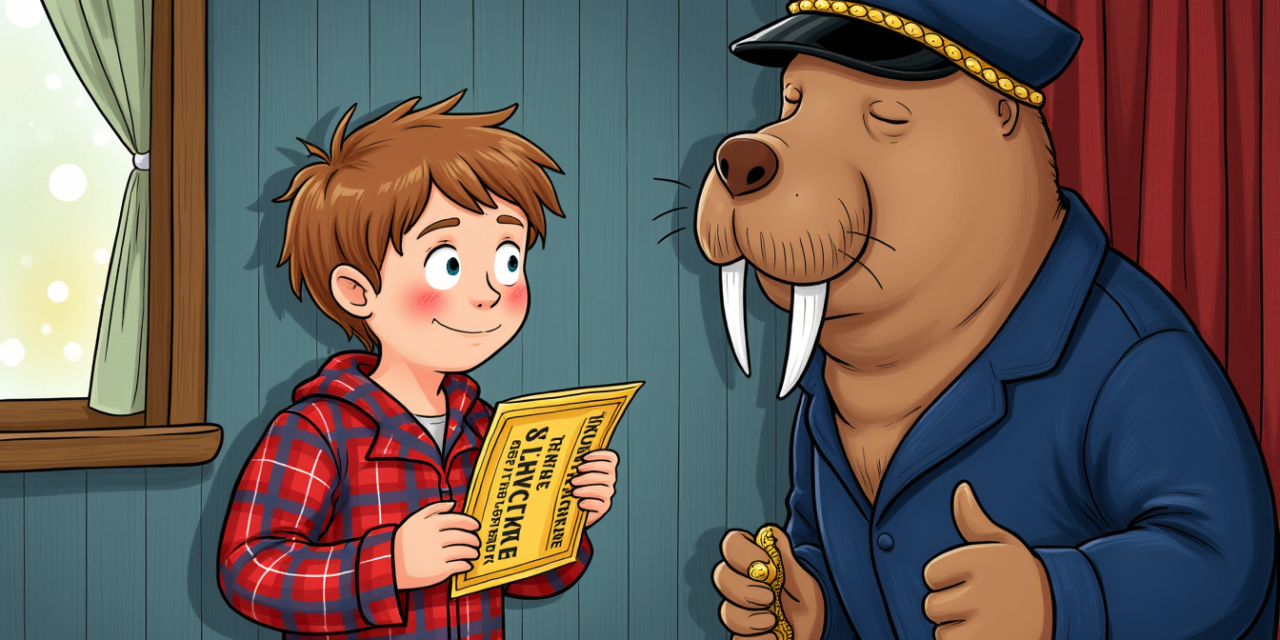
Boarding The Pajama Express
It is 8:15 PM. You have done the bath. You have put on the nappies. You have brushed your teeth. Yet, instead of a sleepy toddler winding down for the night, you have a tiny, barefoot athlete doing victory laps around the living room, fuelled by a sudden, inexplicable burst of third-wind energy.
If this scene sounds familiar, you are not alone. Bedtime resistance is one of the most common challenges parents face. Toddlers and preschoolers experience FOMO (Fear of Missing Out) intensely, and transitioning from the exciting, high-stimulus world of daytime play to the quiet stillness of sleep can feel like a massive hurdle for their developing nervous systems.
The secret to winning the bedtime battle isn’t negotiation, threats, or endless cups of water. It is about creating a psychological bridge from wakefulness to sleep. That is exactly why we created The Pyjama Express—a magical bedtime story for kids that doubles as a functional sleep tool.
Let’s dive into why bedtime is so hard, how rhythmic storytelling can change your nights, and how you can build a stress-free evening routine using The Pyjama Express.
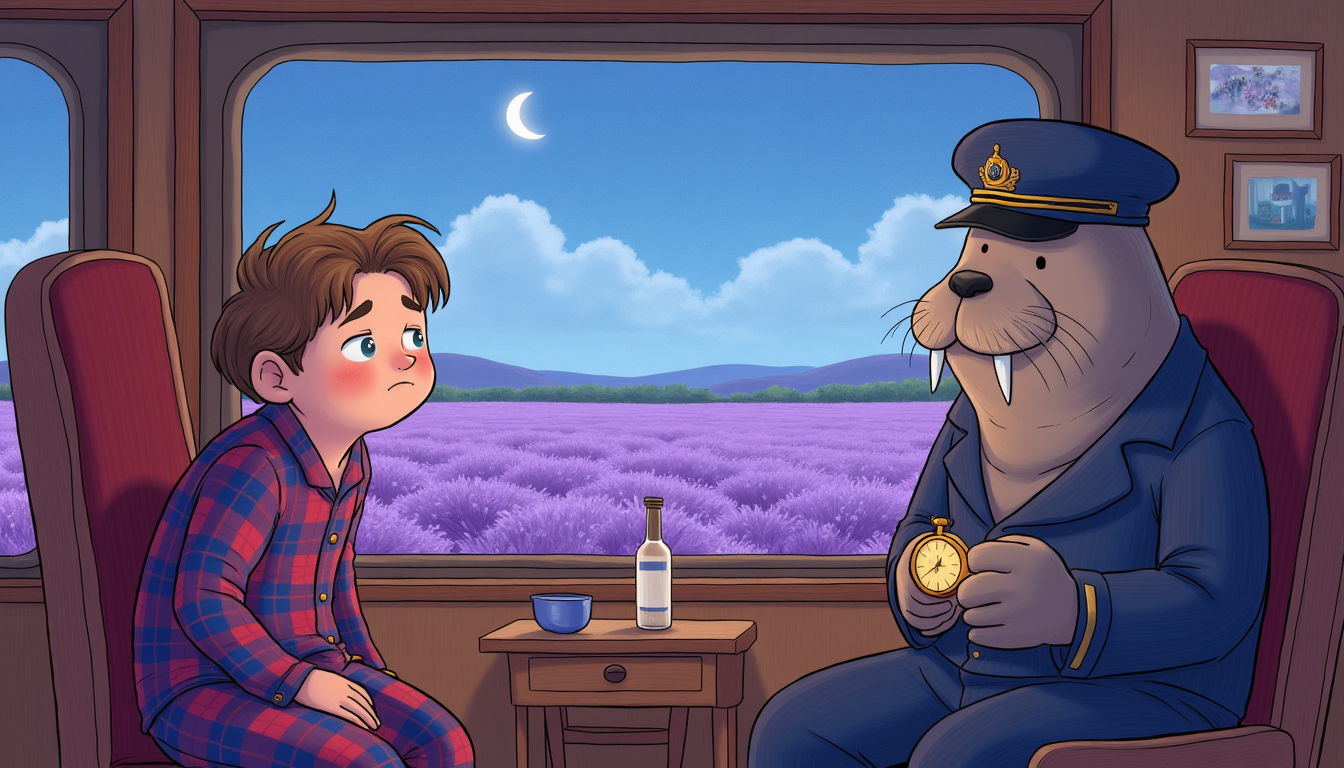
Why Bedtime Feels Like a Battleground
Before we can fix the bedtime routine, we have to understand what is happening inside your child’s brain when the sun goes down.
The Cortisol Spike (The “Overtired” Trap)
When children stay up past their natural sleep window, their brains get confused. Instead of producing melatonin (the sleep hormone), their bodies pump out cortisol and adrenaline to keep them awake. This triggers a state of hyper-alertness. When your child is bouncing off the walls at 9:00 PM, they aren’t actually full of energy—they are physically overtired and running on stress hormones.
Transition Anxiety
For a young child, sleep is a form of separation. They are separating from you, from their toys, and from the safety of the waking world. If the transition into bed feels abrupt, their survival instincts kick in, leading to crying, tantrums, and endless stalls (“One more hug! I need to pee! Where is my blue truck?”).
The Science of Rhythmic Storytelling
Have you ever noticed how easily a child falls asleep in a moving car or a stroller? It isn’t just the movement; it is the predictable, rhythmic sensory input. The brain thrives on patterns.
The Polar Express uses a specific literary technique known as guided sleep cadence. The story is written in a gentle, rolling metre that mimics the slow, steady clack-clack of a train on a track.
As you read the story aloud, your voice naturally slows down. Your tone softens. Without realising it, your child begins to match their breathing to the rhythm of your voice. This stimulates the vagus nerve, switching their nervous system from “fight-or-flight” mode into the parasympathetic “rest-and-digest” state.
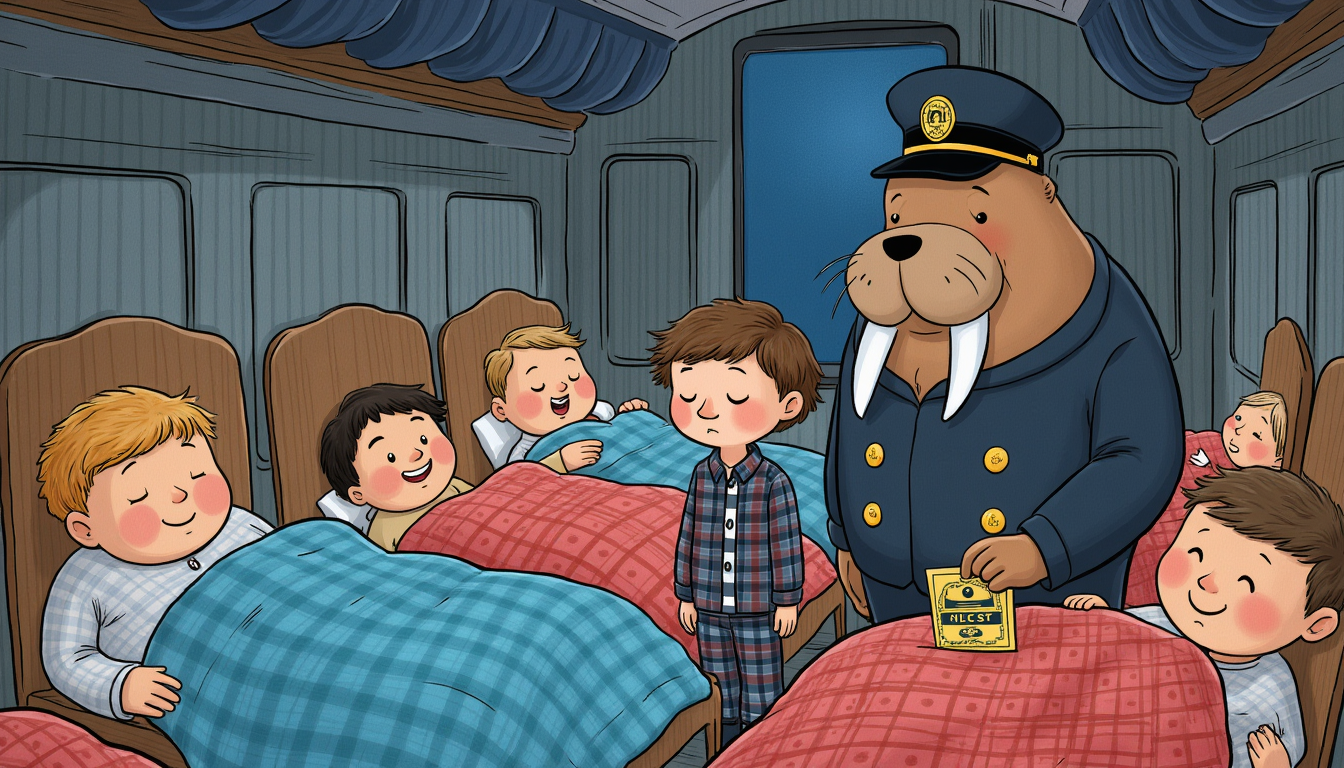
A Peek Inside the Journey of The Pajama Express
What makes this story so captivating for little minds? It addresses their imagination while subtly guiding them toward sleep.
The story begins in a bustling room where the sun has just gone down. Suddenly, a soft choo-choo echoes through the window. It is the Pyjama Express, a magnificent, glowing locomotive made of starlight and velvet cushions. The conductor, a gentle old owl named Barnaby, welcomes every child aboard. But there is a catch: to get a ticket, you have to be wearing your cosiest pyjamas.
As the train moves along, it travels through different magical lands:
-
The Valley of Whispering Willows: Where the trees gently sway and brush away the busy thoughts of the day.
-
The Star-Dust Bridge: Where the train climbs high into the night sky, and children look out the window to see the world below quietly falling asleep.
-
The Pillow Mountains: Thick, fluffy peaks where the train slows to a gentle crawl, sinking into soft clouds of deep rest.
By the time the train reaches its final destination—Sweet Dreams Station—the characters in the book are fast asleep, giving your child a visual model of what they are supposed to do next.
Step-by-Step: Crafting the Ultimate Bedtime Routine
A great bedtime story needs a great environment to work its magic. Here is a foolproof sequence to integrate The Pyjama Express into your nightly routine for maximum success.
Turn off overhead lights and switch to warm lamps. Shut off all screens. This signals to your child’s brain that the sun has set and it is time to start producing melatonin.
Make getting dressed fun. Tell your child, “Quick, let’s get your pyjamas on so we can catch the Pyjama Express!” This changes a chore into an exciting game.
Sit close together. As you open the book, let your child run their fingers over the touch-and-feel elements. Feeling the soft textures pulls their focus away from daytime distractions and anchors them in the present moment.
Read the story aloud. Intentionally slow your pacing with every page. Let your voice drop to a whisper by the time the train reaches the Pillow Mountains.
Scan the QR code on the final page to activate the ambient audio soundtrack. Turn off the main lamp, leave the soft train sounds playing quietly in the background, and slip out of the room while they drift off.
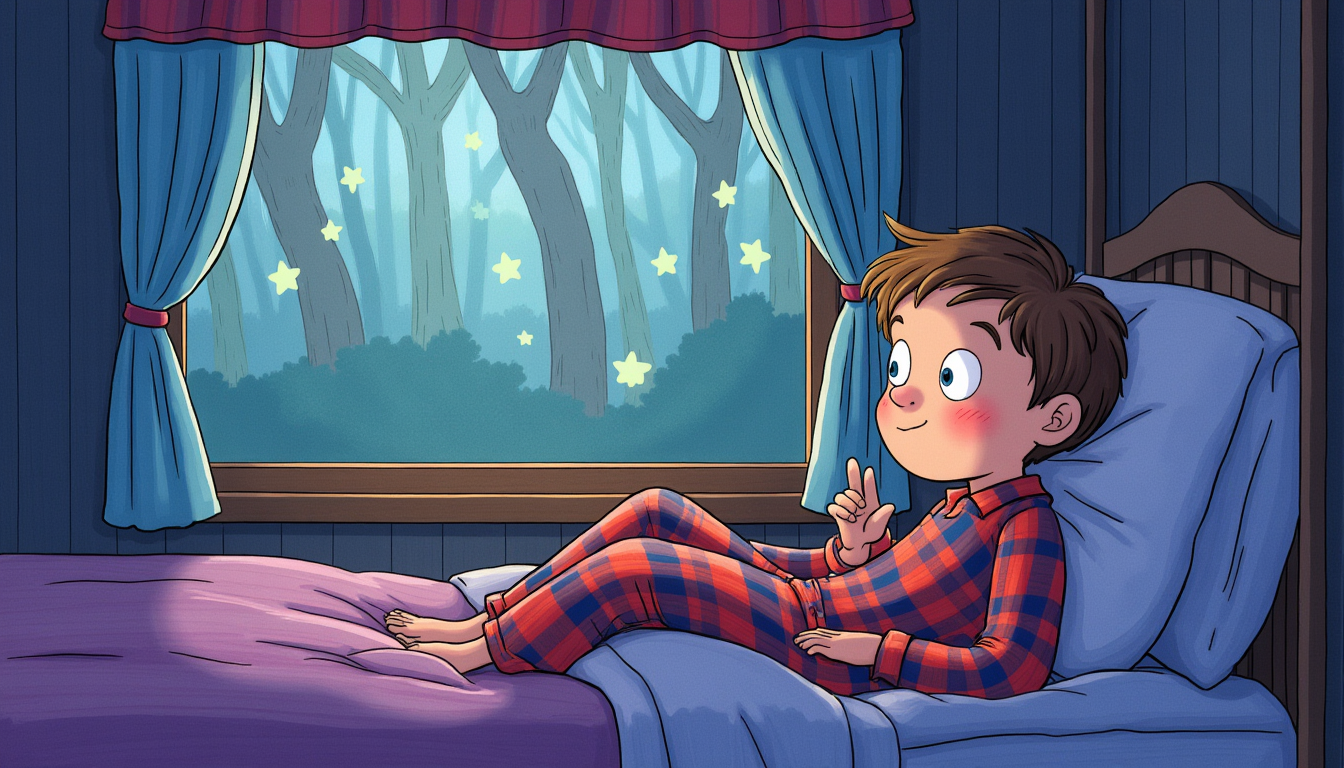
4 Expert Tips for Stalling Toddlers
Even with the best book, kids will try to stretch the night out. Here is how to handle the classic stalls using the theme of the book:
1. The “One More Story” Request
Set expectations before you open the cover. Say, “We are taking one trip on the Pyjama Express tonight. When the train gets to the station, it’s time to close our eyes.” Consistent boundaries breed security.
2. The “I Need a Drink of Water” Trick
Keep a spill-proof water cup right next to their bed as part of the “train station prep”. Tell them, “The train has a water car right here by your bed, so you don’t have to leave your seat!”
3. The “Fear of the Dark” Excuse
Use the book’s lore to comfort them. Remind them that the starlight from the Pyjama Express stays in their room all night long, watching over them until morning.
4. The Nighttime Bathroom Run
If they genuinely need to use the bathroom, keep it strictly business. Keep the lights dim, speak in whispers, and say, “Quick bathroom stop, then straight back to your train car.” Do not engage in playful conversation.
Frequently Asked Questions
Q: What age group is this book best for?
A: The Pajama Express is specifically designed for children aged 1 to 5 years old. Toddlers love the tactile elements and rhythm, while preschoolers connect deeply with the magical world-building.
Q: How does the audio component work?
A: On the back cover of the book, you’ll find a secure QR code. Simply scan it with your smartphone or tablet camera. It links instantly to a private audio streaming page featuring the full narration mixed with calming white noise and gentle train soundscapes. No app download required!
Q: My child is incredibly hyperactive at night. Will this really work?
A: Yes. Hyperactivity at night is almost always a sign of overstimulation or overtiredness. The sensory components (touch-and-feel textures) combined with the slow, rhythmic cadence of the writing are designed specifically to disrupt that hyperactive loop and soothe the nervous system.
Q: Can we read this during nap time?
A: Absolutely. While the book features night themes, the calming structure works beautifully for midday naps, helping to lower energy levels quickly when the house is still bright outside.
Transforming Your Evenings
Bedtime shouldn’t be an exhausting endurance test for you or your child. It should be a sweet, connected moment where you wrap up the day together in safety and comfort. By shifting the focus away from “giving up the day” and turning it into an exclusive invitation to board a magical train, you eliminate the power struggle.
Grab your copy of The Pyjama Express, dim the lights, and get ready for the easiest bedtime routine you’ve had in months.
All aboard! Next stop: Sweet Dreams.