Introduction to Toy Cleanup Robots
In recent years, the concept of toy cleanup robots has gained significant popularity among households with toddlers. These innovative devices are designed to assist parents in managing the inevitable chaos that accompanies young children and their myriad of toys. The use of robotic technology in this context goes beyond mere novelty; it offers practical solutions to everyday challenges faced by families.
The functionality of toy cleanup robots is relatively straightforward yet highly effective. Equipped with sensors, artificial intelligence, and often a variety of cleaning mechanisms, these robots can identify and collect small toys scattered across playrooms. This automation allows parents to reclaim valuable time usually spent on tidying up, freeing them to engage more meaningfully with their children.
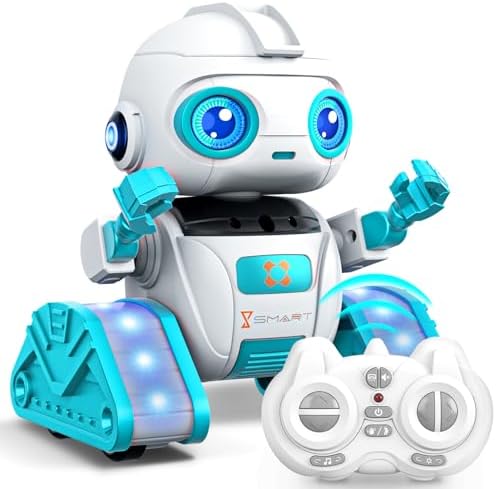


One of the primary benefits of employing a toy cleanup robot is the reduction of stress associated with toy clutter. Many parents feel overwhelmed by the constant need to organize and clean up after their toddlers, leading to a less enjoyable playtime atmosphere. By incorporating these robots into the household, parents not only alleviate their cleaning burdens but also promote a more organized space for their children to play, which can enhance creativity and reduce distractions.
Moreover, the use of toy cleanup robots fosters independence in toddlers. As children witness the robot autonomously tidying up their toys, they may be inspired to take part in their own cleanup efforts, learning the value of responsibility from an early age. As the integration of technology in home environments continues to evolve, the role of toy cleanup robots is one that presents numerous advantages for busy parents navigating the demands of parenthood.
Key Features to Consider in a Toy Pickup Robot
When selecting a robot for toy cleanup in toddler playrooms, several crucial features should be taken into consideration to ensure efficiency and user satisfaction. These features can significantly impact the robot’s performance and ensure it meets the family’s needs effectively.
First, size is an important factor. Compact robots are often more maneuverable, allowing them to navigate through tight spaces and reach into corners. This is particularly beneficial for playrooms that house various toys, enabling the robot to pick up smaller items that might otherwise be overlooked. A larger robot may have more storage capacity, but its ability to access hard-to-reach areas can be limited.
Next, battery life plays an integral role in the robot’s functionality. A longer-lasting battery ensures that the robot can perform its cleaning tasks without frequent interruptions. Parents should look for robots that offer efficient power management and quick charging options, ensuring they are ready when needed.
Sensor technology is another feature to prioritize. Advanced sensors allow the robot to detect obstacles and navigate effectively within the playroom environment. Moreover, some robots utilize infrared or camera-based sensing systems to identify different types of toys or clutter, optimizing the pickup process.
Smart mapping capabilities have gained popularity in the market, enabling robots to create a layout of the playroom. This allows them to adopt systematic cleaning patterns, ensuring no area is missed. One can also consider robots that provide customizable mapping, allowing users to specify zones for cleanup or avoidance.
Lastly, ease of use should not be overlooked. Toy pickup robots should have user-friendly interfaces, allowing parents to initiate cleaning cycles effortlessly. Features like remote control operation or smartphone apps can greatly enhance convenience.
Incorporating these features will help parents make informed decisions when selecting the ideal toy pickup robot for their children’s playrooms.
Top Robot Recommendations for Toddlers
Choosing the right robot for your toddler’s playroom can significantly enhance playtime while encouraging responsibility and organization. Below is a curated list of some of the best robots available, designed specifically for toddlers, along with their unique features and functionalities.
1. Playful Cleanup Bot
Designed for toddlers, the Playful Cleanup Bot features a friendly design that encourages children to engage with it. This robot is equipped with sensors that detect small toys scattered across the floor, allowing it to move towards them autonomously. The ease of use is a major advantage, as toddlers can simply press a button to activate it. However, its limitations include a shorter battery life, requiring frequent recharges.
2. Tiny Tidy Bot
Another excellent recommendation is the Tiny Tidy Bot, which is perfectly sized for young children. This robot not only cleans but also plays educational songs, making it a great dual-purpose toy. Its main feature is the interactive learning mode, which teaches toddlers about colors and numbers while functioning. On the flip side, its toy-collecting capacity might not accommodate larger playroom clutter.
3. Buddy Bot
The Buddy Bot is a particularly delightful option, featuring bright colors and child-friendly materials. It operates on both remote control and autonomous modes, giving toddlers the chance to direct it or let it operate independently. Its dual functionality is ideal for young children who enjoy interactive experiences. However, a notable downside is that it is slightly pricier compared to other models.
In exploring these robot options for toddler playrooms, the focus should remain on selecting a unit that not only assists in cleaning up but also promotes a fun and engaging environment for young children. Ensuring the robot is safe and designed for little hands is imperative when making your decision.
Safety Considerations
When selecting robots for toddler playrooms, safety must always be a top priority. Toddlers are naturally curious and often prone to accidents, making it essential that any robot toy is designed with specific safety features in mind. First, look for certifications from recognized safety organizations, such as the Consumer Product Safety Commission (CPSC) or ASTM International. These certifications indicate that the product has undergone rigorous testing and meets safety standards for children’s toys.
Additionally, it is vital to consider the materials used in the construction of the robot. Opt for robots made from non-toxic, BPA-free plastics that are durable yet safe for young children. Soft materials can further decrease risks of injury, particularly in case of falls or collisions during play. Avoid any robots with sharp edges or small parts that a toddler could easily swallow, as these can pose significant choking hazards.
Design features that contribute to safety include rounded shapes and proper weight distribution. A well-balanced robot can help prevent toppling, which reduces the risk of accidents as toddlers interact with the toy. Some robots come equipped with sensors that detect obstacles, ensuring that they navigate play areas without crashing into children or furniture, thus limiting the chances of injury.
In summary, prioritizing safety in the selection of robots for toddler playrooms is critical. By carefully evaluating certifications, materials, and specific design features, parents can choose robots that not only entertain but also contribute to a safe play environment for their toddlers.
Setting Up Your Toy Cleanup Robot
Establishing an effective setup for your toy cleanup robot is crucial to maximizing its efficiency and ensuring that it aligns well with your toddler’s playtime activities. The first step is determining an optimal location for the robot to operate. Choose a designated play area where toys are frequently scattered. This will help the robot function in its intended environment, allowing it to pick up small toys effectively.
Consider configuring the robot’s path to cover the entire space. Many modern toy cleanup robots come equipped with mapping technology, allowing them to learn the layout of your playroom. Use the accompanying app to set up virtual boundaries and designated cleaning zones. By doing so, you ensure that the robot operates within safe parameters and does not disturb valuable items or delicate furnishings.
Once the placement and configuration are complete, it’s important to educate your toddler on how to use the robot responsibly. Introducing your child to the toy pickup robot can transform cleanup time into a fun activity. Encourage them to participate in directing the robot’s movements. This not only enhances their understanding of technology but also fosters a sense of responsibility. You may find it helpful to establish a routine, such as tidying up toys together before transitioning to another activity or at the end of the day.
Demonstrating how the robot works can also promote curiosity and excitement in toddlers. Use games to make the learning process enjoyable. Celebrating successful cleanups together can reinforce positive behaviors, making it more likely that your toddler will engage with the robot willingly. Ultimately, with proper setup and education, the toy pickup robot can become an essential tool that aids in maintaining a tidy and organized play environment.
Maintaining Your Toy Cleanup Robot
To ensure that your toy cleanup robot operates efficiently and remains a reliable ally in tidying your toddler’s playroom, regular maintenance is essential. The following tips offer guidance on keeping your robot in optimal working condition.
First and foremost, perform routine cleaning on the robot itself. Dust and debris can accumulate on its sensors and wheels, which may affect its performance. Use a soft, dry cloth to wipe down the exterior and a small brush or a vacuum attachment to clean out any accumulated dirt from crevices. Pay special attention to the wheels, as dirt buildup may inhibit movement and efficiency.
Battery care is another critical aspect of maintenance. Always refer to the manufacturer’s instructions regarding charging intervals and storage conditions. Overcharging or letting the battery deplete entirely can shorten its lifespan. Regularly check the battery’s health and replace it when necessary to maintain peak performance.
Identifying common issues early can prevent more significant problems from developing. If your toy cleanup robot is not picking up toys as effectively as before, check for blockages in the suction area or empty the dust container. Additionally, listen for unusual sounds that might indicate mechanical issues. Addressing these concerns promptly can help avoid costly repairs and ensure consistent operation.
Lastly, keep an eye on software updates if your robot features smart technology. Updating the software can improve functionality and introduce new features that enhance the robot’s efficiency. By committing to these maintenance practices, you can optimize the lifespan and performance of your toy cleanup robot, thereby making playtime more enjoyable and organized for your little ones.
Common Challenges and Solutions
Integrating robots into toddler playrooms can be a highly beneficial endeavor, providing significant assistance in maintaining cleanliness and organization. However, families may encounter certain challenges while optimizing the functionality of these devices. One common problem is the issue of stubborn toys that may not be easily picked up by the robots. This often occurs when toys have irregular shapes or are made of lightweight materials. To address this, parents can opt for robots equipped with advanced sensors that can detect the shape and size of the toys, ensuring an efficient cleaning process.
Another challenge relates to robot navigation within crowded playrooms. Toys scattered across the floor can hinder a robot’s ability to move freely, leading to operational inefficiencies. A practical solution to this challenge involves creating designated play zones. By encouraging children to keep their toys within specific areas, families can minimize clutter, allowing robots to function effectively. Additionally, selecting a robot with a strong mapping capability can enhance navigation performance, helping it maneuver around furniture and other obstacles seamlessly.
Battery life is also an essential factor to consider. Playtime can be lengthy, and families may find their robots requiring frequent charging breaks. Opting for a robot with extended battery life or one that allows for quick charging is advisable. Moreover, establishing a regular charging schedule can ensure that the robot remains operational during peak playtimes.
In summary, while families may encounter challenges when integrating robots into playrooms, practical solutions are readily available. By choosing the right device and establishing effective organization strategies, families can effortlessly enhance their toddler’s playroom experience and maintain a clutter-free environment.
Comparative Overview of Robot Brands
In the competitive market of robotic toys designed for toddlers, several brands have emerged as leaders, each offering unique features and advantages. Notable among them are brands such as iRobot, LEGO Boost, and Anki. Each of these brands is recognized for its commitment to quality, innovation, and user satisfaction, catering specifically to the developmental needs of young children.
iRobot is renowned for its advanced robotics technology and has successfully translated its expertise into robotic toys. Their products often come equipped with features that promote interactive play, encouraging engagement while assisting in the organization of small toys. Customer reviews frequently highlight the effectiveness of iRobot toys in learning environments, making them a preferred choice for parents seeking educational benefits alongside entertainment.
LEGO Boost, on the other hand, combines the beloved LEGO building experience with robotics, allowing children to create and program their robots. This brand focuses on enhancing problem-solving skills and creativity. Unlike many competitors, LEGO Boost provides an engaging, hands-on approach to learning. The satisfaction rate among parents typically reflects positively on the learning outcomes experienced by their children.
In contrast, Anki offers a more playful and interactive experience with robots that respond to voice commands and movements. Despite the brand’s recent challenges, the existing products continue to receive acclaim for their entertaining and engaging nature. Warranty policies across these brands generally range from one to two years, indicating their confidence in product durability and performance.
Ultimately, parents need to consider factors like market reputation, warranty, and customer feedback when selecting a robotic toy. Understanding the distinctions between these leading brands will significantly aid parents in making informed decisions regarding the best robots for their toddlers’ playrooms.
Conclusion: The Future of Playroom Technology
As we look ahead, the integration of robotic technology within playroom environments is set to revolutionize the way families manage their daily routines. The capabilities of robots designed for toddlers extend beyond mere toy collection; they signify a shift toward smarter, more efficient household management. The emergence of these machines presents an innovative solution for parents tasked with the perpetual challenge of tidying up after playtime. Not only do these robots assist in maintaining cleanliness, but they also engage toddlers in ways that can enhance their learning and development.
The future of playroom technology is marked by advancements in artificial intelligence, which will allow robots to enhance their interactivity and responsiveness to children’s needs. For instance, robots equipped with voice recognition capabilities can follow simple commands, making it easier for toddlers to interact with them while learning responsibility in caring for their environment. Furthermore, as these technologies progress, we can expect mastery in differentiating between various toy types, resulting in more effective tidying processes.
Moreover, we anticipate an increase in the affordability of these robotic units, allowing broader access for families. As manufacturers compete to enhance design and functionality, options are likely to emerge that cater to diverse economic situations, thereby expanding the market reach of playroom robots. This democratization of technology facilitates an opportunity for families from all backgrounds to experience the benefits of robotic assistance in their homes.
In conclusion, the future of robotics in playroom spaces is not merely about enhancing convenience; it is about fostering a richer interactive environment for toddlers. By simplifying chores and encouraging participation, robots offer a promising glimpse into how technology can harmonize with parenting, ultimately supporting the development of our children while maintaining a tidy and organized play area.