

Introduction: The Rise of Automated Cleaning
In recent years, automated cleaning technology has gained significant traction among households, transforming the way we manage everyday cleaning tasks. With increasingly hectic lifestyles, the convenience offered by robotic devices has made them essential for many families. These gadgets have not only streamlined deep cleaning processes but have also minimised the time and effort individuals spend on tedious chores.
A common challenge that arises before engaging in regular vacuuming is the requirement for pre-cleaning—removing shoes, toys, and other items that may obstruct the vacuum’s path. This traditional expectation can be an obstacle for many users, as it often requires additional time and effort before the actual cleaning can commence. It is during this phase that the utility of automated cleaning robots truly shines. They not only take on the responsibility of vacuuming, but some sophisticated models are also designed to assist with the preliminary task of moving objects out of their way.

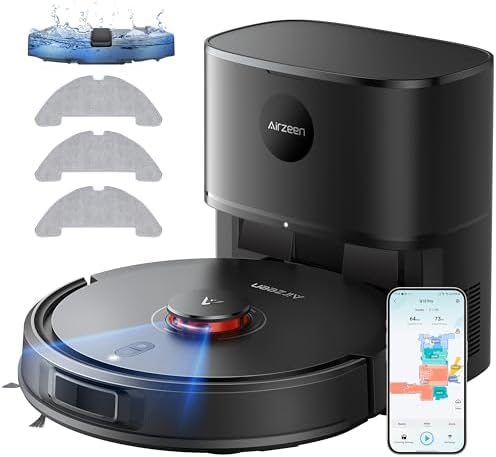

As such, the introduction of robots that can effectively engage in pre-cleaning might be exactly what busy households need. By combining the efficiency of automated vacuum cleaners with the capability to clear a space of obstacles, these robots are set to alleviate one of the most cumbersome aspects of home maintenance. As we delve deeper into the advancements and diverse options available in this arena, it becomes clear that the landscape of household cleaning is increasingly leaning towards automation—allowing families to reclaim their valuable time for more enjoyable pursuits.
The Importance of Pre-Cleaning for Effective Vacuuming
Pre-cleaning is a vital step in ensuring a thorough and effective vacuuming process in any household. Even with advanced vacuum technology, obstructions such as shoes, toys, and other items can significantly impede performance. When a vacuum encounters obstacles, it becomes less efficient, often resulting in missed spots and an incomplete clean. This emphasises the necessity of removing such items prior to vacuuming.
One of the common issues with vacuuming in home environments is that many households tend to accumulate various items on the floor. Toys left by children, shoes that are not put away, and even decorative items can clutter the floor space. These obstacles can cause vacuums to stall unexpectedly or veer off course, leading to areas being left unaddressed. For instance, small toys can clog the vacuum’s brush rollers, stopping it from functioning effectively. Similarly, shoes can impede the device’s path, causing it to halt and even potentially damaging the machine.
Moving furniture or smaller household items may appear cumbersome at times, yet it’s crucial for maximising the cleaning efficacy of your vacuum. Dust and debris can easily accumulate under and around furniture pieces, but without proper pre-cleaning, vacuums may not reach these hidden areas. Therefore, organising the environment before running a vacuum not only promotes better results but also safeguards the longevity of the equipment.
In summary, pre-cleaning is not merely a suggestion but an essential component of effective vacuum cleaning. By taking the time to clear the floor of common household items, one can enhance the performance of their vacuum, ensuring a complete and efficient clean every time.
How Robot Assistants Work to Prepare the Floor
Robot assistants designed to move objects before vacuuming are remarkable integrations of advanced technology that make household chores significantly easier. At the core of these robots are sophisticated sensors that allow them to navigate environments intelligently. These sensors can detect a variety of obstacles, such as shoes and toys, which need to be relocated for effective cleaning.
The technology behind these devices includes environmental recognition systems that utilise cameras and infrared sensors. These components work in tandem to create a real-time map of the area, allowing the robot to identify the layout of the room and the locations of items. Using machine learning algorithms, the robot continually improves its ability to recognise specific objects over time. This capability ensures that the robot can effectively identify and move household items that may obstruct its path.
Furthermore, these robots employ sophisticated navigation systems, often based on SLAM (simultaneous localisation and mapping) technology. This allows them to not only map their surroundings but also remember the positions of previously displaced items. When the environment changes, the robot can adapt its route accordingly, ensuring that its cleaning efficiency remains high. The interaction of various sensors, machine learning, and navigation mechanisms means that these robots are not merely following a predetermined path but are instead making informed decisions about how to prepare the floor for vacuuming.
As a result, these robots facilitate a cleaning process that minimises the time and effort required from users, ultimately enhancing the overall experience of maintaining a tidy home. By effectively relocating shoes and toys, they pave the way for comprehensive cleaning efforts, allowing the vacuum to operate unobstructed.
Top 5 Robots for Relocating Shoes and Toys
As households become increasingly busy, the need for efficient cleaning solutions has risen. Advancements in technology have led to the integration of robots that can assist in moving obstacles such as shoes and toys before the vacuuming process. Here are five highly rated robots that excel in this domain:
1. iRobot Roomba j7+
The iRobot Roomba j7+ is designed to recognise objects, including shoes and toys, ensuring they are relocated prior to vacuuming. With its advanced obstacle detection technology, this robot seamlessly navigates around your home. Its features include self-emptying capabilities, smart mapping, and compatibility with voice assistants. Priced between $849 and $899, it stands out for its precise object recognition.
2. Roborock S7
The Roborock S7 is a versatile robot vacuum that not only vacuums but also mops efficiently. Its intelligent object detection allows it to identify and avoid shoes and toys. It offers exceptional suction power, a 180-minute runtime, and can be controlled via a smartphone app. Priced around $649, it excels due to its multiple cleaning modes and robust battery life.
3. Ecovacs Deebot T8 AIVI
This model distinguishes itself with its AIVI (Artificial Intelligence and Visual Interpretation) technology, which helps it analyse the environment and move objects before cleaning. The T8 AIVI can also mop and features strong suction capability. Competing within the $499-$699 price range, it is notable for its effective dual cleaning functionality.
4. Neato Botvac D7 Connected
The Neato Botvac D7 utilises laser-guided mapping to create a detailed map of your space, allowing it to navigate effectively around shoes and toys. Its unique D-shape design enhances corner cleaning, and its powerful suction makes it suitable for homes with pets. Priced between $599 and $749, it stands out due to its extensive connectivity options.
5. Shark IQ Robot Self-Emptying
This robot vacuum offers self-emptying capabilities, along with the ability to avoid obstacles such as footwear and toys. It features a self-cleaning brush system and a high-efficiency filter, making it ideal for homes with pets. The price ranges from $399 to $599, making it a cost-effective option in this category.
Comparing Features: What to Look for in Cleaning Robots
When selecting a robot designed to relocate items such as shoes and toys before vacuuming, several key features should be carefully considered to ensure it meets your specific household needs. One critical factor is the size of the robot. A compact robot can navigate through tight spaces and under furniture, making it effective in smaller living environments. Conversely, larger robots may offer more power but could struggle in confined areas.
Weight is another important consideration. Lighter robots are easier to manoeuvre and relocate if they get stuck or need to be repositioned. It’s advisable to check the weight specifications, especially if you plan to move the robot between rooms frequently.
Battery life plays a significant role in a robot’s efficiency. Ideally, look for a cleaning robot with extended battery capabilities, allowing it to complete an entire cleaning cycle without interruption. Some models offer features like quick charging, which can be advantageous for busy households.
Robust navigation capabilities are also essential, as these robots must effectively identify and navigate around obstacles. Advanced models utilise sensors and mapping technology to create efficient cleaning paths, thus ensuring that fewer items are displaced during the process. Look for robots that feature smart mapping technology, which can learn your home’s layout over time.
Lastly, consider whether the cleaning robot supports smart home integration. Many modern models can connect to smart home systems, allowing for voice commands and scheduled cleaning through smartphone apps. This feature can significantly enhance convenience, adapting to your lifestyle with ease.
By evaluating these features—size, weight, battery life, navigation capabilities, and smart home integration—you can make an informed decision when choosing a cleaning robot that best suits your household needs.
User Experiences and Testimonials
As consumers increasingly integrate robotic vacuum cleaners into their households, numerous anecdotes and testimonials provide insights into the effectiveness of these devices in managing everyday cleaning tasks. Many users report significant time savings after incorporating robots that can not only vacuum the floors but also move shoes and toys out of their way. For instance, a satisfied user shared how their robot vacuum has transformed their cleaning routine, claiming it manages to efficiently relocate scattered toys effortlessly before commencing its cleaning schedule, allowing them to focus on more pressing activities rather than pre-cleaning.
Another user highlighted the robot’s effectiveness in reducing the workload associated with pet hair removal. This homeowner described how the device navigated smoothly around obstacles while ensuring a thorough clean, ultimately allowing them to spend more leisure time with their pets. Positive feedback such as this showcases how these robots can be particularly advantageous for families juggling hectic schedules.
However, the experiences are not universally positive. Some users have encountered challenges with the robot’s ability to detect certain objects, particularly smaller toys that may be overlooked by the sensors. One user expressed frustration when their robot vacuum repeatedly got stuck on a toy, requiring intervention and manual relocation of the items. Others pointed out that while the convenience is apparent, there can be a learning curve associated with programming and scheduling these devices to perform optimally.
Overall, the testimonials reveal a mix of enthusiasm and realistic expectations. Users appreciate the labour-saving aspect of these robotic vacuums, though they recognise that certain limitations exist, necessitating occasional manual oversight of the cleaning environment. Such feedback underscores the value of continued innovation in the field of home robotics, hinting at a bright future where these devices can further enhance our daily routines.
The Cost of Convenience: Are They Worth It?
Investing in robotic devices that aid in household cleaning processes has become increasingly popular. These devices, specifically designed to move shoes and toys prior to vacuuming, promise to save time and enhance cleaning efficiency. However, before making a purchase, understanding the financial implications of such an investment is crucial.
The initial cost of these robotic cleaners can vary significantly. Budget-friendly models may range from $150 to $300, offering basic functionality suitable for smaller living spaces or less demanding cleaning needs. On the other hand, high-end models can reach upwards of $1,000, featuring advanced mapping capabilities, integration with smart home systems, and superior suction power. While these devices can seem costly upfront, it is essential to weigh these costs against the time and effort saved over the long term.
One significant consideration is the time saved by eliminating the need for manual pre-cleaning. According to studies, the average household spends approximately 30 minutes to an hour weekly on pre-cleaning tasks, such as moving toys or shoes out of the way. By investing in a robotic device, homeowners may reclaim this time, allowing them to engage in other activities. Over a year, these time savings can equate to significant value, particularly for busy families or professionals.
Moreover, the increased efficiency of these devices can lead to better overall cleanliness, potentially reducing the need for additional cleaning services or products. Regular use of robotic cleaners can foster a more consistently clean environment, thus preserving the condition of carpets and flooring, which may save on future repair or replacement costs.
Ultimately, assessing the worth of these robotic devices requires careful consideration of individual lifestyle needs and financial capability. For those who value convenience and time-saving technology, the investment may very well pay for itself in both saved labour and increased quality of life.
Maintenance and Care for Your Cleaning Robots
Proper maintenance and care are essential to ensure that your cleaning robots function efficiently and have a long lifespan. Conducting regular routine checks will not only optimise performance but also help to avoid unexpected malfunctions. One of the first tasks on your maintenance checklist should be cleaning the sensors. Robots rely on these sensors for navigation and obstacle detection, making their cleanliness crucial. Gently wipe them down with a microfibre cloth to prevent dust accumulation, ensuring that precise navigation is maintained.
Another important aspect of robot upkeep involves emptying the dustbin. Frequent emptying is particularly vital if you have pets or a high-traffic household, as a full dustbin can impede suction power and overall performance. It is recommended to check and empty the dustbin after every cleaning session or at least once a week. Additionally, inspect the filters and replace them as per the manufacturer’s guidelines to maximise filtering efficiency and avoid overheating.
Software updates are also a key component of maintenance that is often overlooked. Manufacturers may periodically release firmware or software updates that improve the robot’s functionality, introduce new features, or address bugs. Accessing the robot’s companion app or the manufacturer’s website will help you stay informed about available updates. Keeping your robot up to date enhances its capabilities and ensures that it operates effectively.
Troubleshooting common issues can also be straightforward if you know what to look for. If your robot is having difficulty navigating, ensure that the sensors are clean and that there are no obstructions in its path. If it fails to charge, check the charging dock for debris. Familiarising yourself with these simple maintenance tasks will go a long way in extending the life of your cleaning robot and ensuring it performs at its best.
Conclusion: Embracing the Future of Cleaning
As technology continues to advance, the integration of robots into household cleaning routines offers significant advantages, particularly in the realm of pre-cleaning. With the emergence of robots designed to assist with moving shoes, toys, and other obstacles before vacuuming, the cleaning process has become notably more efficient. These innovative machines not only save time and effort but also enhance the effectiveness of vacuuming by ensuring that cleaning surfaces are straightforward and unobstructed.
The benefits of utilising robots for pre-cleaning extend beyond mere convenience. They promote a more systematic and thorough tidying process, allowing users to maintain a higher level of cleanliness in their homes with minimal manual intervention. This automation reduces the physical demand of household chores, which can lead to reduced stress levels and an improved quality of life for individuals and families alike. Moreover, the incorporation of such technology can help households manage time better, freeing up valuable hours that can be spent on more enjoyable activities.
Considering the advantages these robots provide, it is clear that embracing automation in cleaning does not merely modernise the task; it transforms the entire cleaning experience. By incorporating robots that facilitate pre-cleaning into your cleaning routine, you willingly embark on a journey towards simplifying your chores, resulting in a home that is not only cleaner but also more enjoyable to live in. As you contemplate enhancing your cleaning regimen with such innovative solutions, remember that the future of cleaning lies in balancing technology with everyday living.