
Introduction to Proactive AI Speakers
Proactive AI speakers represent a significant leap in the evolution of voice-activated technology, shifting from simple command-response systems to sophisticated devices that anticipate user needs. Initially, traditional AI speakers were designed primarily to respond to direct commands, to play music, answer questions, or control smart home devices upon request. Their functionalities were limited, relying heavily on reactive engagement with the user. However, technological advancements have transformed these devices into proactive companions capable of offering personalized experiences.
The development of machine learning and natural language processing has enabled proactive AI speakers to understand contextual cues and user behavior more effectively. These systems can now learn from past interactions, analyze user preferences, and anticipate requests accordingly. For instance, a proactive AI speaker may suggest reminders based on the time of day, propose playlists based on previous listening habits, or even adjust home lighting proactively as it learns the resident’s routine. This anticipatory capability makes interactions smoother and enhances user satisfaction.



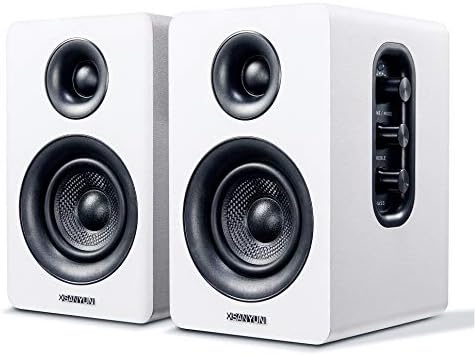

Furthermore, proactive AI speakers are becoming more integrated into daily lives, functioning as intelligent assistants that seamlessly blend into various activities throughout the day. They can help manage schedules, provide timely updates on weather and traffic, and engage users with personalized content recommendations. Such features illustrate how these devices have evolved into pivotal tools in enhancing productivity, organization, and overall quality of life. As this technology continues to advance, the potential applications and functionalities of proactive AI speakers promise to redefine how we integrate artificial intelligence into our daily routines.
The Technology Behind Proactive AI
Proactive AI speakers have emerged as sophisticated devices revolutionizing how we interact with technology, primarily through their underlying technologies. The synergy of machine learning, natural language processing (NLP), and data analytics is fundamental to their functionality. Machine learning plays a pivotal role in enabling these devices to adapt and evolve based on user interactions. By leveraging algorithms that learn from patterns and behaviors, proactive AI speakers enhance their capabilities, delivering personalized experiences tailored to individual preferences.
Natural language processing is another cornerstone of proactive AI technology. NLP allows these devices to comprehend and interpret human language effectively, facilitating seamless communication. As users engage with these speakers, the AI systems utilize NLP to understand context, intent, and emotion, ensuring accurate responses to queries and commands. This capability not only enhances user satisfaction but also fosters an intuitive interaction model, making technology feel more accessible.
Furthermore, data analytics empowers proactive AI speakers by enabling them to gather, analyze, and derive insights from user data. This continuous learning process ensures that the devices not only respond to commands but also anticipate user needs. By analyzing past behaviors, preferences, and routines, proactive AI speakers can suggest relevant actions, reminders, or content tailored to the user’s lifestyle. This data-driven approach significantly improves service delivery, transforming these speakers into valuable assistants that enhance daily routines.
Incorporating these advanced technologies, proactive AI speakers are not merely reactive tools; they are evolving systems that proactively enhance user experiences. As these technologies continue to advance, we can expect even greater integration of AI in our daily lives, making technology an indispensable part of our routines.
Everyday Applications: How Proactive AI Speakers Assist Us
Proactive AI speakers have revolutionized the way we interact with technology in our daily lives, providing an array of practical functionalities that seamlessly integrate into our routines. One of the most significant applications of these devices is personal assistance in managing our schedules. By utilizing voice commands, users can easily set appointments and receive reminders about important events. This helps in reducing the cognitive load associated with scheduling, enabling users to focus on more critical tasks.
In addition to managing calendars, proactive AI speakers can aid in everyday reminders such as taking medication, drinking enough water, or completing household chores. These reminders can be customized and scheduled according to user preferences, ensuring that individuals stay organized and maintain their daily routines without much mental effort. The ability to provide timely notifications enhances productivity and promotes healthier lifestyle choices.
Another noteworthy application is the control of smart home devices. Proactive AI speakers serve as centralized hubs for various connected technologies, allowing users to control lights, thermostats, and security systems with simple voice commands. This integration greatly enhances convenience, enabling individuals to create a comfortable living environment tailored to their preferences, all while saving time and energy.
Moreover, proactive AI speakers can assist in gathering information quickly. If a user wishes to know the latest news, the weather forecast, or answers to specific queries, these devices can provide responses without requiring extensive effort from the user. They not only act as sources of information but also as companions that engage in dialogue and assist in various tasks.
Overall, the integration of proactive AI speakers into everyday life significantly transforms the way individuals manage their time, responsibilities, and environments, illustrating the profound impact of technology on our daily routines.
Benefits of Using Proactive AI Speakers
Proactive AI speakers have emerged as significant game-changers in enhancing daily routines for individuals and families. One of the primary benefits they offer is improved productivity. By employing voice-activated commands, users can manage their tasks more efficiently, enabling multitasking without the need for manual inputs. This seamless interaction promotes a smoother flow of daily activities, allowing people to focus on what truly matters.
In addition to productivity, proactive AI speakers significantly enhance time management. By utilizing features such as reminders, timers, and calendar integration, these devices help users stay organized and on track. For instance, a family can set up a morning routine that includes reminders for breakfast time, appointments, and even traffic updates for commutes. This structured approach empowers users to maximize their time, minimizing stress and distractions throughout the day.
Convenience is another hallmark of proactive AI speakers. These devices can control smart home technology, allowing families to adjust lighting, temperature, and security systems using just their voices. Such features foster a more comfortable living environment, as users can easily create the desired ambiance without having to move around the house. Moreover, proactive AI speakers learn from user preferences, offering personalized suggestions for music, news, and entertainment that further enrich the user experience.
Ultimately, the integration of proactive AI speakers into daily life enhances the overall quality of life. By streamlining tasks, facilitating better time management, and improving convenience, these devices help users to lead more balanced and fulfilling lives. As more households adopt this technology, the positive impact on daily routines is projected to grow exponentially.
Challenges and Limitations
As the integration of proactive AI speakers into daily life becomes more prevalent, it is crucial to acknowledge the challenges and limitations that accompany this technology. While these devices offer convenience and efficiency, they also raise significant concerns regarding privacy and data security. The functionalities of proactive AI speakers often rely on continuous listening and data collection, inherently creating a need for vigilance around user privacy. There is apprehension that sensitive information could be captured inadvertently or misused by third parties, presenting a dilemma for users who value both convenience and privacy.
Moreover, data security is a growing concern in the realm of proactive AI speakers. With the vast amount of personal data they collect, manufacturers must implement robust security measures to prevent unauthorized access and potential breaches. Instances of data being exposed or stolen can diminish users’ trust in these devices, leading to hesitance in adoption and consistent usage. Continuous advancements in technology necessitate that consumers are educated on how their data is handled, stored, and protected. Without transparency, the peace of mind that users seek may be undermined.
Another factor to consider is the reliance on technology that proactive AI speakers encourage. As people increasingly depend on these devices for various tasks, there is a risk of diminishing their own problem-solving skills and autonomy. The convenience provided by such speakers may inadvertently lead to over-reliance, causing individuals to withdraw from engaging with their environment. Finding a balance between leveraging these advanced tools and maintaining personal capabilities is essential in ensuring that technology enhances rather than replaces our daily routines.
User Experience and Engagement
The interaction between users and proactive AI speakers is a significant factor in enhancing overall user experience. These devices are designed to be more than just passive listeners; they actively engage with users, anticipate their needs, and provide timely assistance. This proactive approach fosters a sense of convenience and efficiency, which is increasingly demanded in today’s fast-paced lifestyle. Users often report high satisfaction levels with such AI speakers due to their ability to understand complex commands and respond appropriately, thereby improving daily routines.
Intuitive interfaces play a critical role in the user experience of proactive AI speakers. A well-designed interface ensures that users can easily access features and functionalities without extensive tutorials or manuals. The user-friendly nature of these devices allows individuals of varying tech-savviness to interact with the speaker effortlessly. By minimizing the learning curve, developers have created an inviting environment where users feel comfortable exploring all capabilities, resulting in higher engagement rates and overall satisfaction.
Feedback systems integrated into proactive AI speakers further enhance user engagement. These systems enable users to provide immediate feedback, informing developers of any issues or desired improvements. This two-way communication fosters a relationship of trust and responsiveness between the user and the technology. Regular updates based on user feedback not only enhance the functionality of the speakers but also demonstrate to users that their opinions are valued. Consequently, this dynamic creates an evolving product that remains relevant and continuously improves user engagement.
The Future of Proactive AI Speakers
The landscape of personal technology is evolving rapidly, with proactive AI speakers at the forefront of this change. The future of these devices is intertwined with advancements in artificial intelligence, machine learning, and natural language processing. As these technologies progress, we can expect AI speakers to become even more intuitive and responsive, transforming the way we interact with them.
One significant trend that is expected to shape the future of proactive AI speakers is the integration of context-aware computing. These devices will improve in their ability to understand context, enabling them to provide more relevant information and assistance based on users’ habits, preferences, and environmental cues. For example, an AI speaker might initiate reminders about appointments or even suggest a recipe based on what ingredients are available in the user’s kitchen, enhancing daily routines significantly.
Moreover, advancements in voice recognition technology will further personalize interactions with AI speakers. Future iterations are likely to recognize individual voices and adapt their responses accordingly, allowing for tailored experiences that understand and respond differently to each family member’s requests. This could foster a deeper sense of companionship and exclusivity in the use of technology.
Additionally, as more smart devices become interconnected through the Internet of Things (IoT), proactive AI speakers will likely serve as central hubs for home automation. They may not only execute commands but also anticipate users’ needs by controlling lights, temperature, and security systems based on learned patterns of behavior. As smart homes evolve, proactive AI speakers may become indispensable components of daily living.
In conclusion, the trajectory of proactive AI speakers points toward a future where they are far more than mere voice assistants. These devices are set to enhance our daily routines through increased personalization, intuitive interactions, and the seamless integration of smart technology, transforming how we engage with our living spaces.
Comparative Analysis with Traditional AI Assistants
The evolution of artificial intelligence (AI) has led to the emergence of proactive AI speakers, which present a distinct advancement over traditional AI assistants. Traditional AI assistants operated primarily on user command mechanisms, requiring explicit wake words or prompts for every interaction. They functioned by reacting to user input in a largely passive manner, performing tasks based on predefined responses and capabilities. In contrast, proactive AI speakers are designed to anticipate user needs and engage in contextual conversations with minimal user intervention.
One of the key differences between traditional AI assistants and proactive AI speakers is their level of user interaction. Traditional models relied heavily on user-driven commands and queries. This required users to remember specific phrases, leading to potentially frustrating experiences when the assistant failed to understand the command. In contrast, proactive AI speakers are equipped with advanced contextual awareness, enabling them to recognize patterns in user behavior and preferences. This capability allows them to provide recommendations or reminders without the user needing to initiate the interaction.
Furthermore, the responsiveness of proactive AI speakers enhances their utility in daily routines. For instance, traditional assistants required a clear start-and-stop model of interaction, whereas proactive speakers can operate continuously in the background, integrating seamlessly into the user’s environment. This means they can provide real-time updates, alerts, or even engage the user with tailored content that is relevant to their ongoing activities or interests. The shift from a reactive to a proactive model reflects a significant leap in AI technology, showcasing an ability to enhance convenience and efficiency in users’ daily lives.
Conclusion: Embracing the Proactive Revolution
As we have explored throughout this discussion, proactive AI speakers are becoming integral to modern daily routines. These advanced devices are transforming how we interact with technology, effectively moving beyond simple wake words to anticipate our needs and enhance our productivity. By integrating contextual awareness and machine learning capabilities, proactive AI speakers offer a more intuitive and responsive experience. This shift towards a proactive approach represents a significant leap forward from traditional voice assistants, allowing users to benefit from increased efficiency and convenience in their day-to-day activities.
The versatility of these devices cannot be overstated. They do not only serve as mere platforms for entertainment; rather, they are instrumental in managing reminders, controlling smart home devices, providing real-time information, and facilitating communication. This multifaceted functionality positions proactive AI speakers as valuable allies in achieving a more streamlined lifestyle. The proactive nature of these technologies means they are not just reactive to commands but are also capable of initiating interactions that can enhance our daily experiences.
In conclusion, embracing the proactive revolution of AI speakers can lead to significant improvements in our personal and professional lives. As these innovations continue to evolve, it is essential for users to explore their full potential. By incorporating proactive AI speakers into our routines, we open ourselves to a world of possibilities that can help us navigate the complexities of modern life more effectively. The transition to these intelligent systems signals an exciting new era where technology not only responds to our requests but also assists in shaping a better, more organized future.