
Introduction to AI-Powered Air Purifiers
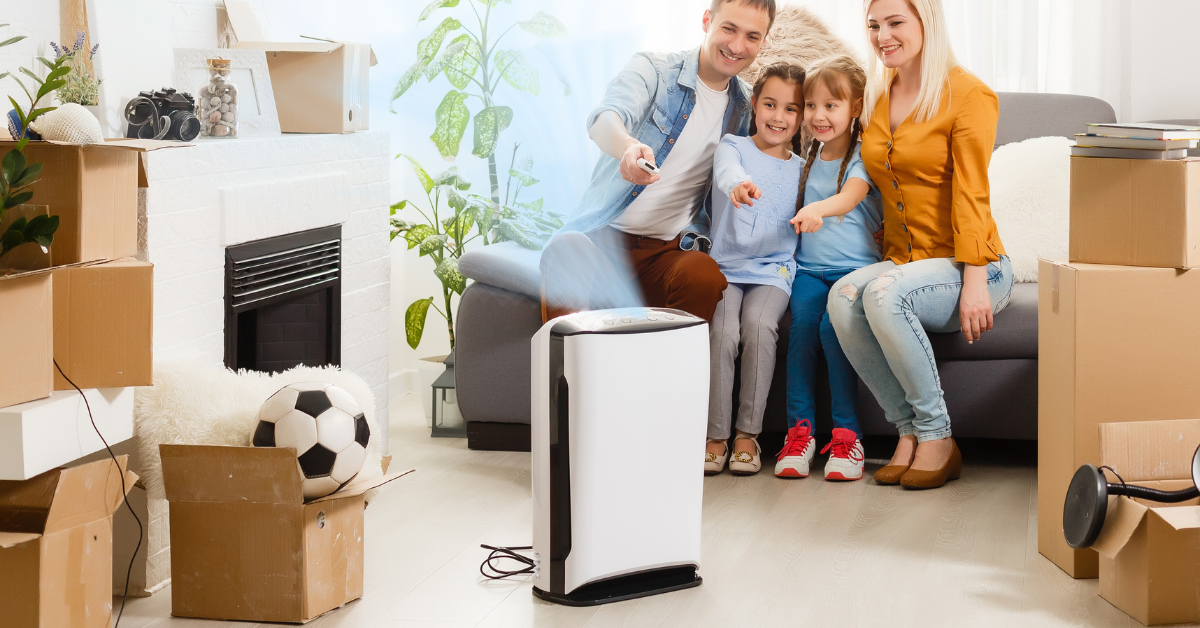
The rapid advancement of technology has paved the way for innovative solutions aimed at improving indoor air quality, particularly through the development of AI-powered air purifiers. These intelligent devices leverage advanced artificial intelligence capabilities to monitor, analyse, and adapt to environmental changes, thus ensuring optimal air purification. By assessing various factors such as particulate matter, humidity, and the presence of allergens, AI-driven air purifiers can dynamically adjust their functionality to meet the specific needs of the space they inhabit.
The importance of air quality control cannot be overstated, especially for individuals suffering from allergies. Allergens such as pollen, dust mites, and pet dander can trigger significant discomfort and respiratory challenges. Traditional air purifiers may lack the adaptive intelligence necessary to respond to varying pollutant levels effectively; however, AI-powered models excel in this area. These smart devices are equipped with sensors that continuously gather data about air quality, allowing them to initiate cleaning processes only when needed. This efficiency not only conserves energy but also improves the lifespan of the purifier.


Furthermore, AI-powered air purifiers often come with sophisticated features like customisable settings, real-time air quality feedback, and even remote monitoring through smartphone applications. These functionalities enhance user engagement, providing individuals with the ability to track air quality changes instantly and make informed decisions regarding their indoor environment. As allergy seasons become increasingly challenging due to climate change and urban pollution, the integration of AI technology into air purification represents a significant step forward in combating allergens and promoting healthier living spaces.
Understanding Allergies in 2026
The allergy landscape of 2026 is expected to be significantly influenced by various environmental factors. One of the most critical elements contributing to this rise in allergy prevalence is climate change. Altered weather patterns and increasing temperatures are likely to extend the pollen season, leading to heightened exposure for sensitive individuals. Warmer climates can promote the growth of allergenic plants, resulting in increased pollen counts that affect a larger population.
Moreover, environmental pollutants play a pivotal role in escalating allergic reactions. Studies demonstrate that particulate matter and other contaminants can exacerbate respiratory issues, making individuals more susceptible to allergies. As urban areas continue to expand and industrial activity rises, the accumulation of air pollutants is likely to challenge public health, particularly during peak allergy seasons.
Additionally, anthropogenic factors have contributed to changes in flora and fauna, affecting the types of allergens present in the environment. As species adapt to shifting climates, the introduction of new plant species may further complicate allergy management. For instance, invasive species that thrive in warmer conditions may introduce unfamiliar allergens into local ecosystems, heightening risks for allergy sufferers.
Furthermore, the contemporary lifestyle trends, such as increased time spent indoors, have ramifications on exposure levels. Poor indoor air quality, stemming from inadequate ventilation and the use of synthetic materials, can lead to the accumulation of allergens like dust mites and mould. Consequently, the interplay between outdoor allergens and indoor allergens necessitates a comprehensive approach to mitigate allergic reactions.
As we approach this increasingly challenging allergy season, the significance of advanced air purification systems becomes unmistakable. Innovative air purifiers can assist in combating these evolving challenges by filtering out allergens, improving overall air quality, and providing relief for individuals susceptible to allergic reactions. These advanced interventions will be crucial in fostering better health outcomes in an era marked by escalating allergy rates.
Criteria for Choosing the Best Air Purifier
When selecting an air purifier, especially in the context of heightened allergy seasons, several critical criteria must be considered to ensure the best choice. One of the foremost factors is filtration efficiency. The ability of an air purifier to remove allergens, dust, pollen, and other particulates is paramount. Look for models equipped with HEPA filters, as these are proven to trap at least 99.97% of particles that are 0.3 microns in size. Additionally, consider air purifiers with activated carbon filters to effectively neutralise odours and chemical pollutants.
Smart features also play a pivotal role in enhancing the usability of air purifiers. Today’s advanced models often come with Wi-Fi connectivity, allowing remote operation via smartphone apps. These smart options may include air quality sensors that display real-time data and automatically adjust the purification settings based on surrounding air quality. An intuitive user interface complements these features, making it easier for individuals to monitor and control their purifiers efficiently.
In terms of maintenance, selecting an air purifier with easily replaceable filters and a manageable cleaning schedule is advisable. Reviewing the manufacturer’s recommendations concerning filter lifespan and maintenance frequency can save time and money in the long run. Furthermore, examining the noise levels of an air purifier is essential, particularly for those who plan to operate the device in bedrooms or quiet areas. Models with adjustable fan speeds or a sleep mode will minimise disturbances at lower settings.
By considering these essential criteria—filtration efficiency, smart features, maintenance requirements, noise levels, and user-friendly interfaces—consumers can navigate the myriad options available and select an air purifier that suits their specific needs. This informed approach will significantly contribute to managing allergies more effectively during challenging seasons.
When reviewing the top AI-powered air purifiers for the 2026 allergy season, a systematic approach was adopted to ensure the selection of only the most effective and reliable products available in the market. The criteria set forth for evaluating each air purifier centred on four crucial elements: effectiveness, technological enhancement, user feedback, and value for money, providing a well-rounded perspective on their capabilities.
To assess effectiveness, we analysed the purifiers’ ability to remove allergens, particulate matter, and volatile organic compounds (VOCs) from indoor air. Performance tests, including CADR (Clean Air Delivery Rate) ratings, were compared to determine how efficiently each device could purify air in various room sizes. Specifically, we focused on products that excelled in allergen removal, considering seasonal variations that may influence performance.
The technological aspect encompassed advanced features such as AI integration, smart sensors, and connectivity options, which significantly contribute to user convenience and system efficiency. Our evaluation scrutinised how these technologies enhanced air quality monitoring and filtration processes, providing real-time data and alerts on indoor air quality fluctuations.
User feedback was gathered through comprehensive online reviews, customer testimonials, and expert analyses. This qualitative data allowed us to understand user experiences, including ease of use, maintenance demands, and overall satisfaction. High ratings from users who experienced improved allergy symptoms further validated our product selections.
Finally, value for money was assessed through a cost-benefit analysis, looking at the initial purchase price, filter replacement costs, and energy efficiency ratings. A product deemed worthy must not only perform effectively but also offer sustainable long-term benefits without excessive additional expenses. By employing this methodology, we created a nuanced and balanced view of the most impactful AI-powered air purifiers for allergy mitigation in 2026.
Top 5 AI-Powered Air Purifiers for 2026
As allergy seasons become increasingly challenging, particularly in 2026, selecting an effective air purifier can significantly enhance indoor air quality. Below is a curated list of the top five AI-powered air purifiers that stand out in this regard, each meticulously designed to combat allergens.
1. Dyson Purifier Cool TP01
The Dyson Purifier Cool TP01 is renowned for its sleek design and advanced HEPA filtration. It captures 99.97% of allergens, including pollen and dust mites. The integrated AI technology adjusts the fan speed according to the air quality, ensuring optimal purification. However, it is relatively expensive compared to other models.
2. Coway Airmega 400S
This model features a dual filtration system with both a pre-filter and a HEPA filter. The Coway Airmega 400S is equipped with smart mode capabilities that automatically regulate the purifier’s operation based on environmental conditions. Its energy-efficient performance is one of its significant advantages, although its noise level may increase at higher settings.
3. Blueair Blue Pure 211+
The Blueair Blue Pure 211+ utilises a three-stage filtration system that captures a variety of particles, including airborne allergens. The unique design and range of colour options make it an aesthetically pleasing addition to any room. Nonetheless, it lacks some of the advanced smart features present in competitors.
4. Levoit Core 600S
This air purifier offers a powerful airflow and a high Clean Air Delivery Rate (CADR), which is essential for combating allergens quickly. The Levoit Core 600S incorporates smart technology, allowing for remote control via a mobile app. Nonetheless, its larger size may not be suitable for smaller spaces.
5. Winix 5500-2
The Winix 5500-2 is equipped with a true HEPA filter along with plasma wave technology that attacks allergens. Its smart sensors intelligently monitor and adapt to air-quality changes. However, some users report that the machine’s size is bulky, potentially limiting placement options in compact areas.
These air purifiers are exemplary solutions tailored to tackle the allergy challenges of 2026, providing unique features aimed at enhancing air quality and minimising allergic reactions. The varying choices ensure that individual needs and aesthetic preferences are satisfied effectively.
To effectively navigate the myriad of choices available for air purifiers, a comparative analysis of the top five AI-powered models is essential. These purifiers stand out based on their filtration systems, smart technologies, noise levels, and pricing, providing potential buyers with a clearer understanding of what each unit brings to the table.
Filtration Systems: The heart of any air purifier is its filtration system. Model A features a true HEPA filter combined with activated carbon for superior pollutant capture, claiming to remove 99.97% of particles down to 0.3 microns. Model B integrates UV-C light technology, ensuring that biological contaminants are effectively neutralised. Model C, on the other hand, utilises a combination of pre-filters and an H13 HEPA filter, making it particularly effective against allergens and fine dust. Each model presents unique strengths based on the filtration technology employed.
Smart Technologies: Connectivity is becoming increasingly important in modern air purifiers. Model D offers an intuitive app that allows users to monitor air quality in real-time, while Model E incorporates voice control functionalities through popular smart home systems. These smart features enhance usability, allowing for automated operation based on detected air quality levels. When evaluating smart technologies, the ease of use and feature richness should be considered alongside filtration effectiveness.
Noise Levels: Quiet operation is crucial, particularly in residential settings. Model A operates at a whisper-quiet 22 dB on its lowest setting, making it ideal for bedrooms. Conversely, Model E generates a slightly higher 45 dB, which might be distracting during nighttime use. The ideal choice may depend on individual sensitivity to noise and personal requirements for peace during operation.
Pricing: Finally, it is important to assess the price point. While Model B is the most affordable option available, offering excellent value, Model C, despite its higher cost, justifies it through advanced features and superior filtration technology. Potential buyers must weigh the benefits against their budgetary constraints.
User Experiences and Testimonials
For many individuals dealing with allergies, the use of AI-powered air purifiers has become a transformative experience. Users have reported significant improvements in their indoor air quality, leading to a marked reduction in allergy symptoms such as sneezing, itchy eyes, and respiratory discomfort. One repeated theme among testimonials is the effectiveness of these purifiers in capturing airborne allergens like pollen, dust, and pet dander.
Many users appreciate the convenience features these devices offer, including smart technology that adjusts purification levels based on real-time air quality readings. For instance, an owner of a leading model shared that the device automatically increased its fan speed during peak pollen seasons, providing peace of mind in managing her allergy symptoms. This adaptability has been highlighted as a key benefit by several users, reinforcing how AI technology enhances the functionality of air purifiers.
Another common sentiment expressed is the noticeable change in the overall atmosphere of their homes. Many customers have described the air quality improvement as refreshing, and a notable decrease in odours and dust has been consistently mentioned. One user commented on how they could finally keep their windows open without fear of worsening their allergies.
Moreover, users have remarked on the low maintenance requirements of these advanced air purifiers. With longer filter life and reminder systems for replacements, individuals have found it easier to maintain a consistently healthy environment. While some customers expressed initial concerns about the price, most concluded that the long-term health benefits and enhanced quality of life were worth the investment.
In summary, user experiences with AI-powered air purifiers illustrate their effective role in alleviating allergy symptoms, and the testimonials emphasise their user-friendly features, resulting in a cleaner, healthier living space.
Maintenance Tips for AI-Powered Air Purifiers
To ensure optimal performance from your AI-powered air purifier, regular maintenance is crucial. By following a systematic approach to upkeep, you can enhance its effectiveness in maintaining air quality, particularly during the challenging allergy seasons typical in 2026.
First and foremost, regularly check and replace filters according to the manufacturer’s recommendations. Most air purifiers feature filters that can become clogged with dust, pollen, and other airborne particles, compromising their efficiency. Depending on usage and environmental factors, you should plan to inspect filters every month and replace them at intervals ranging from three to six months. Utilising HEPA filters is advisable, as they are particularly efficient in capturing allergens.
Additionally, maintaining the unit’s exterior and interior is essential. Dust any external surfaces with a damp cloth to prevent dirt buildup that could hinder performance. For internal maintenance, consult the user manual on how to safely disassemble the unit. Pay special attention to cleaning the sensors and fans, as they can accumulate debris over time, affecting the air purifier’s ability to function optimally.
Another key aspect is monitoring the air quality readings provided by the AI features of the purifier. If you notice unusual fluctuations or warning lights, consult the troubleshooting section of the manual. Common issues may include faulty sensors, inappropriate settings, or even outdated software. Implementing regular updates to the internal software can also enhance functionality and resolve minor bugs.
In summary, maintaining your AI-powered air purifier involves regular filter replacements, routine cleaning, and monitoring performance. Adopting these practices will not only extend the life of your device but will also ensure effective operation throughout allergy seasons and beyond.
Conclusion and Recommendations
As we have explored, the onset of allergy seasons in 2026 is likely to present formidable challenges, demanding effective solutions to safeguard health and well-being. AI-powered air purifiers emerge as critical allies in this context, combining advanced filtration technologies with intelligent monitoring systems that adapt to environmental changes. These devices can significantly reduce airborne allergens, such as pollen, dust mites, and pet dander, thereby creating healthier living spaces.
Throughout this article, we highlighted five exceptional AI-driven air purifiers. Each product offers unique features designed to address specific allergy triggers, ensuring that consumers can find the right match for their needs. These devices not only purify the air but also provide real-time feedback on air quality, allowing for immediate adjustments based on user requirements. Furthermore, the ability of AI-enabled technology to learn household patterns means that these purifiers can optimise their performance, ensuring maximum efficiency.
It is essential to recognise that air quality plays a pivotal role in overall health—especially during heightened allergy seasons. Investing in an AI-powered air purifier is a proactive measure to combat allergens and enhance indoor air quality. By taking these steps, individuals can enjoy relief from allergy symptoms, leading to greater comfort and improved health outcomes.
In conclusion, as allergy seasons evolve, equipping homes with advanced air purification technology offers not only immediate relief but also long-term benefits. For those susceptible to allergens, the investment in these smart devices proves to be not just an enhancement but a necessity for maintaining well-being in today’s increasingly challenging environment.