

Introduction to Smart Dog Collars
Smart dog collars are a groundbreaking addition to the pet accessory market, blending traditional collar functions with advanced technology to enhance the safety and well-being of dogs. These innovative collars are equipped with built-in GPS tracking, allowing pet owners to monitor their dog’s location in real-time via smartphone applications. This feature not only prevents pets from getting lost but also provides peace of mind for their owners, who can easily track their furry friends during outdoor adventures.
The evolution of pet accessories into high-tech devices has been significantly influenced by advancements in technology. Traditional collars served basic functions, such as holding identification tags and providing a means to attach a leash. However, the introduction of smart technology has transformed these simple accessories into comprehensive safety tools. Today’s smart dog collars come with a variety of features, including activity tracking, health monitoring, and even virtual fences that alert the owner when a pet strays beyond a designated boundary.


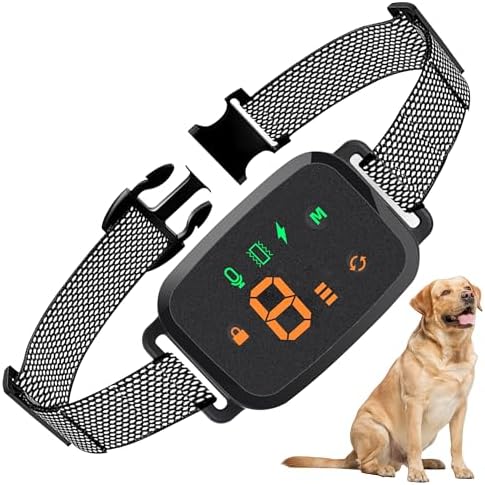

These collars utilize GPS satellite technology, which communicates with mobile devices to provide accurate location data. Furthermore, various sensors embedded in smart collars track the dog’s movements, providing insights into their activity levels and overall health. Such data can be invaluable for pet owners looking to maintain their dog’s physical health and vitality. As a result, the smart dog collar becomes more than just a safety measure; it transitions into an essential tool for responsible pet ownership.
In conclusion, smart dog collars represent a significant advancement in ensuring pet safety and owner convenience. As technology continues to evolve, these devices will likely incorporate even more features, further enhancing the bond between pets and their owners while promoting a safer, healthier life for beloved canine companions.
The Technology Behind GPS Collars
At the heart of smart dog collars is the Global Positioning System (GPS), a satellite-based navigation system that allows users to determine precise geographical locations anywhere on Earth. Developed by the U.S. Department of Defense, GPS is comprised of a constellation of at least 24 satellites orbiting the planet. These satellites continuously broadcast signals to ground receivers, which can interpret the signal data to calculate their location.
GPS technology operates through a straightforward principle: trilateration. When a GPS collar attempts to determine its position, it communicates with multiple satellites to calculate distances based on the time it takes for their signals to reach the device. By receiving signals from three or more satellites, the collar can accurately pinpoint its location via longitude, latitude, and elevation, enabling real-time tracking of the dog.
Modern GPS collars are not standalone devices; they integrate seamlessly with mobile applications and other smart devices. The data collected by the collar is transmitted via cellular or Wi-Fi networks to a companion app, where pet owners can track their dog’s location on a map. Many of these applications offer additional features such as geofencing, which notifies owners when their pet leaves a designated safe area, and fitness tracking capabilities to monitor activity levels. Furthermore, the advancement of Bluetooth technology enhances the functionality of these collars, allowing for low-energy connections that can conserve battery life while maintaining connectivity.
In summary, the technology behind GPS collars represents a significant advancement in pet safety, combining satellite navigation with smart technology to provide pet owners with peace of mind and enhanced control over their pets’ well-being.
Key Features of Smart Dog Collars
Smart dog collars have increasingly become essential tools for pet owners, offering various features that enhance both safety and well-being for dogs. One of the primary functionalities of these collars is location tracking. Utilizing built-in GPS technology, pet owners can track their dog’s whereabouts in real-time. This feature mitigates the risk of losing a pet, as it provides notifications if the dog strays too far from a designated safe zone.
In addition to location tracking, smart dog collars facilitate activity monitoring. This capability allows owners to gain insights into their dog’s behavior by tracking daily exercise levels, rest periods, and activity patterns. Owners can adjust their dog’s routines based on the data collected, ensuring that their pets receive sufficient physical activity, which is vital for both mental and physical health.
Moreover, many smart collars come equipped with built-in health metrics. They can monitor vital signs such as heart rate and temperature, enabling owners to detect potential health issues before they escalate. This feature is particularly beneficial for aging pets or those with pre-existing health conditions, providing peace of mind and maintaining a proactive approach to pet health care.
Finally, some smart dog collars offer built-in training aids. These may include features such as remote training capabilities, behavior correction functionalities, and even sound or vibration alerts to reinforce commands. This integration of training tools can significantly enhance a dog’s learning experience, making it easier for owners to instill good behaviors.
In summary, the key features of smart dog collars—including location tracking, activity monitoring, health metrics, and training aids—collectively contribute to improved pet safety and enhanced engagement for dog owners. With continuous advancements in technology, these collars are poised to revolutionize pet care practices.
Benefits of Using Smart Dog Collars
Smart dog collars equipped with built-in GPS technology offer a multitude of benefits that significantly enhance pet safety and owner peace of mind. One of the most prominent advantages is the ability to track pets in real-time. With a smart collar, pet owners can monitor their dog’s location through a smartphone application, providing a sense of security and minimizing the anxiety associated with lost pets. For instance, a dog that escapes from the yard or wanders away during a walk can be easily located using the GPS tracking feature, making recovery immediate and straightforward.
Moreover, these smart collars provide valuable data on a dog’s health and behavior, enabling owners to monitor exercise levels, sleep patterns, and overall activity. This health monitoring can be beneficial in preventing obesity and related health issues, as it encourages owners to maintain a healthy lifestyle for their pets. For example, one owner noticed that their dog was not burning off as much energy during walks after switching to a more sedentary routine; the data from the collar helped them re-evaluate their pet’s exercise needs, ultimately leading to better health outcomes.
In addition to tracking and health management, smart collars often come equipped with safety features such as geofencing. This allows pet owners to set virtual boundaries, receiving alerts if their dog ventures too far from home or designated safe zones. These proactive measures contribute significantly to the overall safety of pets, reducing the risk of accidents or encounters with dangerous situations. Integrating the significant advantages of smart dog collars can enhance the quality of life for both the dog and its owner, ensuring a safer and healthier relationship. Furthermore, as technology evolves, these collars will likely become even more sophisticated, offering additional benefits that cater to the needs and safety of pets.
Potential Drawbacks and Considerations
While smart dog collars with built-in GPS offer numerous advantages, there are potential drawbacks and considerations that pet owners should be aware of. One significant concern is battery life. Many smart collars utilize rechargeable batteries, which need to be regularly charged to maintain functionality. The frequency of charging varies by model, but if a collar runs out of power unexpectedly, it can lead to safety risks for the dog in case of an emergency or if the pet goes missing.
Another potential issue is connectivity. GPS-enabled collars often rely on mobile networks or Bluetooth connections to transmit data. Depending on the geographical location and the technology used, connectivity can sometimes be unreliable or interrupted. Such interruptions can lead to inaccurate tracking information, which may give pet owners a false sense of security.
Additionally, the reliance on technology poses a double-edged sword. While innovations such as smart collars can enhance the safety and monitoring of pets, they also make pet owners dependent on devices that can malfunction or become outdated. The integration of technology into pet safety raises questions regarding the balance between embracing new solutions and ensuring that simpler, traditional methods of tracking, like tags and local microchips, remain viable.
Furthermore, regular software and firmware updates are crucial for maintaining the performance and security of these devices. Neglecting updates can leave collars vulnerable to security issues or may even render some features obsolete. Therefore, pet owners must be proactive in managing their devices. The key to maximizing the benefits of smart dog collars lies in weighing innovation against practical wear and tear and real-world reliability.
Comparing the Best Smart Dog Collars in the Market
The smart dog collar market has evolved significantly, with numerous options available to pet owners looking for enhanced safety features and tracking capabilities. Several leading smart dog collars stand out due to their innovative features, price points, battery life, ease of use, and unique selling propositions.
One of the top contenders is the Fi Smart Dog Collar, which is known for its long battery life, lasting up to three months on a single charge. This collar incorporates GPS tracking, allowing owners to monitor their dog’s location through a user-friendly mobile app. The Fi collar also offers fitness tracking capabilities, providing insights into your pet’s activity level, which can be particularly useful for health-conscious pet owners.
Another noteworthy option is the Whistle Go Explore, which provides not only GPS tracking but also health and fitness monitoring. This collar alerts owners with notifications about their dog’s behavior, such as excessive barking or time spent resting. Its subscription plan for location tracking and health insights adds value, making it suitable for those seeking all-around monitoring features.
The Tractive GPS Tracker is particularly distinguished by its real-time tracking capabilities, making it ideal for adventurous pets that may wander. It comes at a competitive price point, and while its battery life is shorter than some competitors, it compensates with continuous tracking and an intuitive app interface.
Lastly, the Garmin Alpha 100 is specifically tailored for hunting dogs, combining GPS tracking with training features. Although it is on the higher end of the pricing spectrum, its robust functionalities cater to professional dog handlers and outdoor enthusiasts.
Each of these smart dog collars offers distinct advantages, ensuring that pet owners can find a suitable option that meets both their budget and their dog’s needs. In evaluating these collars, features such as tracking accuracy, battery life, and additional functionalities play crucial roles in making an informed decision.
Testimonials from Pet Owners
In the realm of pet safety, smart dog collars equipped with GPS technology have garnered significant attention from dog owners seeking peace of mind. Many pet owners have shared their experiences with these innovative devices, providing valuable insights for those contemplating a purchase.
One satisfied dog owner recounts how the smart collar helped locate her adventurous Labrador during a hike. “I was out with my dog Max when he spotted a deer and took off running. With the GPS tracker, I was able to find him within minutes, which was a huge relief!” This sentiment echoes among numerous users who appreciate the real-time tracking feature, enabling them to monitor their pets’ whereabouts from their smartphones.
Another pet owner expressed mixed feelings about the smart collar’s comfort and functionality. “While I love the idea of being able to track Bella at all times, the collar seemed a bit bulky for her thin neck. I wish there were more size options available to ensure comfort,” she noted. This highlights a relevant concern among users who prioritize their dogs’ comfort, emphasizing the importance of collar design in the user experience.
On the flip side, feedback around battery life remains a common theme. A recent review mentioned, “The collar works great, but I find myself charging it more often than I expected. I wish the battery lasted longer, especially during weekend trips away from home.” This feedback serves as a reminder that while the technology is promising, there remain areas for improvement.
Overall, testimonials from dog owners illustrate a mixed bag of experiences with smart dog collars. While the benefits of GPS tracking and safety are evident, it is crucial for manufacturers to address concerns regarding comfort and battery longevity. Such improvements could enhance both the functionality and user satisfaction of these essential pet safety tools.
How to Choose the Right Smart Collar for Your Dog
Selecting an appropriate smart collar for your dog involves considering multiple factors to ensure it meets both the needs of your pet and your expectations as an owner. The first consideration should be the size and breed of your dog. Many smart collars are designed to accommodate a range of sizes, but it is crucial to choose a collar that fits comfortably without being too loose or too tight. Larger breeds may require collars with more robust features, while smaller breeds may benefit from more lightweight options.
Next, assessing your dog’s lifestyle is vital. If your dog enjoys outdoor activities such as hiking or swimming, look for collars that are both water-resistant and durable. Additionally, some smart collars offer fitness tracking features that can monitor your dog’s activity levels and promote a healthy lifestyle, which may be beneficial for more active breeds.
Another significant factor is the battery life of the smart collar. A longer battery life is preferable as it reduces the frequency of recharging and ensures constant monitoring of your pet’s location. You should also consider how the collar’s GPS tracking function operates. Some devices may require a subscription for cellular data, while others may rely on Bluetooth, affecting usability depending on your environment.
Furthermore, examine additional features that align with your needs. Advanced smart collars can include health monitoring systems for tracking vital signs, bark control features, or training aids. Always check customer reviews and compare several options before making a decision, as this will provide insight into real-world performance and reliability. Ultimately, selecting the right smart collar will enhance your dog’s safety, fitness, and overall well-being.
The Future of Smart Dog Collars
The advancement in technology promises a transformative future for smart dog collars, particularly those equipped with built-in GPS systems. As pet ownership continues to evolve, the demand for enhanced tracking capabilities is rapidly increasing. Future iterations of these collars are expected to incorporate more precise location services, leveraging improved GPS satellites and data analytics. This will allow pet owners to not only find their dogs in real time but also to receive alerts when their pets stray beyond predefined safe zones.
Moreover, the integration of smart dog collars with smart home devices marks a significant trend in this sector. Future smart collars may connect seamlessly with home automation systems, enabling pet owners to receive notifications about their dog’s activity levels or location when they are away. Such connections could facilitate a holistic approach to pet care, where the collar data can trigger actions at home, such as locking gates when the dog is outside the safe zone.
In addition to tracking capabilities, the future of smart dog collars may extend into the health monitoring realm. Innovations may allow collars to track vital health metrics, including heart rate, activity level, and even temperature, providing pet owners with crucial insights into their dogs’ well-being. This data can then be shared directly with veterinary professionals, enabling proactive health management. Ultimately, these advancements in smart collar technology promise to enhance the safety and health of our beloved pets, embodying a forward-thinking approach to pet care.