

Introduction to Water Leak Detectors
Water leak detectors have emerged as essential devices in modern households, serving a critical role in maintaining the integrity of homes by detecting potential leaks before they escalate into significant problems. These smart devices are designed to monitor various areas within a property, providing homeowners with timely alerts when moisture is detected. By identifying leaks early, water leak detectors can prevent extensive water damage that may lead to costly repairs.
Typically, these leak detection devices are strategically placed in high-risk areas such as basements, under sinks, near water heaters, and around appliances like washing machines. When a leak occurs, a water leak detector will sense the presence of water and notify homeowners through alerts via smartphone applications or direct alarms, allowing for prompt action to be taken.
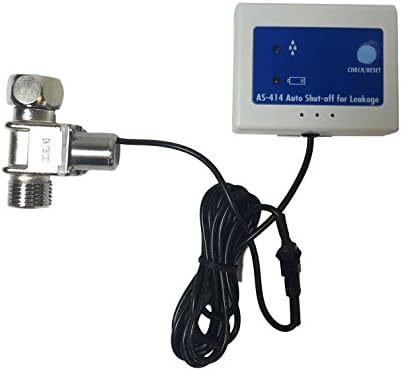


The importance of these devices cannot be overstated, as water damage can lead to significant structural issues, mold growth, and damage to personal belongings. Furthermore, the potential for property loss extends beyond immediate repairs to include health risks associated with mold exposure. Investing in smart water leak detectors is a proactive step toward home maintenance and safeguarding against unforeseen water-related disasters.
In recent years, the technology behind these devices has evolved, with features such as Wi-Fi connectivity, integration with smart home systems, and enhanced sensitivity to detect even the smallest leaks. As a result, homeowners not only benefit from peace of mind but also experience increased control over their properties. The financial benefits of preventing water damage through the use of these detectors are substantial, with estimates indicating that timely detection can save homeowners thousands of dollars in water-related repairs.
How Water Leak Detectors Work
Water leak detectors are essential devices designed to minimize potential water damage in homes and commercial spaces. These devices utilize various sensor technologies to identify the presence of unwanted moisture, thereby providing timely alerts to homeowners or facility managers. The primary types of sensors used in water leak detectors include moisture sensors, ultrasonic sensors, and pressure sensors, each of which serves to enhance reliability in leak detection.
Moisture sensors are the most common type found in water leak detectors. These sensors typically consist of two conductive probes that detect water between them. When water makes contact with the probes, it completes an electrical circuit, triggering the device to alert the user via sounds, notifications, or automated messages. This efficiency in moisture detection allows homeowners to address leaks before they escalate into more significant problems.
Ultrasonic sensors operate on a different principle, utilizing sound waves to detect moisture. By emitting high-frequency sound waves, these sensors can identify any changes in sound patterns caused by water. The ability of ultrasonic sensors to cover larger areas makes them an excellent choice for expansive spaces.
Pressure sensors, on the other hand, are typically installed in plumbing systems to monitor water pressure changes. If a drop in pressure occurs due to a leak, the sensor will trigger an alert. This method is particularly useful in detecting slow leaks that may go unnoticed until significant damage occurs.
In conclusion, understanding how water leak detectors work is crucial for homeowners who wish to invest in protecting their properties from water damage. By utilizing advanced sensor technologies, these devices provide reliable and efficient leak detection solutions, effectively safeguarding homes against potentially costly repairs.
Benefits of Using Smart Water Leak Detectors
Smart water leak detectors have become an essential part of modern home maintenance, providing a myriad of benefits that help homeowners protect their properties from potential water damage. One of the primary advantages of these devices is early leak detection. By identifying leaks as soon as they occur, smart detectors can alert homeowners promptly, allowing for immediate action. This early intervention often prevents small leaks from escalating into significant problems, such as mold growth or foundation damage, which can lead to costly repairs.
Another notable benefit is the seamless integration with existing smart home systems. Many smart water leak detectors can connect with home automation hubs, enabling comprehensive monitoring and control through a single application. This feature allows homeowners to manage various aspects of their smart home environment efficiently, enhancing overall convenience. Integration often includes programmable alerts, enabling users to receive notifications on their smartphones or smart devices if a leak is detected, no matter where they are.
Remote monitoring is a significant advantage of smart water leak detectors. Homeowners can keep tabs on their property even while away, whether they are at work or on vacation. This level of oversight ensures that they can react promptly to any potential issues, significantly reducing the risk of extensive water damage. Moreover, many models provide additional features, such as temperature and humidity sensors, offering further insights into the environment of the home.
Finally, the peace of mind provided by smart water leak detectors cannot be overstated. Homeowners can rest assured knowing that their property is being actively monitored for leaks, allowing them to focus on other critical aspects of their lives. In essence, these devices serve as a proactive approach to home maintenance, enhancing safety and security in residential living.
Factors to Consider When Choosing a Water Leak Detector
When selecting a smart water leak detector, several critical factors warrant careful evaluation to ensure optimal protection against potential water damage in your home. First and foremost is the sensitivity of the detector. A unit that can quickly and accurately identify even minor leaks is essential, as early detection can prevent extensive damage and costly repairs.
Another vital consideration is battery life. A long-lasting battery is necessary to ensure that the device continues functioning without requiring frequent replacements or charging, which can be inconvenient and may leave gaps in monitoring. Ideally, look for models that offer a battery life of at least one year, or those that come with the option for wired connections, thereby eliminating the need for battery replacements altogether.
Additionally, evaluate the connectivity options available with the water leak detector. Many modern detectors offer Wi-Fi or Bluetooth capabilities, allowing users to receive real-time alerts on their smartphones or other devices. This feature is crucial for immediate response, enabling homeowners to take swift action to mitigate any leaking issues.
Another significant aspect to consider is the ability to integrate with smart home systems. Those who have established smart home setups will benefit from leak detectors that can seamlessly connect to their existing systems, allowing for automated responses, such as shutting off water valves when a leak is detected.
Lastly, always review user feedback and product ratings. Overall user reviews provide invaluable insights into real-world performance and reliability, thus aiding consumers in making informed decisions. By taking the time to assess these factors, homeowners can select a water leak detector that best suits their needs and protects their property effectively.
Top Smart Water Leak Detectors on the Market
Searching for the best smart water leak detectors can significantly reduce the risk of water damage in your home. Below are several top contenders that have established themselves as reliable solutions in this niche, each offering unique features designed to detect leaks effectively.
1. Aqara Water Leak Sensor
This device offers real-time alerts when water is detected. Its wireless setup makes it easy to integrate with existing smart home systems, and it connects via Zigbee, ensuring a stable connection. Pros include its affordability and compatibility with various systems, while cons may include reliance on a compatible hub.
2. Flo by Moen Smart Water Monitor
The Flo system is noteworthy for its whole-house monitoring capabilities. It can track water usage and provide alerts for potential leaks before they escalate. It also features an automatic shut-off valve that activates upon detecting a significant leak. The downside is its higher cost compared to simple sensors.
3. HomeSeer Water Leak Sensor
This smart water leak detector is easy to install and integrates seamlessly with HomeSeer’s home automation system. It can send notifications via email or text and supports both Z-Wave and Wi-Fi connections. Its con is that its functionality is limited primarily to the HomeSeer ecosystem, which might alienate non-users.
4. GROVE Water Level Sensor
An excellent option for DIY enthusiasts, the GROVE sensor can be customized for specific needs and is suitable for various applications. Its versatility allows for installation in multiple areas. However, it may require some technical know-how for optimal setup and integration.
Each product stands out for its unique blend of features and capabilities, catering to different consumer needs. Whether you are looking for cost-effectiveness, advanced monitoring, or DIY customization, selecting the right smart water leak detector can save you from costly repairs in the long run.
Installation and Setup of Water Leak Detectors
Installing water leak detectors in your home is a straightforward process that can provide essential protection against water damage. The following steps will guide you through the installation and setup, ensuring optimal performance for your devices.
First, it is crucial to identify the critical areas in your home where a water leak could occur. These locations typically include under sinks, near appliances like washing machines and dishwashers, around water heaters, and in basements. By placing detectors in these strategic spots, you significantly enhance your home’s defense against potential leaks.
Once you have chosen the locations, start the installation process according to the manufacturer’s instructions. Most water leak detectors are battery-operated and require minimal tools for setup. Generally, you can simply place the unit on the floor or attach it to the wall or nearby surfaces. Ensure that the sensor is positioned close to the ground, as water will naturally flow downward.
Next, check if your device requires integration with a mobile application or a smart home network. For those that do, download the relevant app from your device’s app store and follow the prompts for creating an account and connecting your water leak detector. This integration allows for real-time alerts and monitoring from your smartphone, providing peace of mind even when you are away from home.
After the initial installation, it is essential to test the unit periodically. Ensure that the sensors are functioning effectively by simulating a leak, for instance, by placing a small amount of water near the sensor. This simple test will confirm that your system is ready to alert you to actual leaks in the future.
Maintaining Your Water Leak Detector
To ensure the reliable performance of your water leak detector, regular maintenance is essential. This includes conducting frequent checks and being attentive to the device’s condition. Start by inspecting the unit every couple of months to confirm that it remains in an optimal working state. This can involve cleaning the device gently, removing any dust or debris that may have accumulated on or around it, which can affect its sensors.
One critical aspect of maintaining your water leak detector is monitoring its battery levels. Most devices utilize battery power and typically feature a low-battery alert system. It is recommended to replace the batteries at least once a year or sooner if prompted by the battery alert. When replacing batteries, always ensure you are using high-quality replacements that are compatible with your detector. This practice not only guarantees the device operates effectively but also extends its longevity.
Additionally, it is important to understand how to troubleshoot your water leak detector in the event of false alerts. Factors such as condensation, high humidity, or even minor spills can sometimes trigger the alarm unnecessarily. If you receive a false alert, calmly assess the area for actual water presence, and if clear, reset the device according to the manufacturer’s instructions. Knowing how to address these common false alarms will help in maintaining the overall functionality of your detector.
Ultimately, by routinely checking your water leak detector, monitoring battery performance, and being equipped to handle false alerts, homeowners can significantly extend the device’s lifespan and reliability. This proactive approach will help to safeguard your home and prevent potential water damage effectively.
Real-Life Cases: Savings from Prompt Leak Detection
The importance of water leak detectors is underscored by numerous real-life incidents where homeowners successfully avoided costly damages through timely notifications. One notable case involved a family in Florida, who received an alert from their smart water leak detector during a vacation. The device identified a slow, undetected leak in the basement soon after the onset of heavy rainfall. By promptly notifying the homeowners, they were able to contact a plumber and rectify the issue before it escalated into a major flooding scenario. This early intervention saved them an estimated $10,000 in potential repair costs, along with considerable stress associated with managing extensive water damage.
Another compelling example involved a couple in California who installed a smart leak detector in their kitchen as a preventive measure. Unbeknownst to them, a hidden leak developed in their dishwasher, left unnoticed it could have led to significant water damage beneath their flooring. Fortunately, the smart device detected the abnormal moisture levels and sent an immediate alert. By addressing the leak quickly, the couple avoided thousands of dollars in repairs and mitigated long-term issues that could have arisen from extensive mold growth.
These cases illustrate not just the financial advantages but also the peace of mind offered by water leak detectors. Homeowners are increasingly recognizing the benefits of integrating such technology into their homes. These real-life examples serve to highlight how investing in smart water leak detectors can lead to considerable savings while offering reassurance that their homes are protected from water damage. The proactive approach facilitated by these devices empowers homeowners to monitor their properties vigilantly and react swiftly in times of danger.
Conclusion: Investing in Smart Water Leak Detectors
In today’s world, where home security and safety are of paramount importance, smart water leak detectors play a vital role in safeguarding our living environments. These devices not only alert homeowners to potential leaks but also significantly minimize the risk of extensive water damage. As water leaks can lead to costly repairs, investing in smart water leak detectors can be seen as a critical financial decision.
The financial implications of water damage can be staggering, often leading to thousands of dollars in repair costs, along with potential loss of personal belongings and lower property value. Smart water leak detectors mitigate this risk by providing early warnings, allowing homeowners to act swiftly and efficiently. The integration of technology into these detectors not only enhances their functionality but also ensures ease of use and reliability.
Furthermore, these devices often come with features like smartphone alerts, which allow homeowners to monitor their property remotely. This level of awareness and control brings a sense of peace of mind that is invaluable. Knowing that a smart water leak detector is working in the background to protect your home can significantly reduce stress, especially for those who travel frequently or maintain multiple properties.
Ultimately, as technology continues to evolve, so does the reliability and effectiveness of smart home devices. A well-chosen water leak detector can give homeowners a proactive tool that not only protects their investment but also fosters a safe living environment. Given the potential savings and peace of mind they offer, investing in smart water leak detectors is a decision that homeowners should strongly consider as part of their overall home safety strategy.