

Introduction to Organic Baby Formula
Organic baby formula has emerged as a significant choice for parents who are looking to provide their infants with the healthiest nutrition options available. The increasing awareness around health and wellness has prompted many caregivers to prioritize organic products, including baby formula. This growing demand highlights a shift in consumer preferences towards natural and sustainably produced food options, as parents become more conscious of what they are feeding their little ones.
The fundamental principle of organic baby formula lies in its ingredients and production methods. Organic formulas are typically made from ingredients that are grown without the use of synthetic fertilizers, pesticides, or genetically modified organisms (GMOs). This means that the milk, grains, and other components used in organic formulas adhere to strict agricultural standards that promote environmental sustainability and biodiversity. In contrast, non-organic formulas may contain chemicals and additives that are not aligned with these principles, raising concerns among health-conscious parents.


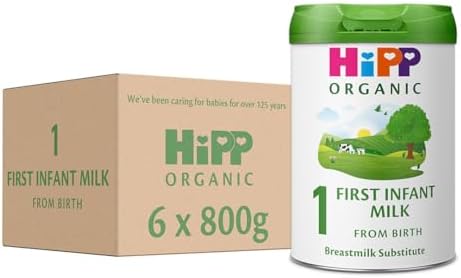

When comparing organic and non-organic baby formulas, there are several key differences that stand out. Organic formulas often boast higher nutritional value due to the quality of ingredients, providing essential nutrients in a more bioavailable form. Additionally, these formulas may be free from artificial flavors, colors, and preservatives, ensuring that infants receive a purer, more natural product. Furthermore, organic formulas are frequently subjected to rigorous testing and must meet specific regulatory standards, assuring parents of their safety and efficacy.
In summary, organic baby formula represents a thoughtful choice for parents who desire to nourish their babies with wholesome and sustainable ingredients. This product category not only supports better health outcomes but also aligns with the values of many families who prioritize organic and naturally sourced food options.
The decision to choose organic baby formula over conventional options is gaining considerable attention among parents who are increasingly concerned about the health and well-being of their infants. One of the primary reasons to opt for organic baby formula is the potential health benefits it offers. Organic formulas typically contain higher levels of essential nutrients, vitamins, and minerals, which are crucial for an infant’s rapid growth and development. A study published in the journal “Nutrients” highlights that infants who consume organic products may experience improved digestive health and lower incidences of allergies compared to those on conventional formulas.
Moreover, organic baby formulas are produced without the use of synthetic fertilizers, pesticides, or genetically modified organisms (GMOs). This lack of harmful chemicals reduces the likelihood of infants being exposed to toxins that could potentially impact their health. Experts emphasize that providing infants with organic options not only ensures they receive nutritious food but also minimizes their exposure to harmful residues found in non-organic products.
Environmental considerations also play a significant role in the choice of organic baby formula. Organic farming practices are designed to promote biodiversity and soil health, thereby protecting ecosystems. By selecting organic formulas, parents contribute to sustainable agriculture, which benefits future generations. The environmental impact extends beyond farming methods; organic production often results in lower carbon footprints, as less energy is used in the manufacturing process.
In terms of long-term advantages, studies suggest that infants who consume organic baby formulas may have better health outcomes as they age. Research indicates that early exposure to organic foods correlates with a lower risk of developing chronic diseases such as obesity and diabetes. As parents consider the overarching implications of their child’s diet, organic baby formula emerges as a prudent choice that aligns with health, environmental, and developmental priorities.
Key Factors to Consider When Selecting Organic Baby Formula
When choosing an organic baby formula, several critical factors should guide parents in their decision-making process. The first and foremost aspect to consider is the nutritional content of the formula. Parents should ensure that it meets the dietary requirements for infants, including necessary proteins, fats, vitamins, and minerals. The presence of DHA (Docosahexaenoic Acid) and ARA (Arachidonic Acid), essential fatty acids important for brain development, can also be a crucial aspect in selecting a formula.
Another significant factor is ingredient sourcing. Parents should look for formulas that utilize high-quality, organic ingredients, ideally those sourced from reputable farms that adhere to sustainable practices. Additionally, understanding the source of proteins—whether they are dairy-based, plant-based, or hypoallergenic—can provide insights into potential allergen concerns.
Certifications play a pivotal role in validating the quality of an organic baby formula. Parents should seek products that come with reputable certifications such as USDA Organic. This certification indicates that the formula adheres to specific federal standards concerning organic ingredients and manufacturing processes.
Allergen considerations are especially important for parents whose infants may have known allergies or sensitivities. Many babies may react to common ingredients such as cow’s milk proteins or soy. A formula specifically designed for sensitive tummies, such as hydrolyzed protein formulas, may be suitable in such scenarios. Furthermore, specific dietary needs, such as those arising from lactose intolerance or other medical conditions, must also be taken into account.
Thoroughly evaluating these factors will significantly enhance the selection process, ensuring that parents choose the most appropriate organic baby formula for their child’s health and well-being.
Overview of the Top Organic Baby Formula Brands
When it comes to choosing an organic baby formula, several brands have established themselves as key players in the market, each boasting a unique history and reputation. One of the leading brands is Bellamy’s Organic, founded in Australia in 2004. Known for its commitment to organic ingredients, Bellamy’s offers formulas that include high-quality proteins and are free from harmful additives. The brand has garnered a positive reputation among parents for its transparency, rigorous quality control, and high nutritional standards.
Another notable brand is HiPP, originating in Germany in 1899. HiPP focuses on biodynamic farming practices and is renowned for its comprehensive range of organic baby formulas tailored to different stages of an infant’s development. Parents appreciate HiPP for its strict adherence to organic principles, extensive product testing, and environmentally friendly initiatives, making it a preferred choice among health-conscious families.
Earth’s Best, an all-American brand founded in 1985, has made significant strides in organic baby nutrition, winning the trust of parents looking for nutritious options. Earth’s Best is recognized for its wide variety of organic baby foods, including formulas that use premium ingredients sourced from sustainable farms. The brand has maintained a strong reputation for its commitment to high-quality, USDA-certified organic products, ensuring that parents feel confident in their choices.
Each of these brands—Bellamy’s Organic, HiPP, and Earth’s Best—has made a name for itself through unwavering dedication to quality and transparency. Their popularity among parents stems from a combination of trustworthiness, rich nutritional profiles, and a commitment to organic principles, which ultimately shape the landscape of organic baby formulas in today’s market.
Nutritional Comparison of Selected Brands
When selecting an organic baby formula, understanding the nutritional makeup is paramount to ensure that infants receive balanced nutrition essential for their growth and development. In this section, we will compare several popular organic baby formula brands, focusing on their content of carbohydrates, proteins, fats, vitamins, and minerals.
First, let’s examine the carbohydrate content. Typically, baby formulas contain a blend of lactose and other carbohydrates. Brand A features 10 grams of carbohydrates per 100 ml, while Brand B offers 8 grams. This difference is noteworthy since carbohydrates serve as a primary energy source for infants.
Next, the protein content in baby formulas varies significantly. According to the latest analysis, Brand C provides 1.9 grams of protein per 100 ml, which is higher than Brand D’s offering of 1.5 grams. This protein variability is crucial, as protein plays an essential role in tissue building and immune function.
Fats are another critical component, contributing to brain and eye development. Brands A, B, and C contain approximately 4.5, 4.0, and 5.0 grams of fat per 100 ml, respectively. These figures reflect the different fat sources used in these formulas, which may include palm oil, canola oil, or coconut oil. The type and quality of fats can influence long-term health outcomes in infants.
Vitally, vitamins and minerals are necessary for overall well-being. A comparison reveals that Brand B stands out with higher levels of DHA and ARA, critical fatty acids known to support cognitive development. Furthermore, Brands A and C provide a well-rounded spectrum of vitamins such as Vitamin D and Vitamin A, which are crucial for bone health and vision.
This nutritional analysis showcases the diversity among organic baby formulas. By considering these factors, parents will be better informed to make choices that align with their child’s nutritional needs.
Ingredient Analysis: What’s Inside the Best Organic Formulas?
When selecting an organic baby formula, understanding the ingredient list is essential for conscientious parents. The best organic formulas prioritize high-quality ingredients that promote infant health and development. Typically, one of the primary ingredients in these formulas is organic milk or plant-based alternatives, which serve as the source of essential nutrients such as proteins and fats. Organic whole milk is favored for its nutrient density, while formulas based on soy, coconut, or almond offer suitable options for those with specific dietary needs.
Furthermore, many top organic formulas incorporate a variety of organic carbohydrates, like lactose or organic corn syrup solids. These sources provide necessary energy for active infants. However, it is crucial to scrutinize the presence of added sugars and sweeteners. Parents should aim for formulas that limit such additives, opting instead for those utilizing natural sources.
The incorporation of probiotics and prebiotics is another essential aspect in almond, soy, or dairy-based formula ingredients. These components promote gut health, supporting digestion and creating a balanced microbiome in infants. Additionally, vitamins and minerals, such as DHA, ARA, and iron, are typically added to organic formulas. These nutrients are pivotal in supporting brain development, overall growth, and immune function.
Some organic formulas may contain controversial components like maltodextrin or synthetic nutrients, which should be approached with caution. While these additives serve their purpose, the presence of such ingredients may indicate a compromise on the organic integrity of the product.
Ultimately, parents seeking the best organic baby formula must thoroughly analyze ingredient lists, favoring products with transparency regarding ingredient sourcing and quality. It is imperative to prioritize those formulas that align with a commitment to nourishing and protecting infants’ health.
Customer Reviews and Ratings: Brand Performance
When selecting an organic baby formula, customer reviews and ratings play a vital role in guiding parental choices. Numerous surveys and studies have highlighted the performance of various top brands, shedding light on the aspects that resonate with parents. A common thread in customer feedback often revolves around the nutritional quality and ingredient transparency of these products. For example, brands such as Holle and HiPP have garnered considerable praise for their commitment to organic certifications and premium ingredient sourcing. Users frequently express satisfaction with the lack of artificial additives in these formulas, which seems to align with parents’ desires for healthier feeding options for their infants.
On the other hand, some parents have reported that certain organic formulas can be pricey compared to conventional options. While many customers acknowledge the importance of investing in their child’s nutrition, there are concerns regarding the overall affordability of these brands. Specifically, families looking for budget-friendly alternatives may feel restricted when choosing a high-quality organic baby formula. Additionally, taste and digestibility are often highlighted in reviews; some parents noted that their infants preferred the taste of specific formulas over others, which can impact the feeding experience.
Moreover, customer ratings on platforms such as Amazon and various parenting forums reveal a mixture of satisfaction and concern regarding specific products. While many parents commend the smooth transition their kids had when switching to organic formula, a few voiced experiences of tummy troubles or allergic reactions. This highlights the importance of closely monitoring an infant’s response to any new formula. Overall, customer reviews and ratings offer a nuanced perspective into the brand performance of organic baby formulas, guiding parents in their quest to find the best options for their children.
Expert Opinions and Recommendations
When selecting the best organic baby formula, parents often seek expert insights to guide their decision-making process. Consulting with pediatricians, nutritionists, and child development experts provides a wealth of knowledge regarding the nutritional needs of infants and the advantages of organic options.
Pediatricians emphasize the importance of a formula that is not only organic but also meets the specific dietary requirements of each infant. The first recommendation often involves checking for certifications of organic ingredients, which can reduce the exposure to pesticides and artificial additives. Experts urge parents to review the protein sources, fats, and carbohydrate content—for instance, many pediatricians recommend formulas with whey-to-casein ratios similar to breast milk.
Nutritionists advocate for formulas enriched with essential fatty acids and DHA, vital for cognitive development. They recommend brands that incorporate prebiotics and probiotics, which support gut health and strengthen the immune system. According to these specialists, a good formula should mimic the health benefits of breast milk as closely as possible to facilitate healthy growth and development during the critical early months of life.
Additionally, child development experts underline the importance of observing the infant’s responses to any formula changes, advocating for gradual introductions to allow for adjustment. They suggest maintaining open communication with pediatricians if adverse reactions occur, ensuring any dietary choices are continually aligned with the child’s developmental stage.
Expert consensus indicates that parents should prioritize high-quality organic formulas with a well-rounded nutritional profile to ensure optimal health outcomes for their infants. With various options available, these professional recommendations serve as a crucial resource in navigating the complex landscape of organic baby formulas.
Conclusion: Making the Right Choice for Your Baby
As we conclude our analysis of the best organic baby formulas available, it is essential to reflect on the key considerations that parents must weigh when making their selection. The importance of choosing the right formula cannot be overstated, as it is a significant component of an infant’s diet and overall development.
First and foremost, parents should consider the nutritional content of the organic baby formula. Look for brands that offer a balanced blend of proteins, fats, vitamins, and minerals that align with the dietary needs of your growing child. Different formulas cater to various age ranges and dietary requirements, so it is crucial to select one that matches your baby’s specific stage of development.
Additionally, it is important to examine the ingredient list. Organic certifications provide assurance that the formula is free from harmful pesticides, synthetic additives, and genetically modified organisms (GMOs). Parents should seek formulas that prioritize whole, natural ingredients to ensure their babies are receiving high-quality nutrition without exposure to unnecessary chemicals.
Moreover, affordability and availability are practical considerations that should not be overlooked. While many organic formulas may come with a higher price tag, it is critical to find a product that fits your budget while still meeting your baby’s nutritional needs. Researching local availability and seeking out promotions may also help offset costs.
Ultimately, choosing the best organic baby formula involves a combination of understanding your baby’s unique preferences, dietary needs, and parental values. Engage with pediatricians and fellow parents to glean insights and support throughout the decision-making process. This collaborative approach will empower you to make informed choices that contribute to your baby’s health and well-being.