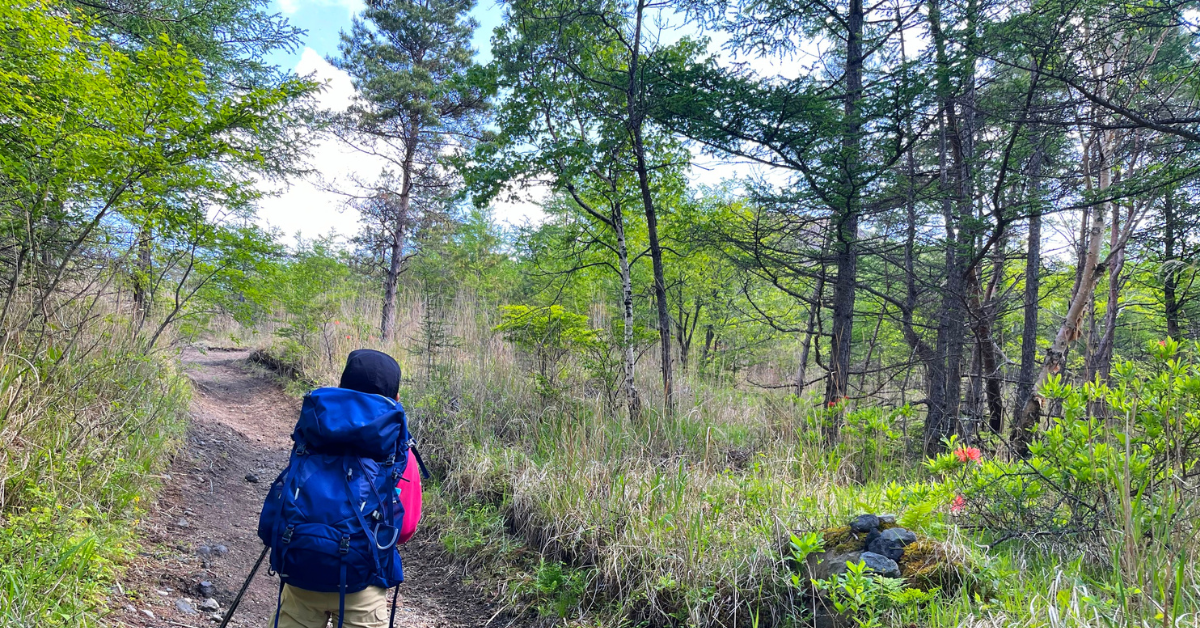

Introduction to Satellite Messengers
Satellite messengers are vital communication devices designed for use in areas lacking cellular service, making them essential for those venturing into remote locations. These compact gadgets provide outdoor enthusiasts, adventurers, and professionals with the ability to send messages and access information even when traditional networks fail. Utilizing satellite technology, they establish a connection to orbiting satellites, ensuring that users can communicate with family, friends, or emergency services regardless of their geographical location.
One of the primary functions of satellite messengers is to serve as a lifeline in case of emergencies. In situations where an individual may find themselves injured or lost, having a satellite messenger can mean the difference between life and death. These devices often feature built-in SOS buttons, allowing users to send distress signals to rescue teams with minimal effort, greatly enhancing overall safety in extreme conditions. The information relayed through these devices can include location coordinates and can be communicated in real-time, providing crucial data to rescuers.

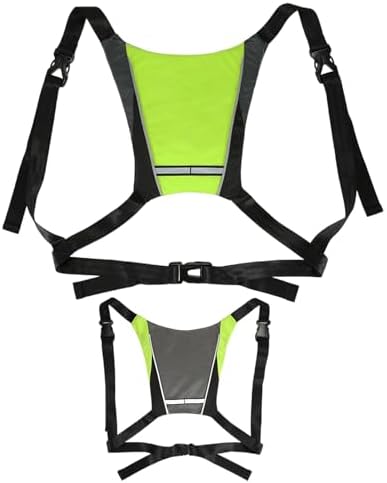
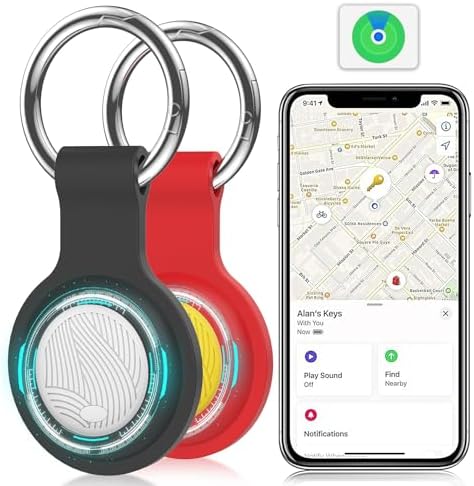
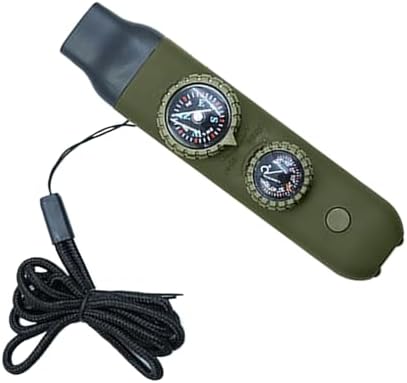
The popularity of satellite messengers has surged in recent years, particularly among outdoor enthusiasts such as hikers, mountaineers, and campers. As more individuals seek outdoor adventures, the demand for reliable means of communication in the wilderness has grown. Satellite messengers offer peace of mind, knowing that help is just a button press away, despite being miles away from civilization. Features such as two-way messaging, tracking capabilities, and emergency assistance make them indispensable tools for modern adventurers. Collectively, these attributes underline the significance of satellite messengers in enhancing trail safety and navigation.
Key Features to Consider When Choosing a Satellite Messenger
When selecting a high-ticket satellite messenger, several key features should be considered to ensure safety and efficiency while navigating remote trails. First and foremost is battery life. A robust battery not only supports prolonged use in the wilderness but also ensures that the device remains operational when you need it most. The optimal choice should have a long battery life, ideally lasting several days without needing a recharge, especially during extended trips.
Next, messaging options play a critical role in communication. Users should distinguish between two-way and one-way messaging capabilities. Two-way messaging systems allow you to send and receive messages, facilitating more interactive communication with family or rescue services. In contrast, one-way messaging may only allow for outgoing messages, which can be limiting in emergencies.
Another crucial consideration is the GPS capability of the satellite messenger. A high-quality device should feature accurate GPS tracking and mapping abilities. This will not only help users find their way but also allows for location sharing with others, enhancing safety. Moreover, some messengers offer SOS functions that can notify rescue services in case of emergencies, further highlighting the importance of GPS integration.
Ruggedness is also an essential attribute. Given the often harsh conditions in which these devices are used, selecting a satellite messenger that is durable and weather-resistant will ensure reliability in a variety of settings. The user interface should also be intuitive, making it easy to navigate the features, even under stress or in adverse situations.
Lastly, subscription costs for satellite services can vary significantly. Users should analyze these costs as they can influence the overall expense of utilizing a satellite messenger. Understanding both the initial purchase price and ongoing subscription costs will aid in finding the right balance between budget and functionality.
Top High-Ticket Satellite Messengers Reviewed
The market for high-ticket satellite messengers is increasingly diverse, offering various features that cater to outdoor enthusiasts, adventurers, and remote workers. Below, we explore some of the top options currently available, focusing on each device’s key features, pricing, durability, and user feedback.
One of the leading choices is the Garmin inReach Explorer+. Priced at approximately $449.99, this messenger stands out due to its two-way satellite communication, built-in GPS, and navigation capabilities. Users appreciate its robust design and excellent battery life, making it a preferred option for long-term expeditions. Additionally, the inReach platform provides access to emergency SOS services, further enhancing safety during outdoor activities.
Another highly-rated option is the Zoleo Satellite Communicator, which retails around $199. The Zoleo is particularly notable for its affordability while still delivering essential features like SMS messaging and location tracking. The device is lightweight and has a long battery life, making it a practical choice for backpackers and travelers. User reviews highlight its reliability and ease of use, making it suitable for both casual and experienced outdoor enthusiasts.
For those seeking a premium product, the Iridium 9575 Extreme is often regarded as one of the best in the market, costing about $1,499. This messenger boasts global satellite coverage and an IP65 rating for dust and water resistance, ensuring durability in challenging environments. Users have praised its clear voice calling capability and the ability to send location updates. Although it is on the higher end of the price spectrum, the Iridium 9575 offers unmatched reliability and service quality.
Each of these high-ticket satellite messengers offers unique features and advantages, catering to specific user preferences and requirements. Whether you prioritize durability, functionality, or budget, there is a satellite messenger available to enhance safety and navigation during your remote adventures.
Safety Features and Emergency SOS Functionality
High-ticket satellite messengers are equipped with numerous safety features designed to ensure user security during outdoor adventures, particularly in remote areas where traditional communication methods may fail. One of the most significant capabilities of these devices is the Emergency SOS function, which allows users to send distress signals regardless of their location. This feature can be a crucial lifeline, making the difference in life-threatening situations where immediate assistance is necessary.
The Emergency SOS function typically transmits a user’s GPS coordinates along with a request for help to a monitoring center or designated contacts, ensuring that rescuers have precise information to coordinate their response. Many high-ticket satellite messengers also offer two-way communication, allowing users to relay updates or provide additional information during a crisis, which further enhances their effectiveness in emergencies.
For instance, one case involved a group of hikers who became lost during a treacherous snowstorm. Using a high-ticket satellite messenger equipped with an Emergency SOS feature, they were able to send their coordinates and request assistance. Thanks to the prompt alert sent to local authorities, a rescue team reached them in record time, illustrating how such devices can be instrumental in ensuring safety during unforeseen situations.
Additionally, users often report feeling more secure while exploring isolated terrains because of the knowledge that help is just a button press away. Testimonials from outdoor enthusiasts frequently highlight the peace of mind afforded by these safety features, underscoring the importance of incorporating high-quality equipment in adventure planning. Overall, the functionality of high-ticket satellite messengers, particularly the Emergency SOS feature, showcases their vital role in safeguarding individuals during outdoor excursions where safety is paramount.
Real-Life User Experiences and Testimonials
High-ticket satellite messengers have gained notable traction among outdoor enthusiasts, providing a crucial layer of safety for individuals who tread off the beaten path. Users from various backgrounds, including avid hikers and seasoned adventurers, have shared their experiences with these devices, shedding light on their reliability, ease of use, and performance, particularly in emergency situations.
One user, an experienced mountaineer, recounted a harrowing experience where his group encountered unexpected weather changes. “With the satellite messenger, we were able to send an SOS signal even when our mobile phones failed to connect. The reassurance of knowing help was on the way allowed us to focus on navigating and staying safe until rescue arrived,” he explained. This instance underscores the importance of reliability in high-pressure situations and confirms that these devices can indeed be life-saving.
Similarly, a group of hikers who tested a range of satellite messengers echoed the sentiment of ease of use. “We were able to send quick messages back to our families and update our locations effortlessly. The intuitive interface made it simple even for the least tech-savvy among us,” they noted. This highlights the consumer-friendly design integrated into many high-ticket satellite messengers, ensuring that all users, regardless of their technical proficiency, can utilize them effectively.
Outdoor professionals have also offered their insights, emphasizing performance in emergency scenarios. A wilderness guide shared his thoughts on a particular brand, stating, “In a cramped canyon where cellular signals are non-existent, having a satellite messenger to communicate with the outside world is invaluable. It ensures that my clients and I can manage safety while navigating challenging terrains.” This captures the essence of why high-ticket satellite messengers are essential tools for adventure enthusiasts.
Entertainment and Additional Features
Satellite messengers have evolved significantly, providing various additional features that enhance the outdoor experience beyond basic messaging capabilities. One of the essential features that many high-ticket models offer is real-time weather updates. These updates can be invaluable for outdoor enthusiasts as they allow individuals to assess rapidly changing weather conditions and plan their activities accordingly. By staying informed about incoming storms or temperature changes, users can make wiser decisions that prioritize safety during their adventures.
Another significant aspect of modern satellite messengers is geotracking functionality. This feature enables users to share their location with trusted contacts, which is particularly useful for solo adventurers or those exploring remote areas. With geotracking, family and friends can monitor the user’s progress, ensuring that help is available if needed. It not only adds a layer of security but also enhances the overall navigation experience by allowing the user to retrace their steps if they venture off the beaten path.
Furthermore, several satellite messengers can integrate seamlessly with smartphone applications, creating a more comprehensive navigation tool. This integration may allow users to access detailed maps, plan routes, and receive notifications on their phones. By bridging the gap between handheld devices and satellite technology, users can enjoy an efficient interface on their smartphones, making navigation through unfamiliar territories more manageable.
In addition to these critical features, some satellite messengers also include entertainment options such as music control, emergency alerts, and SOS functionality. These attributes significantly contribute to the device’s versatility, making it not just a means of communication but a multifunctional tool necessary for those who prioritize safety and convenience during outdoor excursions.
Comparative Analysis: Satellite Messengers vs. Other Communication Devices
When evaluating communication devices for remote trail safety and navigation, it is essential to consider the unique capabilities and limitations of satellite messengers in comparison to other options such as traditional cell phones, Personal Locator Beacons (PLBs), and GPS units.
Satellite messengers operate via satellite networks, enabling users to send messages and relay their location even in areas devoid of cell service. This feature makes them invaluable for outdoor enthusiasts venturing into remote regions. In contrast, traditional cell phones rely heavily on cellular networks, which are often absent in rural and wilderness areas. Although they provide an excellent means of communication in urban settings, their usefulness dwindles significantly outside of coverage zones.
When it comes to Personal Locator Beacons, these devices are specifically designed for emergencies. They are reliable tools for sending distress signals and tend to be straightforward in functionality; however, they lack the two-way communication capabilities that satellite messengers offer. This limits PLBs mostly to emergency use, whereas satellite messengers can facilitate ongoing communication, which can be critical for group coordination or simply checking in with loved ones.
On the other hand, GPS units are primarily focused on navigation and location tracking. While some high-end GPS models may incorporate satellite messaging capabilities, they generally do not provide full messaging features like dedicated satellite messengers. Thus, they fall short when comprehensive communication is necessary. Analyzing the functionalities and nuances of these devices is essential for users to make informed decisions tailored to their specific remote outdoor needs.
In terms of cost, satellite messengers tend to be more expensive upfront than traditional cell phones but provide enhanced reliability in remote areas. The total cost of ownership may also include monthly service fees, which should be considered when assessing long-term usability.
How to Prepare for Your Outdoor Adventure with a Satellite Messenger
Preparing for outdoor adventures requires careful planning, especially when relying on a satellite messenger for communication and navigation. First, clearly outline your intended route. Understand the terrain, potential hazards, and landmarks. Utilize mapping software or apps to help visualize your path in remote regions where cellular service may not be available.
Once the route is established, setting up your satellite messenger is crucial. Follow the manufacturer’s instructions to ensure it is fully functional. Test all features, including sending and receiving messages, location tracking, and emergency signals. Familiarizing yourself with the device will facilitate seamless operation when you need it most. Charge the device fully before departure and carry extra power sources if your adventure spans several days.
It’s also essential to consider potential challenges you may encounter when using a satellite messenger in remote locations. Weather conditions can impact functionality, so be prepared for scenarios where you might face heavy rain or strong winds. Carrying a waterproof case for the device can provide additional protection. Additionally, ensure you have a backup navigation method, such as traditional maps or a compass, in case of unexpected device failure.
Reliable communication extends beyond merely having a satellite messenger. Prioritize checking coverage maps provided by the satellite messenger’s service provider, as signal availability varies by region. Share your plans with someone who will not be accompanying you to ensure they are aware of your whereabouts and can raise an alert if needed. Properly preparing for your outdoor adventure with a satellite messenger can enhance your safety and overall experience, allowing you to enjoy the wilderness with confidence.
Conclusion and Recommendations
High-ticket satellite messengers offer essential tools for ensuring safety and effective navigation for adventurers exploring remote trails. Throughout this discussion, we have observed the remarkable capabilities these devices provide, including two-way messaging, location sharing, and emergency SOS features. Such functionalities are invaluable for those venturing into less-traveled areas where cellular networks may be unavailable.
When considering the best high-ticket satellite messengers, factors such as battery life, durability, and ease of use must be evaluated. Devices like the Garmin inReach and the Iridium GO! stand out for their robust features and reliable performance, but choosing the right messenger ultimately depends on the specific requirements of the user and the nature of the expedition. For families or groups planning outdoor activities, it is advisable to invest in devices that allow group communication and tracking, which enhances security for each member.
In preparation for a journey into uncharted territories, it is vital to combine the use of satellite messengers with traditional navigation skills. While these tools significantly enhance safety, they should not replace a fundamental understanding of map reading and compass usage. Additionally, users should familiarize themselves with the chosen device before embarking on their trip to ensure prompt and effective responses in emergency situations.
In summary, investing in high-ticket satellite messengers is a prudent choice for anyone who desires to explore remote trails safely. By choosing a suitable device and adequately preparing for the adventure, explorers can significantly mitigate potential risks, making their outdoor experiences both enjoyable and safe.