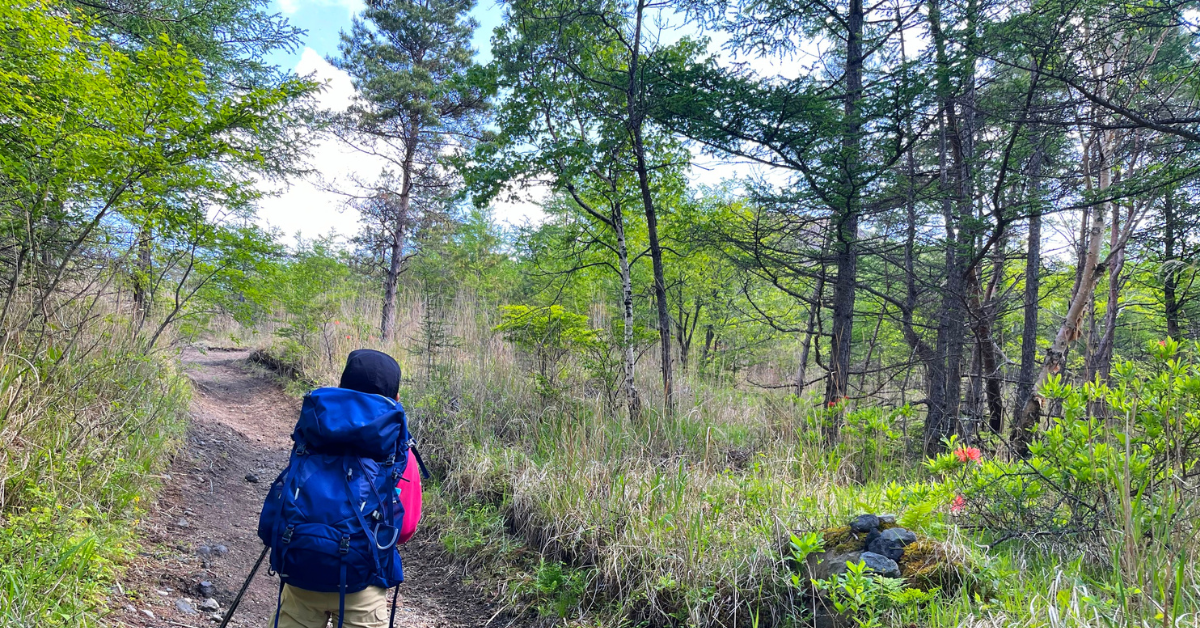

Introduction to Low-Impact Hiking and Campfires
Low-impact hiking is a concept that emphasizes minimizing the environmental footprint of outdoor activities. This approach promotes respect for natural ecosystems while allowing adventurers to enjoy the beauty of nature without causing harm. Essential to low-impact hiking is the practice of sustainable camping, which involves making conscious decisions about the resources we use and how we interact with the environment.
Traditional campfires, often seen as a quintessential part of camping experiences, can contribute significantly to environmental degradation. The heat from campfires can lead to soil erosion, and the removal of firewood can disrupt local habitats. Even the smoke produced by wood-burning fires can have detrimental effects on air quality and can cloak the immediate area in unwanted scents. These issues highlight the importance of re-evaluating how we enjoy warmth and light while camping.


With the growing understanding of our responsibility towards nature, efficient camping stoves have emerged as an ideal alternative to traditional campfires. These compact and portable devices often operate using wood pellets, gas, or other sustainable fuel sources, providing a low-impact option for cooking and warmth. Unlike conventional fires, which can scar the land and contribute to pollution, modern camping stoves offer reliable solutions that mitigate environmental harm.
By embracing efficient camping stoves, hikers can enjoy their outdoor experiences while adhering to principles of sustainability. The adoption of such alternatives supports the preservation of natural landscapes and minimizes the footprint left behind. In doing so, outdoor enthusiasts can continue to explore the wonders of nature, confident that they are contributing to its protection for future generations.
Understanding the Solo Stove
The Solo Stove is a widely recognized brand in the outdoor gear industry, known for its portable fire pit designs. These fire pits are engineered to provide an efficient and clean-burning campfire experience, making them a popular choice among campers, hikers, and outdoor enthusiasts. One of the standout features of the Solo Stove is its double-wall construction that enhances airflow, resulting in a more complete combustion of the wood fuel used.
The unique design allows for higher heat production while minimizing smoke, which significantly enhances the experience of those gathered around the fire. Additionally, the compact and lightweight design of Solo Stoves makes them easily portable, allowing users to enjoy a warm fire in various outdoor settings without the heft traditionally associated with similar products. The ease of setup and operation is another appealing aspect, as users can quickly start a fire with minimal effort.
However, despite its numerous advantages, the Solo Stove is not without limitations. One of the primary drawbacks is the price point; it is often more expensive than other camping stoves or fire pits available on the market. For budget-conscious outdoor enthusiasts, this may lead them to seek affordable alternatives that still meet their needs for low-impact fires. Additionally, while the stove performs excellently with dry wood, it can struggle in wet conditions, necessitating careful wood selection to ensure an enjoyable fire experience. These combined factors contribute to the growing interest in exploring other campfire solutions that offer similar efficiencies, portability, and user-friendly operation without the drawbacks associated with the Solo Stove.
Criteria for Choosing a Camping Stove
Choosing the right camping stove is essential for ensuring a successful outdoor experience, especially if you are seeking alternatives to popular models like the Solo Stove. Several key factors must be considered to identify the best option for your specific needs.
Firstly, weight plays a crucial role, particularly for low-impact hiking where every ounce counts. Lightweight camping stoves facilitate easier transportation, and are often a preference for those who prioritize mobility. Many modern camping stoves are designed to be compact and lightweight, making them ideal companions for your outdoor adventures.
Fuel efficiency is another vital aspect to consider. A stove that maximizes fuel usage minimizes the amount you need to carry, thus enhancing the overall convenience of your camping experience. Look for models that provide a balance between fuel consumption and cooking speed, allowing you to prepare meals without excessive energy waste.
Ease of use is equally important. Opt for stoves that allow for quick setup and operation, enabling you to focus on enjoying your time outdoors rather than struggling with complicated equipment. User-friendly designs often include features like adjustable flame control and automatic ignition.
Additionally, assessing the environmental impact is paramount. Opt for stoves that utilize renewable fuel sources or are designed to minimize carbon footprints. Many manufacturers are now focusing on creating eco-friendly alternatives that align with sustainable camping practices.
Lastly, portability cannot be overlooked. A stove that can easily fit into camping gear and is lightweight can enhance your hiking experience significantly. Many alternatives to the Solo Stove prioritize portability, ensuring you can enjoy efficiency without sacrificing convenience.
Top Alternatives to the Solo Stove
When seeking alternatives to the Solo Stove, several innovative options are available that cater to both efficiency and low-impact hiking. One noteworthy contender is the Biolite CampStove. This portable camping stove offers a unique feature of converting heat into electricity, allowing users to charge their devices while cooking. Additionally, the CampStove utilizes twigs and small branches as fuel, significantly reducing the need for carrying extra fuel canisters.
Another exceptional alternative is the MSR PocketRocket. This compact and versatile stove is designed for solo backpackers, offering rapid boiling times for water and meals. Weighing just a few ounces, it easily fits into any backpack, and its sturdy construction ensures reliability in various weather conditions. Its ability to maintain consistent flame output, even in windy situations, makes it a preferred option among outdoor enthusiasts.
For those interested in wood-burning alternatives, the StoveTec offers a remarkable camping experience with its efficient design. This model is made from stainless steel and features a chimney to enhance airflow, promoting cleaner combustion. This aspect is particularly appealing for environmentally-conscious hikers.
Moreover, the Jetboil MiniMo is another strong candidate known for its exceptional boil time and heat retention. The integrated pot design allows for low fuel consumption and fast meal preparation, making it a fantastic choice for quick stops on the trail. Furthermore, its simmer control provides versatility, enabling users to explore various cooking methods.
In summary, while the Solo Stove remains a popular choice for campfires, these alternatives—Biolite CampStove, MSR PocketRocket, StoveTec, and Jetboil MiniMo—each offer unique features and benefits that cater to the needs of solo hikers and outdoor adventurers alike. Choosing the right camping stove depends on individual preferences regarding weight, fuel type, and cooking versatility.
Comparative Analysis: Solo Stove vs Alternatives
When evaluating the Solo Stove alongside various alternatives, it becomes essential to consider several key aspects that impact the overall experience of outdoor cooking and enjoyment. The following analysis addresses weight, fuel source, burn time, and cooking efficiency to provide a comprehensive comparison.
| Feature | Solo Stove | Alternative 1: BioLite CampStove 2 | Alternative 2: Emberlit Stove | Alternative 3: Ohuhu Camping Stove |
|---|---|---|---|---|
| Weight | 2.2 lbs | 2.06 lbs | 1.4 lbs | 1.5 lbs |
| Fuel Source | Wood | Wood + USB power | Wood | Wood |
| Burn Time | 30 minutes (average) | 30-45 minutes (depending on fuel) | 20-30 minutes | 20-35 minutes |
| Cooking Efficiency | High—efficient airflow promotes combustion | Moderate—integrated fan enhances burn | High—excellent heat retention | Moderate—effective use of local fuel |
This table allows readers to quickly compare the characteristics of the Solo Stove with its alternatives. The Solo Stove is recognized for its lightweight design and high cooking efficiency due to its optimal airflow system. However, alternatives like the BioLite CampStove 2 add the advantage of a USB power source, providing versatility. On the other hand, the Emberlit and Ohuhu stoves offer lighter options that are efficient while still effective using local wood. Ultimately, the choice between these stoves will depend on individual needs, such as camping style, weight considerations, and cooking preferences.
Environmental Considerations for Campfire Solutions
The choice of cooking and heating methods during outdoor activities has profound implications on the environment. Traditional campfires, while nostalgic and visually appealing, pose significant challenges related to environmental degradation. One of the primary concerns with open campfires is the significant carbon emissions produced through the combustion of wood. This can contribute to air pollution and adversely affect local wildlife habitats.
In contrast, more efficient campfire solutions like portable stoves offer an environmentally friendly alternative. These stoves are designed to burn fuel more completely, which not only reduces emissions but also minimizes the carbon footprint associated with outdoor cooking. By utilizing modern technology, these stoves can significantly cut down on the resources consumed to prepare meals in nature, allowing for a more responsible approach to enjoying the outdoors.
Moreover, the risk of wildfires increases dramatically when traditional campfires are used, especially in dry conditions. Portable stoves typically operate on a contained system that lowers the risk of accidental fires. This is crucial in areas prone to wildfires, where the consequences can be devastating to both local ecosystems and communities. As outdoor enthusiasts become more aware of these risks, the shift toward using stoves rather than traditional campfires helps promote a culture of responsible outdoor practices.
Ultimately, selecting efficient campfire solutions not only enhances personal safety but also supports the preservation of natural environments. As consumers opt for technologies that significantly lower their environmental impact, the collective effort to safeguard nature becomes increasingly viable and effective. Embracing alternatives to traditional campfires represents a crucial step in sustaining the health of our planet for future generations.
User Experiences and Reviews
When evaluating alternatives to the Solo Stove, user experiences play a crucial role in understanding the effectiveness and practicality of these products in real-world scenarios. Users across various platforms have shared their testimonials, highlighting both the strengths and weaknesses of different campfire solutions.
Many users commend the Solo Stove for its efficient design and ease of use, noting that it significantly reduces smoke output and enhances fire management. However, some have reported that its relatively higher price point may not be justified for occasional campers. In contrast, many alternatives have been praised for their affordability and lightweight nature. For instance, the BioLite CampStove is often recommended for its dual functionality, combining cooking capabilities with campfire warmth. Users appreciate its built-in fan that helps maintain a consistent flame, although some find the charging mechanism somewhat cumbersome.
Another popular alternative is the camping stove from EcoZoom, which many users find to be an excellent choice for those focused on low-impact hiking. Testimonials frequently mention its portability and solid construction, making it a reliable option for trekkers. However, some users have pointed out that the EcoZoom could be challenging for beginners, citing the learning curve associated with wood-burning techniques.
Additionally, reviews on the Outland Fire Table emphasize its use during group camping trips, noting the ease of setup and the ability to gather around a communal fire. Users often highlight its aesthetic appeal but express concerns regarding its bulkiness, which may not suit solo adventurers. Overall, the diversity in user reviews illustrates that while Solo Stove is a well-regarded option, various alternatives provide distinct advantages that cater to different camping styles and preferences. Understanding these user experiences is vital for making an informed decision when seeking efficient campfire solutions.
Tips for Responsible Camping with Stoves
Camping with a stove offers numerous advantages, particularly for hikers seeking to minimize their environmental impact while enjoying the outdoors. However, to ensure a responsible camping experience, it is crucial to follow certain guidelines regarding stove usage. The first step in responsible camping is effective fuel management. Always carry only the amount of fuel that you need for your trip, and opt for efficient stoves that consume less fuel. When possible, use renewable resources, such as biodegradable fuels, which produce lower emissions during burning.
Stove maintenance is another vital aspect. Regularly check your camping stove for signs of wear and tear, as well as for any leaks that could pose a fire hazard. Clean the stove thoroughly after each use to prevent the buildup of residues, which can compromise its efficiency and safety. Familiarizing yourself with the manufacturer’s guidelines will help ensure that your stove operates efficiently throughout your camping trips.
Leaving no trace is essential when using camping stoves. Prioritize using established fire rings or camp stoves over creating new fire pits, as this helps preserve the surrounding environment. When finished cooking, ensure that all waste is disposed of properly, and avoid burning materials that result in excessive smoke or harmful pollutants. Additionally, avoid cooking directly on the ground, as this can damage the ecosystem underneath.
Always conduct a risk assessment of your camping location, ensuring that you abide by any rules or regulations concerning stove usage. Be aware of fire bans or restrictions that may be in place, particularly during dry seasons. By taking these precautionary measures, you can enjoy a satisfying camping experience while minimizing your environmental footprint.
Conclusion: Choosing the Right Stove for Your Hiking Adventure
As outdoor enthusiasts seek efficient campfire solutions, selecting the right stove for hiking becomes a pivotal decision. The rise of alternatives to traditional campfires, such as the Solo Stove, has revolutionized how hikers approach outdoor cooking. These innovative stoves not only minimize fuel consumption but also significantly reduce environmental impact. Unlike conventional methods that often produce smoke and require extensive firewood, these stoves offer a cleaner, more sustainable way to prepare meals in nature.
When considering efficient camping stoves, it’s crucial to evaluate personal hiking needs and preferences. For instance, lightweight models may appeal to those prioritizing portability, while multi-fuel options could benefit hikers who travel in diverse environments. Moreover, the simplicity of setup and use can greatly enhance the hiking experience, allowing individuals to focus more on enjoying nature rather than dealing with cumbersome cooking methods.
Understanding the ecological implications of camping practices is vital as well. By opting for low-impact solutions, hikers contribute positively to environmental conservation, ensuring that outdoor spaces remain pristine for future generations. Additionally, efficient campfire solutions tend to produce less waste and require fewer natural resources.
In summary, evaluating the available efficient campfire solutions and matching them to individual hiking habits enables a more enjoyable and responsible outdoor experience. Every hiker should weigh their options carefully, considering factors such as convenience, efficiency, and environmental impact, to make the best choice for their adventures in the wilderness.