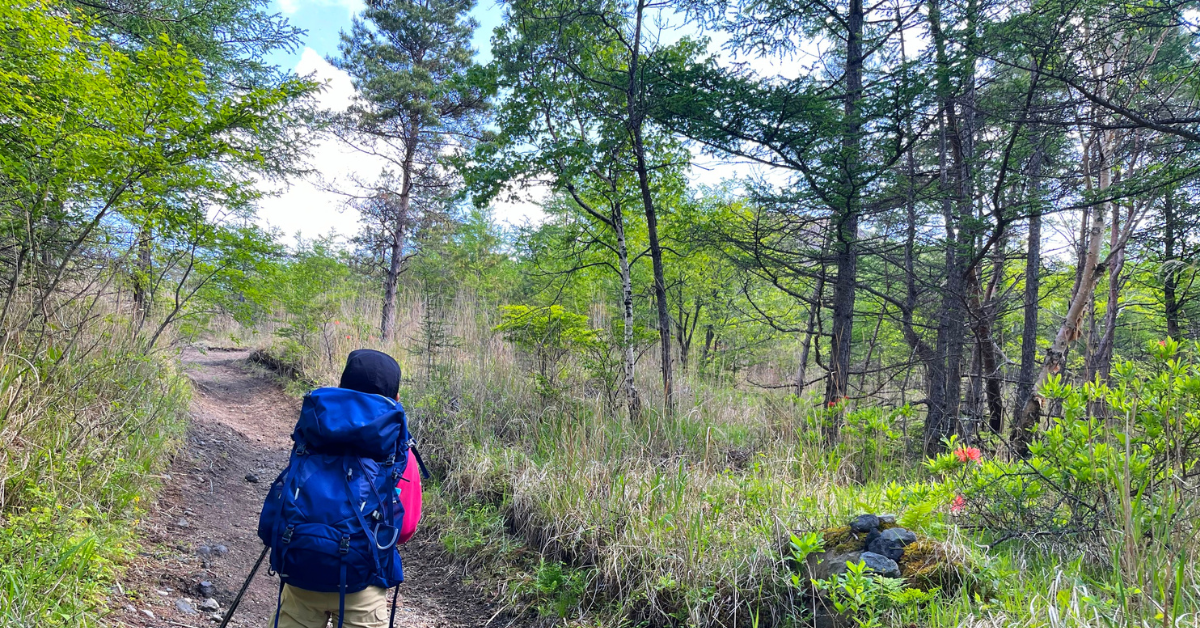

Introduction to Lightweight Backpacks
The primary purpose of a backpack is to facilitate the carrying of essential gear during outdoor adventures. When it comes to multi-day treks, the choice of a backpack becomes vital, making lightweight backpacks increasingly significant in outdoor pursuits. A lightweight backpack is specifically designed to minimize weight while maximizing functionality. This concept is central to enhancing the overall trekking experience, as the burden of carrying excessive weight can lead to discomfort, fatigue, and decreased endurance.
Utilizing lightweight gear, such as a well-constructed backpack, provides several advantages during long hikes. Foremost, reducing the weight of your pack allows for improved mobility and less strain on the body. Hikers can maintain better posture and balance, which are crucial for navigating uneven terrains over extended periods. Additionally, lightweight backpacks are typically designed with ergonomic features, distributed weight evenly across the shoulders and hips, allowing for enhanced comfort.


Efficiency also plays a significant role in the benefits of lightweight backpacks. Hikers tend to cover greater distances and ascend higher altitudes when encumbered by less weight. By eliminating unnecessary bulk, trekkers can maximize their energy and stamina, which is particularly important during prolonged physical activity. Furthermore, lightweight backpacks often incorporate advanced materials and innovative technologies that enhance durability without substantially increasing weight, thus ensuring they withstand the challenges of long treks.
In essence, embracing lightweight backpacks not only improves physical comfort but also significantly contributes to overall trekking performance. As outdoor enthusiasts seek to push their limits, the importance of choosing the right backpack cannot be overstated—it directly impacts comfort, efficiency, and endurance during the journey. With this understanding, hikers can look forward to an enjoyable and rewarding trekking experience.
Understanding Multi-Day Treks
Multi-day treks are adventurous journeys that extend over several days, often traversing diverse terrains and environments. These treks typically require participants to carry all necessary gear and supplies, making weight management a crucial factor that can significantly influence the overall experience. Trekkers must strike a balance between packing essential items and minimizing weight to avoid discomfort and fatigue.
One of the primary challenges faced by those engaging in multi-day treks is effective packing. The need for adequate food, water, and shelter requires trekkers to be discerning about the items they choose to include in their backpacks. Lighter cookware, compressed food items, and durable shelter options are common considerations that can contribute to a more enjoyable trek. Additionally, carrying sufficient clothing suited for various weather conditions is important, as changes in temperature and precipitation can pose challenges during extended outdoor excursions.
Another major consideration is maintaining comfort while carrying the load. A well-fitted backpack can make a significant difference to the physical strain experienced by trekkers. The design of a backpack, including its weight distribution system, padding, and adjustable straps, plays a vital role in ensuring that the gear is not only manageable but also contributes to a positive trekking experience. When selecting a backpack for a multi-day trek, it is essential to prioritize comfort as well as functionality, ensuring that the backpack accommodates all necessary gear without compromising on fit.
For trekkers looking to embark on multi-day adventures, understanding the intricacies of their gear, particularly their choice of backpack, is not just an afterthought—it is a critical component that can determine the success and enjoyment of their journey.
Key Features of a Lightweight Backpack
When choosing a backpack for lightweight trekking, several key features must be considered to ensure optimal performance, comfort, and functionality during multi-day adventures. One crucial aspect is the materials used in the construction of the backpack. High-tech synthetic fabrics, such as ripstop nylon and Dyneema, are often preferred for lightweight packs due to their durability and resistance to wear and tear. These materials also help reduce the overall weight of the backpack while providing sufficient waterproofing and breathability.
The frame style of a lightweight backpack significantly impacts its weight distribution and user comfort. Most lightweight options utilize frameless designs or minimal frames made of aluminum. These frames allow for better flexibility and comfort when trekking over varied terrain, while ensuring that the pack remains light. However, it is essential that the chosen frame style properly balances weight against support capabilities, as improper fit can lead to discomfort during extended use.
Suspension systems are another critical component of lightweight backpacks, as they help to transfer the load effectively onto the user’s hips. Many high-quality lightweight models feature advanced suspension systems with padded shoulder straps, hip belts, and adjustable torso lengths. These features enable a customizable fit that can significantly enhance comfort during long hikes, preventing excessive strain on the back and shoulders.
Storage options must also be carefully evaluated when selecting a lightweight backpack. While these packs prioritize weight savings, they still need to offer adequate pockets and compartments for organizing gear efficiently. Compression straps, external mesh pockets, and hydration reservoir sleeves are excellent features that enhance accessibility and increase overall backpack functionality.
The fit of the backpack is fundamental to comfort on the trail. Ensuring that the backpack corresponds to the user’s torso length and body shape can prevent discomfort and promote better mobility during trekking. Ultimately, understanding these essential characteristics will aid trekkers in selecting a lightweight backpack that meets their specific needs, providing the perfect balance between load reduction and user comfort.
Lab Testing Methodology: Evaluating Weight and Comfort
The evaluation of lightweight backpacks for multi-day treks involves a comprehensive lab testing methodology that focuses on weight and comfort. This rigorous approach ensures that only the most suitable backpacks are recommended for adventurers seeking efficiency without sacrificing comfort.
The first step in testing is measuring the actual weight of the backpacks. This is achieved using precision scales to quantify the weight of each model. Lightweight backpacks are often designed to minimize bulk while maximizing durability. Therefore, verifying the weight allows for a clear comparison between different brands and models, ensuring consumers can select the best option that aligns with their trekking needs.
Load distribution tests are another critical component of the evaluation process. Fortified with weighted materials simulating real gear, the backpacks are subjected to various stress tests. This examination highlights how well each backpack can distribute weight across the body, which directly impacts the overall trekking experience. Proper weight distribution helps reduce strain on the back and shoulders, playing a significant role in long-distance comfort.
Comfort assessments consist of rigorous testing on different body types. Testers wear the backpacks during simulated treks to gauge comfort levels through various activities, such as hiking uphill or navigating uneven terrain. Factors such as shoulder strap padding, back panel ventilation, and hip belt support are scrutinized to determine how effectively each backpack minimizes discomfort during prolonged use.
User feedback also plays a vital role in the evaluation process. Incorporating insights from actual trekkers provides valuable perspectives on real-world performance. Their responses help identify any overlooked issues related to fit, adjustability, or ease of access to gear. This combination of lab testing measurements and user experiences ensures an all-encompassing assessment for those seeking the best lightweight backpack for their multi-day adventures.
Top Lightweight Backpacks of 2023
When it comes to selecting lightweight backpacks for multi-day treks, it is essential to consider options that prioritize both comfort and functionality. Below is a curated list of some of the best lightweight backpacks of 2023, all rigorously lab-tested to ensure they meet high standards for weight and comfort.
1. Osprey Exos 48 – The Osprey Exos 48 is an excellent choice for minimalist hikers. Weighing in at just 3 lbs 2 oz, it balances lightness with a load capacity suitable for extended trips. Its AirSpeed back suspension system promotes ventilation and comfort, while the adjustable harness allows for a customized fit.
2. Gregory Paragon 58 – This backpack weighs approximately 3 lbs 11 oz and is designed for optimal weight distribution. The Gregory Paragon 58 features a flexible torso length adjustment, ensuring a good fit for various body shapes. Additionally, with ample pocket space and a rain cover included, it is ideal for unpredictable weather conditions.
3. REI Co-op Flash 55 – The REI Co-op Flash 55 has a featherweight of only 2 lbs 11 oz, making it perfect for those who favor ultralight gear. Its adaptable design includes removable features for weight-saving customization. With a comfortable, breathable mesh back and several compartments for organization, it proves to be a favorite among seasoned trekkers.
4. The North Face Vault – Weighing in at 2 lbs 9 oz, The North Face Vault is ideal for those seeking a reliable yet lightweight companion. Its FlexVent suspension system provides a comfortable fit while promoting airflow. It also boasts a spacious main compartment and front organizational pocket, great for easy access to essentials on the move.
5. Deuter Futura Vario 50+10 – This valuable pack weighs 4 lbs 10 oz and stands out with its ergonomic design. The Futura Vario includes a VariQuick back system for quick adjustments and an advanced Aircomfort Sensic back for ultimate comfort during long treks. Its comfortable fit makes it suitable for extended trips into the wilderness.
These top-rated lightweight backpacks for 2023 combine lab-tested performance with an emphasis on weight and comfort, ensuring trekkers can enjoy their adventures with reduced strain and optimal support.
Comparative Analysis of Selected Models
In assessing the best lightweight backpacks for multi-day treks, a detailed comparative analysis of selected models reveals key differences in weight, comfort, durability, and pricing. This examination aims to assist trekkers in making informed choices tailored to their specific requirements.
The first model worth mentioning is the Osprey Exos 58. This backpack weighs approximately 2.5 lbs and is designed with comfort in mind, featuring a mesh back panel for ventilation. Users laud its ability to distribute weight evenly, reducing fatigue over long distances. However, its price point, typically around $380, may deter budget-conscious trekkers. Additionally, while its lightweight construction offers excellent performance, it may compromise durability in rough conditions.
Conversely, the Gregory Paragon 58 strikes a balance between durability and comfort, weighing slightly more at 3.5 lbs. This model boasts reinforced materials, making it resilient for rugged terrains. Trekkers appreciate its adjustable torso length, allowing for personalized fit. However, the added weight and its price tag of approximately $400 may pose a disadvantage for those seeking ultralight options.
Another notable contender is the REI Co-op Flash 55. Weighing in at around 2.7 lbs, its unique design allows for stripping down extra features for an even lighter load. At $299, it is more budget-friendly than its competitors. Nonetheless, the streamlined features may result in less comfort and overall capacity, making it less suitable for extended hikes where gear variety is crucial.
Through this comparative analysis, trekkers can evaluate each backpack based on their priorities—be it prioritizing lightweight options, seeking comfort, or emphasizing durability. Choosing the right lightweight backpack ultimately hinges on balancing these factors against personal trekking requirements and budget constraints.
User Experiences and Testimonials
Feedback from users plays a pivotal role in evaluating the effectiveness of lightweight backpacks, particularly for multi-day treks. Many hikers have passionately shared their experiences, focusing on comfort, weight management, and overall performance during extended use. One consistent theme among users is the importance of discovering a backpack that balances weight with carrying capacity.
For instance, one avid trekker who tested the Osprey Exos 48 reported that despite its minimal weight, the pack comfortably held all necessary gear for a week-long journey. The user noted the impressive ventilation system, which made a significant difference during steep climbs. They praised the ergonomic design, stating that it provided enough support without feeling cumbersome.
Another user highlighted their experience with the Gregory Paragon backpack, which features load stability that minimizes back strain. They described a 5-day trip through rugged terrain, during which they felt confident in the pack’s ability to distribute weight evenly. The user emphasized the padded hip belt, stating it contributed significantly to their overall comfort, even when fully loaded.
Moreover, a frequent backpacker shared their satisfaction with the REI Co-op Flash 55. They appreciated the versatility and adjustable features, which allowed them to modify the fit according to their clothing layers. The reviewer mentioned how the lighter material did not compromise durability, allowing the backpack to withstand both wet conditions and rough handling.
Such anecdotal insights reveal that selecting the right lightweight backpack greatly influences the trekking experience. Users recommend trying different options and understanding personal preferences. Feedback from fellow outdoors enthusiasts serves as a valuable resource for prospective buyers seeking comfort and functionality on the trails.
Tips for Choosing the Right Backpack for Your Adventure
Selecting the ideal lightweight backpack for multi-day treks requires thoughtful consideration of various factors. First, assess your body type. A backpack must fit well to ensure comfort during extended periods of wear. Look for models that offer a range of sizes and customizable features, such as adjustable torso lengths, to accommodate different body shapes. Proper fit minimizes the risk of discomfort and strain during your journey.
Next, consider the duration of your trek. For shorter hikes, a smaller pack may suffice, whereas longer excursions will necessitate more storage space for additional gear, food, and water. Lightweight backpacks are designed to balance weight and capacity, so ascertain the volume needed based on your trip’s length. A general guideline suggests 40 to 60 liters for a multi-day trek, depending on your personal packing style.
It is also crucial to evaluate your gear requirements. Determine what equipment you will carry, including sleeping arrangements, cooking gear, and clothing. Your choices will significantly influence the type of backpack that best suits your needs. Ultralight options are available for minimalist trekkers, while those with more gear may prefer models designed for increased durability and enhanced load capacity.
Lastly, prioritize personal comfort preferences. Features such as padded shoulder straps, hip belts, and ventilated back panels can make a significant difference in your hiking experience. Additionally, the ease of access to your belongings and the presence of hydration reservoirs or pockets can enhance functionality.
Ultimately, choosing the right lightweight backpack involves evaluating these key factors. By doing so, you can ensure a comfortable, enjoyable adventure while minimizing fatigue during your trek.
Conclusion and Final Recommendations
Choosing the right lightweight backpack for multi-day treks is pivotal for ensuring a comfortable and enjoyable hiking experience. With the various options available on the market, it is crucial to focus on key characteristics such as weight, comfort, durability, and functionality. A well-designed lightweight backpack can significantly reduce fatigue, allowing adventurers to cover larger distances without the burden of excess weight. As we have discussed throughout this blog post, the selected top picks, such as the Osprey Exos and Granite Gear Crown 2, exemplify the best qualities in terms of lightness and support.
These models not only excel in weight but also provide sufficient storage space and advanced features that facilitate organization and ease of use during extended hikes. Furthermore, the incorporation of comfortable suspension systems and quality materials enhances the overall trekking experience, making it essential to prioritize these factors in your selection process. Lightweight backpacks serve as a critical gear component, influencing not just the weight of your pack but also your ability to thrive on the trail.
As you plan your next outdoor adventure, take the time to consider the attributes that suit your specific needs. Remember that comfort should never be compromised for a lighter model. Whether you are a seasoned hiker or a beginner, investing in a lightweight backpack tailored to your requirements will contribute significantly to your enjoyment on the trail. By focusing on weight and comfort, you set yourself up for a successful multi-day trek that aligns with your expectations and aspirations in the great outdoors.