
Introduction to Matter-Compatible Smart Lighting
Matter-compatible smart lighting represents a significant advancement in the realm of smart home technology. At its core, Matter is an open-source connectivity standard that aims to enhance interoperability among various smart devices, facilitating a seamless integration between manufacturers and platforms. By enabling devices from different brands to work cohesively, Matter paves the way for a more user-friendly experience, particularly within the context of home automation.
The introduction of Matter to the smart lighting industry holds profound implications for homeowners. One of the most prominent benefits of Matter-compatible smart lighting is its ability to create a holistic ecosystem that responds intelligently to user preferences and needs. This technology not only eliminates compatibility issues that often plague smart home devices but also enhances the potential for establishing automated routines, tailored to individual lifestyles.


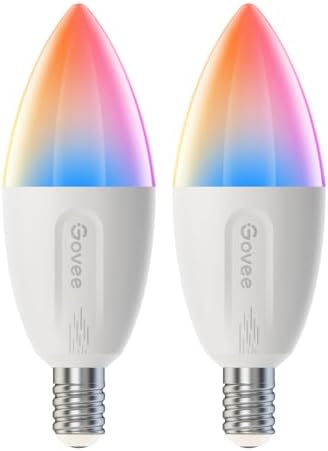

Given its emerging role in the smart home landscape, Matter-compatible smart lighting plays a crucial role in creating the ideal sleep environment. The lighting in a bedroom can dramatically influence sleep quality, and the configurability of smart lighting allows users to customize brightness and color temperature to suit their unique preferences. For instance, softer, warmer hues can be programmed to replicate the natural transition of sunset, signaling the body that it is time to wind down. On the other hand, brighter, cooler tones can be utilized in the morning to promote wakefulness.
In summary, the advent of Matter-compatible smart lighting offers users an innovative means to enhance their home ecosystems. By fostering interoperability among devices and promoting the creation of personalized environments, this technology stands as a pivotal element in modernizing spaces for optimal relaxation and rejuvenation.
The Importance of Sleep Sanctuaries
The concept of sleep sanctuaries refers to personalized environments that foster healthy sleep patterns and enhance the overall quality of rest. With the increasing pace of modern life, establishing a dedicated space for sleep has become essential for both our psychological and physiological well-being. A sleep sanctuary is not merely a bedroom; rather, it is a carefully curated space that promotes relaxation and comfort, tailored to individual needs.
One of the significant psychological benefits of a sleep sanctuary is its ability to signal to the body that it is time to relax and prepare for rest. This transition is facilitated by creating a serene environment, free from distractions. Elements such as soothing decor, calming scents, and minimal clutter can contribute to reducing anxiety levels and enhancing the overall sleep experience. When the mind associates the sanctuary with peace and tranquility, it becomes easier to unwind and drift into slumber.
On a physiological level, the importance of proper lighting in these sanctuaries cannot be overstated. Light greatly influences our circadian rhythms, which, in turn, significantly affect sleep quality. Smart lighting solutions, particularly those that are Matter-compatible, offer the flexibility to adjust color temperatures and intensities throughout the evening. Dimming lights and shifting to warmer hues can help signal to the body that it is time to wind down, promoting the production of melatonin, the hormone responsible for sleep regulation. Additionally, a well-lit sanctuary can also support other nighttime activities, creating a comfortable environment for reading or meditating prior to sleep.
In conclusion, establishing a sleep sanctuary is vital for achieving high-quality sleep. By thoughtfully considering the psychological and physiological factors at play and integrating proper lighting solutions, individuals can create an optimal environment conducive to better sleep and overall well-being.
Effects of Smart Lighting on Sleep Quality
The relationship between light and sleep quality is a pivotal factor in the realm of sleep hygiene. Scientific research substantiates the impact of various light colors and intensities on our circadian rhythms, which play a crucial role in regulating our sleep-wake patterns. The human body possesses an internal clock that responds dynamically to the light conditions in our environment. Exposure to certain wavelengths of light can either promote alertness or induce relaxation, making the choice of smart lighting critical for a sleep sanctuary.
The most significant influence emanates from blue light, which is prevalent in daylight and commonly emitted by screens. Exposure to high levels of blue light, particularly in the evening, can disrupt melatonin production—the hormone responsible for sleep regulation. Conversely, warm, soft light shades are beneficial as they do not interfere with melatonin levels. The integration of smart lighting solutions allows individuals to customize light settings, adjusting both color temperature and intensity throughout the day to align with their circadian rhythms and promote healthy sleep cycles.
Furthermore, dimming lights in the evening can signal the body that it is time to unwind, encouraging a smooth transition from wakefulness to sleep. The gradual reduction of light mimics the natural setting of the sun, fostering a conducive environment for relaxation. Advanced smart lighting options now offer programs that automate these transitions, facilitating a gentle rhythm that enhances sleep hygiene.
In essence, selecting appropriate smart lighting is not merely about aesthetics; it is an essential component of creating an ideal sleeping environment. By understanding the effects of different light types on our sleep patterns, individuals can take proactive steps to improve their sleep quality and overall well-being.
Features of Matter-Compatible Smart Lights
Matter-compatible smart lights are revolutionizing home lighting solutions by offering users a plethora of beneficial features. Central to their appeal is cross-platform connectivity. This capability allows different smart devices, regardless of brand, to communicate and function together seamlessly. With Matter as a unifying standard, users can easily integrate their smart lighting systems with various home automation platforms, such as Apple HomeKit, Google Assistant, and Amazon Alexa. This versatility ensures that no matter which devices a homeowner already possesses, they can enrich their experience of smart lighting.
Another significant feature is voice control, which enhances the convenience of using smart lights. With integrated voice assistant compatibility, users can operate their lighting systems hands-free. Whether it is dimming the lights, changing colors, or scheduling lighting routines, the ability to use voice commands adds an unprecedented level of ease to creating the ideal sleep environment. This hands-free operation is pivotal, especially in situations where manual adjustments may be cumbersome or disruptive to a relaxing atmosphere.
Furthermore, automation capabilities represent a core component of Matter-compatible smart lighting. Users can program their lights to adjust according to specific schedules or environmental conditions. For instance, smart lights can gradually dim as bedtime approaches, mimicking natural light patterns and promoting a smoother transition to sleep. Additionally, automation can help maintain energy efficiency, as lights can be set to turn off automatically when no one is present, contributing to both convenience and sustainability.
Overall, the key features of Matter-compatible smart lights — cross-platform connectivity, voice control, and automation — collectively enhance user experience. By integrating these technologies, individuals can craft a more comfortable and efficient sleep sanctuary, elevating both the quality and sustainability of their lighting solutions.
Choosing the Right Matter-Compatible Smart Lights for Your Sleep Sanctuary
Selecting the appropriate Matter-compatible smart lights for your sleep sanctuary is an essential step in creating a restful environment. With numerous options available, understanding the features that best support sleep quality can aid in making an informed decision. First, consider the type of bulbs available. LED bulbs are a popular choice due to their energy efficiency and longevity. Furthermore, ensure the bulbs you choose are compatible with the Matter standard, which facilitates seamless integration with various smart home systems.
Another critical aspect to contemplate is the color temperature of the smart lights. For optimal sleep, it is advisable to select bulbs that provide a warm color temperature, ideally ranging from 2700K to 3000K. Warm light mimics the gentle glow of sunset, promoting relaxation and signaling to your body that it is time to wind down. Additionally, controlling the hue of the lights can be beneficial; certain smart bulbs offer adjustable color settings that allow you to tailor the lighting to your preference.
Brightness levels also play a vital role in enhancing your sleep sanctuary. Choose smart lights equipped with dimming capabilities, permitting you to gradually reduce brightness as bedtime approaches. This gradual dimming can aid in the natural transition to sleep, reinforcing your circadian rhythm. Moreover, explore additional features, such as automated scheduling and remote control via mobile apps, to streamline your lighting experience and maintain an inviting ambiance.
In summary, when selecting Matter-compatible smart lights, prioritize LED bulbs with warm color temperatures, adjustable brightness levels, and user-friendly features to create an optimal sleep environment. By incorporating these elements, your sleep sanctuary will transform into a haven for relaxation and restorative rest.
Setting Up Your Smart Lighting System
Creating a conducive sleep environment begins with proper installation and configuration of your Matter-compatible smart lighting system. First, ensure that all your smart lights are compatible with the Matter standard, which facilitates seamless integration across various devices and platforms. This will allow you to control your lighting through a single application, greatly enhancing your user experience.
To begin the setup process, start by installing the bulbs or smart lighting fixtures according to the manufacturer’s instructions. Once installed, connect these devices to your home Wi-Fi network. Most Matter-compatible lighting systems can be added through your preferred smart home hub, such as Apple Home, Google Home, or Amazon Alexa. Launch the corresponding application, navigate to the “Add Device” section, and follow the prompts to link your smart lights.
After successfully adding your devices, consider designing customized scenes or routines tailored for restful sleep. Many smart lighting applications allow you to adjust color temperatures and brightness levels to create a calming atmosphere. For example, selecting warmer hues in the evening can signal your body that it’s time to wind down, while cooler tones in the morning can help invigorate you as you wake up. Configure these settings to activate at set times, ensuring a consistent sleep schedule.
Should you encounter any issues during setup, common troubleshooting steps include resetting your smart lights and ensuring they remain within range of your Wi-Fi network. Additionally, check for any firmware updates for both your lighting and hub devices, as these updates often resolve compatibility issues. By following these steps, you can optimize your Matter-compatible smart lighting system for an enhanced sleep sanctuary.
Customizing Lighting for Maximum Relaxation
Creating an optimal sleep environment is essential for promoting relaxation and enhancing your overall well-being. One of the key elements in achieving this is through the thoughtful customization of your Matter-compatible smart lighting system. These advanced lighting solutions offer various options that can significantly contribute to a peaceful atmosphere in your sleep sanctuary.
First and foremost, consider the importance of dimming options. Bright lighting can be overstimulating in the hours leading up to bedtime. By programming your smart lights to gradually dim in intensity as evening approaches, you can signal to your body that it is time to relax. This gentle transition can help ease the shift from day to night, promoting a more tranquil mindset before bedtime. Some Matter-compatible lights allow you to set a specific dimming schedule, providing a seamless way to incorporate softer lighting into your nightly routine.
In addition to dimming, the color temperature of your lights plays a crucial role in relaxation. Research has shown that warmer light hues, such as soft yellows and oranges, are conducive to winding down. You can customize your smart lights to change from a cooler daylight white to a warmer tone during the evening hours. This color shift can mimic the natural sunset, creating a calming ambiance that helps prepare your mind for rest.
Lastly, automation features are invaluable tools for enhancing your nighttime routine. Setting up schedules for your smart lights to switch off automatically can eliminate distractions, allowing you to focus on restful activities such as reading or meditating before sleep. Additionally, integrating these lights with other smart home devices can create a cohesive relaxation experience. For instance, linking your lighting system to your sound system can synchronize calming sounds with dimming lights, further promoting an environment ideal for winding down.
Maintenance and Updates for Your Smart Lighting System
To ensure the longevity and efficiency of your smart lighting system, consistent maintenance and timely updates are essential. Regular check-ups help identify potential issues before they escalate, keeping your sleep sanctuary optimally illuminated. A routine inspection of your smart lamps can reveal problems such as flickering lights, which may indicate connectivity issues or the need for bulb replacement. Regularly examining your system not only maintains performance but also enhances energy efficiency.
Updating the software of your smart lighting devices is a crucial step that is often overlooked. Manufacturers frequently release updates that improve functionality and security. Your smart lighting system relies on robust software to communicate efficiently, and outdated programs can lead to issues like lagging responses or limited functionalities. Always ensure that your devices are running the latest software version, as these updates often include enhancements that contribute to a better user experience.
In addition to software updates, familiarizing yourself with troubleshooting steps for common device issues can enhance the overall reliability of your lighting setup. For instance, if a light doesn’t respond, restarting the device or resetting its connection can often remedy the situation. Understanding how to navigate potential problems will keep your smart lighting system functioning smoothly, providing the correct ambiance for restful sleep.
Lastly, considering the future of your smart lighting system entails planning for replacements and upgrades. As technology evolves, some equipment may become obsolete or less efficient. Keeping up with the latest advancements will ensure your sleep sanctuary remains modern, functional, and comfortable. Regular maintenance and updates will ultimately contribute to the long-term reliability of your matter-compatible smart lighting system, creating an ideal environment for rejuvenating sleep.
Conclusion and Future of Smart Lighting in Sleep Sanctuaries
Throughout this guide, we have examined the transformative role that Matter-compatible smart lighting can play in enhancing sleep quality and creating a serene sleep sanctuary. By integrating harmonized lighting systems that adapt to individual preferences, users can harness the power of technology to optimize their sleep environments effectively. The synchronization of smart lighting with the natural circadian rhythms can significantly bolster melatonin production, thus promoting deeper and more restorative sleep.
Moreover, the ability to customize light settings, such as color temperature and intensity, allows individuals to craft personal atmospheres conducive to relaxation and sleep. The importance of a well-lit space, that not only meets aesthetic needs but also considers psychological well-being, cannot be overstated. As we embrace this innovative technology, the synergy between design and functionality will become increasingly vital.
Looking ahead, the future of smart lighting technology holds promising developments that may further enhance its application within sleep sanctuaries. Advancements in artificial intelligence can lead to even greater personalization, allowing systems to learn from user behavior and adjust lighting automatically. This anticipatory response could optimize sleep conditions based on real-time data, including ambient noise levels and sleep patterns.
Furthermore, increased integration of smart home devices fosters a seamless living experience, where lighting is just one aspect of a holistic approach to health and well-being. The potential for Matter compatibility to bridge various ecosystems will encourage broader adoption and interoperability, making smart lighting more accessible to users everywhere. As such, the influence of smart lighting technology on sleep sanctuaries will undoubtedly continue to evolve, underscoring its significance in modern home design and personal wellness strategies.