
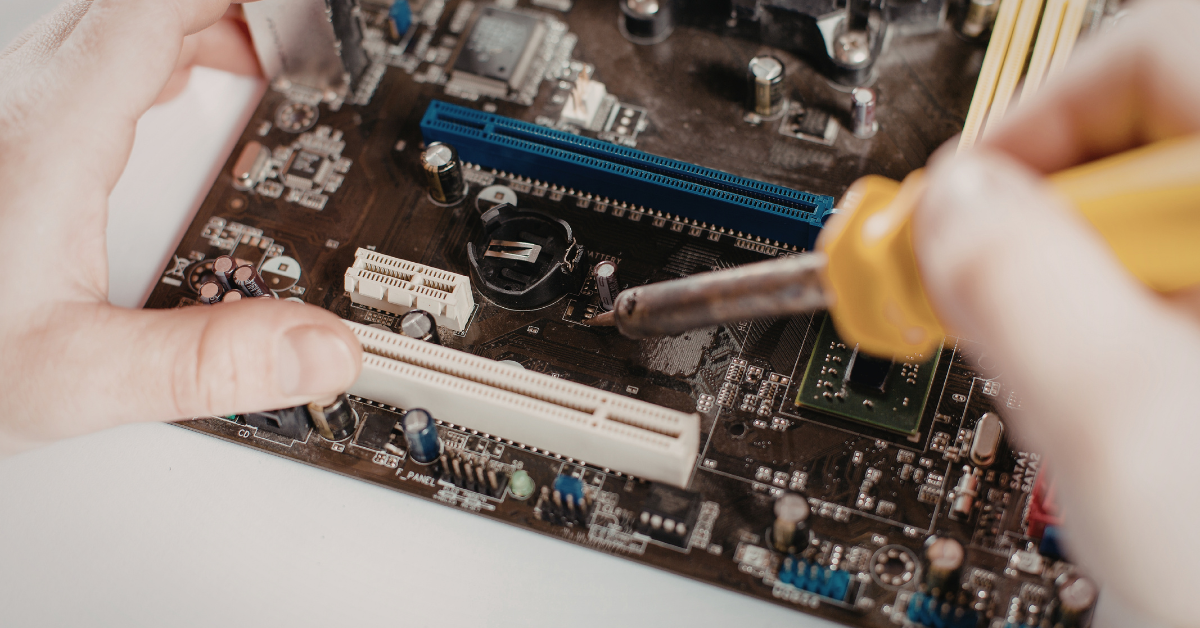
Introduction to Hand-Mounted Tools and Multi-Tools
Hand-mounted tools and standard multi-tools serve distinct purposes in the realm of practicality and user needs. Hand-mounted tools, such as hammers, screwdrivers, and pliers, are designed for specific tasks, offering a more specialised application. These tools tend to provide higher precision and greater effectiveness in individual tasks due to their tailored design. They are commonly used in various settings, including construction sites, workshops, and home improvement projects, where reliability and performance are paramount.
On the other hand, standard multi-tools are designed to be versatile, incorporating a variety of functions within a single unit. These tools often include features such as knives, screwdrivers, can openers, and pliers, making them ideal for users seeking convenience and multi-functionality. Their compact size and lightweight design make them particularly appealing for outdoor enthusiasts, travellers, and individuals needing to perform multiple tasks on the go. While they may lack the performance level seen in hand-mounted tools, their capability to deliver various utilities in one tool makes them valuable in many situations.
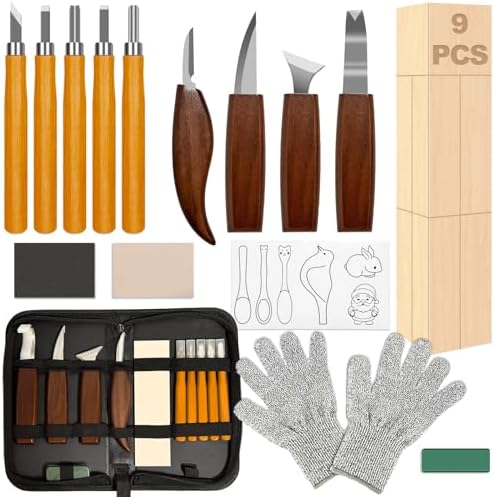
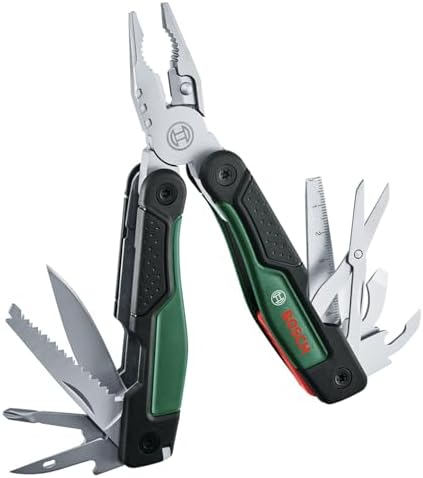


Understanding the fundamental differences between these two types of tools is crucial for selecting the right equipment for a project or situation. For tasks that require specific skills and performance, hand-mounted tools typically outperform multi-tools. Conversely, for users who prioritise portability and versatility, a standard multi-tool might be the better choice. As we delve deeper into the functionalities of each, it becomes evident how users can make informed decisions based on their needs and tasks at hand.
The Advantages of Hand-Mounted Tools
Hand-mounted tools offer several advantages over standard multi-tools, making them a preferred choice for many professionals and hobbyists alike. One of the most notable strengths of hand-mounted tools is their precision. These tools are specifically designed for particular tasks, allowing for greater accuracy and control. For example, a hand-mounted router can create intricate patterns in wood with a degree of finesse that a multi-tool simply cannot match. This precision is crucial in fields such as woodworking, metalworking, and even electronics, where the smallest miscalculation can result in significant errors.
Ease of use is another remarkable benefit of hand-mounted tools. Many of these tools are ergonomically designed, making them comfortable to hold and operate for extended periods. For instance, hand drills and screwdrivers are typically lighter than multi-tools, reducing user fatigue during prolonged use. The straightforward nature of these tools means that even those with minimal experience can quickly learn to use them effectively, which is particularly advantageous in educational settings or for DIY enthusiasts.
Versatility also defines hand-mounted tools, as they can cater to a wide range of tasks. For example, toolsets containing hand-mounted pliers, wrenches, and scissors can be invaluable in various industries, including construction, automotive repair, and crafting. Each tool serves a distinct purpose, enabling users to accomplish specialised tasks efficiently. Moreover, hobbies such as knitting or model building benefit from the precision tools available, ensuring that enthusiasts can achieve detailed work that reflects their skills and creativity.
Overall, the advantages of hand-mounted tools stem from their precision, ease of use, and versatility, making them indispensable for those who seek reliability and quality in their work.
The Benefits of Standard Multi-Tools
Standard multi-tools have surged in popularity due to their remarkable convenience, portability, and multi-functionality. These versatile tools are engineered to serve as all-in-one solutions for a variety of tasks, making them an essential accessory for professionals and DIY enthusiasts alike. Their compact design allows individuals to carry multiple functions within a single unit, ensuring that they are well-equipped for both everyday challenges and unforeseen emergencies.
One of the significant advantages of standard multi-tools is their ability to consolidate various functions into one compact tool. Many models feature a combination of pliers, screwdrivers, blades, and even specialised tools like can openers and saws. This multifaceted design simplifies chores, whether one is assembling furniture, tackling minor repairs, or tending to outdoor activities such as camping and hiking. The ease of carrying these tools means they become an indispensable component of daily life, often kept in a pocket, bag, or vehicle for quick access.
Moreover, standard multi-tools excel in emergency situations. Picture being in a scenario where a minor home repair is urgently needed or when a sudden crisis arises while out in nature. In these instances, having a standard multi-tool on hand can be a game-changer. The ability to shift between different functionalities without needing a separate toolbox optimizes efficiency and effectiveness, allowing individuals to respond swiftly and decisively.
Lastly, with the advancement in design and materials, modern standard multi-tools are often crafted to endure rigorous use, combining durability with ease of handling. Thus, they not only enhance productivity in normal circumstances but also assure peace of mind, knowing that one has a reliable, versatile tool at their disposal. Overall, the benefits of standard multi-tools cannot be overstated, making them a favourable option compared to traditional hand-mounted tools.
Comparison of Functionality and Performance
When evaluating hand-mounted tools and standard multi-tools, one must consider their functionality and performance across a range of applications. Hand-mounted tools, designed for specific tasks, often excel in craftsmanship and finesse. Each tool is targeted, ensuring users can achieve high levels of precision and control. For instance, a hand-mounted screwdriver allows for meticulous adjustments that multi-tools, equipped with interchangeable bits, may not replicate effectively due to the inherent design constraints.
On the other hand, standard multi-tools offer versatility and convenience, serving multiple functions in one compact unit. These tools are particularly advantageous in situations where space is limited or when a range of tasks needs to be addressed quickly. Their performance, while commendable for general use, can be less favourable in specialised tasks. For example, while a multi-tool can handle various screwing jobs, the torque and leverage delivered by a dedicated hand-mounted screwdriver are superior.
Durability is another aspect where hand-mounted tools tend to shine, as they are often constructed from robust materials designed for specific uses. Multi-tools, though typically crafted with sturdy builds, might compromise on durability to maintain lightness and compactness. Furthermore, ease of use varies significantly; dedicated tools generally promote better ergonomics, facilitating an easier user experience, particularly in repetitive tasks. Comparatively, while multi-tools are lauded for their compactness, some may require a learning curve to navigate multiple functions efficiently.
Overall, the choice between hand-mounted tools and standard multi-tools hinges on the specific requirements of the task at hand. Users must weigh the benefits of precision and durability against versatility and convenience, aligning their choice with the intended application.
Cost Analysis: Hand-Mounted Tools vs Multitools
When comparing hand-mounted tools to standard multi-tools, understanding the cost implications becomes essential for informed decision-making. The initial investment in these tools varies significantly, often influenced by the type and brand. Hand-mounted tools, known for their specialised functions, typically require a larger upfront cost, particularly if one opts for high-quality, durable versions. A common example includes hand-mounted chisels or gouges, which are designed for specific tasks, leading to a more significant investment per tool.
In contrast, multi-tools present a more budget-friendly initial expenditure. These versatile gadgets combine several functions into one tool, often at a lower price point than purchasing each individual tool separately. However, it is essential to consider the trade-off in terms of functionality, as the performance of multi-tools in specific tasks may not match that of dedicated hand-mounted tools.
Maintenance costs also warrant attention when evaluating the long-term financial implications of both types of tools. Hand-mounted tools generally require regular upkeep, including sharpening and occasional repairs to maintain efficiency. While this can be viewed as an investment in quality and longevity, it can also contribute to additional costs over time.
Multi-tools, meanwhile, may require less frequent maintenance but can face durability issues, particularly if subjected to heavy use. This can lead to a shorter lifespan compared to hand-mounted tools, potentially necessitating a replacement sooner than expected. Therefore, while the initial costs for multi-tools may be lower, the long-term value could be compromised depending on usage patterns.
In conclusion, the choice between hand-mounted tools and multi-tools is not solely determined by the price tag. One must consider long-term investment, maintenance requirements, and the intended use of the tools. Making an informed decision based on these factors will ultimately lead to better satisfaction and functionality in the long run.
User Experience and Ergonomics
The choice between hand-mounted tools and standard multi-tools often hinges on user experience and ergonomic design. Ergonomics refers to how tools are designed for maximum efficiency and comfort during use, an essential consideration for any effective tool selection. Hand-mounted tools are tailored for specific tasks, emphasising comfort and ease of handling. Their design often allows for better weight distribution, reducing strain on the user’s hand, which is particularly beneficial for prolonged use.
On the other hand, standard multi-tools offer versatility by incorporating multiple functionalities into one unit. However, this duality can sometimes compromise user comfort. The compact design, while convenient, might lead to awkward gripping positions or difficulty in accessing various tools quickly. Users might encounter limitations in ergonomics, particularly if the multi-tool requires complex manoeuvres to switch between functions, potentially reducing overall efficiency and increasing user fatigue.
For different users and scenarios, the implications of ergonomics in tool design can significantly influence decision-making. Professionals or enthusiasts who frequently engage in extended periods of manual tasks may gravitate towards hand-mounted tools that optimise comfort and usability. In contrast, individuals seeking versatility for occasional use may prefer the practicality of a multi-tool, despite potential ergonomic drawbacks. Ultimately, both tool types serve unique purposes and satisfy different user needs, emphasising the importance of evaluating comfort, ease of handling, and overall efficiency when making a choice. Selecting the right tool is not just about function but also about how it fits into the user’s lifestyle and tasks at hand.
Real-World Applications and User Testimonials
Hand-mounted tools and standard multi-tools, while both serving versatile purposes, find their strongest advocates among various user demographics based on specific needs and experiences. User testimonials reveal distinct scenarios where each type of tool excels, offering insights into their practicality and effectiveness.
For instance, hobbyist woodworkers often prefer hand-mounted tools for their precision and control. A passionate craftsman shared his experience with a tailored hand-chisel set, stating, “Using these tools allows me to achieve fine details that a multi-tool simply cannot match. The tactile feedback I get from hand-mounted chisels makes the process more satisfying and rewarding.” This sentiment echoes among many who appreciate the craftsmanship and the nuances that can be attained through manual tools.
On the other hand, professionals who frequently work on-site, such as electricians and plumbers, tend to gravitate toward standard multi-tools. One electrician recounted a scenario where his multi-tool saved him time and effort during a critical job: “I was in a tight spot and needed a screwdriver and pliers. My multi-tool had those integrated, which made it easy to switch tasks without rummaging through my toolbox. It streamlined my work significantly, ultimately leading to quicker completion of the job.” This highlights how multi-tools can enhance efficiency in demanding environments.
Moreover, outdoor enthusiasts, such as campers and hikers, value multi-tools for their survival capabilities. A camper expressed how his compact multi-tool was a game-changer during a hiking trip: “It had a knife, a bottle opener, and even a mini saw. When we needed to set up camp quickly, having it at hand made a world of difference. It’s a lightweight, all-in-one solution that fits perfectly in my backpack. ” Such user experiences underscore the adaptability of multi-tools in various practical situations.
Through testimonials from diverse user groups, it becomes evident that both hand-mounted tools and standard multi-tools hold distinct advantages tailored to specific applications and user needs, reinforcing their roles in an effective toolkit.
Expert Opinions: What Professionals Prefer
In the context of tool selection, insights from seasoned professionals can provide valuable clarity on whether hand-mounted tools or standard multi-tools are more effective in practical scenarios. Various tradespeople, craftsmen, and DIY enthusiasts offer a spectrum of preferences based on their diverse experiences.
For instance, John, a master carpenter with over 20 years of experience, asserts, “While multi-tools provide convenience, I often rely on hand-mounted tools for precise work. The accuracy and control they offer when making fine cuts can’t be matched by the versatility of a multi-tool.” His sentiment reflects a common perspective in trades where precision is paramount.
Conversely, Sarah, a plumbing specialist, emphasises the utility of multi-tools in her daily tasks. “In tight spots where I can’t use larger tools, a good multi-tool becomes indispensable. It combines multiple functions, which means I carry less equipment and can quickly switch tasks, improving my efficiency on the job.” This highlights how multi-tools can serve their purpose effectively in specific situations, particularly where mobility is crucial.
Additionally, Tom, a DIY home renovation expert, offers a balanced view: “For most of my projects at home, I prefer hand tools. They feel more intuitive and provide a sense of craftsmanship that a multi-tool can’t replicate. Yet, for quick fixes or during outdoor activities, a multi-tool’s practicality cannot be overlooked. Each has its place in my toolkit.” This opinion accentuates the idea that both types of tools have unique advantages depending on the user’s needs and context.
Through these expert opinions, it becomes evident that while hand-mounted tools are favoured for precision tasks, standard multi-tools hold substantial appeal for their versatility and convenience, showcasing the importance of context in choosing the right tool for the job.
Conclusion: Making the Right Choice for Your Needs
Choosing between hand-mounted tools and standard multi-tools requires careful consideration of one’s individual needs and preferences. Both types of tools have their advantages and potential shortcomings depending on the context in which they are used. Hand-mounted tools offer a level of precision and efficiency that can enhance work quality, particularly for professionals or enthusiasts focusing on specialised tasks. These tools are often easier to handle for intricate projects, as they are typically designed for specific functionalities.
On the other hand, standard multi-tools provide versatility that is highly beneficial for those who appreciate having a range of functionalities in a single, compact package. For everyday users or those who require tools for varying projects, multi-tools are often favoured due to their portability and convenience. Individuals who engage in outdoor activities, camping, or even minor home repairs may find that a multi-tool suits their needs perfectly.
When deciding which tool to opt for, it is crucial to assess the types of tasks you commonly undertake. If your work demands speciality tools that ensure absolute precision, investing in quality hand-mounted tools would be advisable. Conversely, if flexibility and convenience are paramount, especially for unpredictable tasks, a reliable multi-tool could be the ideal selection. The key is to evaluate how frequently you will use the tools and in what contexts to make an informed choice that aligns with your needs.
Ultimately, understanding the distinct features of hand-mounted tools versus standard multi-tools will aid in your decision-making process. By aligning your choice with practical considerations, you can enhance your efficiency and effectiveness in handling various tasks, whether at home or on the go.