

Introduction to the Keto Diet
The ketogenic diet, often referred to as the keto diet, is a high-fat, low-carbohydrate dietary regimen that has gained significant traction in health and wellness circles. The primary principle behind the keto diet is to shift the body’s metabolism from burning carbohydrates as its primary source of energy to utilizing fats. This metabolic state is known as ketosis, where the body becomes highly efficient at burning fat for fuel.
The diet typically consists of a macro distribution where about 70-75% of daily caloric intake comes from fats, around 20% from protein, and only about 5-10% from carbohydrates. This drastic reduction in carbohydrate intake forces the body to look for alternative energy sources, thus promoting weight loss and potentially offering numerous health benefits.


One of the primary reasons for the popularity of the ketogenic diet is its efficacy in weight loss. Many individuals have reported significant weight loss results, attributing this success to decreased appetite and enhanced fat oxidation. In addition to weight management, research suggests that the keto diet may provide improvements in various health markers, including blood sugar levels, insulin sensitivity, and even cognitive function.
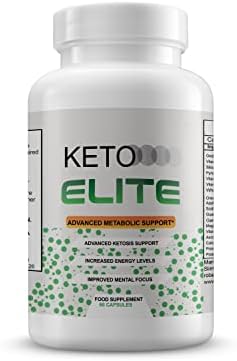
As more people turn to this dietary approach, the introduction of keto supplements has also become increasingly common. These supplements aid beginners in achieving and maintaining ketosis, particularly during the initial transition period, which can be challenging. By facilitating the transition and enhancing the overall keto experience, supplements can play a crucial role in a successful ketogenic journey. This sets the stage for further discussion on the best keto supplements for beginners in 2026, ensuring individuals can navigate this diet effectively while maximizing its benefits.
Why Supplements Matter on a Keto Diet
Embarking on a ketogenic (keto) diet can be an exciting yet challenging journey, especially for beginners. One of the primary hurdles faced by those new to keto is the occurrence of nutrient deficiencies. By significantly reducing carbohydrate intake and focusing on high-fat foods, individuals may unintentionally omit a variety of essential nutrients required for optimal health. This alteration in dietary patterns can lead to issues such as fatigue, dizziness, and even muscle cramps.
Another challenge commonly associated with the onset of a keto diet is the so-called ‘keto flu.’ Symptoms of this condition can include headaches, nausea, and irritability, typically arising as the body adjusts to low carbohydrate availability. The transition into ketosis, characterized by a reliance on fat for energy instead of carbs, may be accompanied by these uncomfortable symptoms. As the body adapts, it is crucial to ensure that nutrient requirements are met, which is where the role of supplements becomes vital.
Supplements can serve to bridge the nutritional gap that may emerge during the early stages of a keto diet. For instance, electrolytes such as sodium, potassium, and magnesium are often depleted when carbohydrate intake is minimized. Including electrolyte supplements can help alleviate symptoms of the keto flu and support overall well-being. Additionally, introducing a high-quality multivitamin can address potential deficiencies in vitamins and minerals that may occur as a result of dietary changes.
Furthermore, specific supplements like omega-3 fatty acids and exogenous ketones can enhance the benefits of a ketogenic lifestyle, supporting mental clarity and energy levels. These supplements not only assist in making the transition smoother but can also optimize the effectiveness of the diet, contributing to improved weight loss success and better health outcomes. Overall, understanding the complexities of a keto diet and the associated challenges can empower beginners to leverage supplements effectively, ensuring a more comfortable journey into ketosis.
Key Keto Supplements for Beginners
Embarking on a ketogenic diet can be an overwhelming experience for newcomers. To facilitate this transition and ensure optimal wellness, several key keto supplements can play a vital role. Below, we explore some of the most recommended supplements that are particularly beneficial for those just starting their keto journey.
MCT Oil: Medium-chain triglycerides (MCTs) are a popular supplement derived from coconut oil. MCT oil is rapidly absorbed by the body and converted into ketones, providing a quick energy source. For beginners, incorporating MCT oil can assist in enhancing fat adaptation—a critical phase when starting a keto diet. Its ability to curb cravings can also aid in maintaining the diet’s low carbohydrate requirements.
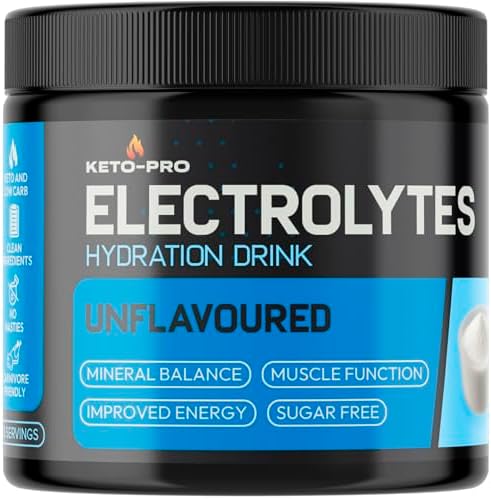
Electrolytes: As the body transitions to burning fat for fuel, it expels significant water weight, which can deplete essential electrolytes such as sodium, potassium, and magnesium. Supplementing electrolytes ensures that beginners do not face symptoms commonly associated with “keto flu,” such as fatigue and muscle cramps. Replenishing electrolytes is crucial for maintaining energy levels and promoting overall wellbeing.
Omega-3 Fatty Acids: These essential fats, often sourced from fish oil, are notable for their anti-inflammatory properties. Beginners may find that their diets become skewed in favor of omega-6 fatty acids due to increased consumption of specific fats typically emphasized in ketogenic eating plans. Ensuring a balanced intake of omega-3s can support brain health and cardiovascular function while helping to mitigate potential inflammation.
Incorporating these key supplements into a ketogenic regimen can greatly support beginners, enhancing their ability to adapt to the diet. Utilizing these supplements appropriately can help set the foundation for a successful keto journey, promoting comfort, health, and overall well-being during the transition phase.
MCT Oil: The Energy Booster
Medium-chain triglyceride (MCT) oil is a popular supplement widely recognized for its potential to enhance energy levels, especially for those adhering to a ketogenic diet. MCTs are a type of saturated fat that is metabolized differently than long-chain fatty acids. Unlike other fats that require bile salts for digestion, MCTs are readily absorbed and transported directly to the liver, where they can be converted into ketones. This rapid conversion makes MCT oil an excellent source of quick energy, helping individuals maintain their energy levels during the transition into ketosis.
The benefits of incorporating MCT oil into a ketogenic lifestyle are multifaceted. First, it supports the body’s energy needs, particularly during the initial stages of keto adaptation when energy levels may dip. Secondly, MCT oil may aid in enhancing cognitive function, as ketones produced from MCTs can serve as a potent fuel source for the brain. Additionally, some studies suggest that MCT oil may help with appetite regulation, potentially making it easier for beginners to manage their caloric intake while on a keto diet.
To incorporate MCT oil effectively into your diet, consider starting with one tablespoon per day and gradually increasing to two or three tablespoons as your body adapts. MCT oil can be added to your morning coffee, smoothies, salad dressings, or even used in cooking. It is important to note that while MCT oil can provide substantial energy support, it should complement a well-rounded, keto-friendly diet consisting of healthy fats, proteins, and low-carbohydrate vegetables. This holistic approach will help maximize the advantages of MCT oil and promote a successful transition into a ketogenic lifestyle.
Electrolytes: Combatting Imbalance
Electrolytes play a crucial role in maintaining hydration and regulating various bodily functions, especially for those following a ketogenic diet. Key electrolytes include sodium, potassium, and magnesium, which help prevent symptoms commonly referred to as the ‘keto flu.’ This temporary condition may occur as the body adjusts to ketosis, leading to issues such as headaches, fatigue, and nausea. To mitigate these symptoms, it is essential to ensure adequate intake of these vital minerals.
One of the primary reasons for electrolytic imbalance during a ketogenic diet is that the body tends to excrete more water and electrolytes through urine when a low carbohydrate intake is adopted. Therefore, supplementing with electrolytes can be beneficial in combating these imbalances. Sodium, often associated with salt, can easily be added to meals, while potassium can be sourced from foods such as avocados, leafy greens, and mushrooms. Magnesium-rich foods include nuts, seeds, and dark chocolate.
While whole foods are an excellent way to obtain electrolytes, supplementation can also be considered, especially for beginners who might struggle to consume sufficient quantities of these foods daily. Electrolyte supplements can be found in various forms, including powders, capsules, and electrolyte drinks, providing a convenient option for those on the go. When selecting a supplement, it’s important to choose one with an appropriate balance of sodium, potassium, and magnesium to effectively support hydration and overall wellness.
In conclusion, maintaining adequate levels of electrolytes is essential for those embarking on a ketogenic journey. Whether through careful dietary choices or strategic supplementation, ensuring your body receives the necessary electrolytes will help combat imbalances and improve the transition into ketosis.
Omega-3 Fatty Acids: Supporting Overall Health
For individuals embarking on a ketogenic journey, the inclusion of omega-3 fatty acids is critical to enhance overall health. These essential fats are known for their numerous health benefits, particularly in relation to inflammation reduction, heart health, and the maintenance of a balanced omega-6 to omega-3 ratio, which is crucial for optimal well-being.
Studies have highlighted that omega-3 fatty acids can significantly reduce inflammation in the body, a common concern for those following a high-fat diet. By incorporating these fats, beginners on the keto diet may experience improved joint health, reduced muscle soreness, and even better recovery times post-exercise. Consequently, this support can lead to an enhanced ability to stay committed to the ketogenic lifestyle.
Furthermore, omega-3 fatty acids are essential for cardiovascular health. They contribute to lowering triglyceride levels, reducing blood pressure, and decreasing the risk of heart disease, which is vital for those who may have existing health concerns or a family history of such issues. Including omega-3s can support a heart-healthy diet while adhering to the principles of keto.
Sources of omega-3 fatty acids include fatty fish, such as salmon and sardines, flaxseeds, chia seeds, and walnuts. Those who may not consume sufficient amounts through diet can consider supplements like fish oil or algal oil to meet their nutritional needs. The recommended dosage varies, but many health experts suggest aiming for 250-500 mg of combined EPA and DHA daily to derive the most benefits.
Incorporating omega-3 fatty acids into a ketogenic routine is not only beneficial for maintaining overall health but is vital for supporting the unique dietary approach that the keto lifestyle entails. As such, understanding the importance of these critical fats can help beginners establish a solid foundation for their health journey.
Protein Powders: Choosing the Right One
When embarking on a ketogenic diet, maintaining adequate protein intake is essential, particularly for those engaged in regular physical activity or aiming to preserve muscle mass. Protein powders can serve as a convenient source of high-quality protein, aiding in muscle recovery and growth while complementing a low carbohydrate lifestyle.
One of the primary options available is whey protein, which is derived from milk and known for its rapid absorption. Whey protein is particularly beneficial post-workout, as it supports muscle repair and growth. Users should look for products with minimal carbohydrates and no added sugars to align with keto principles. Additionally, isolates are preferable over concentrates due to their higher protein content and lower fat and carbohydrate levels.
Another option is casein protein, also milk-derived, which digests more slowly than whey. This slow release of amino acids can be advantageous for muscle maintenance throughout the day, making casein a suitable choice for a late-night shake. However, individuals who are lactose intolerant should approach casein with caution, as it may cause digestive discomfort.
For those adhering to a plant-based diet, several alternatives exist, including pea protein, hemp protein, and brown rice protein. These plant-based options can provide adequate protein while being naturally low in carbohydrates. It is essential to choose plant proteins that offer a complete amino acid profile to ensure they fulfill the body’s protein needs effectively.
When selecting a protein powder, consider factors such as the source of protein, amino acid composition, additional ingredients, and overall taste. A quality protein powder should align with your dietary preferences while effectively supporting your keto lifestyle, helping to stay on track in achieving your health and fitness goals.
Tips for Selecting Quality Supplements
When venturing into the keto lifestyle, choosing the right supplements can significantly impact your success. As a beginner, it’s essential to prioritize quality supplements that support your dietary goals. To help you navigate the plethora of options available in the market, consider the following practical advice.
First and foremost, ingredient transparency is crucial. Look for products that provide a detailed listing of all ingredients on the label. High-quality supplements should include natural components and straightforward, recognizable ingredients. Be cautious of products with overly complex names or proprietary blends that do not disclose exact amounts of each component.
Additionally, third-party testing enhances credibility. Reputable manufacturers often submit their products to independent labs for testing. This process ensures that the supplements contain what the label claims and are free from harmful contaminants. Look for certifications or seals that indicate third-party verification, which can be a sign of quality assurance.
Furthermore, consider certifications such as GMP (Good Manufacturing Practices) or NSF (National Sanitation Foundation). These certifications indicate that the product adheres to rigorous safety and quality standards during production. This can provide added peace of mind that you are consuming a supplement that is safe and effective.
Also, it is wise to avoid products with unnecessary fillers, binders, or artificial ingredients. These additives can detract from the overall effectiveness of the supplement and may lead to unwanted side effects. Instead, opt for supplements that prioritize purity and simplicity in their formulations.
By focusing on these critical aspects, you can make informed decisions when selecting supplements, setting a solid foundation for your ketogenic journey ahead.
Conclusion and Final Tips
In considering a ketogenic diet, beginners often face challenges in adjusting to a new way of eating. Utilizing keto supplements can significantly enhance your dietary experience by providing essential nutrients that may be lacking in a traditional ketogenic approach. These supplements can help optimize your transition into ketosis, support energy levels, and improve overall well-being during the initial phases of the diet.
As you embark on your keto journey, remember that supplements such as exogenous ketones, MCT oil, and electrolytes are beneficial in maintaining your energy and helping manage symptoms of the “keto flu”. It is essential to select high-quality products that align with your dietary goals and consult with healthcare professionals if you have any existing health conditions or concerns.
Moreover, incorporate keto-friendly foods alongside your supplements to create a well-rounded diet. Focus on whole foods like avocados, leafy greens, nuts, and protein sources to provide your body with the nutrients it requires while staying within your macronutrient goals. Additionally, staying hydrated and ensuring adequate electrolyte intake are crucial for avoiding common pitfalls associated with the ketogenic diet.
As you progress through your keto journey, be patient with yourself. The body may take time to adjust, and it’s normal to encounter obstacles along the way. Use these supplements as tools to aid you in creating sustainable habits that support your long-term health. Remember to track your progress, celebrate small victories, and maintain a positive mindset.
Engaging with community resources and forums can also provide valuable insight and encouragement. Connecting with others on a similar dietary path can enhance motivation and offer support. Ultimately, by embracing a comprehensive approach that includes keto supplements alongside healthy eating habits, you are paving the way for a successful and enjoyable ketogenic experience.