

Introduction to Thermal Blankets and Their Importance in Cold Weather
Thermal blankets, often referred to as emergency or survival blankets, are specialized insulating materials designed to help retain body heat, particularly during cold weather conditions. These blankets are typically made from lightweight, durable materials such as Mylar or similar reflective fabrics that effectively trap warmth while being easy to carry. Their primary function lies in heat retention; this is crucial during extreme weather events, where losing body heat can pose serious health risks, including hypothermia.
The significance of thermal blankets extends beyond mere comfort; they are often a critical component of cold-weather survival kits. In scenarios such as camping in frigid temperatures or being stranded due to adverse weather conditions, having a thermal blanket on hand can be life-saving. These blankets are designed to reflect up to 90% of body heat back to the individual, which helps to significantly mitigate the risk of heat loss and maintain core temperature.
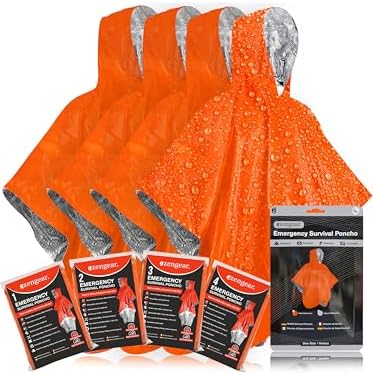
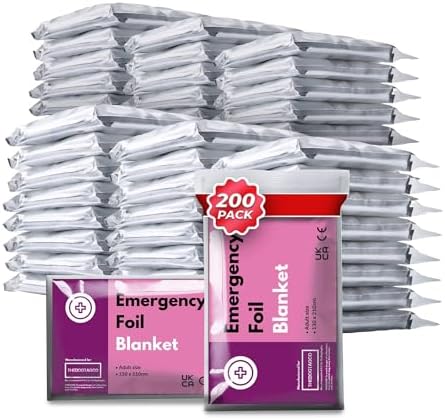


Beyond outdoor applications, thermal blankets also find their value in emergency preparedness and response. First responders and rescue teams often carry these lightweight blankets to assist individuals who may be in shock or suffering from severe exposure to cold. Their compact size allows them to be included in any emergency kit, making them a versatile tool for both personal safety and community health. Furthermore, the affordability and availability of thermal blankets make them accessible for individuals and families looking to enhance their preparedness for winter emergencies.
In summary, thermal blankets play an essential role in cold-weather survival by providing an effective means of heat retention. Whether for outdoor adventures or emergency situations, their importance cannot be overstated, as they serve as a vital resource in maintaining warmth and ensuring safety during chilling conditions.
Understanding Heat Retention: The Science Behind Thermal Blankets
Heat retention in thermal blankets is governed by several scientific principles that dictate how well these fabrics can maintain warmth. The primary factor at play is the material’s thermal conductivity, which is the ability of a material to conduct heat. Fabrics characterized by low thermal conductivity, such as fleece and wool, are often utilized in thermal blankets, as they offer significant resistance to heat transfer.
Another critical aspect is the concept of insulation, commonly measured by R-values. The R-value represents the effectiveness of a material in preventing heat loss; a higher R-value indicates better insulating properties. Thermal blankets generally have a higher R-value due to their layered constructions and the use of specialized materials that trap air, one of the best insulators, thereby minimizing heat escape.
In addition to the fabrics used, the structure of thermal blankets plays a vital role in their ability to retain heat. Many thermal blankets incorporate various insulating techniques such as quilting, which creates air pockets that provide additional barriers to heat loss. Moreover, moisture barriers are essential in cold-weather conditions, as they help prevent dampness from escaping or accumulating within the blanket. Moisture can significantly affect heat retention, thus making these barriers crucial for optimal warmth.
Furthermore, understanding the physics behind warmth is essential. Heat naturally flows from warmer areas to cooler ones. Therefore, a well-designed thermal blanket encapsulates body heat while simultaneously minimizing external cold penetration. The combination of suitable fabric, effective insulation, and structural elements results in a product that is capable of providing excellent warmth in harsh cold-weather environments. By exploring these scientific principles, consumers can make informed choices when selecting thermal blankets for optimal heat retention.
Key Features to Consider When Choosing a Thermal Blanket
When selecting a thermal blanket, several key features should be considered to ensure optimal performance for your intended use. The most significant aspect is insulation type, as different materials offer varying levels of heat retention. Common insulation materials include polyester, fleece, and mylar, each boasting unique capabilities pertaining to warmth and weight. For instance, mylar blankets are often favored for survival situations because of their lightweight and exceptional insulation properties.
Another critical factor is material durability. A thermal blanket should withstand the rigors of outdoor activities or the wear and tear of regular use. Look for blankets made with high-quality, rip-resistant materials, which ensure longevity, especially if you plan to use them in strenuous conditions such as camping or in emergency situations.
Weight is also an important consideration, particularly for those who prioritize portability. A lightweight thermal blanket can easily be packed for travel, making it easier to carry during hikes, camping trips, or simply store in emergency kits. However, there is often a trade-off between weight and insulation, so it’s essential to balance these attributes according to your needs.
Compactness is closely related to weight and is equally vital for portability. Many thermal blankets are designed to fold into small sizes or come with compression bags, enhancing their ease of storage and transport. Before purchasing, consider how much space you have available for storage and how you will carry the blanket.
Finally, ease of cleaning should not be overlooked. A thermal blanket that is machine-washable will save time and labor, especially if it is used outdoors or in conditions where dirt and debris are prevalent. In conclusion, taking into account insulation type, material durability, weight, compactness, and cleaning ease can significantly impact your choice of thermal blanket, ensuring you select the best option for your needs.
Top-Rated Thermal Blankets of 2023: A Comparative Overview
As winter approaches, ensuring adequate warmth becomes a priority for many. This year, a selection of top-rated thermal blankets promises exceptional heat retention and is ideal for both indoor and outdoor use. Below is a curated list of some of the best thermal blankets available in 2023, complete with their unique features and performance metrics.
1. Oodie Blanket – Rating: ★★★★★
The Oodie has gained popularity for its oversized design and plush exterior, providing unmatched comfort. Its blend of ultra-soft fleece and Sherpa lining contributes to impressive heat retention, making it perfect for lounging indoors on cold evenings. Users have highlighted its versatility, as it can also be used during camping trips.
2. ThermoBlanket – Rating: ★★★★☆
Designed with advanced heat-reflective technology, the ThermoBlanket is engineered to maintain body warmth effectively. It is lightweight and portable, making it suitable for both outdoor activities and as a regular blanket at home. Users appreciate its compact nature, allowing for easy storage and transport. Outdoors, it serves as an excellent windbreak.
3. Mellow Warmth Thermal Blanket – Rating: ★★★★
Slightly heavier than its competitors, the Mellow Warmth Thermal Blanket excels in heat retention thanks to its dense fabric. It is an excellent choice for colder climates, providing exceptional warmth without compromising breathability. Customers commend its durability and ease of maintenance, marking it as a long-lasting investment for winter survival.
4. Flannel Fleece Blanket – Rating: ★★★★☆
Perfect for cocooning oneself during chilly nights, this flannel fleece blanket is soft and warm, offering excellent insulation. Available in various sizes and styles, it adapts well to different environments, be it a cozy living room or an adventurous outdoor setting. The blanket has received praise for its affordability combined with quality.
Each of these thermal blankets provides distinctive features that cater to various needs, making them top contenders for heat retention in varying situations. Their respective star ratings reflect user satisfaction and overall performance, helping consumers make informed decisions as winter approaches.
Real-Life Survival Testing: Heat Retention Performance of Thermal Blankets
In order to thoroughly evaluate the heat retention performance of various thermal blankets, a series of real-life survival tests were conducted in controlled cold environments. This process aimed to simulate extreme weather conditions where these blankets would typically be utilized, such as camping trips during winter or emergency situations in frigid climates.
The testing began with a selection of top-rated thermal blankets, chosen based on their materials, user reviews, and manufacturer claims regarding insulation properties. Each blanket was subjected to a range of temperatures, including below freezing conditions to ascertain their effectiveness in retaining heat. During the trials, participants were equipped with thermometers to measure their body temperatures while being wrapped in the blankets.
To ensure a comprehensive analysis, test subjects varied in size, weight, and personal comfort levels. The data collected included temperature readings taken at regular intervals over several hours, allowing researchers to monitor how each blanket performed over time. Participants were also surveyed regarding their subjective experiences, noting feelings of warmth or discomfort while using the blankets.
In addition to personal feedback, photographs and observational notes were taken to document the physical state of each blanket after prolonged use. This included assessments of fabric integrity, any noticeable wear, and the effectiveness of features such as reflective surfaces or additional insulation layers. The combination of quantitative data and qualitative insights painted a clear picture of how each thermal blanket functioned in the context of real-life survival scenarios.
The findings not only highlighted significant variations between the blankets’ performances but also provided valuable insights into user preferences and practical usability in challenging situations. Ultimately, these results serve as a fundamental resource for consumers seeking reliable insulation options for cold-weather survival.
User Experiences and Testimonials: What Real Users Say About Thermal Blankets
When considering a purchase, firsthand experiences often serve as invaluable resources. This section presents various user testimonials regarding several top-rated thermal blankets, shedding light on their effectiveness in cold weather conditions. Many users have reported significant satisfaction with the heat retention capabilities of these blankets, often attributing their comfort during harsh winter nights to the thermal materials used in their construction.
For instance, one user noted that their high-performance thermal blanket effectively trapped body heat without adding excessive weight, making it ideal for both indoor use and outdoor activities such as camping. This user rated the blanket five stars for its balance of warmth and portability, emphasizing how it kept them cozy even in sub-zero temperatures.
Another user shared their experience with a specific brand known for its durable thermal blankets. They expressed that after using it for several cold nights, they realized the substantial difference in heat retention compared to standard blankets. The reviewer highlighted the blanket’s ability to resist moisture, thereby enhancing its usability in various conditions, including rainy camping trips. A satisfying overall rating of four and a half stars was given, reinforced by their plans to purchase additional blankets.
In contrast, some reviews reflect a less favorable experience, with users mentioning challenges related to material durability or comfort. One user expressed disappointment over the thermal blanket’s fabric, stating that it became scratchy after multiple washes, which affected the overall sleeping experience. Such feedback is crucial for potential buyers, offering a rounded perspective on the product.
Overall, the majority of users have praised thermal blankets for their ability to provide warmth and comfort, emphasizing their role in achieving restful sleep during cold weather. These real-world experiences can aid prospective buyers in making informed decisions about which thermal blanket might best suit their needs.
Maintenance and Care: How to Extend the Lifespan of Your Thermal Blanket
To ensure that your thermal blanket remains effective in heat retention and serves you well during cold weather, proper maintenance and care are essential. One of the first considerations is the washing process. It is advisable to always check the care label on your blanket, as different materials may require specific washing instructions. Generally, using a gentle cycle with cold water is recommended to preserve the blanket’s fabric integrity and thermal properties. Avoid using bleach or fabric softeners, as these can damage the fibers and reduce the heat-retention capabilities of the blanket.
When it comes to drying your thermal blanket, air drying is typically the best approach. If you must use a dryer, select a low heat setting and remove the blanket while it is still slightly damp to prevent over-drying, which can lead to a loss of insulation properties. Regular washing is necessary to keep your blanket clean, but it should not be overdone; aiming for every few months or as needed will suffice.
Proper storage is another vital aspect of maintaining your thermal blanket. Store it in a cool, dry area away from direct sunlight to avoid fading and deterioration. Folding the blanket neatly or storing it in a breathable bag helps prevent creasing, which can weaken the material over time. Furthermore, check for any signs of wear and tear, such as frayed edges or small holes. Minor repairs can often be performed with fabric patches or sewing, thus extending the blanket’s life. Overall, being attentive to these maintenance practices will enhance your thermal blanket’s durability and efficiency in providing warmth when needed most.
Budget-Friendly vs. Premium Options: Finding the Right Blanket for You
When it comes to purchasing thermal blankets, consumers often face a choice between budget-friendly and premium options. Understanding the distinctions between these two categories can significantly impact your cold-weather survival experience. Budget-friendly thermal blankets typically generate cost-effectiveness, appealing to those who prioritize saving money. Concerning heat retention performance, many of these blankets still provide adequate warmth, making them suitable for seasonal users or those who require just occasional use. However, the materials used in these budget models may be lower in quality, potentially affecting their longevity and comfort during extended use.
In contrast, premium thermal blankets tend to offer superior heat retention capabilities as they utilize high-grade materials and advanced technology. These blankets are often designed for enthusiasts who require consistent warmth in extreme conditions, showcasing superior insulation properties. While these premium options come at a higher price point, they generally ensure enhanced durability, with many featuring warranties that attest to their quality. Users can expect these premium models to withstand multiple washes and maintain their thermal efficiency over time.
When deciding between budget-friendly and premium thermal blankets, it is crucial to consider your specific needs. If you are a casual camper or find yourself in milder climates, a budget-friendly model may serve your requirements adequately. However, if you frequently face harsh weather conditions or have particular comfort demands, investing in a premium blanket can provide you with the reliability and long-term performance you need. Ultimately, evaluating both your budget and your anticipated usage will guide you toward the right thermal blanket for your situation.
Conclusion: Your Go-To Guide for Cold Weather Preparation
Choosing the right thermal blanket is a crucial factor in ensuring your safety and comfort during cold weather conditions. With a variety of options available, understanding your specific needs is essential for effective cold-weather survival. The thermal blankets discussed throughout this guide have been evaluated based on their heat retention capabilities, materials, and configurations, catering to different preferences and circumstances.
When preparing for extreme cold, consider factors such as insulation quality, weight, portability, and ease of use. A well-chosen thermal blanket not only provides warmth but can also serve as a multipurpose tool in emergency situations. For instance, many modern thermal blankets offer waterproof properties, which can enhance your overall preparedness for unpredictable weather patterns.
As winter approaches, it’s advisable to assess the environments you frequent, whether for outdoor activities, commuting, or emergency preparedness. Engaging with the range of thermal blankets available allows you to make an informed decision that aligns with your lifestyle and specific needs. Each option comes with its unique advantages and limitations that should be carefully weighed prior to selection.
Ultimately, proactive cold weather preparation can significantly improve your resilience against harsh conditions. By selecting the right thermal blanket and understanding its functionalities, you enhance your chances of remaining comfortable and protected during cold weather excursions. Prioritize your safety and comfort by investing time in selecting the ideal thermal blanket for your needs, as this practical preparation is key to surviving the chill of winter effectively.