

Introduction to Creative Survivalism
Creative survivalism emerges as a distinct approach to preparedness, setting itself apart from traditional methods by emphasizing innovation and resourcefulness. While conventional prepping often relies on stockpiling standard gear and supplies—such as canned food, water purification systems, and conventional tools—creative survivalism encourages individuals to think beyond these customary boundaries. This methodology promotes the use of unique and unconventional gear, which can often be more effective in specific scenarios than their widely-accepted counterparts.
The essence of creative survivalism lies in the ability to adapt and improvise. In critical survival situations, thinking outside the box can significantly enhance one’s chances of enduring natural disasters, societal collapse, or unforeseen emergencies. For instance, rather than relying solely on standard fire-starting kits, a creative survivalist might explore multiple alternative methods such as the use of friction-based techniques or even harnessing solar energy to ignite tinder. This level of ingenuity not only broadens the toolkit available but also fosters a mindset that values problem-solving under pressure.
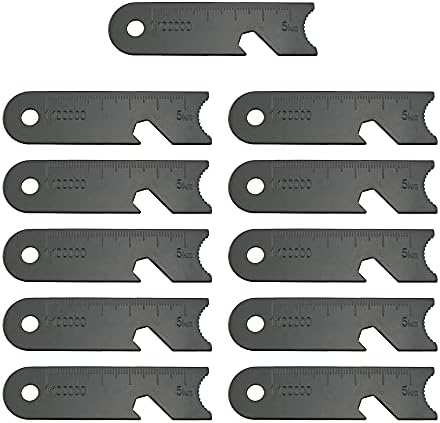
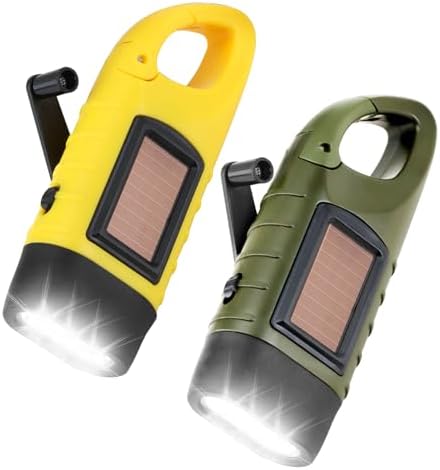

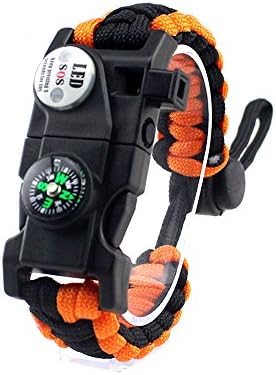
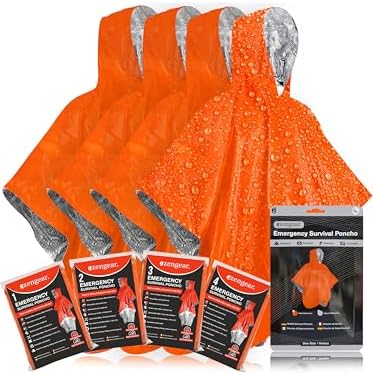
The importance of this innovative perspective cannot be overstated. As situations evolve, the equipment and strategies deemed effective during one crisis might rapidly become obsolete in another. A creative survivalist is generally more equipped to handle an unpredictably changing environment, as they prioritize flexibility and adaptability over rigid adherence to traditional survival tactics. Moreover, exploring unique survival methods cultivates a deeper understanding of nature and resource management, enabling individuals to navigate various landscapes and challenges with greater confidence.
In conclusion, creative survivalism is about more than just the gear; it embodies a philosophy of resilience and adaptability, encouraging individuals to leverage unconventional methods to bolster their survival capabilities.
The Mindset of a Creative Survivalist
Survival in unconventional or challenging situations demands not only physical preparedness but also a distinctive mindset. The creative survivalist thrives on adaptability, resourcefulness, and an innovative approach to problem-solving. In many unforeseen scenarios, whether during natural disasters, economic downturns, or other emergencies, one may encounter a variety of unexpected challenges that require an out-of-the-box approach to overcome.
Adaptability is pivotal for anyone engaged in creative survivalism. This means being open to changing one’s plans based on the circumstances at hand. A creative survivalist recognizes that rigid strategies may falter when faced with the unpredictable nature of survival scenarios. Instead, they cultivate the ability to pivot quickly, using available resources and information to develop alternative solutions that ensure their survival.
Resourcefulness plays an equally critical role in this mindset. A creative survivalist does not simply rely on traditional tools or supplies; rather, they harness the potential of everyday items to craft makeshift gear or develop unique solutions to pressing problems. For instance, using an old plastic bottle to create a water filtration system exemplifies how a keen eye for potential can turn limitations into advantages. Additionally, resourceful individuals often think outside conventional wisdom, combining knowledge from various fields, which can lead to novel and effective outcomes.
Moreover, fostering an innovative spirit can significantly enhance a survivalist’s toolkit. The willingness to experiment and take calculated risks in trying out new ideas can lead to remarkable discoveries and efficiencies. Engaging in creative thinking enables the survivalist to devise solutions that are not only functional but also adaptable to shifting realities. This mindset not only strengthens survival skills but also empowers individuals to maintain a positive outlook even amid crises.
Unusual Prepper Gear Worth Exploring
When one thinks of prepping gear, certain essentials like knives, first-aid kits, and water purifiers typically come to mind. However, for the creative survivalist, there exists a plethora of unusual prepper gear that not only aids in survival but also sparks innovation in dire situations. These bizarre yet effective tools challenge conventional prepping notions and prepare enthusiasts for the unexpected.
One standout item is a solar-powered charger that doubles as a lantern. This multifunctional device might seem odd, but its practical applications in a survival scenario are invaluable. Having the ability to charge devices while providing light can keep communication open and morale high, particularly during prolonged emergencies when traditional power sources are unavailable.
Another intriguing piece of gear is the portable water filtration straw. While water purification systems are common in survival kits, the straw provides an immediate solution for on-the-go hydration. Its compact design allows for easy transport and quick access, making it particularly useful in wilderness environments where significant water supply is scarce.
For those serious about food preservation, the vacuum sealer is an unusual but powerful tool. Creative survivalists often engage in foraging or hunting, and this gadget enhances food longevity. While not traditionally associated with prepping, sealing perishable goods allows individuals to maximize resources, ensuring sustenance during challenging times.
Additionally, a deployable hammock can serve multiple purposes—acting as a shelter, rest point, or even a fishing net when rigged properly. This versatile gear epitomizes the creative spirit of survivalism, encouraging innovative solutions to challenges that may arise.
In essence, incorporating unusual prepper gear not only prepares individuals for diverse survival scenarios but also fosters adaptability and resourcefulness. These tools, while perhaps eccentric, equip the modern survivalist to think outside the box and tackle unique threats with ingenuity.
Everyday Objects with Survival Potential
Survival situations often necessitate innovative thinking and resourcefulness, especially when it comes to utilizing everyday objects for functional purposes. A variety of common household items can be repurposed to support survival strategies, thus eliminating the need for specialized gear. From kitchen tools to gardening supplies, the potential for creativity is vast, allowing individuals to adapt to their environment effectively.
For instance, a simple plastic bottle can serve multiple essential functions. It can be used as a water container, ensuring that hydration remains a priority during tough times. Additionally, when cut in half, it can function as a mini greenhouse to promote the growth of seeds in a survival garden. Similarly, an aluminum foil can reflect sunlight for signaling rescue teams or serve as a makeshift cooking surface for heating food in lieu of conventional cookware.
Another invaluable household item is the universal duct tape. Duct tape’s versatility makes it a favored tool among survivalists, as it can be employed for securing items, fabricating tools, or even creating temporary shelters. Furthermore, bandanas, often overlooked, can serve a myriad of purposes ranging from a tourniquet for bleeding control to a dust mask in a sandy environment, proving the importance of multi-functional gear.
Moreover, zip ties represent a practical option for binding items together and can offer temporary fixes for broken equipment or gear. Old clothing also holds significant potential; for example, t-shirts can be transformed into bandages, while denim can be cut into strips for building emergency shelters or for making rope. The incorporation of these common items not only enhances preparedness but also fosters creativity in problem-solving during emergencies.
In recent years, technology has made significant strides that have transformed the landscape of survival gear. With the advent of innovative gadgets and tech solutions, survivalists now have access to tools that not only enhance their preparedness but also facilitate creative thinking in unusual scenarios. The role of technology in survival gear extends beyond traditional equipment, introducing a host of smart devices and applications designed to meet a variety of survival needs.
One remarkable example of technology’s impact is the development of multifunctional survival tools. Items like solar-powered chargers, portable water filtration systems, and even compact satellite communication devices allow survivalists to maintain connectivity while also ensuring access to vital resources. These items empower individuals to think creatively about survival strategies, as they incorporate sustainable practices alongside technological advancements.
Moreover, the rise of survival applications has revolutionized the way individuals prepare for emergencies. Various apps offer features such as mapping capabilities, offline survival guides, and even community-based alert systems that keep users informed of local threats. Creative preppers can leverage these technologies to create customized survival plans that account for personal strengths and weaknesses, effectively enhancing their adaptability in the face of unexpected challenges.
Furthermore, the integration of wearable technology into survival gear is becoming increasingly prevalent. Smartwatches and fitness trackers equipped with GPS, health monitoring features, and emergency SOS signaling can give users an advantage in critical situations. Such innovations not only aid in physical preparedness but also encourage a more proactive mindset, highlighting the importance of health and fitness in survival scenarios.
Overall, the continuous advancement of technology plays a pivotal role in redefining unconventional survival gear. By embracing these innovations, creative survivalists can enhance their preparedness and responsiveness, ultimately increasing their chances of thriving in adverse conditions.
Eco-Friendly Survival Solutions
In recent years, the focus on sustainable living has risen significantly, influencing various fields, including emergency preparedness. Eco-friendly survival solutions not only enhance the capabilities of the modern survivalist but also promote environmental conservation. One of the primary components of an eco-friendly prepper kit is the use of solar-powered devices. Solar chargers and solar-powered lanterns allow for energy access without reliance on fossil fuels, ensuring that essential tools remain operational even in remote areas. The versatility of solar technology makes it a preferred choice among creative survivalists looking to minimize their carbon footprint while maximizing functionality.
Additionally, biodegradable materials have become increasingly prevalent in prepper gear. Items such as bamboo utensils, compostable storage bags, and plant-based rope provide sustainable alternatives to traditional, plastic-based products. By opting for these materials, survivalists can not only reduce waste but also minimize the long-term environmental impact of their equipment. This choice aligns with a holistic survival approach, where every item serves a dual purpose of functionality and sustainability.
Furthermore, embracing eco-friendly solutions can lead to innovative strategies during survival situations. For instance, using a homemade compost toilet or employing rainwater collection systems demonstrates the ability to think outside the box while prioritizing environmental health. Such practices highlight the creative aspect of survivalism, which intertwines with a commitment to maintaining ecological balance. Overall, integrating eco-friendly gear into survival preparations not only fosters creativity but also enhances resilience, allowing for a more sustainable approach when faced with challenging circumstances.
Crafting Your Own Survival Gear
In the realm of survival preparedness, crafting your own gear can offer both practicality and a sense of personalization that store-bought options may lack. Engaging in DIY projects not only fosters creativity but allows you to tailor your tools to fit your specific needs and situations. Whether it’s for outdoor adventures or emergency situations, a resourceful approach to gear crafting can enhance your survival capabilities.
One approach to begin this inventive journey is to look at everyday items through the lens of functionality. For instance, a plastic bottle can be transformed into an emergency water filter. By filling it with layers of sand, charcoal, and gravel, you can create a functional water purification system. Alternatively, consider using an old pair of denim jeans to create durable survival pouches or even a makeshift tarp, providing versatility in your gear collection.
Another innovative idea is to repurpose kitchen utensils as survival tools. A ladle can serve as an effective container for boiling water, while a metal whisk can be used for various tasks, including cooking or even as a signal device in emergencies. These transformations not only minimize waste but also cultivate a sense of ingenuity in survival situations.
Moreover, crafting your own items promotes a deep understanding of their uses and limitations, enhancing your problem-solving skills in tough scenarios. Utilizing materials that are already at your disposal can significantly cut costs while ensuring that your gear is customized to your preferences. The process of personalization also enables you to instill your creativity into every piece, fostering an attachment to the tools you create.
Overall, the act of crafting your own survival gear opens a unique avenue for preparedness. As you experiment with different projects, harness your imagination to innovate and adapt everyday items into essential tools that meet your individual survival needs.
Innovative Survival Techniques
Throughout history, there have been numerous accounts of individuals demonstrating remarkable resilience and creativity in the face of survival challenges. One notable case is that of a group of urban explorers in Detroit who found themselves stranded in a dilapidated building during a severe winter storm. Rather than succumbing to panic, they employed their resourcefulness by utilizing scrap materials found within the structure to create makeshift insulation. Old newspapers and cardboard were effectively layered over exposed walls, yielding a temporary yet functional barrier against the frigid temperatures.
From Failure to Survival
In another inspiring story, a hiker in the Rocky Mountains became lost during a sudden snowstorm. Initially unprepared, he relied on his ingenuity to endure the harsh conditions. By utilizing his smartphone’s battery life wisely, he activated a GPS safety app to signal for help at intermittent intervals. In the meantime, he constructed a snow shelter using branches and snow, an unconventional yet effective method for protection against hypothermia. Ultimately, his proactive approach combined with innovative shelter-building techniques allowed him to survive until rescue arrived.
Community-Centric Solutions
A noteworthy example is a community in rural Alaska that faced frequent supply shortages due to severe weather. Members began collaborating to create a communal survival gear library, where each person contributed unconventional items ranging from handmade solar ovens to rainwater collection systems. This initiative not only fostered a shared sense of responsibility but also empowered residents to explore creative solutions that enhanced their survival capabilities during emergencies. As a result, they effectively improved their preparedness against the harsh Arctic climate.
Conclusion: Embracing the Bizarre for Survival Success
In the realm of survival preparation, conventional wisdom often reigns, but the landscape of effective prepper gear is evolving. As we’ve explored throughout this article, creativity and originality can significantly enhance one’s survival strategies. By thinking outside traditional boundaries and embracing the bizarre, individuals can not only equip themselves with unique tools but also cultivate a mindset that is adaptable and resourceful in the face of challenges.
Those who dare to integrate unusual prepper gear into their survival kits often find unexpected advantages. Whether it’s innovative tools with multi-functional uses or eccentric ideas that inspire problem-solving, it’s evident that a creative approach to prepping can lead to more effective outcomes. Imagination plays a critical role in how we prepare for the unexpected, allowing us to foresee potential challenges and devise unique solutions that standard practice might overlook.
Encouraging a mindset that embraces the bizarre can also foster a community of survivalists who share their unconventional ideas and experiences. Collaborating with others who have similar creative visions can inspire new methods, drive innovation, and ultimately lead to greater preparedness. Whether you choose to incorporate quirky gear like survival knives shaped like fish or unconventional shelter materials, the key is to let creativity guide your preparations.
As you embark on your own survival journey, consider incorporating elements that reflect your unique perspective. Challenge the status quo and explore the unconventional to bolster your survival arsenal. The bizarre may just provide the edge needed for success in unpredictable situations. Remember, in the world of prepping, originality can be a game changer.