Introduction to Smart Air Purifiers
“Heads up: Some of the links in this post are affiliate links. This means if you click on the link and purchase the item, I’ll receive an affiliate commission. This helps keep the lights on here at techdhami.com! Thanks for your support!”
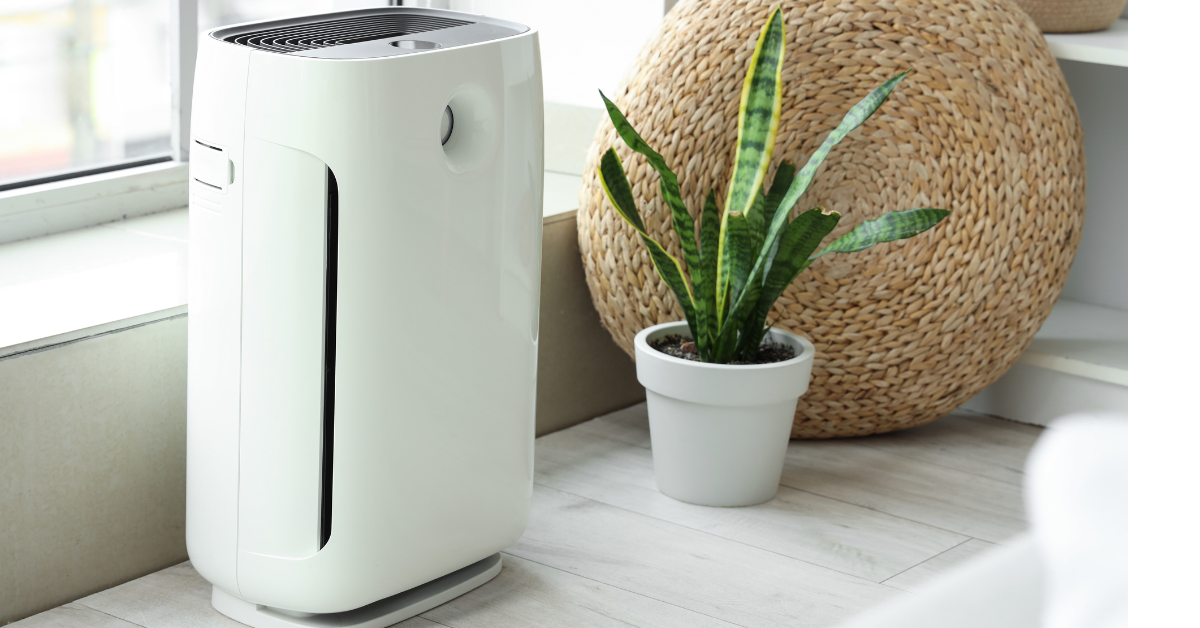
In recent years, the upgrade from traditional to smart air purifiers has become increasingly noteworthy, particularly with the advent of advanced technology. Smart air purifiers are equipped with cutting-edge features that enhance their effectiveness in improving indoor air quality, making them a popular choice among health and environmentally conscious consumers.
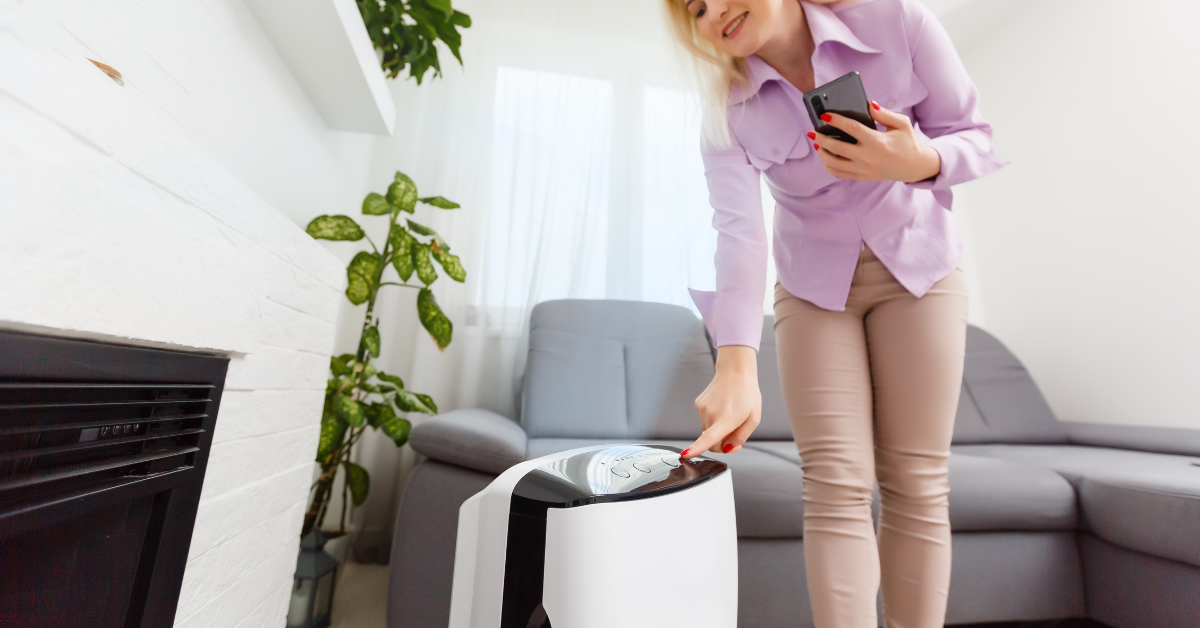
One of the primary advantages of smart air purifiers is their app control functionality. Users can monitor and manage their air purifiers conveniently through a mobile application. This feature allows for adjustments in settings—such as fan speed or timer schedules—right from a smartphone or tablet, providing flexibility and ease of use that traditional models lack.


Another significant benefit is the integration of air quality sensors. These sensors enable smart air purifiers to detect and analyze the quality of the air in real-time. By measuring pollutant levels such as dust, smoke, and various allergens, these devices can automatically adjust their operation to optimize performance. This dynamic response ensures that the air remains clean and healthy, making smart air purifiers particularly suitable for households with allergies or sensitivities.
Moreover, real-time monitoring enhances user experience by providing insights into air quality trends over time. Through app notifications and detailed statistics, users can effectively track changes and maintain a healthier living environment. Such transparency empowers individuals to make informed choices regarding their air quality maintenance.
In summary, the transition from traditional air purifiers to smart models represents a significant leap in technology, offering advanced features such as app control and air quality sensors. These innovations not only enhance convenience but also ensure optimized air purification tailored to specific needs, establishing smart air purifiers as a superior choice for many consumers.
Maintaining good air quality in our homes is essential for a healthy living environment. Indoor air quality can often be worse than outdoor air quality due to various pollutants and allergens that accumulate over time. Common sources of indoor air pollution include volatile organic compounds (VOCs) released from household products, mold spores, dust mites, pet dander, and tobacco smoke. These pollutants can adversely affect health, particularly for vulnerable populations such as children, the elderly, and individuals with pre-existing respiratory conditions.
Air purifiers play a crucial role in improving indoor air quality by filtering out these harmful substances. Equipped with advanced filtration systems, many modern air purifiers can effectively remove particulate matter, allergens, and airborne chemicals from the air. The integration of app control and air quality sensors into air purifiers allows users to monitor their indoor environment in real time, providing insights into pollutant levels and making it easier to maintain a healthy atmosphere.
The health risks associated with poor air quality cannot be overstated. Prolonged exposure to indoor pollutants can lead to respiratory diseases, asthma, allergies, and other serious health issues. In addition, poor air quality can contribute to decreased cognitive function, fatigue, and mood disorders. By employing air purifiers, homeowners can significantly mitigate these risks, ensuring that they breathe clean, purified air. Moreover, the convenience offered by app-controlled devices enables users to operate their air purifiers remotely, adjust settings based on air quality readings, and receive alerts when air quality levels are suboptimal. These features not only simplify the process of maintaining good air quality but also empower individuals to take proactive measures in fostering a healthier home environment.
How App Control Enhances User Experience
The integration of app control in smart air purifiers represents a significant advancement in enhancing user experience, making air purification more efficient and convenient. One of the primary functionalities offered by app-controlled air purifiers is remote control. Users can adjust settings, including fan speed and modes, from their smartphones, eliminating the need to physically interact with the device. This remote access is particularly beneficial for those who may have mobility issues or for individuals managing multiple air purifiers throughout their home.
Moreover, many of these applications allow users to set specific schedules for their air purifiers. By programming operational times, users can ensure their spaces are filtered before they arrive home or during peak pollution hours. This functionality not only optimizes energy consumption but also contributes to maintaining an ideal air quality environment consistently.
Another critical aspect of app-controlled air purifiers is the provision of filter status notifications. Users receive alerts when it is time to replace or clean filters, ensuring that the purifier operates effectively. This feature helps individuals avoid the consequences of inefficient filtration, such as diminished air quality or increased energy costs, thereby maintaining the longevity of the appliance.
Data visualizations are also a prominent feature in these applications. Users can access real-time insights into indoor air quality levels, tracking metrics such as particulate matter, volatile organic compounds, and overall purifying performance. Such detailed information enables users to make informed decisions about their environment, ensuring that they maintain healthy air quality standards.
In conclusion, the functionalities provided by app control greatly enhance user experience by delivering convenience, efficiency, and vital data management in the pursuit of improved air quality.
Essential Features of Smart Air Purifiers
When selecting a smart air purifier, it is crucial to consider several key features that enhance its performance and usability. One of the primary metrics to review is the Clean Air Delivery Rate (CADR), which indicates the volume of filtered air delivered by the purifier, measured in cubic feet per minute (CFM). A higher CADR indicates that the air purifier is more effective at removing pollutants such as dust, smoke, and pollen. Looking for a unit with a CADR rating that matches the size of your room ensures optimal air purification.
Another fundamental aspect to evaluate is the filtration system. Two commonly employed types are High-Efficiency Particulate Air (HEPA) filters and activated carbon filters. HEPA filters are renowned for trapping 99.97% of particles as small as 0.3 microns, capturing allergens like pollen and pet dander efficiently. Conversely, activated carbon filters excel at absorbing odors and volatile organic compounds (VOCs), making them an essential addition if your environment suffers from persistent bad smells.
Noise levels are also a significant consideration, especially in spaces where tranquility is paramount, such as bedrooms or home offices. Many manufacturers provide decibel ratings for their devices, allowing consumers to choose purifiers that operate quietly. Energy efficiency should not be overlooked, either; look for models that are ENERGY STAR certified, as these appliances consume less power without sacrificing performance, reducing your overall energy bills while promoting sustainable practices.
Additional smart features, such as app control and real-time air quality monitoring, also play a vital role in the functionality of air purifiers. These technologies enable users to track air quality and adjust settings conveniently through their smartphones. By prioritizing these essential features, you can make a well-informed decision when purchasing a smart air purifier that meets your needs and ensures a healthier indoor environment.
Overview of Top Smart Air Purifier Brands
The smart air purifier market has witnessed significant growth due to the increasing necessity for improved air quality in homes and workplaces. Various brands have emerged, each offering unique technologies, features, and performance metrics to cater to consumer needs.
One of the leading brands in this market is Dyson, renowned for its innovative engineering. Dyson’s smart air purifiers integrate advanced filtration systems with HEPA filters and activated carbon layers. The accompanying app allows users to monitor real-time air quality data, adjust settings, and receive air quality alerts, ensuring enhanced convenience and efficiency.
Honeywell is also a prominent player, recognized for its reliable performance and user-friendly design. Honeywell’s models feature a range of filters designed to capture various pollutants, and their mobile app provides extensive air quality insights. Additionally, Honeywell ensures compatibility with popular smart home systems, increasing its appeal among tech-savvy consumers.
Blueair stands out for its focus on minimalistic design coupled with a robust filtration technology known as HEPASilent. Their app not only enables remote control of purification settings but also offers a visual representation of indoor air quality levels, promoting user engagement. Blueair’s models are particularly noted for their quiet operation and energy efficiency.
Furthermore, Levoit offers a competitive range of affordable smart air purifiers that do not compromise on quality. Their products come equipped with smart features such as voice control via Alexa or Google Assistant. The Levoit app enhances user experience by providing essential stats and filter replacement notifications.
In summary, the smart air purifier market includes a variety of leading brands, each demonstrating unique capabilities. Factors such as filter type, app functionalities, and overall product performance play crucial roles in consumer decision-making, resulting in a diverse market that caters to different preferences and budgets.
Detailed Reviews of Selected Models
When evaluating the top smart air purifiers available today, several models stand out due to their advanced features, effectiveness, and user satisfaction. Below, we delve into the specifications, performance metrics, user experiences, and the app functionalities of these smart devices.
Firstly, the Dyson Pure Cool TP01 is renowned for its dual functionality as both an air purifier and a fan. The model employs a HEPA H13 filter, which captures a wide range of pollutants and allergens. With its real-time air quality monitoring, users can track the air quality status through the Dyson Link app, allowing for remote control and customization of settings. Reviews emphasize the sleek design and quiet operation, making it suitable for various environments.
Another exceptional model is the Honeywell HPA250B, which features True HEPA filters capable of removing up to 99.97% of particles. This unit is particularly effective in larger spaces, thanks to its high CADR (Clean Air Delivery Rate). Users appreciate the comprehensive app integration that provides insights into air quality and filter status, enhancing overall convenience and usability.
The Levoit Core 400S is also highly praised for its efficiency in filtering out smoke, dust, and pet dander. Its Smart Wi-Fi capabilities enable users to manage settings remotely via the VeSync app. The model is outfitted with an air quality sensor that provides real-time feedback, which many reviews indicate is both reliable and informative.
Lastly, the airmega 300S stands out with its dual filtration system and excellent coverage area. Users benefit from app control that allows for monitoring of the air quality and filter life. The ability to switch between different modes based on current air pollution levels is a highly rated feature.
In highlighting these models, it is evident that the integration of app functionalities and air quality sensors significantly enhances user experience and satisfaction. Each model reviewed offers unique advantages tailored to various needs, from aesthetics to efficiency and ease of use.


The Role of Air Quality Sensors
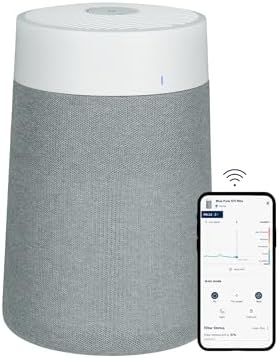
Air quality sensors are a crucial component in the functionality of smart air purifiers, enabling them to effectively monitor and manage indoor air pollution levels. These sensors utilize various technologies to detect and quantify pollutants present in the air, including particulate matter (PM), volatile organic compounds (VOCs), carbon dioxide (CO₂), and other harmful gases. By providing real-time data, air quality sensors empower users to understand their environment and ensure optimal air quality.
Most air quality sensors operate using either electrochemical sensing technology or laser-based detection methods. Electrochemical sensors are commonly employed to measure gases such as carbon monoxide, ozone, and VOCs. They work by producing a measurable electrical current in response to specific gas concentrations, allowing for precise tracking of air quality. On the other hand, laser-based sensors utilize a technique called light scattering to detect and count particulate matter in the air, providing detailed information on the presence of allergens, dust, and smoke.
The importance of air quality sensors cannot be overstated. In homes and workplaces, air pollutants can adversely affect health, leading to respiratory problems, allergies, and other chronic conditions. Smart air purifiers equipped with these sensors can automatically adjust their filtration settings based on real-time air quality data, ensuring that harmful pollutants are effectively removed. Furthermore, many models provide users with alerts or notifications through associated smartphone applications, enabling individuals to take proactive measures when air quality deteriorates.
In addition to promoting health, the integration of air quality sensors into smart air purifiers contributes to energy efficiency. By automatically regulating operation based on sensor readings, these devices can minimize energy consumption while maintaining a healthy indoor environment. Overall, air quality sensors play an integral role in the efficacy of smart air purifiers, facilitating enhanced monitoring and management of indoor air quality.
Maintenance and Care for Smart Air Purifiers
Smart air purifiers are advanced devices designed to enhance indoor air quality by filtering out allergens, dust, and pollutants. However, regular maintenance is vital to ensure optimal performance and longevity of these sophisticated appliances. A proactive approach in caring for your smart air purifier can significantly enhance its efficiency, thus ensuring that your living environment remains healthy and comfortable.
One of the primary maintenance tasks is cleaning the exterior of the unit. Dust and grime can accumulate on the outer surfaces, potentially affecting the performance of the sensors and the air intake. To clean the exterior, use a soft, damp cloth and avoid any harsh chemicals that could damage the finish. It is advisable to perform the exterior cleaning at least once a month.
Filter replacement is another critical aspect of maintaining your smart air purifier. Most smart models are equipped with filters that need to be replaced regularly to ensure the effectiveness of the device. The frequency of filter changes may vary based on usage and air quality but is generally recommended every 6 to 12 months. Many smart purifiers come with indicators that alert you when it’s time to replace the filter, making the process effortless.
Troubleshooting common issues may arise from time to time. If the air purifier is not functioning correctly, first check to ensure that it is plugged in and that the filters are installed properly. Additionally, unusual noises may indicate that the filters require cleaning or replacement. For software-related issues, it may help to restart the device or reinstall the associated app. Refer to the user manual for more specific troubleshooting guidelines tailored to your particular model.
By adhering to these maintenance tips, you can ensure that your smart air purifier continues to operate effectively, contributing to a healthier indoor atmosphere.
Conclusion: Finding the Right Smart Air Purifier for You
Choosing the right smart air purifier equipped with app control and air quality sensors is essential for enhancing indoor air quality. Throughout this blog post, we have explored various models and their features, emphasizing the importance of customizable settings, real-time monitoring, and user-friendly app interfaces. These attributes not only improve user experience but also offer tailored solutions for specific air quality concerns.
When selecting an air purifier, it is crucial to consider individual needs and the specific characteristics of your living environment. Factors such as room size, the presence of pets, allergies, and pollutants can significantly influence the choice of an air purifier. For instance, those with chronic asthma may prioritize models with HEPA filters, while households with pet dander might benefit more from activated carbon filters.
Moreover, integrating air quality sensors into the purchasing decision can provide invaluable insights into actual air conditions. Smart air purifiers that connect with mobile applications facilitate proactive management of indoor air quality, giving users the opportunity to take necessary actions based on real-time data. This level of control is particularly beneficial for individuals living in cities with high pollution levels or in areas prone to seasonal allergens.
Ultimately, the ideal smart air purifier is one that not only meets technical specifications and app functionalities but also aligns with personal health needs and lifestyle choices. By conducting thorough research and considering the various features available, individuals can make informed decisions that lead to a healthier living space.