
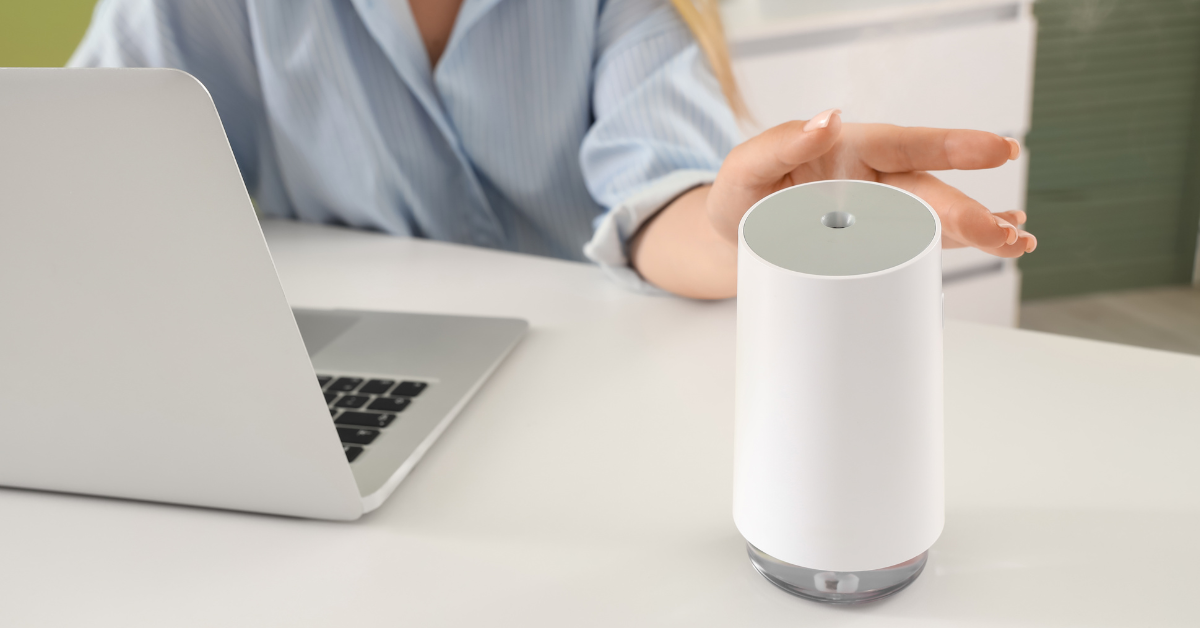
Introduction to Smart Wi-Fi Air Purifiers
“Heads up: Some of the links in this post are affiliate links. This means if you click on the link and purchase the item, I’ll receive an affiliate commission. This helps keep the lights on here at techdhami.com! Thanks for your support!”
In recent years, the demand for clean indoor air has surged, leading to a rising popularity of smart Wi-Fi air purifiers. These innovative devices not only improve air quality but do so with advanced technology that enhances user experience. By integrating with home networks, smart air purifiers provide users with the ability to monitor and control air purification remotely, ensuring better air quality management from anywhere in the house.
What differentiates smart Wi-Fi air purifiers from traditional models is their connectivity features. Users can utilize mobile applications to access information on air quality levels, filter replacement alerts, and even manage settings based on their routine. This smart functionality allows for better personalization and efficiency in air cleaning. For example, users can set timers to operate during peak hours when indoor pollutants are often at their highest due to activities such as cooking or cleaning.

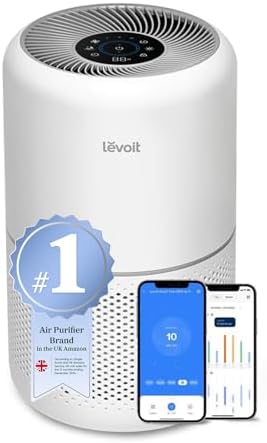

The importance of purifying indoor air cannot be understated, especially considering that individuals can spend a significant portion of their lives indoors. Poor air quality can lead to various health issues, including respiratory disorders, allergies, and other chronic conditions. Consequently, investing in a smart Wi-Fi air purifier equipped with features such as HEPA filters and real-time air quality monitoring can significantly contribute to creating a healthier living space.
Overall, smart Wi-Fi air purifiers represent a convergence of technology and wellness. By staying updated on the latest innovations in air purification, consumers can make informed decisions to improve their indoor environment effectively. As we delve deeper into this buying guide, we will explore essential features that enhance air quality and offer substantial benefits to users.
Understanding Air Quality Standards
Air quality is a crucial aspect of our daily lives, particularly in indoor environments where we often spend significant amounts of time. Understanding air quality standards is essential for identifying key pollutants that may affect health and well-being. Notably, several common indoor air pollutants warrant attention, including dust, pollen, pet dander, and volatile organic compounds (VOCs).
Dust particles are prevalent in most homes and can comprise various substances, such as skin cells, hair, and fabric fibers. These particles can trigger allergies and respiratory issues, making them a significant concern for sensitive individuals. Similarly, pollen, often transported indoors through open windows or on clothing, can exacerbate allergy symptoms during peak pollen seasons.
Pet dander, a byproduct of household pets, is another common indoor pollutant that can lead to allergic reactions. This microscopic matter can remain airborne for extended periods, subsequently settling on surfaces and exacerbating asthma or allergy symptoms. Furthermore, volatile organic compounds (VOCs)—which are emitted from numerous products such as paints, cleaners, and furniture—pose a serious risk as they may contribute to long-term health concerns, including headaches and respiratory problems.
The World Health Organization (WHO) emphasizes the importance of maintaining healthy indoor air quality as it directly correlates with overall health. By adhering to established air quality standards, which include prescribed limits for various pollutants, individuals and families can take proactive measures to reduce health risks associated with indoor air pollution. Integrating an air purifier into your living environment can significantly aid in mitigating these pollutants, hence improving overall air quality and creating a healthier atmosphere.
Key Features of Smart Wi-Fi Air Purifiers
When it comes to improving indoor air quality, smart Wi-Fi air purifiers incorporate several essential features that enhance their effectiveness. One of the most critical components is the HEPA filter, which can capture 99.97% of airborne particles, including dust, pollen, pet dander, and other allergens. This level of filtration is invaluable for individuals suffering from allergies or asthma, making the air safer and healthier to breathe.
Another important feature is the activated carbon filter. This component works to eliminate odors and volatile organic compounds (VOCs) that might be present in the home environment. By adsorbing these harmful chemicals, activated carbon filters contribute significantly to reducing indoor pollution, making the air not only cleaner but also fresher.
Smart sensors are yet another feature that distinguishes modern air purifiers. These sensors continuously monitor the air quality in real-time and automatically adjust the purification levels accordingly. This responsiveness ensures that the air remains at optimal quality without requiring manual intervention, providing convenience and peace of mind.
Finally, real-time air quality monitoring is an invaluable feature found in many smart Wi-Fi air purifiers. This function typically includes a display that indicates the current air quality level, allowing users to understand the effectiveness of the purifier in real time. Moreover, the ability to connect to a smartphone app enhances the user experience by enabling control over the device and providing notifications about air quality changes.
Collectively, these features create a comprehensive system designed to effectively improve air quality. Through HEPA and activated carbon filters, along with smart sensors and real-time monitoring, smart Wi-Fi air purifiers are equipped to deal with various indoor air pollutants, ensuring a cleaner and healthier living environment.
Smart Connectivity and Home Integration
Smart air purifiers have revolutionized the way we manage indoor air quality, and their connectivity options play a pivotal role in enhancing their functionality. Modern air purifiers are often equipped with Wi-Fi capabilities, allowing users to monitor and control their devices remotely through mobile applications. These apps provide real-time air quality reports, filter status updates, and allow users to adjust settings from the comfort of their smartphones.
Moreover, many smart air purifiers are compatible with popular smart home systems such as Amazon Alexa and Google Assistant. This compatibility enables seamless integration within a user’s existing smart home ecosystem. For instance, users can utilize voice commands to operate their air purifier, making it easier to adjust settings while multitasking or when away from the device. This hands-free capability not only enhances convenience but also promotes consistent usage, leading to better air quality in living spaces.
Another significant advantage of smart connectivity in air purifiers is the ability to create automated schedules and routines. Users can program their devices to operate at specific times, such as when they are home or during peak allergens. This efficiency can lead to substantial energy savings and more effective air purification. Furthermore, smart air purifiers can analyze environmental data through integrated sensors, adjusting their operation based on detected air quality levels. Such dynamic adjustments are critical in ensuring that the air remains clean and healthy throughout the day.
In conclusion, investing in a smart air purifier with advanced connectivity options not only enhances its functionality but also fosters a healthier home environment. By leveraging smart home integrations, users can enjoy a more intuitive and efficient approach to maintaining their indoor air quality.
Noise Levels and Design Considerations
When selecting a smart Wi-Fi air purifier, it is essential to consider noise levels, as they significantly influence the user experience. Air purifiers operate using fans that generate sound while filtering the air. Models designed with low noise operation in mind typically feature advanced engineering, which minimizes the sound produced during filtration. Many consumers prefer models that operate silently or at least quietly, particularly in residential settings where peace and tranquility matter. Check the decibel (dB) ratings of various models: purifiers operating below 50 dB are generally considered quiet and suitable for bedroom use.
Additionally, consider the air purifier’s various fan speeds and modes. Many modern devices offer a ‘sleep mode’ that lowers fan speed and noise output, ensuring minimal disturbance during nighttime use. A device that allows users to select different levels of filtration power can enhance comfort, adjusting to your specific needs and allowing for noise reduction when a lower setting suffices.
Alongside noise, design is another crucial factor when choosing an air purifier. The dimensions of the purifier should fit comfortably into your living space, taking into account factors like furniture layout and available space. A device that appears bulky may not blend seamlessly with existing decor. Manufacturers have recognized the importance of aesthetics, leading to the production of air purifiers in various colors, shapes, and styles. Selecting a model that complements your home interior can enhance your living environment and ensure that the device aligns with your personal taste.
Features like filter replacement indicators serve as practical design elements, adding user-friendliness. These indicators alert you when it is time to change the filter, ensuring optimal performance and air quality. In conclusion, focusing on noise levels and attractive design are pivotal when investing in an air purifier that shall meet your requirements and blend seamlessly into your home environment.
Maintenance and Upkeep of Air Purifiers
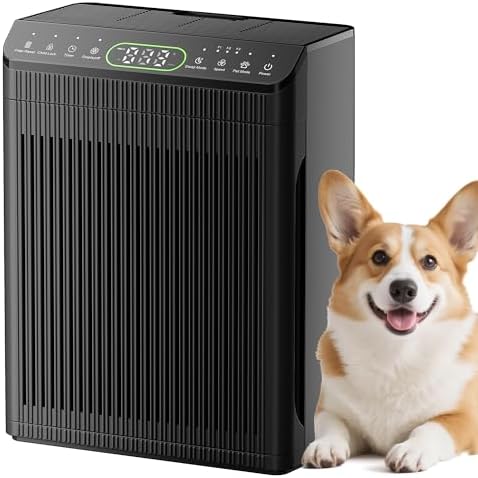
Maintaining a smart Wi-Fi air purifier is essential for ensuring optimal performance and enhancing indoor air quality. Regular upkeep not only prolongs the life of the unit but also maximizes the effectiveness of its filtration systems. The first step in maintaining an air purifier is adhering to a filter replacement schedule. Most manufacturers recommend changing or cleaning filters every six months, although this can vary depending on the model and usage frequency. For instance, households with pets or in high-pollen environments may need to replace filters more frequently to effectively capture allergens and pollutants.
In addition to filter changes, cleaning the air purifier itself is crucial. Dust and debris can accumulate on the exterior and internal components, potentially hindering airflow and performance. Regularly wiping down the surfaces with a damp cloth, as well as vacuuming any dust buildup from the vents, will help maintain optimal airflow and efficiency. Some models may also feature washable pre-filters, which should be cleaned as per the manufacturer’s guidelines to ensure they can effectively trap larger particles before they reach the main filter.
Troubleshooting common issues is also an important part of air purifier maintenance. If the unit is notably noisy or the airflow appears diminished, it may be an indication that the filter is clogged or that the fans are obstructed. Checking for error codes via the unit’s smart capabilities can also provide insights into any operating problems. Utilizing the manufacturer’s customer support and user manual can assist with identifying and rectifying these concerns quickly.
In conclusion, proper maintenance and upkeep of smart Wi-Fi air purifiers are vital. By following a regular filter replacement schedule, implementing a thorough cleaning protocol, and being proactive in troubleshooting, users can achieve an efficient and effective air-purifying experience, ultimately leading to improved air quality within their homes.
Understanding Budget Considerations for Smart Wi-Fi Air Purifiers
When exploring the market for smart Wi-Fi air purifiers, one of the primary factors to consider is the budget. Prices for these devices can vary significantly depending on various features, brand reputation, and technological advancements. Typically, you can expect to pay anywhere from $100 to $800 for a smart air purifier. Entry-level models often fall within the $100 to $250 range, while mid-tier models generally cost between $250 and $500. Premium devices, which include advanced capabilities and superior filtration systems, may exceed $500.
Several factors influence the pricing of smart air purifiers. Firstly, the features offered play a crucial role. Devices equipped with HEPA filters, activated carbon filters, and multiple fan speeds tend to have higher price tags. Additionally, smart connectivity features such as mobile app integration, air quality monitoring, and compatibility with voice assistants can also elevate costs. Brands with a well-established reputation for reliability and performance often charge premium prices due to their proven track records.
From a cost-benefit perspective, investing in a smart air purifier may lead to long-term savings and health benefits. High-quality air purifiers can effectively remove allergens, pollutants, and harmful particulates from your indoor environment, potentially reducing health-related expenses in the future. Furthermore, many models offer energy-efficient designs, which can lower electricity bills. Ultimately, a thoughtful assessment of your specific needs and budget can guide you in selecting a smart air purifier that not only fits your financial framework but also delivers significant improvements to your air quality.
Top Brands and Models to Consider
When looking for a smart Wi-Fi air purifier, it is essential to consider reputable brands and models that offer exceptional air quality performance. Here is a curated list that highlights some of the top contenders in the market.
Dyson Pure Cool TP01: Known for its sleek design and advanced technology, the Dyson Pure Cool TP01 not only purifies the air but also doubles as a fan. Its 360-degree filtration system captures allergens and pollutants, while Wi-Fi connectivity allows users to control settings via an app or voice commands. This combination of features makes it a favorite among consumers seeking efficient air purification alongside user-friendly technology.
Honeywell HPA300: The Honeywell HPA300 is widely recognized for its strong performance in larger spaces. This model features a true HEPA filter, which can capture up to 99.97% of microscopic allergens. With the addition of smart features, users can monitor air quality levels through an accompanying app, making it easier to assess and maintain a healthy home environment.
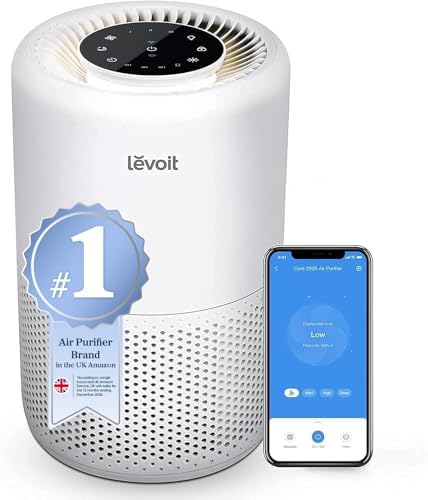
Levoit Core 400S: Offering a compact design without compromising on functionality, the Levoit Core 400S is an excellent choice for those seeking smart air purification. Its smart features include app control and air quality monitoring, while its three-stage filtration process ensures the removal of odors, smoke, and dust. The affordability coupled with robust performance makes it a standout model in the budget-friendly segment.
Blueair Blue Pure 211+: This model is renowned for its high air exchange rate and energy efficiency. Equipped with a washable pre-filter and a two-stage filtration system, the Blue Pure 211+ provides comprehensive air purification suitable for larger rooms. Furthermore, it is compatible with Wi-Fi connectivity, enabling users to receive real-time air quality updates and adjust settings from their devices.
Each of these models offers unique features that prioritize air quality improvement while incorporating smart technology, making them solid investments for a healthier living environment.
Conclusion: Making an Informed Choice
In conclusion, selecting a smart Wi-Fi air purifier is an essential decision that can significantly enhance your indoor air quality. Throughout this guide, key features such as HEPA filtration, real-time monitoring, and integration with smart home systems have been discussed, emphasizing their role in efficiently removing pollutants and allergens from the air. When shopping for a smart air purifier, it is crucial to evaluate your specific needs, considering factors such as room size, air quality concerns, and additional functionality.
Understanding the different specifications and technologies can empower you to make an informed choice. For instance, the efficiency of a purifier can vary greatly depending on its filtration system, room coverage area, and noise levels. By prioritizing these criteria, you ensure that your investment truly aligns with your desire for improved air quality.
Ultimately, selecting the right smart air purifier involves balancing performance, convenience, and compatibility with your home environment. The value of cleaner air cannot be overstated, as it contributes not only to physical well-being but also to overall quality of life. Therefore, approach your purchase thoughtfully, ensuring that the model you choose meets your expectations and offers the necessary features to enhance your indoor atmosphere effectively.