Do you remember the absolute magic of childhood imagination? The kind of imagination where a cardboard box becomes an interstellar spaceship, the living room rug transforms into boiling hot lava, and the rustle of leaves outside your bedroom window signals the arrival of a friendly mythical creature.
Children have an innate ability to find the extraordinary hidden within the ordinary. But there is one specific trope in children’s storytelling that has captured the hearts of young minds for generations: the concept of a secret, miniature companion.
Enter the enchanting realm of the pocket-sized dinosaur story. It’s a sub-genre of children’s fiction that hits the absolute sweet spot of childhood wonder. By combining the massive, awe-inspiring appeal of prehistoric giants with the cosy, manageable comfort of a pocket-sized pet, these stories do something incredible. They validate a child’s sense of wonder while making the big, scary world feel just a little bit more attainable.
Let’s dive deep into why these pint-sized prehistoric adventures resonate so deeply with young readers, how they foster emotional growth, and how you can bring the magic of tiny dinosaurs into your own home or classroom.
The Irresistible Charm of the Miniature Companion
There is a profound psychological reason why children are obsessed with tiny things. To a child, the entire world is built on a giant scale. Kitchen counters are out of reach, adults tower over them, and the rules of the world are dictated by people much larger than themselves.
When a child reads a pocket-sized dinosaur story, the power dynamic instantly shifts.
Becoming the Caretaker
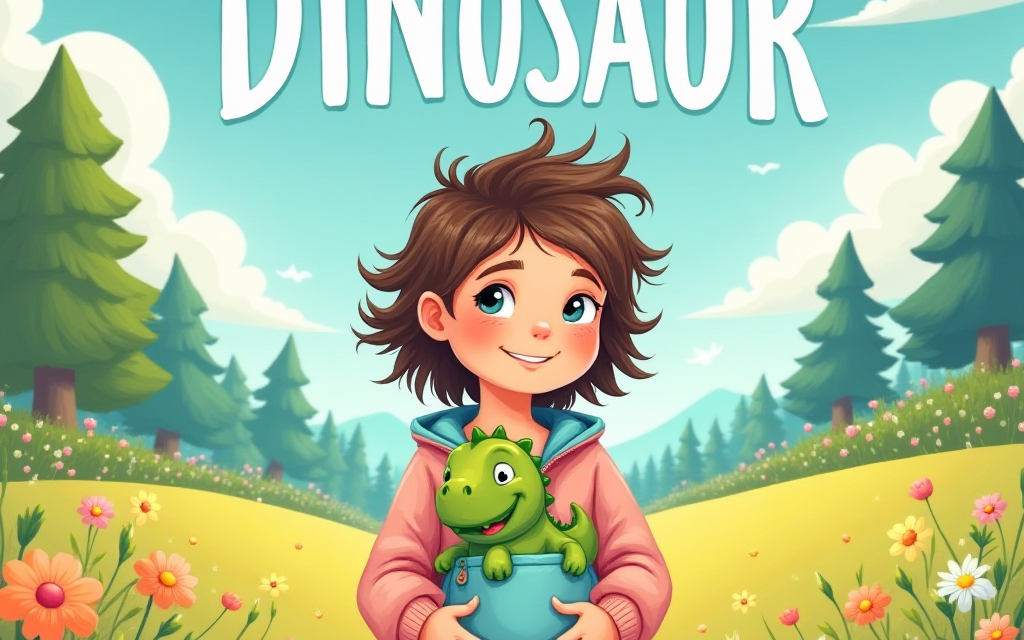
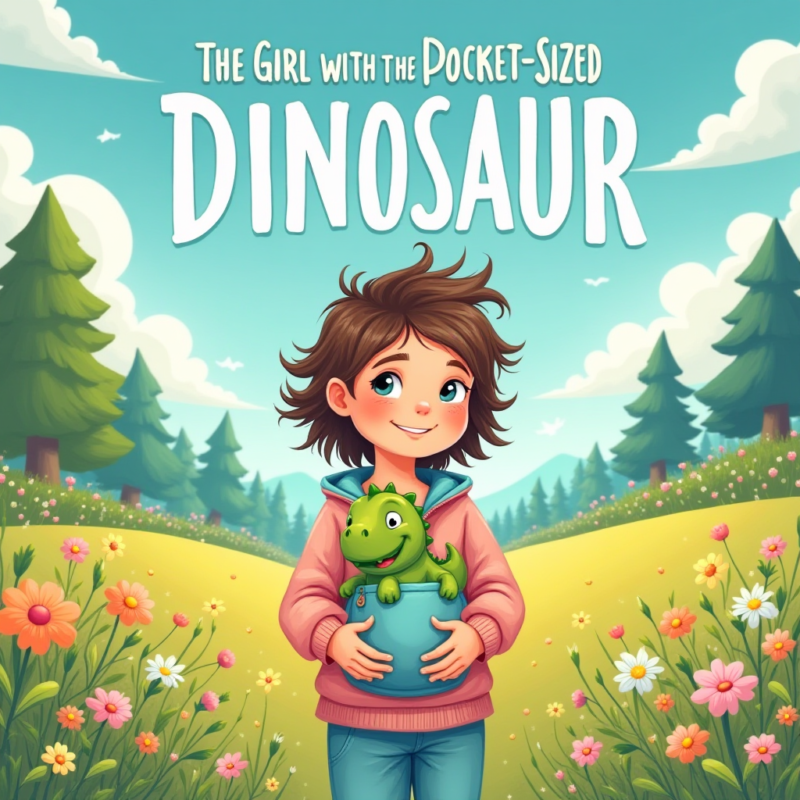
When a dinosaur is small enough to fit inside a pocket, a pencil case, or a lunchbox, the child reader suddenly becomes the protector. In stories like The Girl with the Pocket-Sized Dinosaur, the protagonist, Mia, is not just a passive observer; she is Barnaby the Triceratops’ guardian. She has to keep him safe from curious house cats, clumsy classmates, and the terrifying depths of the school lost-and-found bin.
This setup allows children to practise empathy and caretaking. They learn to think outside of their own immediate needs because they are worried about a creature smaller than them.
The Secret World of Childhood
There is nothing sweeter to a child than a secret. A tiny dinosaur is the ultimate shared secret. It’s a bond that belongs exclusively to the child and their imagination—untouched by the mundane rules of the adult world. It fosters a beautiful sense of autonomy and inner life that is crucial for healthy psychological development.
Key Benefits of Reading Dinosaur Stories to Early Readers
Dinosaurs are a staple of childhood, often serving as a child’s very first foray into intense, self-directed learning. When you scale those dinosaurs down to pocket size, you get all the educational benefits of palaeontology mixed with the emotional resonance of a classic fable.
1. Expanding Vocabulary and Cognitive Skills
Have you ever heard a four-year-old flawlessly pronounce Parasaurolophus or Microraptor? It’s astounding. Dinosaur books naturally introduce complex, multi-syllabic words that expand a child’s phonetic capabilities and boost reading confidence.
2. Developing Emotional Intelligence (EQ)
Because miniature dinosaurs in fiction often act as a mirror to the protagonist’s inner feelings, these stories are fantastic tools for teaching emotional regulation. When Barnaby the pocket dinosaur gets scared of a loud thunderstorm, Mia has to calm him down. In doing so, she uses the exact coping mechanisms that young readers can use when they feel overwhelmed.
3. Encouraging Creative Problem-Solving
How do you hide a tiny, neon-green dinosaur during a pop quiz? How do you make a nutritious lunch for a prehistoric herbivore out of school cafeteria salad? Pocket-sized dinosaur stories are inherently driven by creative problem-solving, inspiring children to think outside the box when facing their own daily dilemmas.
Real-World Use Cases: Bringing the Story to Life
A great book shouldn’t end when you close the back cover. The best stories act as springboards for real-world engagement, play, and bonding. Here are a few practical ways parents, educators, and caretakers can translate a pocket-sized dinosaur story into meaningful developmental activities.
The “Pocket-Pet” Daily Walk
Encourage your child to choose a small toy dinosaur (or even a uniquely shaped smooth stone) to be their “pocket pet” for the day. Take a walk through a local park or your backyard and ask your child to view the world from the dinosaur’s perspective.
-
Is that patch of moss a dense, prehistoric jungle?
-
Is that puddle a vast, treacherous ocean?
-
How would a tiny Stegosaurus climb over that tree root?
This simple exercise builds narrative thinking, spatial awareness, and a deep appreciation for nature.
Creative Writing and Drawing Prompts
For kids who are starting to write or love to draw, use the book as a template for their own creations. Ask them: “If you found a dinosaur in your pocket today, what kind would it be? What would you name it, and what is its favourite snack?”
Practical Tips for Choosing the Perfect Children’s Book
With thousands of children’s books published every year, finding the ones that truly stick can feel like looking for a needle in a haystack. When searching for the perfect storybook adventure, keep these criteria in mind:
| Feature to Look For | Why It Matters | What to Avoid |
| Engaging Visual Clues | Helps pre-readers track the story via illustrations. | Overly cluttered or muddy artwork. |
| Relatable Stakes | Losing a toy or making a friend feels huge to a kid. | High-stress, overly scary plotlines. |
| Rhythmic Text | Keeps high-energy kids engaged during read-alouds. | Monotonous, text-heavy blocks. |
| Subtle Moral Lessons | Teaches kindness and courage naturally. | Overly preachy or patronising tones. |
Frequently Asked Questions
Q: What age group is best suited for pocket-sized dinosaur stories?
Generally, children between the ages of 4 and 8 get the most joy out of these narratives. At this stage, children are transitioning from purely imaginative play to structured school environments, making the themes of friendship, secrets, and navigating public spaces highly relatable.
Q: Can these books help children who suffer from school anxiety?
Absolutely. Read-alouds featuring a protagonist who carries a hidden source of comfort (like a pocket dinosaur) can be incredibly reassuring. It can inspire children to carry a small, physical “comfort object” in their own pocket or backpack to help them feel brave during the school day.
Q: How do I balance fiction with real dinosaur facts for my child?
Use the fiction book as an entry point! If the story features a tiny Triceratops, head to the library afterward to find a non-fiction book about real triceratops. Compare and contrast: “In our story, Barnaby loves to eat chocolate chips, but what did real Triceratops eat millions of years ago?” This builds critical thinking and media literacy early on.
Conclusion: Small Stories, Lasting Impressions
At its core, a pocket-sized dinosaur story is about validation. It tells young readers that even if they are small, their voice matters, their kindness has an impact, and they are fully capable of navigating a world that often feels overwhelmingly large.
By inviting a character like Barnaby or Mia into your bedtime reading routine, you aren’t just flipping through pages to pass the time before lights out. You are unlocking a doorway to imaginative play, nurturing emotional growth, and building a lifelong love for reading, one tiny footprint at a time.
So, the next time you empty your child’s pockets before laundry day, don’t be surprised if you find a little bit of prehistoric magic hiding inside.
Our Recommendation
If you’re looking for the ultimate blend of heart, humour, and breathtaking illustrations, check out the premium bundle of The Girl with the Pocket-Sized Dinosaur. It’s the perfect addition to any young explorer’s bookshelf and a surefire way to ignite a love of reading that will last a lifetime.