Teaching Children About Grief and Loss Through Storytelling
The world of a child is naturally filled with wonder, bright colours, and a sense of enduring safety. But at some point, a storm rolls in. Whether it is the loss of a beloved family pet, moving away from a best friend, the divorce of parents, or the deeply painful passing of a grandparent, children are eventually confronted with the complex reality of saying goodbye.
As adults, our instinct is almost always protective. We want to shield our little ones from pain, wrap them in a blanket of comfort, and perhaps even avoid using heavy words like “death” or “forever gone”. However, shielding children from the reality of loss doesn’t prevent them from feeling it. Instead, it can leave them feeling confused, isolated, and lacking the vocabulary to express the heavy weight in their chests.
So, how do we begin teaching children about grief and loss without overwhelming them?
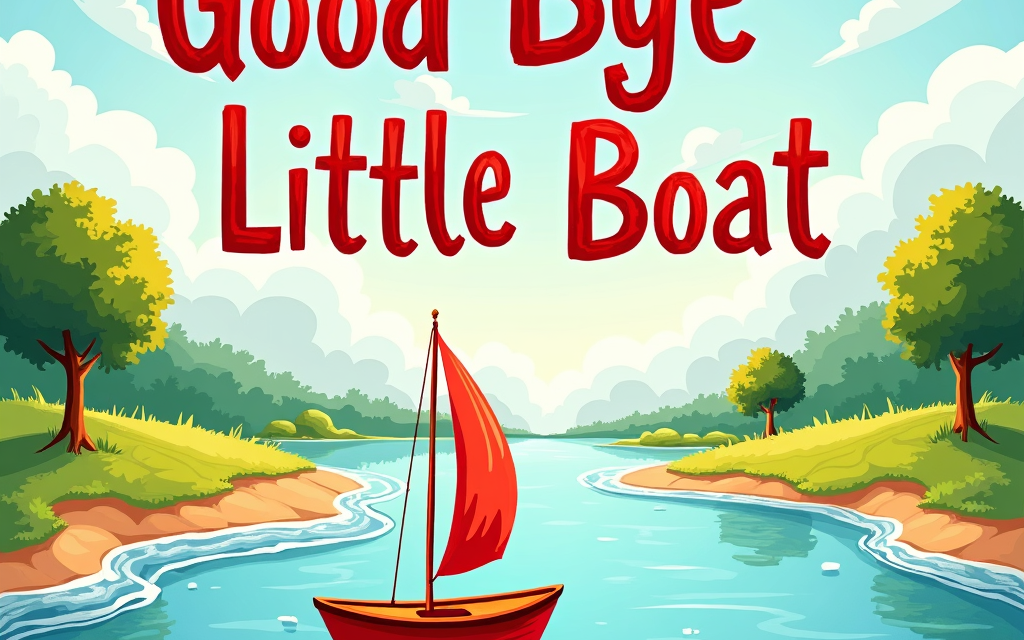
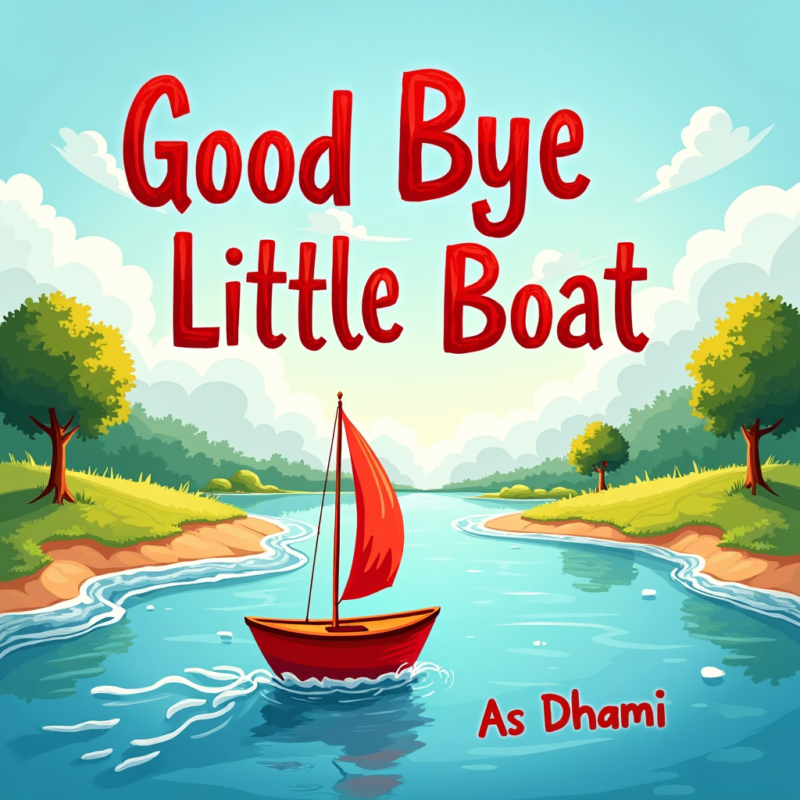
The answer often lies in the gentle art of storytelling. Books give us a shared language, a safe distance to observe big emotions, and a glimmer of hope that the sun will eventually shine again. A poignant new example of this is the children’s picture book, Goodbye Red Boat, which uses the gentle metaphor of a drifting boat to explore the bittersweet journey of letting go.
Why Big Emotions Are Hard for Little Hearts
Children experience grief just as deeply as adults do, but they process it very differently. A child’s emotional bandwidth is still developing. They might be crying uncontrollably one minute and asking for a snack or wanting to play with blocks the next. This is completely normal and is often referred to as “puddle jumping” in grief—they jump into the puddle of sadness, stay for a bit, and then jump right back out when it becomes too intense.
The Challenge of Explaining the Abstract
To a five-year-old, concepts like “forever” or “passed away” are abstract and confusing. They might think a lost pet will wake up tomorrow, or that a relative who went to heaven will visit for the holidays. Without clear, gentle, and concrete explanations, their brilliant imaginations can fill in the blanks, sometimes leading to irrational guilt or fear that they caused the loss.
Signs a Child is Struggling with Grief
Because kids cannot always articulate “I am feeling overwhelmed by grief”, their sorrow often speaks through their behaviour. Look out for:
-
Regression: Wetting the bed, thumb-sucking, or wanting to be rocked like a baby again.
-
Anxiety and Clinginess: Fear of being separated from surviving carers, fearing that “everyone will leave”.
-
Physical Symptoms: Tummy aches, headaches, or general fatigue.
-
Behavioural Changes: Uncharacteristic anger, throwing tantrums, or becoming unusually quiet and withdrawn.
Introducing ‘Goodbye Red Boat’: A Metaphor for Healing
When words fail us, stories step in. Goodbye Red Boat is a beautifully crafted children’s book designed to bridge the gap between a child’s confusing feelings and the healing power of understanding.
"The red boat wasn't just a boat. It was safety. It was laughter. It was the rhythm of a steady heart on a vast, unpredictable ocean."
The story follows a young protagonist whose days are anchored by a vibrant, steady red boat. It represents comfort, routine, and deep love. But one day, the tides change, and the red boat must drift away into the great unknown. The child is left standing on the shore, experiencing waves of denial, anger, sadness, and eventually, a soft acceptance as they realise the love shared with the red boat has become a permanent part of who they are.
Why Metaphors Work in Bibliotherapy
Using a metaphor—like a red boat slipping away over the horizon—allows a child to process their internal trauma through an external narrative. It provides a psychological buffer. A child can point to the character in the book and say, “Look how sad they are on the shore,” when what they really mean is, “That is exactly how I feel inside my room.”
Practical Tips for Teaching Children About Grief and Loss
Talking about loss isn’t a single conversation; it is an ongoing dialogue. Here are a few practical strategies to help guide your children through their darkest moments using patience, honesty, and literature.
1. Be Honestly and Age-Appropriately Direct
Avoid using confusing euphemisms like “They went to sleep” or “We lost them.” To a child, sleep is something you wake up from, and lost things can be found. Instead, use clear, gentle language: “Grandma’s body stopped working, and she died. It means she can’t breathe or feel pain anymore, and she can’t come back, but we will always love her.”
2. Read Together in a Safe Space
Choose a quiet, comfortable time to read books like Goodbye Red Boat. Sit close, allow them to hold the book, and let them control the pace. If they want to stop on a page and stare at an illustration of the empty dock, let them. Silence can be incredibly productive.
3. Ask Open-Ended Questions
While reading, prompt gentle reflections to gauge how they are processing the story. You might ask:
-
“Why do you think the child is mad at the ocean?”
-
“What do you think the red boat would say to them if it could speak one last time?”
-
“Do you ever feel like you’re standing alone on a shore too?”
4. Create Tangible Memorials
In Goodbye Red Boat, the memories of the boat remain. Encourage your child to create something tangible to honour their loss. They could paint a picture of a boat, plant a small flower in the garden, compile a scrapbook of photos, or write a letter to drop into a decorated “memory box”.
The Stages of Grief: A Kid-Friendly Breakdown
Just like adults, children navigate various emotional milestones when dealing with a significant loss. Understanding these stages can help parents and educators support them without judgement.
| Stage of Grief | How it Looks in a Child | How to Support Them |
| Denial / Confusion | “When is the boat coming back?” Pretending nothing happened. | Patiently repeat the truth without anger. Reassure them of their current safety. |
| Anger / Frustration | Throwing toys, yelling at loved ones, and acting out at school. | Validate the anger: “It is okay to be mad that things changed. It’s not okay to hurt anyone.” |
| Bargaining | “If I am really good, will they come back?” | Clarify that the loss was not a punishment and they did nothing wrong. |
| Sadness / Withdrawal | Crying easily, wanting to sleep more, losing interest in play. | Offer quiet physical comfort—hugs, sitting together, holding hands. |
| Acceptance / Hope | Mentioning the loss with a smile; looking forward to tomorrow. | Celebrate the happy memories together and encourage them to keep living joyfully. |
Frequently Asked Questions About Kids and Grief
Should I let my child see me cry?
Yes, absolutely. When you hide your grief, children might think that feeling sad is wrong, shameful, or dangerous. When they see you cry and then see you recover, it teaches them a profound lesson: Sadness is a heavy wave, but it passes, and we can survive it.
Is my child too young for a book like ‘Goodbye Red Boat’?
No. Children as young as two or three experience the felt sense of separation and loss, even if they don’t have the words for it. The soft imagery and soothing rhythm of Goodbye Red Boat make it suitable for toddlers processing big changes, while its deep metaphor resonates perfectly with older children up to age eight or nine.
How do I know if my child needs professional counselling?
If your child’s behavioural changes, intense anxiety, or depressive symptoms last for more than a few months, or if they completely interfere with their ability to sleep, eat, or go to school, it may be time to seek out a certified child psychologist or play therapist specialising in grief.
Conclusion: There is Always a shore ahead.
Saying goodbye is perhaps the hardest lesson human beings ever have to learn, and teaching it to a child can feel heartbreakingly counterintuitive. We want their horizons to be perpetually clear and calm. But life brings changing tides, and our job isn’t to stop the waves—it is to teach our children how to navigate them.
Books like Goodbye Red Boat do not erase the sadness of loss, nor do they pretend that goodbye doesn’t hurt. Instead, they offer a beautiful reminder that while the things and people we love may drift out of sight, the love they anchored within us remains a permanent part of our shores.
By opening these pages together, crying together, and remembering together, we give our children the greatest gift of all: the resilience to look out at a vast, empty ocean and know that, eventually, hope will come sailing back in.