

Introduction to Robotic Arms
Robotic arms are sophisticated mechanical devices designed to mimic the functionality of a human arm, offering precision, versatility, and efficiency. These tools are engineered to perform a variety of tasks ranging from simple pick-and-place operations to complex assembly processes. The evolution of robotic arms has significantly changed industries, enhancing productivity and safety while minimising human error. Initially introduced in manufacturing environments during the 20th century, robotic arms have now evolved into integral components of numerous sectors, including electronics, automotive, healthcare, and logistics.
The development of robotic arms began with basic programmable systems, which gradually advanced to include multiple degrees of freedom, allowing for more intricate movements and greater adaptability. As technology progressed, the integration of artificial intelligence and machine learning enabled these robotic systems to optimise their performance continuously. Today, the most advanced robotic arms can adapt to various tasks autonomously, making them invaluable in dynamic production lines and environments where flexibility is required.

Applications of robotic arms have expanded significantly in recent years. In the manufacturing sector, they are widely used for assembly, welding, and painting. In the food industry, robotic arms equipped with suction capabilities can handle delicate items, providing efficient sorting and packaging solutions. Healthcare has also benefited from robotic arms in surgical procedures and rehabilitation therapies, ensuring increased precision and reduced recovery times. Furthermore, the logistics sector is witnessing a surge in automation, with robotic arms facilitating material handling and inventory management, thus streamlining operations.
As various industries continue to adopt robotic arms, their capabilities are continuously being enhanced. One of the latest advancements is the integration of suction technology, which allows for the gripping and manipulation of a diverse range of objects. This feature is particularly useful in tasks requiring careful handling, such as in laboratory settings or food processing facilities, where conventional gripping methods may fall short. In the subsequent sections, we will delve deeper into the specific features and specifications of robotic arms with suction capabilities, including their remarkable suction power of 35,000 Pa.
Understanding Suction Technology
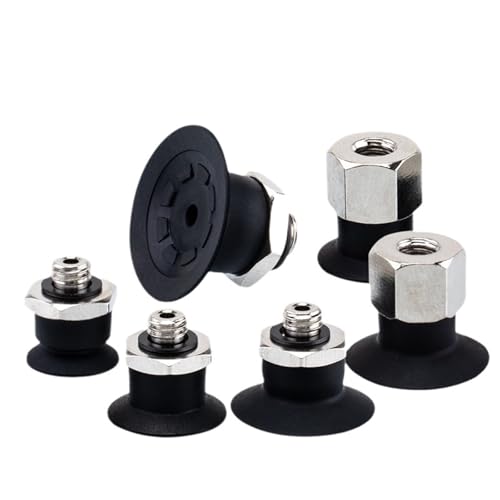
Suction technology plays a crucial role in the functionality of robotic arms, particularly those designed for industrial applications. At its core, suction mechanisms utilise the principles of vacuum to create a force that allows the robotic arm to grip and manipulate objects. The fundamental component of this technology is the suction cup, which adheres to a surface by lowering pressure within it, creating a vacuum seal.
There are various types of suction systems employed in robotic arms, each tailored to specific tasks and environments. The most common type is the single-sided suction cup, which is effective for flat, smooth surfaces. In contrast, double-sided suction cups offer better gripping for handling objects like glass or metal, where an even distribution of suction is essential. Furthermore, specialised suction cups can be found that suit irregular or porous surfaces, allowing for greater versatility in operations.
The advantages of using suction systems in robotic arms are numerous. Firstly, they provide a non-destructive method of handling sensitive items, which is particularly valuable in manufacturing sectors where product integrity must be maintained. Secondly, suction mechanisms can handle a variety of shapes and sizes, making it easier to automate the handling process across different tasks. This flexibility significantly increases the efficiency of operations, reducing the need for manual intervention and decreasing working hours and costs.
In summary, the technology behind suction mechanisms in robotic arms is a sophisticated interplay of engineering principles that facilitate a wide range of industrial applications. Understanding the various suction systems and their specific advantages enables manufacturers to optimise robotic arms for their unique requirements, paving the way for enhanced productivity in 2026 and beyond.
The Importance of Suction Power: 35,000 Pa Explained
Suction power, measured in Pascals (Pa), plays a crucial role in the efficiency and effectiveness of robotic arms in various applications. A suction power of 35,000 Pa represents a significant level of force that can be harnessed to manipulate a wide variety of materials, particularly in industrial and manufacturing settings. This high level of suction power allows for the handling of heavier and bulkier objects, which is essential in tasks such as material transport, lifting, and positioning.
To put this figure into perspective, a suction power of 35,000 Pa can lift up to 3.5 kilograms (about 7.7 pounds) per square centimetre of contact area. This impressive capacity makes it suitable for handling not only lightweight materials but also heavier items, enhancing versatility. In comparison to lower suction values, such as 10,000 Pa or 20,000 Pa, the robustness of 35,000 Pa offers notable improvements in performance, reducing the risk of objects slipping or falling during operation.
Furthermore, the high suction capability allows robotic arms to function efficiently in applications requiring precision and stability. For example, in the electronics industry, where delicate components need to be handled without damage, a suction strength of 35,000 Pa ensures firm and controlled placement. Additionally, in environments with porous or irregular surfaces, such as packing or sorting operations, the enhanced suction power can accommodate variations that would otherwise compromise lifting efforts.
Overall, the significance of 35,000 Pa suction power lies in its ability to elevate productivity, improve operational safety, and enhance the handling of various materials across different sectors. As industries adopt more advanced robotic solutions, understanding the implications of this level of suction becomes vital for achieving optimal performance and mitigating challenges in material handling.
Key Specifications of 35,000 Pa Suction Robotic Arms
When evaluating 35,000 Pa suction robotic arms, several key specifications are critical for potential users to consider. These specifications can significantly influence the performance, reliability, and overall effectiveness of the robotic arms in various applications.
One of the most essential specifications is the dimensions of the robotic arm. Typically, these arms are designed to fit into a variety of industrial settings, so understanding the reach and articulation of the arm is vital. The maximum reach can vary, impacting the operational area that can be covered, while articulation points dictate the flexibility of movement, which is crucial for adapting to different task requirements.
Weight is another important consideration. The overall weight of a robotic arm can determine its stability and ease of installation. Lighter arms may offer increased mobility and flexibility, while heavier models may provide enhanced stability at the cost of versatility.
Materials used in the construction of the robotic arm affect durability and application suitability. Common materials include high-strength aluminium and robust polymers, which can resist wear, corrosion, and environmental challenges. The choice of material is essential for ensuring a long service life while also maintaining precision.
Power consumption is also a critical factor. Efficient energy use can lead to cost savings for operators, especially in environments where multiple robotic arms are employed. Assessing the power rating and typical use case scenarios can guide purchasers in optimising their operational efficiency.
Lastly, precision in operation is a non-negotiable specification. Whether it be in gripping sensitive materials or performing intricate assembly tasks, the suction force provided—rated at 35,000 Pa—affects how securely the arm can hold objects, thereby influencing productivity and reliability in automation tasks.
Applications of 35,000 Pa Suction Robotic Arms
In recent years, 35,000 Pa suction robotic arms have gained significant traction across a variety of industries due to their enhanced performance capabilities and efficiency. These robotic arms are designed to provide substantial gripping power, making them highly suitable for applications that demand precision and reliability.
One prominent industry that benefits from these robotic systems is manufacturing. In assembly lines, these robotic arms are employed to handle a wide range of components, from fragile glass parts to heavy metal sheets. The high suction power allows for secure and stable lifting of items, reducing the risk of damage during transportation. As a result, manufacturers can increase throughput and minimise production errors, thereby enhancing overall productivity.
Logistics is another field where 35,000 Pa suction robotic arms play a crucial role. Warehouses and distribution centres utilise these advanced robotic systems to efficiently pick, pack, and sort goods. Their ability to manage various shapes and sizes of products streamlines the supply chain, allowing for faster order fulfilment. Additionally, incorporating these robotic arms into automated systems helps alleviate the physical strain on human workers, leading to improved workplace safety.
In healthcare, the applications of these robotic arms are also noteworthy. They are utilised in surgical procedures, especially in minimally invasive operations where precision is paramount. The suction capability allows these robots to hold tissue securely during surgery, minimising the risk of complications. Furthermore, in pharmaceutical settings, these robotic arms can handle sensitive vials and medication packages, ensuring that contamination is prevented.
Overall, the versatility of 35,000 Pa suction robotic arms extends beyond manufacturing, logistics, and healthcare. Their ability to adapt to various tasks and environments positions them as valuable assets in numerous sectors, promoting efficiencies and innovations in operations.
Comparative Analysis with Other Robotic Arms
In recent years, the advancements in robotic arms have led to the development of various models with differing suction capabilities. The 35,000 Pa suction robotic arms stand out in this landscape due to their high suction power, which enables them to handle a wide array of materials, including delicate and heavy components. When comparing these powerful robots to others with lower suction capacities, such as 20,000 Pa or even 10,000 Pa models, the benefits and potential drawbacks become evident.
The main advantage of the 35,000 Pa suction robotic arms is their ability to securely grasp objects that are difficult to manage with less powerful models. This increased suction force allows for greater versatility in application, especially in industries like manufacturing and logistics, where handling varying shapes and weights of products is commonplace. Higher suction power also translates to improved efficiency, as these arms can complete tasks quicker and reduce the risk of drop-related damages.
However, it is essential to consider that the enhanced suction capability may not always be necessary depending on the specific application. For tasks involving lighter objects or those that do not require robust handling, lower-capacity robotic arms may suffice and offer a more cost-effective solution. Additionally, the increased power can lead to higher energy consumption and potential wear and tear on components over time, which might increase maintenance costs.
Furthermore, the implementation of a 35,000 Pa robotic arm can require more complex control systems and advanced engineering, which can present challenges in integration and operational training. Therefore, while high-suction-power robotic arms offer substantial advantages, organisations should carefully evaluate their specific needs and the potential trade-offs before investing in such technological solutions. Ultimately, the choice between suction capabilities should be guided by a comprehensive understanding of the requirements of the application and the overall operational environment.
Future Trends in Robotic Arm Technology
As we look towards 2026, the landscape of robotic arm technology is poised for remarkable transformation. With industries increasingly demanding higher efficiency and precision, innovations are expected to enhance both suction capabilities and overall functionality. Advances in suction technology will likely focus on improved gripping strength, adaptability to various surfaces, and enhanced sensitivity to environmental changes. New materials and designs could lead to lighter yet more robust arms, allowing for greater operational range and efficiency.
Artificial Intelligence (AI) integration is anticipated to play a pivotal role in these advancements. Robotic arms may become equipped with machine learning algorithms that allow them to learn and adapt over time, improving their performance in real-world applications. For instance, AI could facilitate better object recognition and manipulation, enabling robotic arms to handle complex tasks with greater autonomy. This evolution towards intelligent automation will not only increase productivity but also reduce human dependency, thus reshaping labour dynamics in industrial and domestic settings.
Furthermore, the trend towards automation will likely see robotic arms being increasingly utilised in diverse sectors such as healthcare, manufacturing, and logistics. In healthcare, for example, robotic arms could assist in delicate surgeries or patient care by providing consistent support and enhancing surgical precision. Meanwhile, in manufacturing, automated robotic arms could streamline assembly lines, integrating seamlessly with existing technology to optimise workflows.
In summary, the future of robotic arms looks promising, with significant advancements in suction technology, AI capabilities, and automation anticipated by 2026. These innovations are not only expected to redefine the functionality of robotic arms but also transform the industries they serve, paving the way for a more efficient and intelligent approach to automation.
Challenges and Limitations
Suction robotic arms, particularly those with a remarkable capacity of 35,000 Pa, provide significant advantages across various sectors, including manufacturing and logistics. However, they are not without their challenges and limitations. One of the primary concerns is maintenance. High suction levels can lead to wear and tear on components, necessitating regular checks and servicing to ensure optimal performance. This can translate into operational downtime and increased costs, particularly in environments with continuous usage.
Another critical limitation stems from the cost associated with acquiring and operating suction robotic arms. While the initial investment may be justified by improved efficiency and productivity, smaller businesses may find it difficult to allocate funds for such advanced technology. Moreover, the operational costs—including maintenance, energy consumption, and potential repairs—must also be factored into the economic equation, raising the total cost of ownership significantly.
Environmental constraints also pose a challenge. Suction systems rely on maintaining a delicate balance between airflow and pressure, meaning they can be sensitive to surrounding conditions like dust, humidity, and temperature variations. These factors can adversely affect performance and reliability. Furthermore, in certain settings, the strong suction power may not be ideal, particularly when handling delicate items that require a gentler touch.
To overcome these challenges, companies can adopt preventive maintenance strategies to mitigate the risks associated with system failures, ensuring that robotic arms remain operational longer. Investing in training for personnel on how to effectively operate robotic arms can also aid in reducing the learning curve associated with the technology. Additionally, exploring advances in suction technology may provide solutions to address environmental sensitivity, enabling robotic arms to adapt to a wider range of conditions.
Conclusion and Final Thoughts
As we have explored throughout this article, the advancements in 35,000 Pa suction robotic arms represent a transformative leap in technology. These innovative devices are engineered to offer unparalleled suction power, making them essential tools across various sectors, including manufacturing, logistics, healthcare, and even automation in agricultural practices. The ability to handle delicate materials and navigate complex environments highlights how these robotic arms enhance operational efficiency while maintaining safety standards.
The adoption of 35,000 Pa suction robotic arms is steadily gaining traction, driven by the demand for increased productivity and precision in industrial applications. Industries are continuously seeking solutions that not only improve workflow but also reduce labour costs and mitigate human errors. As such, these robotic arms can be seen as a foundational technology in the ongoing evolution of automation, promising enhanced productivity levels.
Moreover, with ongoing advancements in robotics and AI, we can expect further improvements in the functions and capabilities of suction robotic arms. Innovations in control systems, materials, and energy efficiency may lead to even more effective designs, expanding their applicability in new fields. This raises exciting possibilities for research and development as well.
In reflecting upon the significance of 35,000 Pa suction robotic arms, it is crucial for industries and stakeholders to remain abreast of these developments. Embracing this technology can not only position businesses at the forefront of operational excellence but also amplify their competitive edge in the marketplace. Thus, considering the potential impact and advantages that arise from implementing such innovative solutions is paramount for future success.