
Introduction to Emergency Water Storage
Emergency water storage is a critical component of survival prepping, especially in an unpredictable world where natural disasters, public health crises, or unexpected infrastructure failures can disrupt regular access to clean water. Given that water is essential for human survival—necessary for drinking, cooking, hygiene, and sanitation—planning for its availability during emergencies is paramount.
Several scenarios can necessitate the need for emergency water storage. Natural disasters such as hurricanes, earthquakes, floods, and wildfires can damage existing water supply systems or render sources of drinking water unsafe. Additionally, prolonged power outages caused by severe weather or other events might also disrupt municipal water delivery systems, making preparedness even more vital.



During long-term emergencies, such as economic downturns or public health emergencies, the need for stored water becomes even clearer. If local supply chains falter, the availability of clean water can diminish, making it essential for individuals and families to have sufficient water reserves to meet their needs. Moreover, geopolitical instability can arise from conflicts or resource shortages, further threatening access to clean water.
Therefore, understanding how to effectively store water, selecting appropriate containers, and knowing how much water is needed for each member of a household are fundamental elements of survival prepping. It is generally recommended that individuals aim for at least one gallon of water per person per day for a minimum of three days, although longer-term storage solutions can provide added security. Overall, the ability to store water safely and efficiently can serve as a lifeline during emergencies, providing peace of mind and a critical resource when it is most needed.
Understanding Water Requirements
In emergency situations, understanding the water requirements for each individual is vital for effective survival prepping. According to established reliable guidelines, it is recommended that each person requires a minimum of one gallon of water per day. This amount encompasses essential daily needs for drinking, cooking, and hygiene. Therefore, assessing the number of people in a household is crucial to determine the total volume of water necessary for an emergency storage plan.
When calculating water needs, consider that this one-gallon recommendation can vary based on specific circumstances—such as climate conditions and physical activity levels. For instance, people residing in hotter climates or those engaged in strenuous activities may require more water to stay adequately hydrated. Households should also take into account special circumstances such as infants, the elderly, or anyone with particular health considerations when estimating water requirements. This can lead to more precise calculations, ensuring that every household member’s needs are met during an emergency.
Furthermore, it is advisable to prepare for various durations in any emergency planning. A good rule of thumb is to aim for at least three days’ worth of water, translating to three gallons per person. This will provide enough water for drinking and cooking, as well as maintain basic hygiene. For extended emergencies, aiming for a minimum of two weeks’ supply can be prudent. Thus, understanding and calculating the total amount of water required based on household size and duration is a fundamental step in the emergency water storage strategy.
Types of Containers for Water Storage
When it comes to emergency water storage, choosing the right container is crucial for maintaining the integrity and safety of the water supply. Several materials can be utilised for this purpose, including plastic, metal, and glass. Each of these options has its own set of advantages and disadvantages, which should be evaluated to ensure the best choice for specific needs.
Plastic containers are among the most commonly used options for water storage. They are lightweight, durable, and generally more affordable than other materials. High-density polyethylene (HDPE) is particularly favoured because it is resistant to rust, corrosion, and impact. Additionally, plastic containers are available in various sizes, making them suitable for both short-term and long-term storage. However, it is crucial to select containers specifically designated for food-grade use to avoid chemical leaching. Over time, exposure to sunlight can degrade plastic, so opaque varieties are recommended for outdoor storage.
Metal containers, typically made of stainless steel or aluminium, offer high durability and a long lifespan. These materials are less prone to breaking than plastic and are excellent at preventing bacterial growth. Stainless steel, in particular, does not rust and is resistant to denting, making it a reliable choice for long-term storage. One downside is that metal containers can be heavier and more expensive. They also conduct heat, which can affect water temperature if stored in direct sunlight.
Glass containers provide an inert environment for water storage, meaning they do not react with the water and do not impart any flavours or chemicals. Glass is an excellent option for maintaining water quality, making it ideal for long-term use. However, the primary drawback is fragility; glass containers can break easily, which poses a risk during transport or in outdoor settings.
In conclusion, selecting the right type of container for water storage is essential based on the specific needs of the user. By evaluating the advantages and disadvantages of plastic, metal, and glass options, individuals can make informed decisions to ensure their emergency water supply remains safe and accessible.
Best Practices for Water Container Selection
Selecting appropriate containers for emergency water storage is a critical component of effective survival prepping. When evaluating water containers, it is vital to consider several factors to ensure safety, reliability, and usability. First and foremost, the material of the container must be assessed. It is essential to choose food-grade plastic or glass containers. Food-grade materials are specifically designed to store consumables without leaching harmful chemicals into the water. Containers made from inferior plastics may contain toxins such as BPA, which can contaminate the water and pose health risks.
Capacity is another important criterion. Containers come in various sizes, from small bottles to large barrels. A mix of sizes can be advantageous; smaller containers facilitate easier handling and transport, while larger ones reduce the frequency of refilling. As a rule of thumb, each person should have at least one gallon of water per day, necessitating proper capacity planning during selection.
Durability is also crucial, especially for long-term storage. Water containers should withstand varying temperatures and potential impacts. Opt for robust, heavy-duty materials that can resist cracking and puncturing. Additionally, consider containers that feature secure seals to prevent leaks and contamination.
Ease of use is another factor that should not be overlooked. Containers should be easy to fill, transport, and pour. Integrated handles or spouts can enhance usability, particularly in emergency situations when time and convenience are paramount. Ultimately, selecting the right containers not only ensures access to safe drinking water but also promotes an effective emergency preparedness strategy.
How to Properly Store Water
Storing water effectively is crucial for emergency preparedness, ensuring that you have access to clean and potable water even in dire situations. To begin with, selecting the right containers for storage is paramount. Food-grade plastic containers, glass bottles, or stainless steel tanks are ideal choices. It’s vital to avoid using containers that previously held non-food substances, as they can leach harmful chemicals into the water.
Before filling any container with water, proper cleaning is essential. Wash the containers thoroughly using hot soapy water, then rinse them with potable water. For further assurance, you may sanitise them using a solution of one tablespoon of unscented liquid chlorine bleach per gallon of water, allowing the solution to sit for a few minutes before rinsing thoroughly. This practice helps eliminate pathogens that can contaminate your water supply.
When filling your containers, use cold tap water for optimal results. For long-term storage, considering the addition of a water preservative can also be beneficial. Water purification tablets or unscented bleach (2 drops per litre of water) can help to maintain the cleanliness of the water over extended periods. However, always read the instructions carefully to ensure safe usage.
Once the containers are filled, proper sealing is essential. Ensure that the lids are tightly secured to prevent any contamination or evaporation. Label each container with the date of filling to keep track of its freshness. Regularly check your stored water supply for any signs of leaks or deterioration in the containers. Rotate your water supply every six months to maintain its freshness, replacing older water with newly stored supplies. Following these guidelines will ensure your water remains fresh and safe for consumption during emergencies.
Water Storage Systems
When it comes to emergency water storage, advanced systems can effectively alleviate concerns regarding supply during unforeseen events. Among these systems, rainwater harvesting is a popular choice, particularly for individuals with sufficient outdoor space. This method captures and stores rainwater from roofs, funnelling it through gutters and into storage tanks. Not only does this system promote sustainability, but it also contributes to a significant water supply that can be utilised for drinking, irrigation, and sanitation purposes.
Installing a rainwater collecting system involves several key considerations. First, it is essential to ensure that the collected water is filtered adequately before use. This can include installing a first-flush diverter, which removes the initial runoff that may contain contaminants from the roof. Additionally, securing a proper storage tank that is made from food-grade materials is crucial for maintaining water quality. Common tank options include polyethylene tanks, which are lightweight and durable, and galvanised steel tanks, known for their longevity and resistance to corrosion.
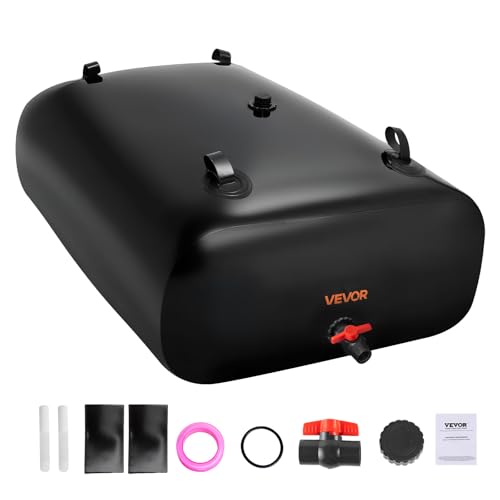
For those with ample space and resources, larger water tanks present another effective solution for robust water storage. These tanks can typically hold hundreds or thousands of gallons, thus ensuring a more extensive water reserve. Larger tanks can be linked to a system of pipes for gravity-fed irrigation or connected to household plumbing for domestic use. However, it is important to account for potential installation challenges such as securing adequate support structures and complying with local regulations regarding water collection. Ultimately, the choice of system will depend on individual preferences, space availability, and usage requirements, making advanced water storage systems a versatile option for effective emergency preparedness.
Maintenance of Water Storage
Proper maintenance of water storage is crucial to ensure that your emergency water supply remains safe and potable for use. Regular checks and a few proactive steps can help prevent contamination and keep stored water viable for an extended period.
Firstly, it is essential to select the right container for water storage. BPA-free plastic containers or food-grade barrels are recommended for keeping water safe from harmful chemicals leaching into it. It is advisable to clean these containers thoroughly before filling them with water. Use bleach to disinfect the containers and ensure they are completely rinsed to eliminate any residual substances.
Once the water is stored, perform routine checks every six months. Inspect each container for any signs of contamination, such as odours or discolouration. If the water appears cloudy or has developed an unusual smell or taste, it is crucial to dispose of it and replace it with fresh water.
It is also advisable to monitor the expiration dates of any water treatment chemicals or purification tablets used in the storage process, as these may degrade over time. Regularly rotating your water supply can help keep it fresh; ideally, replace your stored water every six to twelve months. To streamline this process, mark each container with the filling date, enabling you to track how long the water has been stored.
Lastly, maintaining a conducive environment for your water storage is vital. Store containers in a cool, dark location away from direct sunlight to minimise chemical breakdown and contamination risks. By adhering to these maintenance guidelines, you can ensure that your emergency water storage remains an effective resource in times of need.
Emergency Situations and Water Use
In the realm of survival prepping, understanding the significance of emergency water storage is critical. Various emergency situations can underscore the necessity of having a reliable water supply on hand. Natural disasters, such as hurricanes, earthquakes, and floods, often lead to water contamination and infrastructure damage, rendering public water supplies unusable. In such scenarios, stored water becomes an invaluable resource, allowing individuals and families to maintain hydration and hygiene until normal services are restored.
Moreover, civil unrest or social instability can also disrupt access to clean water. During protests or riots, local water services may be interrupted, and the safety of public water sources can be compromised. In these instances, having prepared water storage solutions ensures that individuals do not have to rely solely on potentially unsafe sources.
Additionally, extended power outages caused by severe weather events can prevent water treatment facilities from functioning properly. This highlights the importance of not only storing clean drinking water but also having sufficient reserves for sanitation needs, such as washing hands and preparing food. In the absence of reliable tap water, stored water can significantly reduce the risk of illness that arises from poor hygiene practices.
Furthermore, water is essential for emergency first aid. In situations where injuries occur, having access to clean water can facilitate wound cleaning and basic medical care, promoting better health outcomes. Therefore, preparing for emergencies by storing water is not merely an act of precaution; it is a fundamental step toward ensuring personal safety and well-being during critical situations.
Conclusion and Recommendations
In summary, the significance of emergency water storage cannot be overstated. The potential risks of natural disasters, utility failures, or civil unrest necessitate a robust plan for securing a sufficient supply of potable water. The recommendations provided throughout this guide highlight the various types of containers available and their suitability for different scenarios.
Firstly, choosing the right container is crucial. High-density polyethylene (HDPE) containers, stainless steel tanks, and collapsable water bags each serve distinct purposes. It is important to assess factors such as intended use, space availability, and the longevity of the chosen material. Additionally, maintaining these containers—including regular cleaning, rotation of stored water, and ensuring proper sealing—is essential for ensuring water quality over time.
Furthermore, while it is beneficial to have individual storage solutions, considering a holistic approach to your emergency preparedness plan is advisable. This includes not only water storage but also filtration systems and nearby sources of fresh water that can be utilised in times of crisis. Developing these systems will significantly impact your resilience during emergencies.
As you embark on your emergency water storage journey, establish a clear plan outlining your requirements, budget, and intended storage volumes. Begin with a small, manageable amount, gradually increasing your capacity as resources and space allow. Lastly, educate family members on the importance of water conservation and emergency protocols to ensure everyone is prepared for unforeseen events.
By prioritising emergency water storage, you enhance your readiness and safeguard your household against potential crises. The journey begins with awareness, planning, and the commitment to proactively secure essential resources for survival.