

Introduction to Paracord: The Ultimate Survival Tool
Paracord, or parachute cord, is a lightweight, flexible rope originally designed for use in military parachutes. Its remarkable strength and durability have subsequently made it a staple in the outdoor and survival communities. The typical spec of paracord is composed of a nylon outer sheath and multiple inner strands, granting it superior tensile strength, which ranges around 550 pounds. This essential survival tool has emerged as a versatile item found in the gear of adventurers, campers, and survivalists alike.
What truly sets paracord apart is its multifaceted application in high-stakes wilderness scenarios. Whether it is securing gear, constructing shelters, or creating makeshift tourniquets, paracord illustrates an unrivalled adaptability that is crucial in the field. The ability to disassemble the cord provides even further versatility, allowing users to utilise the inner strands for fishing lines, sewing implements, or shoelaces, proving that this simple cord can be a lifesaver in an array of situations.


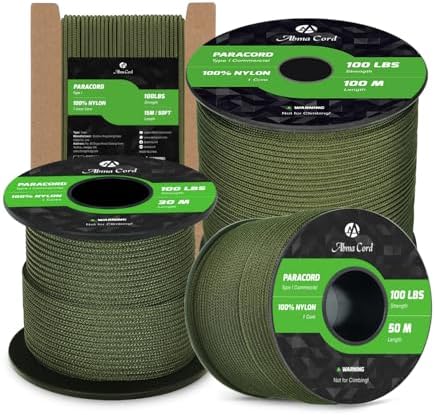

Moreover, paracord is resistant to mould, mildew, and UV rays, making it suitable for various environments and conditions. Its lightweight nature allows for ease of carrying, which is immensely beneficial when every ounce counts. With the growing emphasis on preparedness, paracord has taken centre stage in discussions surrounding essential survival gear. Understanding its origins and capabilities solidifies paracord’s status as an indispensable tool in any outdoor enthusiast’s arsenal, ensuring not only survival but also the ability to thrive in challenging circumstances.
Understanding Paracord Specifications: What to Look For
When selecting paracord for high-stakes wilderness scenarios, comprehending its specifications is crucial for ensuring reliability and performance. Paracord, short for ‘parachute cord’, comes in various types, with the most common being Type I, II, and III. Type III paracord, also known as 550 cord, is particularly valued for its high tensile strength of 550 pounds, making it suitable for various outdoor applications.
Analysing the strength ratings of paracord is essential when assessing its utility in survival situations. The tensile strength refers to the maximum load that the cord can bear before breaking. In addition to Type III, there are Type IV and Type V cords, which offer even higher strength opportunities, though they are less commonly used compared to Type III. For general survival applications, however, 550 paracord is typically adequate due to its durability and flexibility.
The materials used in paracord construction also significantly affect its overall performance. Most paracords are made from nylon, which provides excellent tensile strength and abrasion resistance. The inner strands of paracord can also vary; while some are solid, others have multiple strands that can be used for various applications, such as fishing line or sewing thread. This versatility is one of the reasons why paracord is a favoured choice among outdoor enthusiasts and survival experts.
When evaluating paracord, it is also essential to consider the weave pattern. A tight, consistent weave structure contributes to the cord’s strength and durability, making it better suited for high-stress conditions. Additionally, checking for compliance with established standards, such as those from the Parachute Industry Association, can further ensure that the paracord meets quality norms necessary for demanding outdoor environments.
Top Paracord Brands for Survival Situations
When seeking reliable paracord for survival situations, it is essential to choose brands that have established a reputation for quality and durability. Several brands stand out in the market, known for their commitment to producing top-notch paracord that can withstand high-stakes wilderness demands.
One of the leading brands is Paracord Planet. This company offers a variety of paracord options, including 550 paracord, which is ideal for survival use due to its high tensile strength. Paracord Planet is also recognised for its extensive colour selections and patterns, adding an aesthetic touch without compromising functionality. Their paracord is known for its smooth texture and consistency, making it easier to work with in various applications.
Another notable brand is Survival Paracord, which focuses specifically on outdoor survival needs. Their paracord is crafted from high-quality nylon, ensuring durability and resilience against environmental factors. Survival paracord stands out due to its incorporation of additional survival elements, such as fishing lines and fire-starting fibres within the strands. This added utility makes it an exceptional choice for those venturing into the wilderness.
Atwood Rope MFG is an excellent option for those seeking a commercial-grade product. This brand has garnered respect in the industry for its military-grade paracord, which is built to endure extreme conditions. Atwood paracord is frequently used by professionals in outdoor activities and has a proven track record in survival scenarios.
Lastly, Rothco keeps pace with competitors by providing paracord that meets military specifications. Known for their strength and reliability, Rothco’s products are a staple among outdoor enthusiasts and survivalists, offering a wide range of colours and designs suitable for various applications.
By considering these reputable brands, consumers can ensure they invest in paracord that not only meets but exceeds their survival needs, enhancing their preparedness for any wilderness scenario.
Real-Life Applications of Paracord in Wilderness Survival
Paracord, originally designed for parachutes, has evolved into a vital tool for outdoor enthusiasts and survivalists alike. Its strength and versatility make it indispensable in numerous wilderness survival scenarios. One of the most common applications is shelter building. When stranded in the wild, using paracord to secure tarps or fallen branches can create a makeshift shelter, protecting individuals from harsh weather conditions. The robust nature of paracord ensures that such shelters remain intact, providing crucial survival advantages.
Additionally, paracord can serve as an effective gear repair solution. For instance, if a backpack strap breaks during a hike, weaving paracord through the torn area can re-establish the bag’s integrity, allowing continued travel with essential belongings. In real survival situations, such improvised repairs can mean the difference between safety and being stranded without necessary supplies.
Another practical application of paracord is its use as a fishing line replacement. Several survival stories highlight how stranded individuals crafted fishing lines using paracord, successfully catching fish to secure a food source. The thin inner strands of paracord are strong enough to hold sizeable fish, making it an extraordinary alternative to traditional fishing gear.
Moreover, paracord is invaluable in first-aid scenarios. In emergencies, it can be used to create improvised splints for injured limbs or to secure bandages in place. The ability to effectively manage injuries in the wilderness can significantly increase chances of survival until help arrives.
Through these various applications—shelter building, gear repair, fishing line replacement, and first aid—paracord demonstrates its worth in wilderness survival. Numerous survivalists have shared experiences where paracord played a crucial role, reiterating its status as an essential item in any preparation kit.
How to Choose the Right Paracord for Your Needs
When selecting the appropriate paracord for your adventurous undertakings, it is crucial to evaluate various factors that influence its effectiveness in high-stakes wilderness scenarios. The first consideration should be the load-bearing capacity of the paracord. Regular 550 paracord, known for its strength, can support up to 550 pounds, which is adequate for many camping and survival tasks. However, if your activities involve heavier loads, such as rescue or heavy-duty applications, consider specialised options like type III or type IV paracord, which offer enhanced strength and reliability.
Additionally, the environment in which you plan to use the paracord plays a significant role in your selection process. Different materials offer varying levels of resistance to environmental stressors. For example, nylon paracord is resilient to moisture and UV rays, making it ideal for outdoor use. On the other hand, if you foresee using the paracord in particularly wet scenarios, such as fishing or boating, opting for a water-resistant paracord could enhance durability.
Moreover, understanding your intended use is essential. Paracord can serve multiple purposes, from hiking and camping to crafting survival gear. For crafting applications, decorative or coloured paracord may enhance aesthetic appeal, while for functional scenarios, clear or camouflage options might be more suited to specific environments. For instance, paracord with reflective strands can be advantageous when navigating through low-light conditions.
Finally, ensure that the paracord you select not only meets these criteria but also adheres to quality standards. Look for trusted brands that provide detailed specifications and ratings, ensuring you can depend on your chosen paracord when it matters most. Following these guidelines will enable you to select the right paracord tailored to your specific needs, enhancing your safety and efficiency in wilderness situations.
Paracord Accessories: Enhancing Your Survival Gear
When preparing for wilderness scenarios, investing in high-quality paracord is essential; however, the utility of paracord can be significantly augmented through the use of various accessory components. Complementary items such as buckles, clips, and versatile tools play a crucial role in maximising the effectiveness of paracord in survival situations.
Buckles are particularly useful for creating adjustable straps and enabling quick attachment and release. They come in various designs, such as side-release and ladder-lock types, which provide functionality tailored to specific needs. Incorporating buckles into your paracord setup allows for quick modifications, making your overall survival gear adaptable to different environments and situations.
Another essential accessory is the clip, which can serve multiple purposes, ranging from securely attaching gear to your backpack to creating a makeshift anchor. Many outdoor enthusiasts favour carabiner-style clips due to their ease of use and robust construction. Using clips effectively can simplify complex tasks such as constructing shelters or securing food supplies.
In addition to buckles and clips, various tools specifically designed for use with paracord enhance its performance. Paracord cutting tools, for example, enable users to tailor lengths quickly during survival scenarios, ensuring minimal waste and maximum efficiency. Furthermore, multi-tools that include paracord-compatible functions can serve as a compact solution for many survival tasks.
Integrating these accessories into a comprehensive survival strategy is vital for those navigating high-stakes environments. By thoughtfully considering the role of each accessory, survivalists can ensure their gear is not only functional but also optimised for diverse challenges. Ultimately, combining paracord with these specialised accessories provides the flexibility and adaptability necessary for successfully handling the uncertainties of wilderness adventures.
Caring for and Maintaining Your Paracord
To ensure that your paracord remains a reliable tool in high-stakes wilderness scenarios, proper care and maintenance are essential. Paracord, utilised for its strength and versatility, can face wear and tear, particularly in challenging environments. Regularly inspecting and maintaining your paracord will enhance its lifespan and effectiveness.
One of the first steps in maintaining paracord is cleaning it. Over time, dirt, grime, and other contaminants may accumulate on the cord. It is recommended to wash paracord with mild soap and water, ideally using a soft brush to gently scrub away stubborn debris. After washing, rinse thoroughly to eliminate all soap residues and allow the paracord to air dry completely, as moisture can lead to mildew or degradation of the fibres.
Storage also plays a critical role in the longevity of paracord. It is crucial to store the cord in a cool, dry place, away from direct sunlight, which can cause the colours to fade and weaken the material. Utilising a storage container that breathes, like a fabric pouch, can protect the cord from environmental factors that might degrade its quality. Additionally, avoid twisting or tangling the paracord during storage, as this can lead to kinks that weaken its structural integrity.
Moreover, it is vital to regularly inspect your paracord for signs of wear. Look for fraying, discolouration, or any thin spots. These can indicate that the cord has lost some of its strength and may need replacing. By recognising these signs early, you can ensure that your paracord remains an effective tool in survival situations. Keeping your paracord clean, correctly stored, and well-inspected will aid in maintaining its robust utility and ensuring it is ready when needed.
DIY Projects: Creative Uses for Paracord
Paracord, renowned for its exceptional strength and versatility, opens up a realm of DIY possibilities that extend beyond its immediate use in survival situations. With a bit of creativity, outdoor enthusiasts can transform simple paracord into various practical items. One popular project involves crafting survival bracelets. These bracelets can be stylish yet functional, allowing users to wear a length of paracord that can be unravelled in emergencies. Various weaving techniques, such as the cobra or fishtail, help create these attractive accessories, making them perfect gifts or personal items for adventurers.
Another innovative use of paracord is in the construction of gear organisers. With a few lengths of paracord, individuals can create custom storage solutions that keep equipment tidy and accessible. For instance, by weaving paracord through a series of loops on a sturdy surface, one can design an efficient hangar for tools, utensils, or other gear. This type of organisation not only minimises clutter but also ensures that essential items are readily available when they are needed the most.
For those interested in functional art, paracord can be employed to create minimalist keychains or lanyards, combining utility with personal style. Techniques such as the King Solomon braid or using beads can add flair to these items without sacrificing strength. These keychains can withstand daily wear and tear and can also be handy in emergencies, allowing for quick access to necessary tools.
In addition to individual projects, paracord can be utilised in collaborative group activities. Workshops focused on paracord crafting can promote teamwork while teaching participants valuable survival skills. Whether you are an experienced craftsman or just starting, the numerous projects that utilise paracord offer endless possibilities for creating durable and practical items.
Conclusion: The Essential Role of Paracord in Survival Situations
In the realm of wilderness survival, the importance of paracord cannot be overstated. This versatile cord, known for its remarkable strength and utility, serves numerous functions that significantly enhance survival strategies in high-stakes scenarios. From securing shelter to creating traps and performing first aid, paracord has etched its reputation as a vital tool for both amateur outdoorsmen and seasoned survivalists alike.
Throughout this discussion, essential attributes of high-quality paracord have been illuminated, including its tensile strength, multi-functional capabilities, and ease of use. These characteristics underscore why individuals venturing into remote or wilderness areas should prioritise the selection of robust paracord as part of their essential gear. Investing in a high-quality option ensures reliability and performance when it matters most.
Moreover, the efficacy of paracord in survival situations extends beyond mere possession. Regular practice in various applications fosters familiarity and builds confidence, allowing individuals to utilise paracord adeptly under pressure. Engaging in practical exercises such as knot tying, creating makeshift shelters, or fashioning fishing lines can mean the difference between life and death in critical scenarios.
In summary, paracord stands out as a fundamental tool in the survival toolkit, combining utility and strength to support a variety of essential tasks. Prioritising this resource and honing the skills needed to use it effectively prepares individuals for unexpected challenges in the wilderness. Therefore, whether you are an adventurous spirit or a cautious planner, ensuring that you have quality paracord at your disposal can greatly enhance your survival capabilities in high-stakes situations.