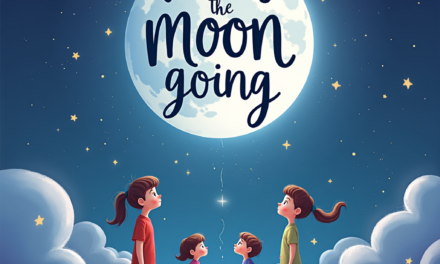

Every parent knows the nightly struggle. The sun goes down, the pyjamas go on, and suddenly, your little ones find an infinite burst of residual energy. They want a glass of water. They need to tell you a story about a dinosaur. They absolutely cannot go to sleep yet.
The secret to transitioning from daytime chaos to nighttime tranquillity often lies in the pages of a great book. Among the sea of children’s bedtime storybooks available today, a new cosmic adventure is capturing the hearts of parents and kids alike.
The Moon’s Missing Button is a whimsical, soothing tale that transforms the bedroom into a gentle observatory of imagination. Let’s dive into why this celestial story is becoming a modern bedtime classic and how you can use it to create a peaceful evening routine.
The Heart of the Story: An Adventure in the Clouds
At its core, The Moon’s Missing Button is a story about community, problem-solving, and friendship. The plot introduces us to Mr Moon, who sits proudly in the night sky, casting a comforting glow over the sleeping world below. But one evening, a cosmic wind blows too hard, and the silver button holding his glowing night jacket together pops off, tumbling down through the atmosphere.
Without his button, Mr Moon begins to fade. The sky grows unusually dark, and the nocturnal animals are left confused. Enter Pip, the smallest star in the sky. Though tiny, Pip’s heart is massive. He volunteers to leave his cosy constellation to hunt down the missing button, embarking on a gentle journey across the cosmos.
Along the way, Pip meets a cast of delightful characters:
-
The Sleepy Comet: Who travels too fast but always stops to give directions.
-
The Big Dipper: A maternal figure who helps scoop up glowing space dust to light Pip’s path.
-
The Cloud Weavers: Gentle creatures who spin fog and mist into soft blankets for the Earth.
It’s a narrative that balances the excitement of a quest with the soft, lulling rhythm required to make children feel safe, secure, and sleepy.
Why Interactive and Rhythmic Stories Matter for Childhood Development
Choosing the right option among thousands of children’s bedtime storybooks isn’t just about pretty pictures—though this book has them in spades. The structure of the storytelling itself plays a massive role in child psychology and cognitive development.
1. Language Acquisition Through Rhythm
The book utilises a gentle, melodic cadence. The sentences flow like a lullaby, using soft alliteration and predictable sentence structures. When children listen to rhythmic language, it helps them identify phonetic patterns, building their vocabulary and pre-reading skills without them even realising it.
2. Emotional Regulation and Empathy
Pip is a very small character facing a very big sky. Kids instantly relate to Pip. When Pip feels nervous but chooses to help Mr Moon anyway, young readers learn about emotional resilience. They see that you don’t have to be big or loud to make a meaningful difference in the world.
3. Visual Literacy
The illustrations in The Moon’s Missing Button use a deep, soothing palette of indigos, silvers, and warm amber glows. This is intentional. Harsh, overly bright primary colours stimulate a child’s brain, whereas the deep celestial tones used in this book actively signal to the brain that it is time to wind down.
+------------------------------------------+------------------------------------------+
| Active/Daytime Books                     | Bedtime Books (The Moon's Missing Button)|
+------------------------------------------+------------------------------------------+
| Bright, high-contrast primary colors     | Deep blues, silvers, and soft warm glows |
| Fast-paced, high-energy plot twists      | Rhythmic, predictable, and calming flow  |
| Loud interactive noises or pop-ups       | Imaginative, quiet sensory descriptions   |
+------------------------------------------+------------------------------------------+
5 Practical Tips to Build the Perfect Bedtime Routine
A book is a powerful tool, but it works best when integrated into a holistic evening ritual. If you want to maximise the sleep-inducing magic of The Moon’s Missing Button, try setting the stage with these simple steps:
Create a “Cosmic” Lighting Environment
Before opening the book, turn off the harsh overhead bedroom lights. Use a warm bedside lamp or a starry-night light projector that casts soft shapes onto the ceiling. This visually mirrors the environment Pip is exploring in the book, making the reading experience immersive.
Lower Your Vocal Register
As you read through Pip’s journey, consciously drop the pitch of your voice and slow your reading speed. By the time Pip meets the sleepy comet, your voice should be a gentle, rhythmic whisper. Your child will naturally match your calm energy.
Trace the Constellations
The book features beautiful, subtle line art of real constellations hidden within the illustrations. Encourage your child to gently trace the lines of the Big Dipper or Orion’s Belt with their finger. This quiet, tactile activity focuses their attention and keeps their hands still.
Pair with a Sensory Element
Make bedtime a multi-sensory experience. A light mist of lavender or chamomile spray on their pillowcase can be introduced as “cosmic sleep dust”, just like the dust Pip uses to find his way.
The “Goodnight to the Stars” Ritual
Once the book is closed and Mr Moon has found his button, have your child whisper goodnight to the characters. “Goodnight, Pip. Goodnight, Mr Moon. Goodnight, stars.” This provides a definitive, comforting closure to the day.
Creative Use Cases: Beyond the Bedtime Routine
While The Moon’s Missing Button is the ultimate sleep aid, its utility doesn’t stop when the sun comes up. Teachers, librarians, and parents can use this rich story for various daytime activities:
-
Introduction to Astronomy: Use Pip’s journey to spark an interest in the solar system. After reading, you can look up real pictures of the moon’s phases or talk about what stars are made of.
-
Arts and Crafts Sessions: Have your child design their own “Moon Button” using cardboard, foil, and eco-friendly glitter. It’s an excellent way to practise fine motor skills.
-
Calm-Down Corner Companion: If your child experiences daytime tantrums or sensory overload, moving to a quiet space and reading about Pip’s gentle cloud valleys can help reset their nervous system.
Frequently Asked Questions About Bedtime Reading
Q: What is the ideal age range for ‘The Moon’s Missing Button’? A: The story is perfect for children aged 3 to 7. Younger toddlers will love the soothing rhythm and glowing illustrations, while older children (ages 6-7) can use it as an early reader book to practice their independent reading skills.
Q: How long does it take to read the book aloud? A: At a relaxed, bedtime pace, the book takes about 7 to 10 minutes to read. This is the sweet spot for keeping a child’s attention without overstimulating them before lights-out.
Q: Can this book help with a fear of the dark? A: Yes, absolutely! The book reframes the dark night sky as a friendly, beautiful canvas filled with helpful characters. By showing that the night is simply a cozy jacket worn by the moon, it takes away the fear of the unknown.
Final Thoughts: Investing in Peaceful Evenings
In a world dominated by flashing screens and high-energy digital media, the simple act of opening a physical book with your child remains irreplaceable. Children’s bedtime storybooks like The Moon’s Missing Button do more than just fill the silence; they build bridges of connection between parent and child, creating memories that last a lifetime.
By joining Pip on his quest to fix the moon’s night jacket, your little one learns that the night isn’t something to fear—it’s a magical world waiting to be explored in their dreams. So, fluff the pillows, pull up the blankets, and prepare for a beautiful journey into the stars. Your ticket to a peaceful night’s sleep is just a page-turn away.