

Introduction to Sleep Technology
Sleep technology has evolved dramatically over the past few decades, emerging as a crucial field dedicated to understanding and enhancing sleep quality. With the increasing recognition of sleep’s vital role in overall health and well-being, innovations in sleep technology have gained significant attention. Various devices and systems are now available to monitor sleep patterns, assess sleep quality, and even provide personalized solutions for improvement.
The evolution of sleep technology can be traced back to rudimentary sleep studies, which primarily involved polysomnography—a process that records brain activity, oxygen levels, heart rate, and respiratory effort during sleep. While these methods remain essential in clinical settings, the introduction of consumer-oriented devices has made it possible for individuals to engage with sleep science on a personal level. Wearable technology, such as fitness trackers and smartwatches, has incorporated sleep tracking functions, allowing users to gain insights into their sleep habits with real-time feedback.
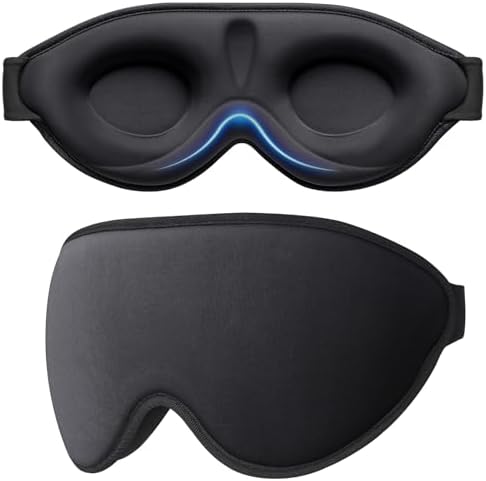
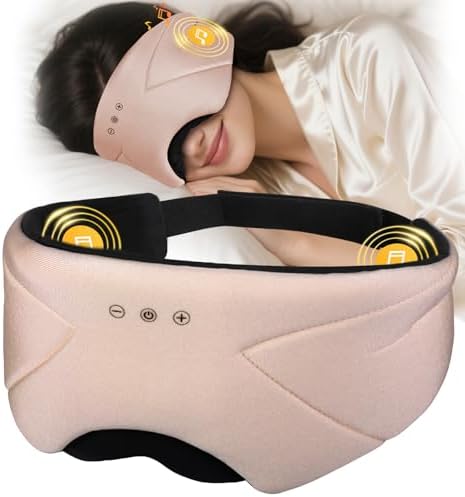

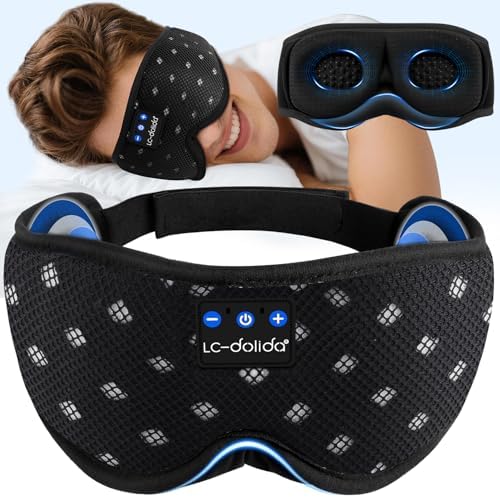
Moreover, advancements in sensors such as vibrometers and thermal sensors have further refined how sleep data is collected. Vibrometers can monitor the vibrations and movements associated with sleep disturbances, while thermal sensors detect changes in body temperature, which can indicate different sleep stages or disruptions. These technologies provide a nuanced understanding of various factors that influence sleep quality, enabling users to make informed decisions regarding their bedtime routines and environments.
In summary, the growth of sleep technology represents a significant shift towards personalized health and wellness solutions. By leveraging innovations such as wearable sleep trackers and sophisticated sensor technology, individuals are empowered to take control of their sleep health, leading to improved overall quality of life. As this field continues to advance, we can anticipate even more remarkable developments that will further enhance our understanding of sleep and its complexities.
Understanding Sleep Metrics
Sleep monitoring has gained immense significance in recent years, particularly with advancements in sleep technology. The metrics used in sleep assessment are crucial for understanding sleep health, and they offer insights that can lead to improved rest and overall well-being. Key sleep metrics include sleep duration, sleep cycles, and sleep disturbances, each serving a specific purpose in evaluating an individual’s sleep quality.
First and foremost, sleep duration refers to the total amount of time spent asleep during a sleep period. This metric is essential as it helps identify whether an individual is getting enough sleep tailored to their age, lifestyle, and health needs. Insufficient sleep duration is linked to various health issues, including cognitive decline, mood disorders, and metabolic problems. Therefore, tracking sleep duration helps individuals recognize patterns to achieve optimal rest.
Secondly, sleep cycles provide a deeper insight into the structure of sleep. A typical night’s sleep consists of multiple cycles, each comprising different stages including light sleep, deep sleep, and REM (Rapid Eye Movement) sleep. Understanding these cycles aids in recognizing the quality of sleep—deep sleep is particularly restorative, while REM sleep plays a vital role in cognitive functions. Monitoring these cycles enables individuals to identify any irregular disruptions that might affect their restorative sleep phases.
Lastly, sleep disturbances encompass interruptions or disruptions that occur during the night. These can range from environmental factors, such as noise or temperature changes, to physiological issues like sleep apnea. Understanding the frequency and nature of these disturbances is pivotal for developing strategies to enhance sleep quality. By identifying and addressing the causes of sleep disturbances, individuals can work towards achieving a more restful and uninterrupted sleep experience.
What are Vibrometers?
Vibrometers are specialized devices designed to measure vibrations within a given environment, and they have emerged as valuable tools in the realm of sleep technology. These instruments utilize various mechanisms to detect motion and vibrations, allowing them to provide valuable insights into individuals’ sleep patterns. By monitoring vibrations, vibrometers can effectively track subtle movements that may occur during sleep, which can significantly affect overall sleep quality.
In the context of sleep analysis, vibrometers play a crucial role in detecting the various stages of sleep. They monitor not only gross movements but also finer vibrations that happen when a person is in deep sleep versus lighter sleep phases. The data collected can indicate restlessness or frequent awakenings, giving insight into potential sleep disturbances that might otherwise go unnoticed.
Furthermore, vibrometers often incorporate advanced algorithms and signal processing techniques to ensure that the recorded data is both accurate and meaningful. By analyzing vibration patterns, these devices can distinguish between movements caused by tossing and turning and those caused by external factors such as noise or environmental disturbances. Such differentiation is essential for providing a holistic view of an individual’s sleep experience.
As sleep technology continues to advance, the role of vibrometers in sleep studies becomes increasingly vital. Through continuous monitoring and evaluation, these devices can aid healthcare professionals and sleep specialists in identifying sleep disorders, helping to curate personalized treatment plans tailored to individual needs. Ultimately, vibrometers serve as a critical component in understanding the nuances of sleep behavior, contributing significantly to the broader field of sleep science.
The Technology Behind Vibrometers
Vibrometers are advanced devices designed to measure vibrations generated by the human body during sleep. The core technology of these sensors lies in their ability to detect minute movements, which can be indicative of various sleep patterns. Typically, vibrometers employ accelerometers that capture these vibrations in three-dimensional space, allowing them to analyze changes in position over time with remarkable precision.
The data collection process begins when a vibrometer is placed, usually under a mattress or pillow, where it can unobtrusively record movement without disturbing the sleeper. The sensors continuously monitor vibrations caused by factors such as breathing, heart rate fluctuations, and the overall movement of the body. This continuous stream of data is then transmitted to a connected device, such as a smartphone or a computer. This real-time data transmission is crucial as it enables the user to receive immediate feedback on their sleep quality.
Following collection, advanced algorithms are employed to process and analyze the data. These algorithms can differentiate between various types of movements, categorizing them into stages of sleep, such as light, deep, or REM sleep. This classification is integral in providing insights into the sleeper’s overall sleep health. The outcome is a comprehensive report detailing the duration and quality of each sleep stage, along with any disturbances that may have occurred throughout the night.
By utilizing sophisticated sensor technology and data analytics, vibrometers offer valuable insights that can help users identify patterns and make informed decisions about their sleep hygiene, potentially leading to improved health and well-being.
What are Thermal Sensors?
Thermal sensors are specialized devices that monitor temperature with high precision, playing a critical role in the realm of sleep technology. These sensors track various temperature metrics, particularly body temperature, which can significantly influence the assessment and improvement of sleep quality. By measuring the heat released by the body, thermal sensors provide real-time data that can be analyzed to glean insights into an individual’s sleep patterns.
The monitoring of body temperature is pivotal as it is closely correlated with the body’s circadian rhythms, which dictate the sleep-wake cycle. During sleep, the body temperature naturally decreases, facilitating a state that is conducive to restful slumber. Disruption in this thermal regulation can lead to sleep disturbances, hence the ability of thermal sensors to monitor and record these fluctuations becomes essential. They can be integrated into various sleep technology devices such as smart mattresses, sleep trackers, and wearable devices.
When incorporated into sleeping environments, thermal sensors help in identifying the optimal conditions for sleep. For example, they can provide feedback for adjusting ambient temperature in a room or alerting users to changes in their body temperature that might indicate sleep issues. Moreover, the data captured by thermal sensors can empower users to make informed decisions about their sleep hygiene, promoting overall health and well-being.
In conclusion, thermal sensors serve as invaluable tools in understanding sleep quality. They not only assist in monitoring body temperature but also offer insights into how this vital parameter affects overall health and sleep efficiency. As sleep technology continues to evolve, the role of thermal sensors remains significant in enhancing our approaches to achieving restorative sleep.
The Working Mechanism of Thermal Sensors
Thermal sensors play a crucial role in sleep technology, providing valuable insights into the temperature-related aspects of sleep. These sensors leverage various technologies to measure temperature accurately, playing an integral part in monitoring sleep quality and patterns. The standard instruments include thermocouples, thermistors, and infrared sensors, each with distinct operating principles and applications.
Thermocouples consist of two different metals joined at a junction that generates an electrical voltage correlated to temperature changes. This type of sensor is particularly useful in environments requiring robust temperature measurements. Thermistors, on the other hand, are temperature-sensitive resistors that change their resistance in response to temperature fluctuations. They are widely used in consumer sleep devices due to their sensitivity and quick response times.
Infrared sensors measure temperature by detecting the infrared radiation emitted from an object or surface. This technology is non-contact, making it ideal for monitoring body temperature without physical interaction, which can be especially useful in sleep studies. Each of these technologies contributes to a comprehensive understanding of sleep dynamics and offers different advantages depending on the application.
Once the temperature is measured, the data is often subjected to analysis through algorithmic interpretations that correlate temperature variations with sleep stages. For instance, during deep sleep, a cooler body temperature is typically observed, while REM sleep may accompany slight increases. The integration of thermal sensor data into sleep tech devices enables users to gain insights into their sleep habits, providing actionable information to enhance sleep quality. Overall, understanding the working mechanism of thermal sensors enhances awareness of their role in sleep technology, ultimately guiding individuals toward healthier sleep practices.
Combining Vibrometers and Thermal Sensors for Enhanced Sleep Analysis
The integration of vibrometers and thermal sensors in sleep analysis technology is transforming the way individuals approach sleep health optimization. Each sensor type brings unique strengths to the table, allowing for a thorough understanding of sleep patterns and quality. Vibrometers are adept at detecting subtle vibrations in the body, which can indicate movements during sleep. This motion data is crucial for identifying sleep disorders such as sleep apnea, where disruptions in breathing lead to characteristic shifts in body movement.
On the other hand, thermal sensors provide valuable insight into body temperature variations throughout the sleep cycle. Body temperature plays a pivotal role in regulating sleep; for instance, a drop in temperature often coincides with deeper stages of sleep. By measuring skin temperature fluctuations, thermal sensors can indicate the effectiveness of sleeping environments, guiding users toward optimal conditions for restful sleep.
When vibrometers and thermal sensors are utilized together, they create a comprehensive profile of an individual’s sleep behavior. The synergy between movement and temperature readings allows for the identification of patterns that would otherwise remain overlooked if only one sensor type were deployed. For example, if persistent body movements correlate with abnormal temperature changes, this information can be instrumental in diagnosing underlying sleep issues.
Furthermore, the data acquired from this combined approach can enhance personal sleep optimization practices. Users can receive tailored recommendations based on their specific sleeping habits. This might include adjustments in bedroom temperature or modifications to bedtime routines that promote better sleep hygiene. Ultimately, the integration of vibrometers and thermal sensors not only enhances the accuracy of sleep health assessments but also empowers individuals to take actionable steps toward improving their sleep quality.
Practical Applications of Sleep Tech in Everyday Life
As sleep technology continues to advance, its integration into daily routines has become increasingly beneficial for individuals seeking to enhance their sleep quality. Various devices, wearables, and applications are now available, enabling users to monitor and improve their sleeping patterns effectively.
Home devices, such as smart mattresses and sleep trackers, provide invaluable insights into sleep stages, duration, and overall quality. These innovations often incorporate vibrometers and thermal sensors that gather intricate data while the user sleeps. For instance, a smart mattress can adjust its firmness based on the user’s sleeping position and temperature, ensuring optimized comfort throughout the night. By analyzing the gathered data, users can identify patterns that may be affecting their rest and, in turn, modify their environment to promote better sleep hygiene.
Wearable technology, such as smartwatches or fitness bands, allows for real-time monitoring and analysis of sleep metrics. Equipped with various sensors, these devices can track the heart rate and movement during sleep, providing an overview of rest quality. Many of these wearables sync with mobile applications, compiling historical sleep data and presenting it in an easily digestible format. Users can leverage these insights to understand the impact of lifestyle choices—such as exercise and dietary habits—on their sleep quality.
Moreover, mobile applications focused on sleep meditation and relaxation exercises can further enhance sleep quality for users. Many applications offer tailored soundscapes or guided meditation sessions designed to prepare the mind and body for rest. Integrating these practices into a sleep routine can substantially improve relaxation levels, leading to more restorative sleep.
By incorporating sleep technology into everyday routines, individuals can take proactive steps toward optimizing their sleep health. With an awareness of how different technologies can cater to individual needs, users are better equipped to foster healthier sleep habits.
Future Trends in Sleep Technology
The landscape of sleep technology is evolving rapidly, driven by advancements in both sensory technology and data analytics. As we look to the future, several emerging trends stand out, particularly in the realm of vibrometers and thermal sensors, which play pivotal roles in sleep health management.
One significant trend is the increasing integration of artificial intelligence (AI) in sleep technologies. Algorithms will become more sophisticated, leveraging data collected from vibrometers and thermal sensors to deliver tailored sleep solutions. For instance, AI could analyze an individual’s sleep patterns over time, allowing for personalization of sleep environments, and creating optimized conditions for better sleep quality. This precision in adaptability underscores a move towards a more individualized approach to sleep health.
Moreover, wearables equipped with advanced thermal sensors are likely to enhance the capability of tracking sleep stages. These devices may provide more accurate assessments of sleep quality by measuring variations in body temperature during different stages of sleep. Such technology could contribute to a deeper understanding of how factors like stress or diet influence sleep, thereby guiding behavioral changes for improved health.
Another frontier is the development of non-invasive monitoring systems that utilize vibrometers to assess sleep disruptions without continual human input. By embedding these sensors within bedding or sleep products, subtle body movements can be monitored naturally and continuously, providing insights into sleep disturbances that might otherwise go unnoticed.
Given these trends, the future of sleep technology promises not only enhanced monitoring but also actionable insights aimed at improving overall sleep health. The integration of vibrometers and thermal sensors is poised to revolutionize our understanding of sleep, leading to better health outcomes through innovative technology solutions.