

Survival
Introduction to Modern Prepping
In recent years, the concept of prepping has gained significant traction, becoming more mainstream as individuals recognize the importance of self-sufficiency and preparedness. This shift is largely attributed to various factors, including an increase in natural disasters, economic fluctuations, and social unrest, which have underscored the need for personal readiness in the face of unforeseen events. The modern prepper embodies a proactive approach to life, prioritizing the acquisition of survival skills and knowledge that enables them to respond effectively during emergencies.
Being a modern prepper goes beyond the traditional image of stockpiling supplies; it encompasses a holistic mindset geared towards self-reliance and sustainability. A modern prepper is not merely concerned with physical preparations, such as food storage and emergency kits, but also emphasizes mental resilience and community engagement. These individuals often invest time in learning valuable skills, such as first aid, gardening, and basic mechanical repairs, which equip them to navigate challenges more effectively.
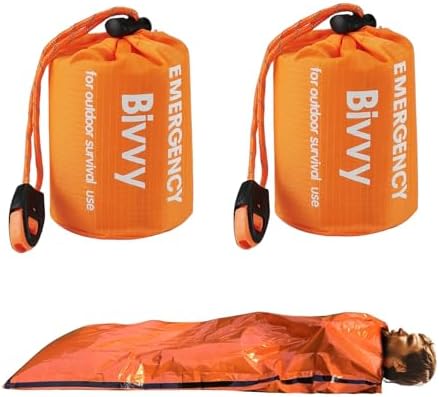

As the global landscape continues to evolve, the realization that life can be unpredictable has led many to adopt a more survival-oriented philosophy. This perspective encourages people to plan for uncertainties while fostering a sense of empowerment in managing personal and family safety. Furthermore, increased access to information through online platforms has enabled preppers to share knowledge and experiences, thus enriching the community and promoting a culture of preparedness. The modern prepper acknowledges that survival knowledge is not just the domain of a select few, but a vital set of skills that everyone can benefit from cultivating. Through this lens, prepping can be seen not only as a personal endeavor but as a broader movement towards resilience and adaptability in an ever-changing world.
Understanding the Basics of Survival
Survival skills are essential for anyone looking to be prepared for unexpected situations. The foundation of effective survival training lies within a few fundamental concepts that every prepper must internalize. Primarily, the rule of threes serves as a critical guide in evaluating survival priorities. This rule states that an individual can survive for roughly three minutes without air, three hours without shelter, three days without water, and three weeks without food. Understanding these timeframes can significantly influence decision-making when faced with life-threatening circumstances.
The first item on the survival checklist is obtaining and maintaining access to breathable air. In scenarios such as natural disasters or enclosed spaces after a collapse, being aware of oxygen availability becomes imperative. Next, the need for shelter follows closely behind. Humans are vulnerable to the elements and can succumb to exposure in a short period. Knowing how to create or identify suitable shelter can be the difference between life and death in extreme conditions.
Water is another fundamental necessity. It is essential to know methods of locating and purifying water in various survival situations. This knowledge can extend one’s survival time significantly, ensuring hydration while securing additional resources. Finally, food, while important, takes a backseat in immediate survival scenarios. Understanding local edible flora and fauna can provide vital nutrition but tends to be less critical than air, shelter, and water.
Awareness of these basics should underpin any survival strategy. Each prepper should practice their skills regularly, aiming for proficiency in various environments. Without a strong grasp of these core concepts, the potential for failure in survival situations enhances dramatically. Mastering these principles forms the bedrock of effective preparation and can empower individuals to thrive even in challenging situations.
Water: The Essence of Survival
Water plays a crucial role in survival situations, making it essential for preppers to understand how to locate, purify, and store this vital resource. The human body can only survive a few days without water, emphasizing its importance in any survival strategy. In emergency scenarios, finding a reliable water source is a top priority, whether it be rivers, streams, or lakes. However, not all water is safe to drink, necessitating effective purification methods.
There are several ways to purify water, each suitable for different circumstances. Boiling is one of the simplest and most effective methods. By bringing water to a rolling boil for at least one minute, many harmful pathogens are killed. This method is especially beneficial when you have access to a fire or portable stove, ensuring the water is safe for consumption.
Filtration is another popular method, employing a water filter to remove impurities and contaminants. There are various types of filters available, from simple carbon filters to advanced reverse osmosis systems. A portable water filter can be invaluable, particularly when you are on the move or in situations where boiling water may not be feasible.
Chemical treatment is also widely used for purifying water, utilizing iodine tablets or chlorine drops. These chemicals effectively eliminate bacteria and viruses, although it is important to follow the recommended dosage carefully to ensure safety. After treating water chemically, allow it to stand for at least 30 minutes before consumption.
In addition to purification, effective water storage is critical for preparedness. Utilizing clean, food-grade containers helps prevent contamination, and storing water in a cool, dark place prolongs its safety. It is also advisable to rotate stored water regularly to ensure freshness. Furthermore, practicing efficient water conservation strategies, such as using a minimal amount during hygiene or cooking, can extend your supply in critical situations.
Food Procurement: Foraging and Hunting
In the wilderness, knowing how to procure food is a vital skill for any modern prepper. This knowledge not only offers sustenance but also fosters self-sufficiency in challenging scenarios. Foraging for edible plants is one of the most fundamental methods of food acquisition. It’s essential to be knowledgeable about local flora; many plants bear edible parts, while others can be toxic. Resources such as field guides and local workshops can aid individuals in learning to identify safe edible plants. Common examples include dandelions, clover, and wild berries, which can often be found in various environments.
In addition to foraging, fishing can be a productive means of sourcing food. Knowledge of local bodies of water and the types of fish present is crucial. Utilizing basic fishing techniques, such as using simple lines or nets, can yield a nutritious food source. It is critical to stay informed about local regulations regarding fishing to ensure sustainability and legal compliance.
Hunting can provide significant nourishment and is a method many preppers should learn. To begin, understanding the habits of local wildlife is important, as is being aware of the appropriate hunting seasons and regulations. Techniques such as tracking, calling, and using bait can enhance success in hunting endeavors. For beginners, trapping can be a simpler and effective way to catch small game. Setting up basic traps near animal trails is often an accessible entry point into hunting for those who may feel overwhelmed by the idea of actively pursuing larger animals.
Ultimately, a well-rounded approach to food procurement, including foraging, fishing, and beginner-friendly hunting techniques, can arm preppers with the necessary skills to thrive in the wild. Gaining familiarity with locally available resources is crucial to differentiating between edible and poisonous options effectively.
Building Shelter: Protecting Yourself from the Elements
In any survival situation, the construction of an effective shelter is paramount, as it serves as your first line of defense against environmental hazards. A well-constructed shelter can protect you from extreme weather conditions such as rain, wind, snow, and heat, significantly increasing your chances of survival. Identifying suitable locations for shelter is crucial; ideally, one should look for areas that offer natural protection, such as alongside large trees or rock outcrops that can provide windbreaks, while avoiding low-lying spots where cold air and moisture tend to gather.
The materials used for constructing a shelter can vary depending on the geographical location and available resources. Common materials include branches, leaves, grass, and mud. When constructing shelters like lean-tos, it is essential to position the structure at an angle against a sturdy support, ensuring that it faces away from prevailing winds. For added insulation, debris huts can be constructed by creating a framework of sticks and then covering it with layers of leaves and foliage. This method not only provides excellent insulation but also blends seamlessly with the environment, offering camouflage from potential threats.
Moreover, adaptability to various climates is vital. In arid climates, a shelter that keeps the internal temperature cool is necessary; utilizing dense foliage or digging into the earth can create a more temperate environment. In contrast, in colder climates, it is important to construct shelters that can retain heat, often incorporating walls made of packed snow or logs for insulation. Understanding these basic techniques and applying them appropriately based on the elements faced can significantly enhance your chances of survival.
First Aid Knowledge: Treating Injuries and Illnesses
In today’s unpredictable world, having basic first aid knowledge is essential for every prepper. This expertise empowers individuals to respond effectively to emergencies, ranging from minor injuries to critical medical situations. The importance of being prepared cannot be overstated, as the ability to provide immediate care can significantly influence the outcome of an injury or illness.
Every prepper should ensure they have a well-stocked first aid kit that includes essential supplies such as adhesive bandages, antiseptic wipes, gauze pads, medical tape, scissors, tweezers, and an emergency blanket. These items enable you to manage cuts, scrapes, burns, and other common injuries. It’s also advisable to have supplies to address illnesses, such as over-the-counter pain relievers, allergy medications, and a thermometer. Being equipped with these essentials can mean the difference between a manageable situation and a potential crisis.
When preparing for common injuries or ailments, it’s wise to familiarize yourself with treatment techniques. For instance, learning how to properly clean and dress a wound can prevent infections, while understanding the signs of shock or severe allergic reactions can help you act swiftly when needed. Additionally, factors like performing CPR or managing choking emergencies are crucial skills that every prepper must know. These knowledge areas not only enhance personal safety but also equip you to assist others in distress.
Taking a first aid course is highly recommended for anyone looking to strengthen their skills. Such courses provide practical experience and detailed knowledge that can help you respond confidently during emergencies. Certified training can cover a wide range of scenarios, ensuring preparedness for various incidents. Therefore, investing time in learning first aid not only prepares you for the unexpected but also instills a sense of confidence in your ability to handle emergencies effectively.
Fire Craft: The Key to Warmth and Cooking
Fire is an essential element in survival situations, providing warmth, aiding in food preparation, and serving as a signaling method for rescue. The ability to create and manage fire can significantly increase one’s chances of survival in the wilderness, making it a vital skill for modern preppers to master. In cold environments, the warmth from a fire is crucial to prevent hypothermia, while in more temperate climates, it can serve to ward off insects and deter predators.
Cooking food over an open flame not only makes it more palatable, but it also eliminates harmful bacteria, enhancing food safety. Furthermore, a well-placed fire can act as a beacon, drawing attention to one’s location in case of emergencies. Thus, understanding various fire-starting methods and materials is imperative.
There are several techniques for starting a fire, which can be categorized primarily into traditional and modern methods. Traditional techniques include friction-based methods, such as the bow drill and hand drill, where wood is rubbed together to create embers. The flint and steel method, meanwhile, involves striking flint against steel to produce sparks. Both techniques require a suitable tinder—dry grass, moss, or bark can serve as effective ignitors.
Modern aids for starting fires include waterproof matches, lighters, and fire starters, which significantly simplify the process. Regardless of the method employed, the critical materials needed to establish a fire include tinder, kindling, and fuel wood. It is vital to ensure that tinder is dry and finely shredded, as it ignites more easily.
Fire safety cannot be overlooked; uncontrolled flames can lead to devastating wildfires and personal injuries. Preppers should always maintain a responsible approach to fire-making by selecting appropriate locations away from flammable materials and ensuring fires are fully extinguished before leaving.
Navigation Skills: Finding Your Way
In survival situations, possessing strong navigation skills is essential for ensuring safety and maintaining direction. Being able to find your way through unfamiliar terrain can mean the difference between finding help or becoming lost, which could lead to dangerous circumstances. Understanding how to read maps and utilize a compass is foundational for any modern prepper aiming to enhance their survival skills.
When it comes to map reading, familiarize yourself with various types of maps such as topographical maps, which indicate elevation changes, and terrain features. Pay attention to symbols and scale, allowing you to understand distances and identify key landmarks. Using a compass to align with a map will reinforce your understanding of your location and help set a reliable course.
In addition to artificial navigation tools, natural landmarks can serve as vital reference points during your journey. Features such as rivers, mountains, and notable trees can guide your path. Observing the lay of the land and how these features relate to your map can enable you to maintain orientation even when electronic devices fail.
Celestial navigation is another crucial skill every modern prepper should master. The sun rises in the east and sets in the west, while the North Star can help you discern true north. Learning to use celestial bodies as navigational aids during the day and night can significantly increase your chances of finding your way back to safety.
Moreover, being aware of your surroundings and remaining oriented is critical in wilderness survival. Having a mental map and the ability to retrace your steps can aid in reestablishing a path if necessary. Signaling for help is also paramount; understanding how to use signal mirrors, whistles, or creating large symbols visible from the air can attract attention in times of need.
Mental Fortitude: The Psychological Aspect of Survival
In survival situations, the importance of psychological resilience cannot be overstated. Mental fortitude significantly affects one’s ability to endure harsh conditions, make critical decisions, and maintain a positive outlook. A positive mental attitude is crucial, not only for navigating the immediate challenges of survival but also for long-term sustainability in adverse environments. Cultivating mental preparedness enhances an individual’s overall ability to cope with stressors, uncertainty, and potential threats.
Stress management techniques play a vital role in maintaining psychological well-being. Practicing mindfulness and controlled breathing can help individuals remain calm and focused in high-pressure situations. These techniques foster emotional regulation and allow for clearer thinking, which is essential when rapid decision-making is required. Moreover, visualization strategies, where individuals mentally rehearse successful outcomes, can enhance their confidence and promote a sense of control over challenging scenarios.
Another important aspect of mental strength is emotional resilience—the ability to bounce back from setbacks. Developing this trait enables individuals to cope with the emotional toll of survival situations. Connecting with a support network or engaging in community discussions about survival experiences can further bolster emotional strength. In times of crisis, sharing individual feelings or thoughts can alleviate isolation and foster a sense of mutual support.
In many instances, mental preparedness has proven as crucial as physical skills. A physically competent individual who succumbs to panic or despair may falter, while a mentally focused person can leverage skills strategically. Understanding this interplay highlights the necessity of focusing on mental practices, not just physical survival techniques. Through adequate preparation of the mind, individuals can enhance their adaptability, thereby increasing their chances of overcoming survival challenges effectively.