

Introduction to the Holy Trinity of Lenses
The concept of the “Holy Trinity” in photography refers to a set of three essential lenses that every photographer should consider including in their equipment collection. This trio typically comprises a wide-angle lens, a standard zoom lens, and a telephoto lens, each serving a unique purpose and facilitating a wide range of photographic styles. The importance of this collection lies in their versatility; together, they empower photographers to capture diverse images in varying scenarios, thus significantly enhancing their creative capabilities.
“Heads up: Some of the links in this post are affiliate links. This means if you click on the link and purchase the item, I’ll receive an affiliate commission. This helps keep the lights on here at techdhami.com! Thanks for your support!”
Utilizing quality glass in these lenses ensures that the images produced exhibit clarity, sharpness, and an overall professional aesthetic. Wide-angle lenses are crucial for landscape, architecture, and interior photography, allowing for expansive views that capture the essence of a scene. Standard zoom lenses bridge the gap between wide-angle and telephoto, making them perfect for everyday photography, including portraits, street scenes, and events. Telephoto lenses, on the other hand, excel in capturing distant subjects, making them ideal for wildlife and sports photography.

- ★ BEST CAMERA LENS CLEANING KIT — 9 ITEMS INCLUDED ★ Best and only professional camera lens cleaning kit you’ll ever ne…
- ★ SPRAY BOTTLE WITH ALL NATURAL LENS CLEANING SOLUTION ★ Vexko DSLR camera cleaning kit comes with a reusable spray bott…
- ★ DUST REMOVAL AIR BLOWER ★ With this dust removal air blower, you don’t have to worry about the stubborn dirt and dust …
The seamless integration of these three lenses into a photographer’s toolkit allows for a comprehensive exploration of various genres of photography. Each lens not only provides a distinct perspective but also enriches the photographer’s experience and skill set. With the Holy Trinity of lenses, photographers can adapt to different environments and subjects, ensuring that they are well-equipped for any photographic challenge they may encounter. Ultimately, investing in these iconic lenses can elevate a photographer’s work, leading to captivating visuals that resonate with viewers.
The 24-70mm Zoom Lens: Versatility at Its Best
The 24-70mm zoom lens is often heralded as the cornerstone of many photographers’ equipment, encapsulating the essence of versatility within its range. With a focal length that stretches from wide-angle at 24mm to short telephoto at 70mm, it strikes a balance that caters to a multitude of photography styles, making it a crucial component of the so-called “holy trinity” of lenses.
This lens excels particularly in portrait and event photography, enabling photographers to capture sharp and dynamic images without the need for lens changes. For portraiture, the 70mm end allows for beautiful compression and background separation, while the 24mm offers an expansive field of view ideal for environmental portraits or group shots. Additionally, landscape photographers benefit from this lens’ ability to capture sweeping vistas while retaining excellent detail.
The versatility of the 24-70mm zoom lens does not stop at portraits and landscapes, as it is also adept at handling various other styles such as travel and street photography. Its robust construction and fast autofocus make it a reliable choice during spontaneous shooting situations, where lighting conditions and subjects may change quickly.
However, it is essential to weigh its pros and cons. While the lens is notably versatile, some photographers might find that it doesn’t perform as well in extreme conditions compared to dedicated primes. The aperture range, which typically varies from f/2.8 to f/4, although adequate, may not be as advantageous in low-light scenarios when compared to prime lenses.
Recommended brands for the 24-70mm zoom lens include Canon, Nikon, and Sony, each offering high-quality options suitable for both amateur and professional photographers. Overall, this lens exemplifies the balance needed for a diverse shooting experience, making it an indispensable segment of any photographer’s toolkit.

- Complete Cleaning Kit: Our camera cleaning kit comes with everything you need: camera lens Cleaner 50ml * 1 + 2in1 lens …
- Versatile Use: Whether you’re a professional photographer or an adventurous traveler, this kit ensures your camera is re…
- Camera Protection: Regular cleaning extends the life of your camera and lens, ensuring clear shots and high-quality imag…
The 70-200mm Telephoto Lens: Reach and Compression
The 70-200mm telephoto lens is a staple in many photographers’ kits, prized for its versatility and exceptional image quality. This lens excels in capturing subjects from a distance, enabling photographers to frame their shots without intruding on the scene. Whether it’s photographing wildlife, athletes in motion, or intimate portraits, this lens provides a unique capability to compose images that stand out.
One of the distinctive features of the 70-200mm lens is its ability to create stunning background compression. As the photographer zooms in on a subject, background elements seem to be drawn closer, resulting in a more cohesive composition that enhances the subject’s presence. This characteristic is particularly advantageous in portrait photography, where a blurry, well-compressed background can help isolate the subject and add depth to the image.
In sports photography, the 70-200mm lens is invaluable. Its reach allows photographers to capture athletes at a distance while maintaining clarity and detail, crucial during fast-paced events where getting too close could pose a safety risk. Additionally, the lens’s fast autofocus capabilities ensure that even the quickest movements can be captured sharply, making it an essential tool for any sports photographer.
However, the 70-200mm telephoto lens is not without its drawbacks. Its relatively large size and weight may pose a challenge for some photographers, particularly during prolonged shoots or hikes. Additionally, while it excels in bright conditions, low light scenarios may require the use of a wider aperture or higher ISO settings to maintain image quality.
Overall, the 70-200mm telephoto lens is a powerful addition to a photographer’s toolkit, offering reach and compression that can elevate the quality of various photographic endeavors.
The 16-35mm Wide-Angle Lens: Expanding Your Perspective
The 16-35mm wide-angle lens is an essential tool for photographers who want to capture expansive landscapes and intricate architectural details. This lens offers a unique perspective, allowing you to frame vast scenes that would otherwise be difficult to encapsulate with standard lenses. Its capability to achieve a broader field of view makes it particularly advantageous for landscape photography, as it enables the inclusion of both foreground and background elements, providing depth to the composition.
When working with a 16-35mm lens, photographers can explore creative compositions that emphasize the grandeur and scale of their subjects. One effective technique is to include a strong foreground element, such as a rock formation or a pathway, which can lead the viewer’s eye into the scene. Another useful approach is to shoot during golden hour, as the warm light enhances the vibrancy of colors and adds a dynamic quality to the image.
However, using a wide-angle lens also comes with certain challenges, notably distortion. This distortion can result in exaggerated perspective and curved lines, which can sometimes detract from the overall quality of the image. To minimize these effects, it is advisable to keep important vertical lines straight, ensuring they run parallel to the edges of the frame. Additionally, using lens correction features in post-processing software can help correct any remaining distortions.
Finally, best practices for utilizing the 16-35mm wide-angle lens include understanding the importance of depth of field. By adjusting aperture settings, photographers can control the sharpness of both the foreground and background elements, enhancing the overall impact of their images. Embracing these techniques and practices will undoubtedly improve one’s photography, making the 16-35mm wide-angle lens a vital addition to any photographer’s toolkit.

- [Camera Accessories Kit] Camera cleaning kit includes Lens Dust Blower*1, Lens Cleaning Pen*1, Microfiber Lens Cleaning …
- [Air Blower Blaster] This camera lens blower is made of rubber, making it soft, odorless, and durable. A powerful air st…
- [Lens Cleaning Pen] Double-ended design, one end removes dirt, grease, and fingerprints, and the other end removes dust …
Choosing the Right Brands and Models
When selecting the appropriate camera lenses, it is crucial to consider several factors that contribute to both performance and value. One of the primary considerations is build quality. A robustly constructed lens can endure the rigors of frequent use, especially for photographers who venture into challenging environments. Look for materials like metal and high-grade plastics that indicate durability and longevity.
Another significant aspect is the quality of the glass used in the lens. High-quality optics minimize distortion and chromatic aberration, offering sharper images. Brands often specify their glass quality, with terms like ‘ED’ (Extra-low Dispersion) or ‘aspherical’ that indicate superior optical performance. This quality can significantly impact the final image, making it essential to prioritize lenses that utilize advanced glass technology.
Autofocus capabilities are also vital—some lenses feature faster, more accurate autofocus systems than others. This is particularly important for action, wildlife, or sports photography, where timing can mean the difference between a perfect shot and a missed opportunity. It’s beneficial to read reviews focusing on the autofocus performance of specific models to ensure they meet your needs.
Finally, consider the price range. Lenses can vary widely in cost, and while high-end lenses typically offer superior performance, many mid-range options also provide excellent value for money. Identify your budget first and then explore brands known for their quality within that range. Whether you are a novice or a professional, understanding these elements will guide you in selecting the right lens that complements your photographic style.
Caring for Your Lenses: Maintenance Tips
Proper maintenance of photography lenses is essential for ensuring their longevity and optimal performance. By following a few best practices, photographers can protect their investments and maintain the quality of their images. One of the first steps in lens care is regular cleaning. Dust, fingerprints, and smudges can accumulate on the lens surface, affecting image quality. To clean lenses, use a microfiber cloth and a lens cleaning solution designed specifically for optical glass. Begin by blowing away any loose dust particles using a blower; this prevents scratching the lens during cleaning. Apply a small amount of cleaning solution to the cloth, not directly on the lens, and gently wipe in a circular motion from the center outward to avoid streaking.
In addition to cleaning, protecting your lenses is crucial. When not in use, always attach the lens cap to shield it from dust and scratches. Consider using protective filters, such as UV or clear filters, which can provide an extra layer of defense against debris and environmental factors. Furthermore, lens hoods can also keep stray light from affecting image quality while offering extra protection from impacts.
Storage is another vital aspect of lens maintenance. Store lenses in a cool, dry place away from direct sunlight and humidity. A dedicated camera bag with padded compartments can help protect lenses from physical impact while keeping them neatly organized. If a lens is exposed to harsh weather conditions, such as rain or snow, ensure it is thoroughly dried before storing it away. This preventative care can significantly reduce the likelihood of issues such as mold growth or internal condensation.
In the event of common lens problems, such as autofocus issues or unclear images, troubleshooting is essential. Occasionally, re-calibrating the lens on the camera can rectify autofocus inaccuracies, while ensuring that the lens contacts are clean can also aid in performance. By implementing these maintenance tips, photographers can prolong the life of their lenses and continue to capture stunning images.
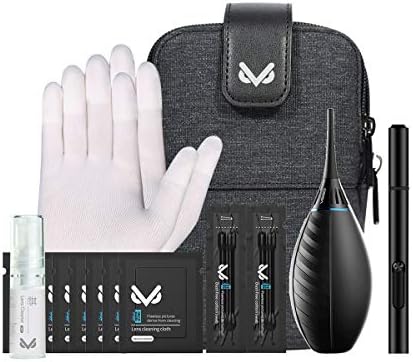
- [Special Design]: designed specially for removing the dust particles on the surface of the lens, hot-shoe and zoom ring….
- [Portable and Easy to Carry] VSGO Camera Cleaning Kit VS-A73E comes with a portable storage bag which can be placed in t…
- [Dustfree Cotton Swab]: designed for cleaning up the dirt and dusts inside the gaps of the hot shoe, zoom rings, touch s…
Combining Lenses for Creative Effects
In the realm of photography, the combination of different lenses can be a powerful method to create unique and compelling images. Photographers often use various lenses not only for their individual characteristics but also to explore how they work together. This blending of lenses can yield creative outcomes that add depth to one’s portfolio.
For instance, using a wide-angle lens in conjunction with a macro lens can produce striking contrast in depth of field. This technique enables the photographer to capture expansive backgrounds with intricate details in the foreground. Such compositions can be particularly effective in landscape photography, where the goal is to illustrate the vastness of nature alongside surprising minute details.
An additional scenario where multiple lenses can be beneficial is during portrait shoots. A photographer might start with a prime lens for crisp facial details, followed by a telephoto lens to create soft bokeh effects that separate the subject from the background. By combining these two lens options, photographers can alternate between sharp focus and artistic blur, thus providing diverse visual storytelling within a single session.
Experimentation is a key aspect of mastering lens combinations. Photographers are encouraged to take risks by changing lenses mid-shoot or even utilizing lens filters to further enhance their creative focus. Beyond the technical aspects, it is essential for photographers to align their chosen lenses with the narrative they wish to convey, as this alignment can significantly impact viewer engagement.
Ultimately, the art of combining lenses opens up an array of creative possibilities, allowing photographers to push the boundaries of their craft. Embracing this experimentation not only fuels personal creativity but also results in unforgettable images that resonate with audiences.
The Evolution of Lenses in Photography
The evolution of lenses in photography represents a fascinating journey through technological advancements that have significantly transformed the art and science of capturing images. Early photographic lenses began as simple glass elements, primarily used for portrait photography in the 19th century. These rudimentary designs provided basic functionality, but as demand for higher quality images grew, so did the complexity of lens construction.
In the late 1800s and early 1900s, innovations such as achromatic lenses, which corrected for chromatic aberration, revolutionized image quality. The addition of coatings during the mid-20th century further enhanced lens performance by reducing glare and increasing light transmission. This period marked a pivotal advancement in optics, with manufacturers focusing on creating lenses that were faster, sharper, and more versatile, catering to the diverse needs of photographers.
The digital revolution in the late 20th and early 21st centuries introduced a new paradigm in lens technology. Digital cameras required lenses to adapt to new sensors and formats, leading to the development of specialized lenses such as wide-angle and macro lenses, which became favored tools for many photographers. Additionally, the rise of mirrorless technology introduced compact designs with fewer moving parts, resulting in lighter and more adaptable lenses.
Today, photographers have access to a plethora of lens options, ranging from prime lenses that offer specific focal lengths to versatile zoom lenses covering a wide range. The continuous evolution of lens technology has opened new creative possibilities while challenging photographers to push the boundaries of their craft.
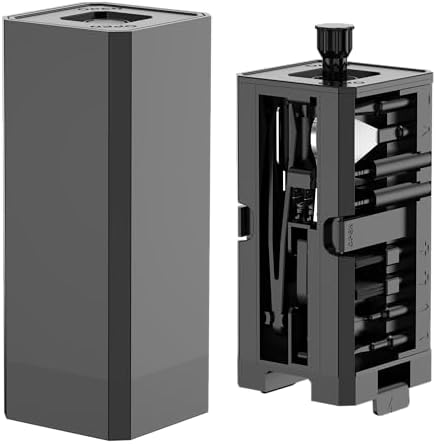
- Multi-Purpose Kit: This 32-in-1 electronics cleaning kit is designed for comprehensive cleaning of keyboards, headphones…
- Compact and Portable: The kit features a compact design, making it easy to carry and store for on-the-go cleaning needs
- Versatile Components: Includes a variety of tools(32) such as brushes, swabs, tweezers, and etc to tackle various deeply…
Conclusion: Investing in Your Photographic Future
In summary, the incorporation of the three essential lenses—the wide-angle, standard, and telephoto—into a photographer’s equipment arsenal is not merely a matter of preference but a pivotal investment in the advancement of their craft. Each lens serves a distinct purpose, offering various perspectives that can dramatically enhance a photographer’s ability to capture diverse subjects and environments. The wide-angle lens provides a broader field of view, ideal for landscape and architectural photography, while the standard lens excels in producing images that closely resemble what the human eye perceives. The telephoto lens, on the other hand, enables the photographer to reach distant subjects and create captivating portraits with beautiful bokeh. These lenses form a foundation on which one can build a comprehensive photographic skill set.
Investing in quality lenses not only encourages technical growth but also inspires creativity. As photographers explore the unique capabilities of each lens, they embark on a continuous journey of experimentation and discovery, refining their style and technique along the way. High-quality lenses are designed to withstand the rigors of frequent use while delivering impressive results, making them a durable investment for both amateur and professional photographers alike.
Therefore, while the initial cost of acquiring these lenses may seem substantial, the long-term benefits far outweigh the financial commitment. By expanding your lens collection with the holy trinity, you position yourself better to seize creative opportunities and develop your unique vision. In the end, photography is a lifelong journey; equipping yourself with essential tools is an integral step toward unlocking your full artistic potential.