Introduction to Vacuum Sealing
Vacuum sealing is a preservation method that involves removing air from packaging to extend the lifespan of food items. This technique is particularly important for long-term food storage as it can significantly reduce spoilage and waste, contributing to better food security. Vacuum sealing works by enclosing food in airtight bags or containers, thereby inhibiting the growth of aerobic bacteria and mold, which thrive in oxygen-rich environments.
The primary benefits of vacuum sealing include prolonging the shelf life of perishable items, preserving the nutritional value of food, and enhancing flavor. By sealing food effectively, nutrients, flavors, and textures are preserved for much longer than conventional storage methods. Moreover, vacuum sealing can prevent freezer burn, which often renders frozen food unpalatable and diminishes its quality. This makes it an ideal method for storing meats, vegetables, and even dry goods.
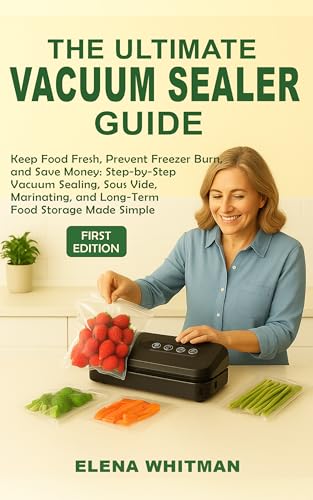

Another significant advantage of vacuum sealing is the cost-effectiveness it offers. By allowing individuals to buy food in bulk, it can lead to substantial savings. Bulk purchases reduce the overall cost per unit of food, and when vacuum sealed, these items can be stored for extended periods without the risk of spoilage. This efficiency not only benefits the consumer's wallet but also fosters a sustainable approach to food consumption, reducing the overall food waste that contributes to environmental issues.
In summary, vacuum sealing is an invaluable technique for preserving food over the long term. Its ability to maintain quality, enhance nutritional retention, and enable cost savings make it a vital tool for those seeking to optimize their food storage strategies and ensure effective long-term food security.
Types of Vacuum Sealers
Vacuum sealers are essential tools for long-term food storage, and understanding the various types available on the market can help consumers choose the best option for their needs. The main types of vacuum sealers include countertop models, handheld sealers, and external or chamber vacuum sealers.
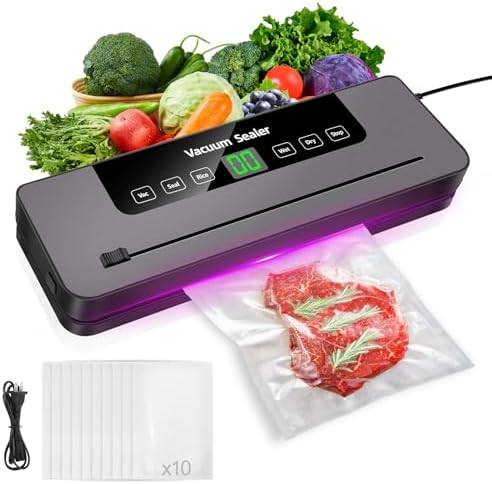
Countertop vacuum sealers are among the most popular options. These machines often come with a robust design and can vacuum seal a variety of food types, including solid items and liquids. They generally offer a range of features such as adjustable sealing settings and accessory compatibility. However, countertop models tend to be bulkier and require more counter space in the kitchen. They usually operate at a higher capacity, making them ideal for families or regular meal preppers.
Handheld vacuum sealers provide a more portable and user-friendly alternative. These compact devices are perfect for quick sealing tasks, such as resealing opened bags or marinating food. They require vacuum bags specifically designed for handheld units, which can sometimes limit versatility. One notable advantage is their affordability and ease of storage. However, they may not perform as efficiently as their countertop counterparts when it comes to sealing larger quantities.
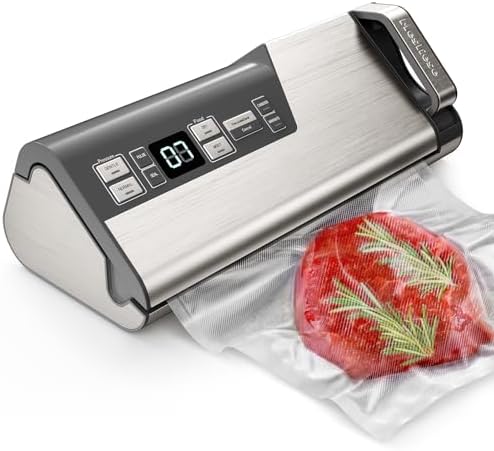
External or chamber vacuum sealers are designed for high-performance vacuum sealing. These machines operate by placing the food in a chamber and removing air before sealing. They are particularly effective for liquids and sous vide cooking, making them a popular choice among professional kitchens. Nevertheless, these machines typically come with a higher price tag and may require additional space due to their larger size.
Ultimately, the choice of a vacuum sealer depends on individual needs, budget, and the intended use. Whether opting for a countertop model, a handheld device, or an external vacuum sealer, prospective buyers should consider features such as power, versatility, and pricing to make an informed decision.
Essential Supplies for Vacuum Sealing
When delving into vacuum sealing as a method for long-term food preservation, having the right supplies is crucial. The primary item you need is a vacuum sealer, which is available in various models, from handheld units to larger, more sophisticated machines designed for extensive use. Ensure that the vacuum sealer you select can accommodate the types of bags or containers you intend to use.
One of the essential supplies for vacuum sealing is vacuum sealer bags. These bags come in different sizes and thicknesses, with a popular choice being multi-layer bags that provide optimal barrier protection against air, moisture, and light. Alongside bags, vacuum rolls are also beneficial; they allow you to create custom-sized pouches, catering to your specific storage needs. Additionally, vacuum containers are an excellent alternative for storing foods that might be sensitive to crushing, such as soft fruits and delicate items.
Choosing the right materials for different food types is essential to maintaining their quality and extending shelf life. For instance, foods high in oil should be stored in specialized oil-proof or heavy-duty bags, while delicate items may require containers that ensure gentle handling. Always opt for BPA-free materials to safeguard your health. BPA (bisphenol A) is a chemical present in some plastics that can leach into food, raising health concerns.
To purchase these essential supplies, you can visit local kitchenware stores or supermarkets, where you can often find a range of vacuum sealing products. Online platforms such as Amazon or specialized kitchen supply websites provide extensive options that can be delivered directly to your doorstep, often at competitive prices. By investing in quality vacuum sealing materials, you ensure your food maintains its freshness and nutritional value over time.
Preparing Food for Vacuum Sealing
Preparing food for vacuum sealing involves several essential steps to ensure the quality and safety of your products. Before sealing, it is important to wash all food items thoroughly. This process helps remove dirt, pesticides, and bacteria, thereby enhancing the food's safety and longevity. Use cool running water to rinse fruits and vegetables, taking care to scrub the surfaces of items with peels, such as potatoes or cucumbers, using a vegetable brush.
After washing, the next step is to cut and portion your food items appropriately. Consider the intended use of the food when deciding on portion sizes. For instance, if you plan to use the food in recipes, cutting vegetables into uniform pieces will ensure even cooking. For meats, consider dividing them into meal-sized portions. This practice not only adds convenience but also helps avoid waste.
In addition to washing and cutting, blanching vegetables is a critical step to preserve their quality before vacuum sealing. Blanching involves briefly boiling vegetables and then cooling them rapidly in ice water. This process stops enzyme actions that can cause loss of flavor, color, and texture. Different vegetables may require varying blanching times; for instance, green beans typically need three to four minutes, whereas carrots may need up to five minutes. Once blanched, ensure that the vegetables are thoroughly cooled and dried before proceeding to vacuum sealing.
The final step in preparation is to ensure that food is as dry as possible. Excess moisture can lead to spoilage or decrease the effectiveness of the vacuum seal. Pat food items gently with a clean towel or let them air dry adequately. Following these steps will greatly contribute to the success of your vacuum sealing efforts, optimizing food space and maintaining its integrity for long-term storage.


The Vacuum Sealing Process
Vacuum sealing is an effective method for preserving food and maintaining its freshness for extended periods. The process begins with selecting a reliable vacuum sealer, either a countertop or handheld model. Ensure you read the instructions provided by the manufacturer to familiarize yourself with its features and settings.
To begin, gather the food items you wish to seal and the appropriate vacuum seal bags. These bags are specifically designed for the vacuum sealing process and typically feature a textured side that aids in airflow removal. Cut the bags to the desired size, allowing enough extra material at the top to ensure a proper seal.
Next, it is crucial to insert your food items into the bag properly. Lay the food flat in the bag while ensuring there is enough space at the top for sealing. Be cautious not to overfill the bag, as this could interfere with the sealing process. Following this, place the open end of the bag into the vacuum sealer's designated area. Make sure it is properly inserted according to the machine's specifications.
Once the bag is securely in place, activate the vacuum sealing operation. Most machines will have a button or switch that initiates this process. The vacuum will remove air from the bag, creating a tight seal around the food. Monitor the sealing process, as many sealers will automatically turn off once the vacuum is complete and the bag is sealed. It is crucial to avoid touching the sealing area during this time to prevent burns or accidents.
After sealing, store the vacuum-sealed bags in a cool and dark environment, such as a pantry or freezer, depending on the food type. Common mistakes during the vacuum sealing process include using unsuitable bags, failing to remove excess air, or not allowing adequate space at the top of the bag, which can lead to ineffective seals. By following these guidelines carefully, you will achieve optimal results in preserving your food.
Storing Vacuum-Sealed Food
When it comes to storing vacuum-sealed food effectively, several best practices ensure the extension of shelf life and preservation of food quality. First and foremost, the ideal storage environment plays a crucial role. Vacuum-sealed foods should be kept in a cool, dark place, such as a pantry or cellar, where temperature levels ideally range from 32°F to 70°F (0°C to 21°C). Extreme temperatures, whether too hot or too cold, can degrade food quality and decrease its longevity.
Another important factor is humidity levels. High humidity can lead to the growth of mold or bacteria, undermining the vacuum-sealing process. Maintaining a relative humidity level of less than 60% is essential for optimal storage conditions. Some individuals may find using a hygrometer to measure humidity helpful, especially in areas prone to fluctuations.
Labeling vacuum-sealed bags correctly is also a best practice that facilitates organization and helps in tracking food items efficiently. It is advisable to include the contents of the bag, the date of sealing, and any specific usage instructions. This practice not only simplifies meal planning but also minimizes waste by ensuring that foods are used before they reach their optimal time limit.
The longevity of vacuum-sealed food largely depends on the type of food and storage conditions. For example, vacuum-sealed meats can last from 1 to 3 years in a freezer, while dried goods like pasta or rice may remain safe for consumption for up to 5 to 10 years when stored in a cool, dark area. By following these best practices, individuals can maximize the benefits of vacuum sealing and enhance their long-term food security.
Defrosting and Cooking Vacuum-Sealed Food
Proper defrosting and cooking of vacuum-sealed food is essential to ensure safety and maintain the best flavor and texture of your meals. The recommended methods for thawing vacuum-sealed food include refrigerator thawing and cold water thawing. Thawing in the refrigerator is the safest option, allowing food to gradually change from a frozen state to a usable temperature without compromising quality. Typically, food can take several hours or overnight to thaw completely depending on its size and thickness.
An alternate method is cold water thawing. To use this technique, submerge the vacuum-sealed package in cold water, ensuring the water is changed every 30 minutes to keep the temperature consistent. This method can substantially reduce thawing time compared to the refrigerator method, making it ideal for busy schedules. However, it is imperative to avoid using hot water, as this may lead to partial cooking and encourage bacterial growth.
It is crucial to adhere to safety guidelines and avoid refreezing thawed food, as this can affect the texture and quality once cooked. Instead, any thawed portions should be cooked immediately or stored in the refrigerator for short-term use. For cooking vacuum-sealed food items, sous-vide techniques are particularly effective. Sous-vide cooking involves sealing food in a vacuum bag and immersing it in a water bath at a precisely regulated temperature. This method ensures even cooking, enhances flavor retention, and preserves nutritional value.
In summary, following safe thawing techniques and utilizing specialized cooking methods like sous-vide can greatly enhance your experience with vacuum-sealed food, ensuring optimal safety and satisfaction in your meals.
Long-Term Food Security Strategies
Incorporating vacuum sealing into a well-rounded food storage strategy provides numerous benefits for enhancing long-term food security. One key aspect involves effective meal planning, which allows individuals and families to select and prepare balanced meals ahead of time. By vacuum sealing prepared meals and ingredients, one can preserve their nutritional value, flavor, and freshness while significantly reducing waste.
Another integral component of a long-term food security strategy is bulk buying. Purchasing non-perishable items and seasonal products in bulk can lead to substantial savings. Once procured, vacuum sealing these items extends their shelf life, resulting in reduced spoilage and ensuring availability during times of scarcity. Additionally, it is advisable to consider utilizing local produce when planning for food preservation. Not only does this elevate the nutritional quality of the foods being sealed, but it also supports local economies and reduces transportation carbon footprints.
Rotating pantry stocks is a crucial practice that complements vacuum sealing efforts. This entails using older items before newer ones and regularly checking for expiration dates. By vacuum sealing meat, vegetables, grains, and even homemade dishes, the longevity of these foods increases, making it easier to manage pantry inventories. Such systematic management ensures a constant supply of healthy food while minimizing waste and saving financial resources.
To maximize the benefits of vacuum sealing, individuals are encouraged to evaluate seasonal food patterns and integrate them into their plans. By aligning food preservation efforts with seasonal availability, one can ensure that nutrient-rich foods are maintained in their best condition, ultimately enriching one's diet for health and wellness. Through the integration of meal planning, bulk buying, and effective pantry management, vacuum sealing emerges as a vital component in the pursuit of long-term food security.
Conclusion and Final Tips
Vacuum sealing presents a robust method for ensuring long-term food security, as highlighted in the previous sections of this guide. By minimizing air exposure and thus reducing the growth of spoilage organisms, vacuum sealing plays a pivotal role in prolonging food shelf life and maintaining its nutritional quality.
In the first section, we explored the science behind vacuum sealing and its effectiveness in preserving various food types. Understanding these principles lays the groundwork for employing this technique effectively. Following this, we detailed the step-by-step process of vacuum sealing, emphasizing the importance of proper preparation, selecting the right equipment, and ensuring airtight seals. A successful vacuum sealing venture involves careful attention to these details.
Additionally, we addressed common pitfalls in vacuum sealing and how to avoid them, which is essential knowledge for any individual embarking on this food preservation journey. Noticing signs of seal failure and understanding the expiration of vacuum-sealed food can save your investment in food and time.
As you implement vacuum sealing in your food storage practices, consider a few final tips: always label your sealed bags with dates and contents for easy organization, store vacuum-sealed items in a cool, dry place, and utilize the sealer regularly to minimize waste and promote a sustainable lifestyle.
By effectively utilizing vacuum sealing, you not only extend the life of your food but also contribute to reducing food waste in your household. Embracing this method is a significant step toward a more sustainable lifestyle and a proactive approach to ensuring food availability for the long term. We encourage you to adopt these practices and experience the benefits firsthand, fortifying your food security while supporting ecological preservation efforts.

0 Comments