Introduction to Headphone Specifications
Headphone specifications are essential metrics that influence the overall audio experience. Understanding these specifications can guide consumers in making informed decisions when selecting headphones, ensuring the best possible listening experience tailored to their needs. Key terms that are pivotal in this context include ohms, hertz, and decibels, each representing distinct aspects of headphone performance.
Ohms measure the electrical resistance of headphones. Typically, headphones will have impedances ranging from 16 to 600 ohms. Lower impedance headphones require less power, making them ideal for portable devices, while higher impedance models may need a dedicated amplifier for optimal performance. This variance affects not only volume but also sound quality, thereby influencing how audio is rendered in various environments.

- INTRODUCING THE SONY WH-CH520: Enjoy superb sound for every song, in a style that suits you, Featuring our Digital Sound...
- HIGH-QUALITY SOUND, TAILORED TO YOU: These Sony headphones feature DSEE technology to upscale every track, 360 Reality A...
- LISTEN IN COMFORT AND STYLE: With soft earpads and weighing just 147g, these wireless headphones are comfortable, Choose...
Hertz (Hz) represents the frequency range that headphones can reproduce. The human hearing range is generally between 20 Hz and 20 kHz, meaning good headphones should be able to cover this spectrum to provide full audio fidelity. The lower frequencies correspond to bass sounds, whereas higher frequencies capture treble notes. Understanding these ranges helps listeners identify headphones that excel in specific genres or audio types, ensuring a well-rounded listening experience.
Decibels (dB) measure sound pressure levels, indicating how loud headphones can get without distortion. Many headphones have a sensitivity rating stated in decibels, reflecting how efficiently they convert electrical signals into sound. The significance of sensitivity is particularly pronounced in louder environments, where high-sensitivity headphones can maintain clarity and detail without the risk of damaging the ears from excessive volume.
By grasping these fundamental specifications, consumers can better navigate the diverse range of headphone products available in the market. Each specification plays an integral role in determining the quality of audio, and together, they establish a comprehensive guide for individuals to assess headphone performance effectively.
What Are Ohms? Understanding Impedance in Headphones
Ohms are a unit of measurement used to express impedance in audio equipment, particularly in headphones. Impedance refers to the resistance that headphones present to the audio signal coming from a device, such as a smartphone or an amplifier. When discussing headphone performance, the value of impedance indicated in ohms plays a significant role. This parameter directly affects how efficiently headphones convert electrical signals into sound.
In general, headphones are classified into low, medium, and high impedance categories. Low impedance headphones, typically ranging from 16 to 32 ohms, are designed for portable devices. Due to their lower resistance, they require less power to deliver sound at higher volumes. As a result, they are often preferred for use with smartphones and tablets, where power output is limited.
On the other hand, medium to high impedance headphones (above 32 ohms) usually range between 250 to 600 ohms. These types are suited for studio environments or other audio systems capable of providing sufficient power. Higher impedance headphones often produce clearer sound and are less likely to distort at higher volumes. However, they also require amplifiers to achieve optimal performance, making them less versatile for casual listening.
When selecting headphones, it is crucial to consider the impedance in relation to your audio source. If you intend to use headphones with devices that have limited power output, such as smartphones, choosing lower impedance models will likely yield better results. Conversely, if your setup includes high-quality amplifiers and audio interfaces, investing in higher impedance headphones will greatly enhance your listening experience.
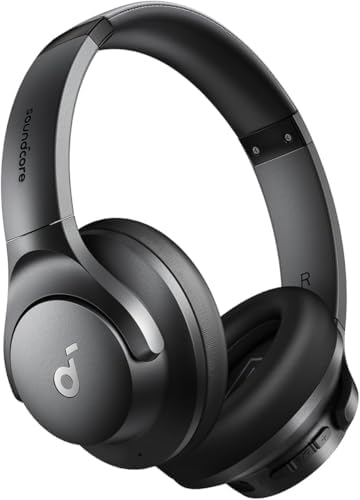
- Hybrid Active Noise Cancelling: 2 internal and 2 external mics work in tandem to detect external noise and effectively r...
- Immerse Yourself in Detailed Audio: The noise cancelling headphones have oversized 40mm dynamic drivers that produce det...
- 40-Hour Long Battery Life and Fast Charging: With 40 hours of battery life with ANC on and 60 hours in normal mode, you ...
Hertz and Frequency: The Range of Sound
Understanding the relationship between hertz (Hz) and sound is crucial for anyone interested in audio equipment, particularly when evaluating headphone performance. Hertz is a unit of measurement that indicates the frequency of sound waves, which can significantly influence audio quality. The typical range of human hearing spans from 20 Hz to 20,000 Hz (20 kHz), encompassing the frequencies produced by various sounds in our environment.
Frequency response in headphones refers to how well the device can reproduce sound across this entire audible spectrum. Lower frequencies, often referred to as bass, generally fall between 20 Hz and 250 Hz. This range is responsible for the depth and power of music, such as the thumping of drums or the vibrations of bass guitars. Headphones that excel in this frequency range can provide an immersive listening experience by delivering impactful low-end response.
In the midrange frequencies, which typically range from 250 Hz to 2000 Hz, vocals and many musical instruments resonate. This is a critical range for audio clarity and definition, as it contains the fundamental frequencies of most sound sources. A well-balanced headphone will accurately reproduce the midrange, allowing the listener to appreciate the nuances in vocal performances and instrumental details.
Finally, treble frequencies range from 2000 Hz to 20 kHz. These higher frequencies contribute to the brightness and clarity of audio. They can add a sense of airiness and detail to music, making them essential for genres that emphasize vocals and intricate instrumentation. However, how headphones handle these frequencies can affect overall sound balance; excessive treble can lead to listener fatigue.
In conclusion, the measurement of frequency response in hertz is integral to understanding how headphones are able to produce the full range of sound. By examining the bass, midrange, and treble frequencies, users gain better insight into the audio characteristics of their equipment, allowing them to make informed decisions when selecting headphones that meet their listening preferences.
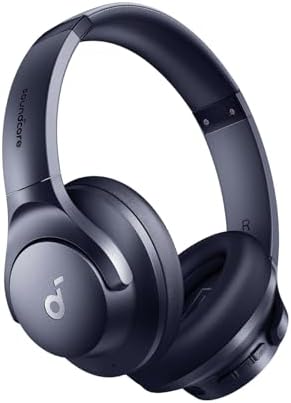
- Hybrid Active Noise Cancelling: 2 internal and 2 external mics work in tandem to detect external noise and effectively r...
- Immerse Yourself in Detailed Audio: The noise cancelling headphones have oversized 40mm dynamic drivers that produce det...
- 40-Hour Long Battery Life and Fast Charging: With 40 hours of battery life with ANC on and 60 hours in normal mode, you ...
Decibels: Understanding Loudness and Sensitivity
Decibels (dB) are a logarithmic unit used to measure the intensity of sound, providing a quantifiable means to understand loudness. In the context of headphones, the decibel level is critical in determining how effectively the device can convey sound. A higher decibel rating typically indicates louder sound output, while lower levels suggest quieter audio. Understanding decibels is essential for consumers aiming to choose headphones that suit their preferences for volume and sound clarity.
The significance of decibel levels goes beyond mere loudness; it also relates closely to headphone sensitivity. Sensitivity, often expressed in dB/mW, measures how efficiently headphones convert electrical power into audible sound. For instance, headphones with a sensitivity rating of 100 dB/mW will produce a louder sound output than those rated at 85 dB/mW, given the same power input. Therefore, when selecting headphones, individuals should consider both the decibel level and sensitivity to achieve their desired listening experience.
Moreover, the correlation between decibels and hearing health cannot be overstated. Prolonged exposure to sound levels above 85 dB can potentially lead to hearing damage. For many users, understanding comfortable listening levels can be a matter of life quality. Establishing a balance between enjoying music or audio content and practicing safe listening habits is paramount. It is advisable to keep volume levels below 85 dB and take regular breaks to mitigate risks associated with high volumes.
In summary, decibels are a fundamental aspect of headphone performance that affects both loudness and sensitivity. Consumers should remain aware of decibel ratings and their implications for both audio enjoyment and hearing health.
The Importance of Sound Quality: The Balance of Specs
When it comes to headphones, understanding the interplay of ohms, hertz, and decibels is crucial for achieving optimal sound quality. Each specification plays a unique role in shaping the audio experience, ultimately influencing how one perceives music. Ohms indicate the impedance of the headphones, which affects how much power they require from the connected device. Generally, lower ohm ratings are ideal for portable devices, while higher ohm ratings suit professional equipment and dedicated amplifiers.
Hertz (Hz), on the other hand, measures the frequency range that headphones can reproduce. This range allows listeners to distinguish sounds from deep bass notes to high treble pitches. A balanced frequency response is essential for an enriching audio experience; for example, genres like classical music often benefit from a wide frequency range, while EDM or hip-hop may emphasize lower frequencies. Understanding these preferences can enhance the overall enjoyment of different music styles.
Decibels (dB) measure the volume levels that headphones can output. However, a higher dB rating does not always equate to better sound quality. Instead, it is essential to consider how these different specifications work together to provide a balanced audio profile. For instance, headphones with a strong bass response but limited highs may be more appealing to fans of bass-heavy genres, while others might prefer a clearer representation of their favorite acoustic tracks.
Ultimately, achieving the desired audio experience comes down to personal preferences, music genres, and how well these specs are balanced. By evaluating these factors, users can select headphones that deliver sound quality aligned with their listening habits, enhancing their overall enjoyment of music.

- INTRODUCING THE SONY WH-CH520: Enjoy superb sound for every song, in a style that suits you, Featuring our Digital Sound...
- HIGH-QUALITY SOUND, TAILORED TO YOU: These Sony headphones feature DSEE technology to upscale every track, 360 Reality A...
- LISTEN IN COMFORT AND STYLE: With soft earpads and weighing just 147g, these wireless headphones are comfortable, Choose...
Choosing the Right Headphones: What to Look For
Selecting the appropriate headphones necessitates an understanding of various specifications and personal requirements. To enhance the listening experience, one must consider the type of headphones, the impedance measured in ohms, frequency response measured in hertz, and sound pressure level measured in decibels.
Headphones can typically be categorized into three types: in-ear, on-ear, and over-ear. Each type serves different audio needs and comfort preferences. In-ear headphones, often compact and portable, are a suitable option for casual listening, especially during commutes or workouts. For casual listeners, a lower impedance level of around 16-32 ohms is generally preferable, ensuring compatibility with smartphone outputs without sacrificing sound quality.
On-ear headphones are versatile, striking a balance between portability and audio fidelity. They are ideal for general listening and offer a moderate impedance ideal for everyday use. Frequencies between 20-20,000 Hz are recognized as the human hearing range, and headphones delivering this full spectrum are recommended for users seeking an immersive listening experience.
Over-ear headphones, often used by audiophiles and professionals, offer superior sound isolation and enhanced bass response. A higher impedance range of 32 ohms or more is recommended for professional work, as these models can handle greater power, resulting in clearer sound reproduction. For gaming or professional audio work, look for a broad frequency response with dB levels around 100 dB or more to ensure a dynamic range capable of delivering nuanced audio details.
Ultimately, the choice of headphones lies in personal preferences, intended use, and understanding the specifications that best meet those needs. Taking the time to evaluate ohms, hertz, and decibels will greatly enhance the quality of your audio experience.
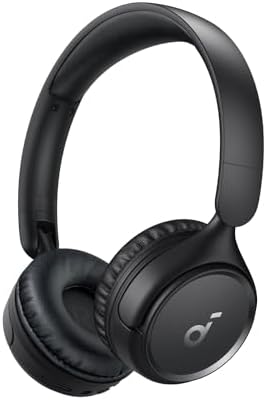
- 70-hour Battery Life: Enjoy marathon playlists and extended conference calls without the worry of frequent charging; a m...
- 40mm Oversized Drivers: Dive into a pure bass soundscape that brings every song to life, ensuring no beat or note is eve...
- Bluetooth 5.3 Technology: Experience effortless device switching with a stable connection that keeps audio in perfect sy...
Debunking Common Headphone Myths
In the realm of headphones, numerous myths and misconceptions have emerged, often leading to confusion among consumers. A prevalent misconception is that high impedance headphones are superior in quality. While impedance, measured in ohms, can influence how headphones perform with various devices, high impedance does not inherently guarantee better sound quality. For most casual listeners, standard impedance headphones (between 16 to 32 ohms) are perfectly adequate for use with smartphones and laptops. High impedance headphones typically require dedicated amplifiers to truly shine, making them more suitable for audiophiles and studio applications.
Another common myth revolves around the frequency range. Many consumers believe that headphones capable of reproducing frequencies beyond 20kHz are necessary for an optimal listening experience. While the human hearing range is generally accepted as 20Hz to 20kHz, evidence suggests that frequencies above this limit are not perceivable by most individuals. Thus, marketing claims emphasizing high-frequency performance beyond this range may not yield any significant audible benefit for the average listener.
Additionally, there is a widely held belief that higher decibel (dB) ratings equate to better sound quality. This stems from the association between sound pressure levels and loudness. However, a higher dB rating does not guarantee superior audio fidelity. It is essential to consider the overall sound signature, including factors such as clarity, balance, and distortion. High volume levels can lead to ear fatigue or hearing damage, often overshadowing the quality of the sound. Ultimately, listening preference is subjective, and individuals should focus on sound characteristics that suit their personal tastes rather than solely on dB ratings.
Tips for Getting the Most Out of Your Headphones
To ensure you capitalize on the full potential of your headphones, there are several strategies to adopt regarding usage and maintenance. First, select the right headphones for your specific audio needs. Whether you prefer closed-back for isolation or open-back for a more natural listening experience, understanding your environment plays a crucial role in this choice.
Proper usage extends beyond the choice of headphones. It is imperative to handle your headphones with care; avoid pulling on the cords and store them in a protective case when not in use. Regularly cleaning the ear cushions and the headband can prevent buildup of dirt and oils, which may affect sound quality over time.
Connectivity is another vital aspect to consider. Always verify that you are using a compatible audio source. For instance, high-impedance headphones may require a dedicated amplifier to achieve optimal performance, while lower-impedance models can be effectively powered by portable devices. Ensuring the cable and connectors are in good condition is essential, as worn or damaged parts can lead to loss of audio clarity.
Adjusting the settings on your audio devices is equally significant for enhancing your listening experience. Many modern devices offer equalizer settings that allow you to tailor the sound output to match your headphone specifications. Experimenting with these settings can help you discover the best sound profile for your preferences. Furthermore, using high-quality audio files, such as lossless formats, can greatly enhance the capability of your headphones, making sure that you experience sound as it was intended.
By following these tips and maintaining awareness of your headphones' specifications, you can significantly enrich your audio experience and prolong the lifespan of your headphones.

- [Ultra 100H Playtime & Fast Charging] Bluetooth earphones have a battery life of up to 100 hours. You can charge the wir...
- [Active Noise Cancelling] Bluetooth headphones with strong wrapping can cover the entire ear, block most external noise,...
- [Superior Sound Quality] Headphones wireless bluetooth adopts a 40mm full frequency dynamic driver, significantly reduci...
Conclusion: Making Informed Choices About Headphone Specs
Understanding headphone specifications, particularly ohms, hertz, and decibels, is crucial for any audio enthusiast or casual listener alike. These terms, while seemingly technical, play a significant role in determining the quality of sound and the overall listening experience. Ohms reflect the impedance of the headphones and influence their compatibility with various devices, while Hertz measures the frequency range, dictating the depth and clarity of the audio presented. Decibels provide a gauge for sound levels, helping users find the ideal loudness for their listening environment.
When selecting headphones, it is essential to consider how these specifications align with your personal audio preferences. For example, a bass lover may prioritize headphones with a lower impedance and broader frequency response to enhance low-end sounds, while an audiophile who values clarity and detail might focus on higher ohm ratings and a more accurate frequency portrayal. It is also important to assess factors like comfort, fit, and intended use—be it casual listening, professional mixing, or sports activities. These elements contribute significantly to user satisfaction.
By engaging with headphone specs meaningfully, consumers can avoid the pitfalls of purchasing poorly matched equipment that fails to meet expectations. Furthermore, being informed helps users navigate a vast market of headphones, from budget options to high-end models, ultimately leading to choices that enhance their overall audio enjoyment. A little knowledge goes a long way in enhancing the listening experience, allowing individuals to enjoy their favorite music more fully. Selecting the right headphones can transform an everyday activity into an extraordinary auditory journey.



0 Comments