Understanding Your High-End Espresso Machine
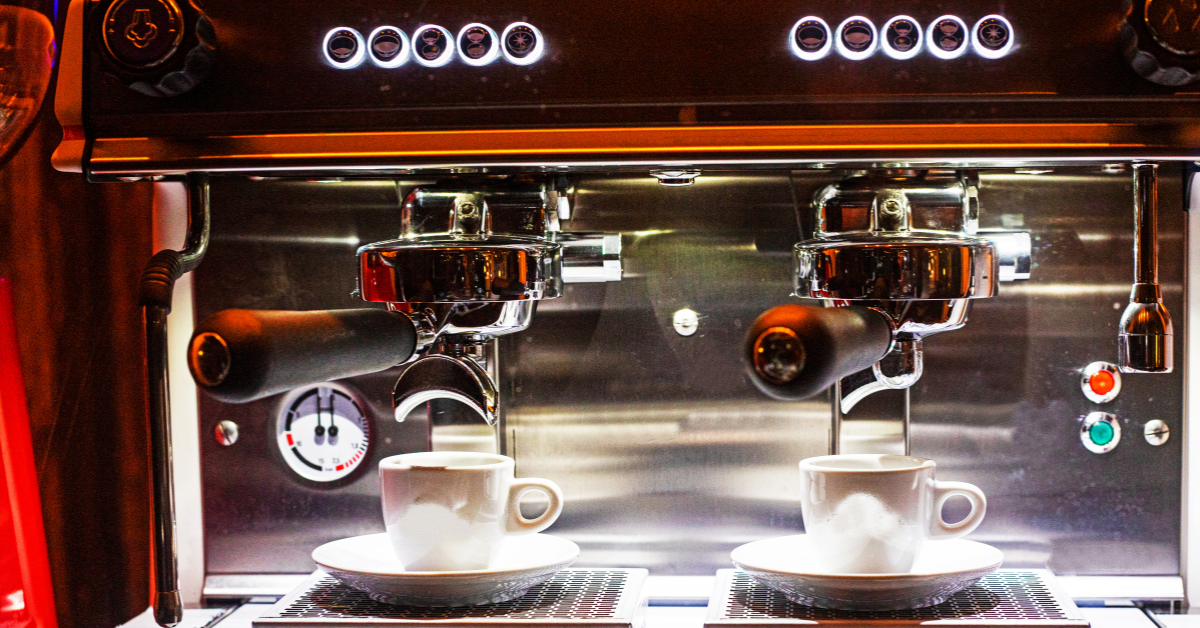
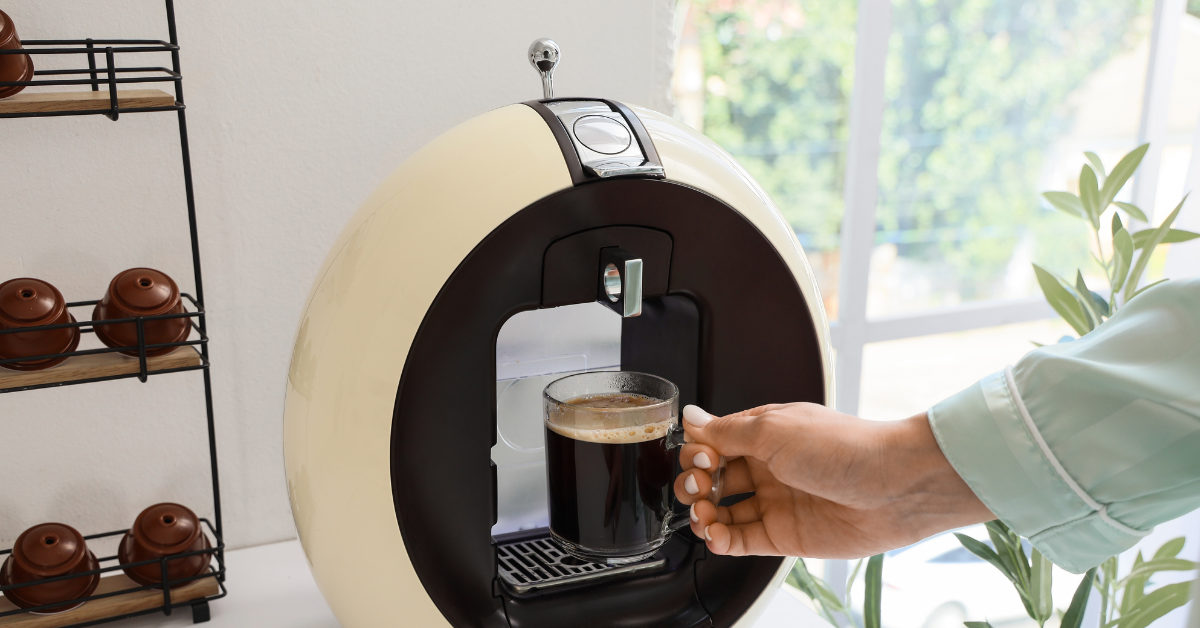
High-end espresso machines are distinguished by their intricate features and advanced technology, which are designed to replicate the artisanal brewing methods commonly found in professional cafes. There are several types of these machines available in the market, including semi-automatic, automatic, and super-automatic espresso machines. Each category offers various functions that appeal to different users, from coffee enthusiasts to professional baristas.
Among the critical components of high-end espresso machines are the sensors, which play a vital role in the overall performance and quality of extraction. Sensors monitor parameters such as water temperature, pressure, and flow rate, ensuring that each cup of espresso meets the optimal standards. The precise regulation of these factors is crucial, as even minor deviations can profoundly impact the flavor and aroma of the coffee.




Temperature sensors, for instance, detect and maintain the ideal brewing temperature, which typically ranges from 90 to 96 degrees Celsius. Accurate pressure sensors, on the other hand, ensure that the water flows through the coffee grounds at the right pressure, ideally between 9 to 10 bars. The ability to manage these variables equates to consistently high-quality espresso, which is a hallmark of premium machines.
Given the complexity of these machines, proper maintenance and cleaning are paramount. Improper cleaning methods can easily interfere with sensor functionality, causing malfunctions that affect the quality of the coffee. Therefore, understanding the various parts of your high-end espresso machine, especially the sensors, lays an essential foundation for effective maintenance practices. By recognizing how these components work together, users can ensure the longevity and optimal performance of their espresso machines while preserving the rich flavors that high-end models are known for.
Why Regular Cleaning is Essential
Maintaining your high-end espresso machine through regular cleaning is crucial for ensuring optimal performance and prolonging its lifespan. Over time, residues from coffee oils, minerals from water, and various contaminants can accumulate in different components, particularly in the brew group and water pathways. This buildup can directly affect the flavor profile of the coffee produced, resulting in a less satisfactory experience for the user.
Neglecting the cleaning routine can lead to operational issues, such as inconsistent brewing temperatures or pressure fluctuations. These disruptions not only tarnish the quality of the coffee but may also prompt the machine to operate inefficiently. Furthermore, one must also consider the potential damage to the internal components of the espresso machine. Many high-end models are outfitted with advanced sensors that monitor temperature, pressure, and flow. When these sensors become contaminated with limescale or coffee oils, their accuracy and responsiveness can diminish, leading to erroneous readings and, ultimately, compromised brewing capabilities.
Moreover, when an espresso machine is not regularly cleaned, it can develop a series of mechanical problems that may require expensive repairs or replacements. Regular maintenance helps to keep these issues at bay, ensuring that the machine functions at its best and continues to produce high-quality coffee beverages. Additionally, establishing a consistent cleaning regimen can enhance the overall user experience, leading to a better appreciation of the intricate flavors and aromas that a well-maintained machine can yield.
In conclusion, regular cleaning is not merely a suggested practice; it is an essential aspect of espresso machine maintenance that impacts both flavor quality and the longevity of expensive components. By prioritizing cleanliness, one optimizes performance and ensures a enjoyable coffee experience every time.
Gathering the Right Cleaning Supplies
When it comes to maintaining a high-end espresso machine, selecting the appropriate cleaning supplies is essential. The effectiveness of your cleaning process directly hinges on the quality and type of products you choose. High-end machines are equipped with sensitive sensors and components that can easily be damaged by harsh chemicals or abrasive materials. Thus, opting for specialized cleaning agents designed for espresso machines is critical.
First and foremost, a quality espresso machine cleaner is a necessity. Look for products that are specifically formulated to tackle coffee oils and residues without being overly abrasive or harmful to the internal parts of the machine. Brands that specialize in espresso cleaning supplies often provide formulations that are safe for all machine types, including the most delicate sensors.
Next, you will require a selection of brushes and cloths. A soft-bristled brush is ideal for reaching sensitive areas such as the group head and portafilter. Additionally, microfiber cloths are highly recommended for wiping down surfaces; they are gentle on the machine’s finish and do not leave lint behind. Avoid using paper towels or rough fabrics as they may scratch the machine’s exterior and compromise its integrity.
Moreover, having a set of tools at hand, such as a non-metallic scraper and a suitable cleaning tablet, can enhance your cleaning routine without risking damage. Ensure these tools are specifically designed for espresso machines to maintain functionality and protect your investment.
Lastly, always read product labels and user manuals to ensure compliance with the specifications. Paying close attention to this guidance is vital for preserving the longevity of your high-end espresso machine while avoiding potential damage to its sensors and components.
Step-by-Step Cleaning Process
Cleaning a high-end espresso machine requires precision and care to ensure the integrity of its sensitive components, particularly the sensors. Here’s a comprehensive, step-by-step guide to properly clean your espresso machine without risking damage.
1. Gather Cleaning Supplies:
Before you start, collect the necessary cleaning supplies: soft cloths, a brush with soft bristles, a vacuum for loose coffee grounds, a suitable cleaning solution, and a water tank or container for rinsing items.
2. Power Off and Unplug:
Ensure the machine is powered off and unplugged before cleaning to avoid any electrical hazards or unexpected activations during the process.
3. Clean the Drip Tray:
Begin by removing the drip tray. Wash it with warm soapy water and a soft cloth to remove any accumulated coffee residue. Rinse thoroughly and set aside to dry.
4. Clean Group Heads:
With the help of a soft brush, gently remove coffee grounds from the group heads. It is vital not to use any metal or hard materials that might scratch or damage the sensors and other sensitive areas. For a deeper clean, run a cleaning solution through the group heads according to the manufacturer’s instructions.
5. Clean the Wand:
The steam wand must be cleaned regularly to prevent milk buildup. Wipe the wand with a damp cloth and purge it by releasing a small amount of steam. Avoid touching the sensor or nearby components during this step.
6. Final Wipe Down:
Using a soft cloth, wipe the outer surfaces of the machine. Ensure that you do not obstruct or touch any sensor areas, maintaining their functionality.
By following this step-by-step cleaning process, users can maintain their high-end espresso machine in excellent working order, ensuring it performs optimally without compromising the integrity of its sensors and delicate components.

Cleaning the Sensors Safely
High-end espresso machines are equipped with various sensors that play crucial roles in the brewing process. These sensors monitor parameters such as water temperature, pressure, and flow rate, ensuring optimal performance and the perfect cup of coffee. Cleaning these components is essential for maintaining the machine's efficiency, but due care must be taken to avoid damaging them.
There are primarily three types of sensors commonly found in espresso machines: temperature sensors, pressure sensors, and flow sensors. Temperature sensors, often thermocouples or thermistors, ensure the water reaches the perfect brewing temperature. Pressure sensors measure the pressure within the brewing system, and flow sensors monitor the water flow into the brew group. Each of these sensors plays a critical role, and improper cleaning techniques may compromise their functionality.
When it comes to cleaning the sensors, it is advised to start with a gentle approach. Using a soft, lint-free cloth is recommended to wipe dust or grime off the sensors. It is important to avoid any abrasive materials that might scratch the delicate surfaces of the sensors. For more challenging residues, a mild soap solution can be used; however, it is vital to ensure that no soap residue is left behind, as it could interfere with sensor readings.
Another effective method for cleaning involves using compressed air to blow out any debris from the sensors. This method is particularly useful for flow sensors, which can accumulate buildup that may impede function. It is also essential to avoid using any liquids directly on the sensors. Instead, dampen the cloth slightly and then proceed to clean. The use of harsh chemical cleaners or solvents is strongly discouraged, as they can damage the sensors.
In summary, maintaining the cleanliness of sensors in an espresso machine contributes to its longevity and performance. By employing gentle cleaning techniques, users can ensure that these sensitive components remain in good working order, providing consistently great coffee without the risk of damage.
Steam Wand Maintenance Tips
Maintaining the steam wand of your high-end espresso machine is crucial for not only ensuring optimal performance but also for maintaining the overall hygiene of your brewing equipment. The steam wand plays a vital role in creating microfoam and facilitating milk steaming, which are essential for preparing a variety of coffee drinks. Therefore, a regular cleaning routine should be established as part of your espresso machine maintenance.
After each use, it is advisable to purge the steam wand by letting a short burst of steam out. This action not only clears out any residual milk but also helps prevent the buildup of milk residue that could impair functionality. Once the wand is purged, wipe it down with a damp, clean cloth immediately to remove any lingering particles. This practice, combined with regular deep cleaning, can significantly enhance the steam wand’s longevity.
In addition, it is essential to avoid certain cleaning agents that could potentially damage the sensors located near the steam system. Harsh chemicals may corrode or impair the sensor's delicate mechanisms. Instead, opt for mild detergents specifically designed for espresso machine components, as they effectively clean without causing harm. Always consult your espresso machine's manual for the recommended cleaning solutions.
Furthermore, check for any clogs by inspecting the steam tip frequently. If milk residue has built up, use a needle to gently clear the tiny holes. This task should be performed with caution to avoid damaging the steam wand or the sensors nearby. By following these maintenance tips, you can ensure that your espresso machine’s steam wand operates efficiently while reducing the risk of sensor-related issues.
Common Mistakes to Avoid When Cleaning
Cleaning a high-end espresso machine can significantly enhance its performance and longevity; however, there are common mistakes that owners often make during this process. Understanding these pitfalls is essential to ensure that the delicate components, particularly the sensors, remain intact and function properly.
One of the most frequent errors is using abrasive cleaning agents. Many individuals believe that harsher chemicals will yield a better clean. However, these substances can cause corrosion or damage to sensors and other sensitive parts within the machine. It is crucial to select cleaning solutions specifically designed for espresso machines, as they are formulated to be effective without being hazardous.
Another common mistake involves ignoring the machine's user manual. Each high-end espresso machine has unique components and cleaning requirements. Failing to adhere to the manufacturer's guidelines can lead to improper cleaning techniques that may harm sensors or electrical connections. Always refer to the manufacturer's recommendations which often provide detailed instructions on how to clean without causing damage.
In addition, over-saturating any components while cleaning can pose risks, especially for sensors. Accidental exposure to excess moisture could lead to malfunction or corrosion. It's important to be cautious and to use damp cloths rather than soaking any parts during the cleaning process. Moreover, neglecting to turn off the machine before cleaning is another common oversight. Powering down the machine not only safeguards it but also ensures the safety of the individual performing the cleaning.
Finally, neglecting regular maintenance checks can lead to bigger issues down the line, particularly with sensors. Making cleaning a priority along with routine maintenance can help owners avoid costly repairs or replacements. Being aware of these common cleaning mistakes will ultimately help preserve the quality and efficiency of your high-end espresso machine.
When to Seek Professional Help
While cleaning your high-end espresso machine is a rewarding task, there are specific instances when it is prudent to seek professional help. Recognizing these signs can save you time, effort, and potential damage to the machine.
Firstly, if you notice any unusual noises coming from the machine, it may indicate an internal mechanical problem. Sounds like grinding, clunking, or excessive vibration often signal a malfunction that DIY cleaning may not resolve. In such cases, professional intervention is crucial, as attempting to repair the machine without proper expertise could exacerbate the issue.
Secondly, if your espresso machine is showing error codes or warning lights on its display, this is a clear indication that something is wrong. High-end espresso machines are equipped with sensors and diagnostic tools to monitor performance, and when they signal a fault, it is usually best to consult a professional. DIY troubleshooting may lead to incorrect assumptions and possible further damage, which could compromise the machine's lifespan.
Moreover, if you find that despite thorough cleaning, the quality of your espresso has diminished, you may be facing underlying issues such as calcium build-up or worn-out parts that are not easily rectified through basic maintenance. High-end models often have intricate systems that require specialized knowledge for proper care.
Lastly, if the machine has experienced any form of physical damage, such as leaks, cracks, or broken components, seeking professional assistance is essential. These repairs may require replacement parts and advanced techniques that are best handled by certified technicians.
In summary, while self-cleaning your espresso machine is commendable and beneficial, recognizing when professional help is required is vital for avoiding further complications and ensuring the longevity of your high-end equipment.
Conclusion and Preventative Maintenance Tips
In summary, maintaining a high-end espresso machine requires attention to detail and a commitment to regular cleaning and care. Proper cleaning techniques not only ensure the functionality of the machine but also protect sensitive sensors that are vital for optimal performance. As discussed throughout this guide, following manufacturer instructions and utilizing suitable cleaning agents are paramount in safeguarding the integrity of your espresso machine.
To extend the life of your machine and keep it operating smoothly, consider implementing the following preventative maintenance tips. First, routinely check and replace filters according to the manufacturer's recommendations. This will prevent buildup that could affect not just the flavor of your coffee but also the efficiency of your machine.
Secondly, descale your espresso machine regularly, particularly in areas with hard water, as mineral deposits can impede the sensors and overall functionality. Use only descaling solutions that are specifically designed for espresso machines to avoid any damage to sensitive components. Additionally, keep your machine’s exterior clean by wiping it down with a soft, damp cloth to prevent grime and dust accumulation.
Furthermore, ensure that hoses, seals, and other components are inspected periodically for wear and tear. Replacing any worn parts promptly can significantly improve the lifespan of your machine and maintain the quality of the espresso produced. Finally, remember to run clean water cycles after every few brews; this not only helps keep the sensors in optimal condition but also enhances the taste of your beverages.
By following these guidelines and performing regular maintenance, espresso enthusiasts can enjoy consistently high-quality beverages while preserving the functionality of their high-end machines.

0 Comments