Introduction to Smart Home Security
"Heads up: Some of the links in this post are affiliate links. This means if you click on the link and purchase the item, I’ll receive an affiliate commission. This helps keep the lights on here at techdhami.com! Thanks for your support!"
In recent years, the landscape of home security has significantly evolved, transitioning from traditional mechanisms to advanced smart gadgets that ensure comprehensive safety. The traditional security systems, often reliant on physical barriers and alarm systems, are now being replaced or enhanced by smart technology that offers broader capabilities and increased convenience. These modern gadgets integrate seamlessly with home networks, allowing homeowners to monitor and control their security systems remotely, a concept that was merely aspirational a couple of decades ago.

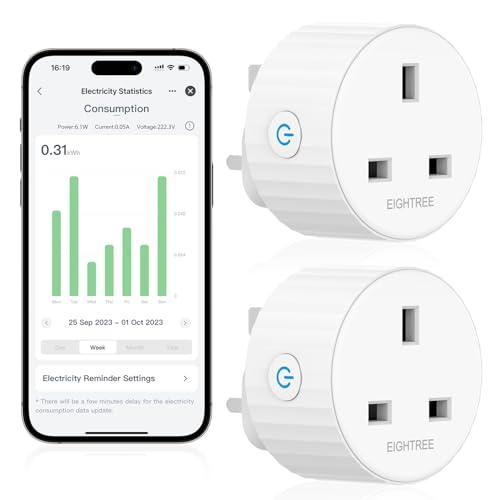


The emergence of smart home security has been propelled by the advancements in Internet of Things (IoT) technology, enabling devices to communicate with each other and with users. This connectivity provides a level of protection that is both proactive and reactive. For instance, whereas traditional systems typically provided alerts only after a breach occurred, smart devices can now detect suspicious activity and send real-time notifications to homeowners, allowing for quicker responses. Furthermore, many of these gadgets can learn from user behavior, adapting to improve their efficacy over time.
In today's world, where crime rates are unpredictable and natural disasters pose threats, 24/7 protection has become essential. Homeowners desire peace of mind knowing that their property and loved ones are shielded from potential threats, whether from intruders or environmental hazards. Smart security systems offer that reassurance, utilizing features such as surveillance cameras, motion sensors, and remote access controls to oversee their premises continuously. As we delve deeper into the various smart gadgets designed for home security, it becomes clear that these innovations not only enhance safety but also contribute to a smarter, more interconnected living environment.
The Role of Smart Cameras in Home Security
Smart cameras play an essential role in modern home security systems, providing both deterrence against potential intruders and peace of mind for homeowners. These devices offer real-time monitoring capabilities, allowing residents to observe activities within their property from anywhere, at any time. With the integration of advanced technologies, many smart cameras now feature high-definition video quality, ensuring that footage captured is clear and detailed.
One of the significant advantages of smart cameras is their ability to incorporate facial recognition technology. This feature enhances security by notifying homeowners when a familiar face is detected while alerting them to the presence of strangers. Such capabilities enable users to customize their alerts and distinguish between regular visitors and potential threats, which can be especially critical during late hours or when away from home.
Night vision is another pivotal component of smart cameras, providing 24/7 surveillance regardless of lighting conditions. The infrared technology in these devices ensures that they can capture clear images even in total darkness, significantly enhancing the overall security of a property. This continuous monitoring capability is vital for preventing break-ins and capturing crucial evidence should an incident occur.
Moreover, remote access via smartphone applications allows homeowners to manage their camera feeds conveniently. Users can easily check live footage, review recorded clips, and receive instant notifications if movement is detected. This translates to heightened control over one’s living environment, contributing to a safer atmosphere. All these features underscore the critical role smart cameras play in home security, making them a necessary investment for those seeking to protect their homes effectively.
Smart Doorbells: Your Home's First Line of Defense
Smart doorbells have become an essential component for modern home security, serving as the first line of defense against unwanted visitors. These devices offer a multitude of features that not only enhance security but also provide homeowners with peace of mind. At the heart of these gadgets is two-way audio capabilities, enabling direct communication with anyone standing at the door. This function is particularly beneficial for verifying the identity of visitors without needing to open the door, thus adding an extra layer of protection.
Another key feature of smart doorbells is the high-definition (HD) video feed. Many models come equipped with wide-angle cameras that capture clear footage of the entrance area, allowing homeowners to visually identify visitors and monitor activity outside their homes. This visual capability is crucial, especially during the night, as many smart doorbells include infrared night vision, ensuring that surveillance continues around the clock. Homeowners can access this video feed remotely via a smartphone app, enabling real-time monitoring no matter where they are.
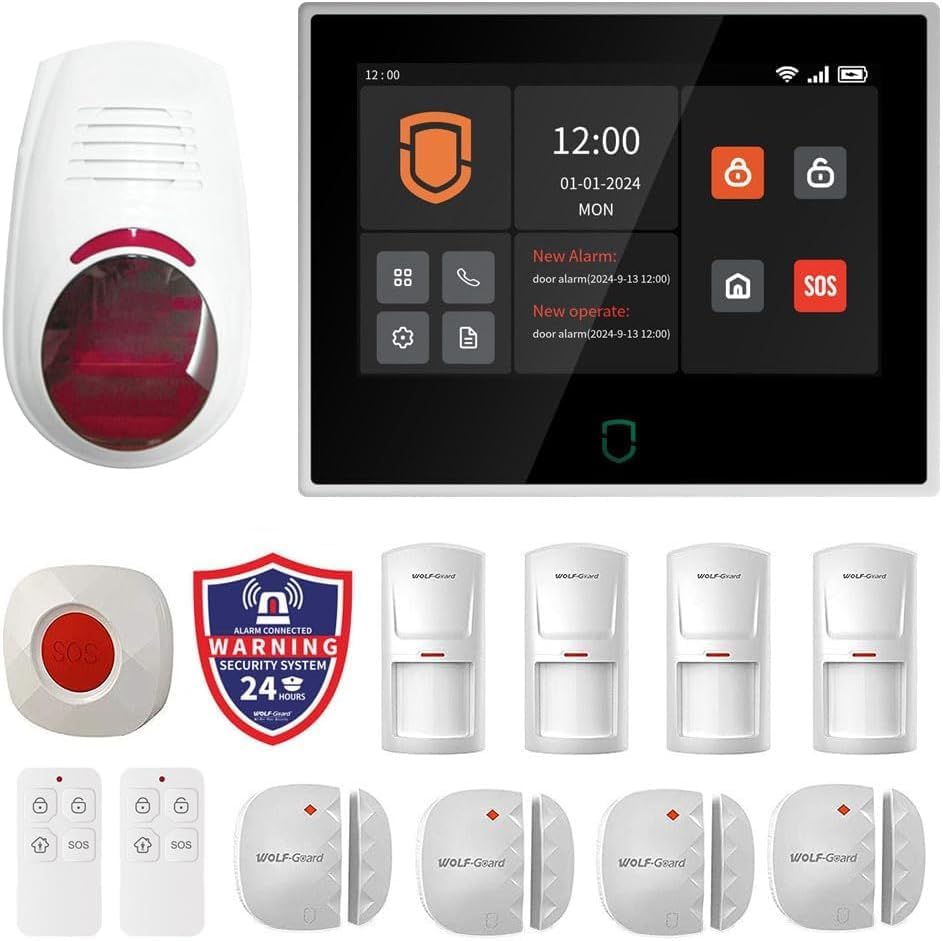
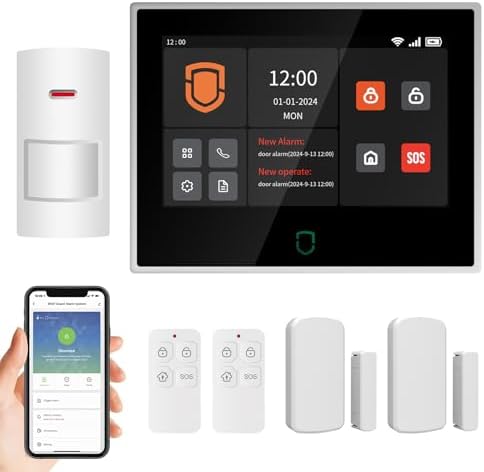

Smart doorbells also incorporate advanced motion detection alerts, prompting immediate notifications on your smartphone when someone approaches the door. This proactive alert system allows homeowners to stay informed of any movement on their property. With these capabilities combined, smart doorbells significantly enhance the security of a home. They not only deter potential intruders but also enable homeowners to respond appropriately before opening the door. Overall, integrating a smart doorbell into one's home security system is a practical step towards safer living, ensuring that vigilance begins at the entrance.
Smart Locks: Keyless Entry and Enhanced Security
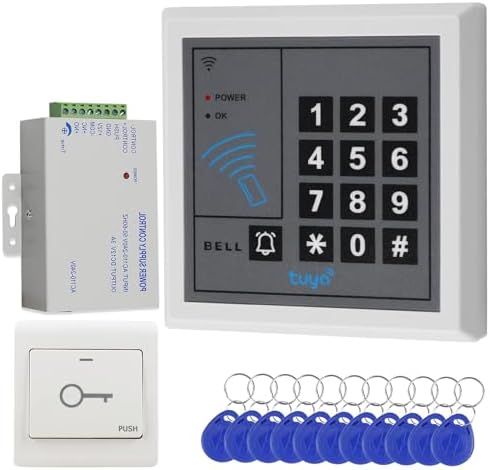
Smart locks are becoming an increasingly popular choice for homeowners seeking to enhance their property’s security while also improving convenience. One of the most prominent features of smart locks is the keyless entry system, which eliminates the need for traditional physical keys. Instead, users can unlock their doors using a smartphone app, fingerprint scan, or numeric code. This innovation not only simplifies the entry process but also allows for more control over who has access to one’s home.
Another significant advantage of smart locks is the ability to lock and unlock doors remotely. Homeowners can use their mobile devices to secure their doors from virtually anywhere. This feature is particularly beneficial for those who may forget to lock their doors when leaving home or for individuals who wish to grant access to service providers or guests even when they are not present. Furthermore, many smart locks offer notifications and alerts, enabling homeowners to be aware of any entry attempts, providing an additional layer of security.
Temporary access codes are another useful function of smart locks, allowing homeowners to provide unique entry codes for visitors, such as house sitters or guests, for a limited period. This method ensures that visitors can enter the home when necessary while limiting long-term access. In contrast to traditional keys, these temporary codes can be easily generated and revoked through the corresponding app, facilitating better security management.
Overall, smart locks offer a contemporary solution for enhancing home security. By integrating keyless entry, remote locking capabilities, and temporary access codes, these devices not only increase convenience for homeowners but also significantly reduce the risk of unauthorized access, making them a vital component for any smart home security system.
Motion Sensors and Alarms: Instant Alerts for Homeowners
In the realm of smart home technology, motion sensors and alarm systems play a critical role in enhancing security and safety. These devices serve as the first line of defense against potential intruders, detecting unusual activity within and around the premises. When a movement is detected, the system promptly sends instant alerts to homeowners, allowing for immediate action. This swift notification process is fundamental in preventing theft or damage, as it enables property owners to assess the situation and respond quickly.
Modern motion sensors utilize advanced technology, including passive infrared (PIR) sensors, which sense changes in heat signatures, and video motion detection systems that analyze variations in video feeds. These sensors can be configured to distinguish between routine motions and abnormal activities, which minimizes false alarms while ensuring genuine threats are recognized. This capability is particularly vital for homeowners who might be away, as the urgency of immediate alerts increases with the perceived risk of a break-in.
Additionally, many of these alarm systems can be integrated into broader smart home ecosystems. They can connect with security cameras, smart locks, and notification systems, enhancing the overall functionality of home safety protocols. For instance, when a motion sensor is triggered, it could simultaneously activate video recording, lock doors, and send alerts to mobile devices, consolidating multiple safety measures into a single response mechanism.
Thus, motion sensors and alarms not only bolster the security landscape of a smart home but also provide peace of mind for homeowners. The proactive nature of these devices ensures that residents remain informed and can take timely measures to protect their home and loved ones. Incorporating these technologies into a home security strategy is essential for contemporary living, where safety is a priority.
Environmental sensors have emerged as a vital component in home safety and security systems, extending the scope of protection beyond traditional break-ins. These sophisticated devices are designed to monitor various environmental hazards that can jeopardize the safety of your living space. By implementing such technologies, homeowners can ensure a more holistic approach to safeguarding their properties.
One prominent type of environmental sensor is the smoke detector, which plays an essential role in alerting residents to potential fire hazards. These sensors utilize advanced technology to quickly detect smoke particles in the air, providing an early warning that can save lives and minimize property damage. In a similar vein, carbon monoxide detectors are crucial for identifying potentially life-threatening levels of carbon monoxide, a colorless and odorless gas. These detectors are particularly important in homes with fuel-burning appliances, as even a small amount of carbon monoxide exposure can lead to serious health risks.
Additionally, flooding sensors offer protection against water-related incidents, alerting homeowners to rising water levels that could suggest a plumbing issue or heavy rainfall. This proactivity can prevent extensive water damage and mold growth, preserving both the integrity of the home and the health of its occupants. By integrating these environmental sensors within a broader smart home system, homeowners can receive real-time alerts on their smartphones, enabling them to respond promptly to any dangerous situation.
In summary, environmental sensors are indispensable in modern home security. They not only protect against burglaries but also monitor critical factors that can threaten the safety and comfort of your home. By investing in these innovative devices, homeowners can achieve a comprehensive level of protection, ensuring peace of mind 24/7.
Integrating Smart Gadgets for Comprehensive Security Solutions
In the rapidly evolving world of home security, integrating smart gadgets into a cohesive system is essential for achieving a holistic security solution. A comprehensive home security plan encompasses various devices and technologies, all of which should work together seamlessly to offer enhanced protection against potential threats. Interoperability among these devices is crucial, as it allows for more efficient communication and functionality.
Homeowners can create a sophisticated security ecosystem by strategically combining various smart gadgets, such as smart locks, security cameras, motion sensors, and alarm systems. For instance, smart locks can be synchronized with security cameras, enabling homeowners to monitor who enters and exits their homes while controlling access remotely. By doing so, they not only enhance convenience but also increase safety. Furthermore, when motion sensors detect unusual activity, alerts can be sent to the homeowner's smartphone, resulting in a prompt response to potential threats.
Moreover, utilizing a central hub or a smart home assistant can streamline the management of different security devices. This allows homeowners to monitor their entire security system from a unified interface, making it easier to manage and maintain. Automated routines can also be programmed, so that when a resident leaves home, the smart locks engage, security cameras activate, and lights turn off, creating an environment that signals occupancy or vacancy to deter intruders.
In summary, the integration of smart gadgets into a comprehensive home security plan not only optimizes safety and security but also improves the overall user experience. Interoperability among devices fosters a cohesive environment that enhances monitoring capabilities and response times, significantly contributing to peace of mind for homeowners. Investing in such a connected security system aligns with modern technological advancements, ensuring that homes are protected around the clock.
Maintenance and Updates: Ensuring Optimal Performance of Smart Gadgets
To maximize the effectiveness of smart home gadgets that ensure your security, regular maintenance and timely software updates are essential. These devices are often connected to the internet, making them vulnerable to various cybersecurity threats. Therefore, routine checks and updates are necessary to maintain their functionality and protect your home.
Software updates typically include security patches that address vulnerabilities and improve overall performance. Many manufacturers provide automatic updates, which can simplify the process. However, it is also important to check for updates manually, especially if you notice any unusual behavior from your devices. This can include unresponsive features or degraded performance, signaling the need for an immediate software check.
In addition to updates, physical maintenance of your smart security devices is crucial. This can involve cleaning sensors, repositioning cameras for better coverage, and ensuring that all devices are correctly installed. Regular inspections will help identify potential issues before they escalate into more significant problems. Homeowners should also verify that all smart devices are correctly integrated into the home network, ensuring reliable communication between devices.
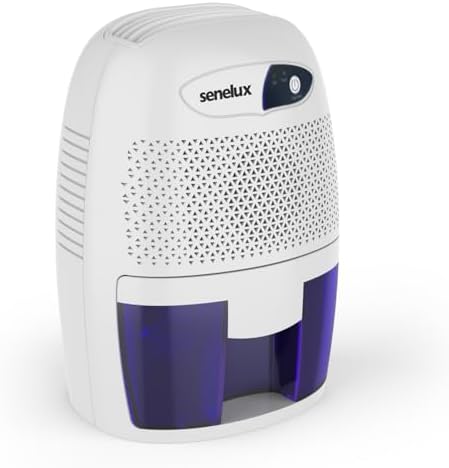
- EFFICIENT DEHUMIDIFICATION: Equipped with a big air inlet and a water tank which has a maximum capacity of 500ml, provid...
- WIDE APPLICATION: Perfect for removing damp, mould and moisture from your home, kitchen, bathroom, bedroom, caravan, gar...
- AUTOMATIC SHUT-OFF: When the water tank is full, the dehumidifier will automatically shut off and the yellow LED light w...
Furthermore, it is beneficial to develop a maintenance schedule. Setting reminders for regular inspections and updates can aid in ensuring that all devices operate effectively. This approach offers peace of mind, knowing that your home security system is always working at its best. Following the manufacturer's guidelines for maintenance and updates can further extend the life of these gadgets. Ultimately, maintaining and updating your smart gadgets is a crucial component of a comprehensive home security strategy, enhancing the protection they offer.
The Future of Home Security with Smart Gadgets
As we advance into a more technologically proficient era, the importance of integrating smart gadgets into home security systems becomes increasingly paramount. These innovative devices transform traditional security measures by offering an array of benefits that significantly enhance the safety and security of residential spaces. One of the key advantages of smart gadgets is their ability to provide real-time monitoring and alerts, ensuring homeowners remain informed of any unusual activities. For instance, security cameras equipped with facial recognition can distinguish between known individuals and potential intruders, offering an extra layer of protection.
Moreover, smart home devices can be seamlessly interconnected, enabling users to control various aspects of home security from a single platform, whether that’s a smartphone or a tablet. This level of integration allows for a customized security experience tailored to the unique needs of each household. Additionally, automation features enable homeowners to set routines, such as automatically locking doors at a specific time or turning on lights to simulate occupancy when away from home.
The cost-effectiveness of employing smart technology in security cannot be overlooked. Many smart gadgets come with adjustable subscription plans, eliminating the need for hefty investments in traditional security services. Furthermore, the data collected by these devices can inform homeowners about patterns or vulnerabilities, allowing for proactive measures to be implemented before potential incidents occur.
In conclusion, embracing smart gadgets for home security not only provides enhanced protection but also fosters a sense of peace and reassurance. With the continuous evolution of technology, now is an opportune moment for homeowners to consider integrating these advanced security solutions into their homes, ensuring safety 24/7 and safeguarding their loved ones and possessions.


0 Comments