Introduction
Coffee enthusiasts around the world have diversified their brewing techniques to enhance their daily cup. Among the plethora of methods available, the French press and pour over techniques have gained significant traction due to their ability to produce richly flavored coffee. Each of these brewing methods offers a distinct process and unique characteristics that cater to varying preferences and palates.
The French press, often celebrated for its simplicity and full-bodied coffee output, involves steeping coarsely ground coffee in hot water before pressing down the filter. This method allows for the oils and fine particles from the coffee to remain in the brew, resulting in a robust and aromatic cup. On the other hand, pour over coffee is known for its precision and control over brewing variables. This method requires hot water to be poured over coffee grounds contained in a filter, permitting a cleaner and more delicate flavor profile. As both methods continue to reap popularity, consumers are increasingly curious about which technique ultimately creates the best cup of coffee.


The purpose of this article is to compare the French press and pour over methods by examining their processes, the ease of preparation, and the quality of coffee produced. Through a detailed exploration of these two techniques, coffee aficionados will gain a clearer understanding of the distinctions that can influence their brewing choices. Whether one prefers the bold intensity of a French press or the refined clarity of pour over, this analysis aims to shed light on how these methods can shape the coffee experience.
Understanding the French Press
The French press, also known as a press pot or plunger pot, is a popular brewing method celebrated for its simplicity and ability to produce a rich, full-bodied cup of coffee. The equipment required for this method consists of a cylindrical glass or stainless steel vessel with a plunger and a metal or nylon mesh filter. This setup allows for the coffee grounds to steep directly in hot water, capturing the essential oils and flavors that often get filtered out in other brewing methods.
When preparing coffee with a French press, the standard coffee-to-water ratio is typically 1:15, meaning for every gram of coffee, you should use about 15 grams of water. However, some enthusiasts argue that adjusting this ratio can result in either a stronger or milder cup, depending on personal preference. The grounds should be coarsely ground to prevent clogging the filter and ensure even extraction.
The ideal brewing time ranges between four to five minutes, allowing the grounds to steep sufficiently for optimal flavor extraction. After steeping, the plunger is pressed down to separate the grounds from the brewed coffee. This method is not only easy to use but also allows for precise control over the brewing variables, resulting in a cup tailored entirely to the drinker's taste.
One of the main advantages of the French press method is its ability to convey the coffee’s full flavor profile, attributing to the lack of paper filtering, which can absorb some oils. Additionally, the method is relatively inexpensive and does not rely on electricity, making it accessible and portable. However, common pitfalls include over-extraction, which can lead to bitterness, and inadequate steeping, resulting in weak coffee. To achieve the best results, it is recommended to use freshly ground beans and maintain consistent water temperature, typically between 195°F to 205°F (90°C to 96°C).
Exploring the Pour Over Method
The pour over method is a meticulous brewing technique that allows for full control over the coffee-making process. The necessary tools for this method include a pour over dripper, such as the Hario V60 or Chemex, coffee filters, and a kettle, preferably one with a gooseneck for precise pouring. The quality of water and coffee beans is also crucial; it is recommended to use freshly roasted coffee with a medium to coarse grind to achieve optimal results.
The brewing process begins by boiling water to an ideal temperature, typically between 195°F to 205°F (90°C to 96°C). Prewetting the coffee filter and dripper is an essential step, as it eliminates any paper taste and preheats the brewing apparatus. After discarding the rinse water, add ground coffee to the filter, generally using a ratio of 1:15 (coffee to water) for best flavor extraction.
Pouring technique is vital in brewing pour over coffee. Start with a small circular pour to allow the coffee to bloom, releasing carbon dioxide. Following this, continue pouring in a steady, controlled manner, ensuring even saturation of the grounds. The total brew time should last around 3 to 4 minutes, depending on the desired strength and flavor profile.
One of the significant benefits of the pour over method is the exceptional control over various brewing variables, such as grind size, water temperature, and extraction time. This level of control enables coffee enthusiasts to customize their brew to achieve precise flavor clarity and intensity. Consequently, many aficionados appreciate the cleaner and brighter taste often associated with pour over coffee, distinguishing it from other brewing methods.
Comparative Analysis: Flavor Profiles
The flavor profiles produced by the French press and pour over brewing methods reveal distinct characteristics that cater to diverse palates. The French press method, known for its steeping process, typically yields a full-bodied, rich coffee. This depth is attributed to the immersion brewing technique, where coffee grounds are submerged in hot water for an extended period, allowing for maximum extraction of oils and flavors. As a result, the French press coffee often exhibits heavy mouthfeel and pronounced flavors, including chocolatey or nutty undertones, which many coffee enthusiasts appreciate.
In contrast, the pour over method offers a cleaner and more nuanced cup. This technique involves pouring hot water over coffee grounds in a slow, circular motion, allowing for controlled extraction. As a result, the pour over method effectively highlights the intricate flavors of the coffee beans, leading to a brighter, more vibrant taste profile. Many connoisseurs note that this brewing method showcases floral and fruity notes that might be overshadowed in a French press. According to a recent taste test conducted by coffee experts, participants consistently favored the pour over for its ability to deliver clarity in flavors.
Expert opinions further underscore these differences; many baristas recommend using a French press for those who prefer a robust and hearty coffee experience, while the pour over is ideal for individuals who enjoy exploring the subtleties of different coffee varieties. Each method has its merits, ultimately leading to different interpretations of the same coffee bean, making the choice between French press and pour over largely a matter of personal preference.
Ease of Use and Cleaning
When determining the best coffee brewing method between the French press and pour over, two important factors to consider are ease of use and cleaning requirements. Each method presents distinct characteristics that cater to varying preferences and lifestyles.
The French press is generally regarded as one of the simplest methods. To brew coffee using a French press, one needs to add coarsely ground coffee to the carafe, pour hot water over it, and let it steep for about four minutes before pressing down the plunger. This straightforward process makes it appealing for those who appreciate a quick and uncomplicated brewing method. Preparation time is minimal, typically requiring only a few minutes from start to finish. However, when it comes to cleaning, the French press can be somewhat cumbersome. After brewing, the grounds often stick to the bottom and sides, necessitating thorough rinsing. Additionally, the components of the press may require occasional deep cleaning to avoid the buildup of coffee oils.
On the other hand, the pour-over method, while slightly more intricate, provides a level of control that many coffee enthusiasts appreciate. Pour over brewing involves a series of steps: placing a filter in the dripper, adding ground coffee, and then slowly pouring hot water over the grounds in a circular motion. This method allows for precise brewing variables, such as water temperature and flow rate, but it may take longer than the French press, particularly for beginners. Cleaning the pour-over setup is generally more manageable, as the filters can be disposed of easily, and the dripper can be rinsed without much difficulty. Users can quickly wipe down the equipment, making it more convenient for daily use.
In summary, the choice between French press and pour over comes down to individual preferences in simplicity, preparation time, and cleaning efficiency. The French press offers ease of use, while pour over allows for enhanced control and is easier to clean post-brew.

Cost and Accessibility of Equipment
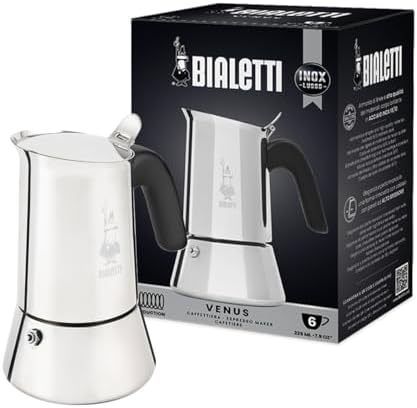
When it comes to enjoying a great cup of coffee, the equipment plays a critical role in the brewing process. The French press and pour over methods are both popular choices among coffee enthusiasts, but they differ significantly in terms of cost and accessibility. Evaluating the initial investment required for each can help consumers make informed decisions.
The French press is known for its simplicity and affordability. A basic model can typically be purchased for anywhere between $15 and $50, making it accessible to a wide audience. This brewing method entails minimal components: a glass or stainless-steel vessel, a plunger, and a filter screen. For those on a budget, thrift stores and online marketplaces often offer second-hand models at even lower prices. Furthermore, French presses are widely available at various retail outlets, adding to their accessibility.
On the other hand, the pour over method generally requires more specialized equipment, which can affect the overall cost. A decent pour over setup, including a dripper, filters, and a carafe, may range from $20 to several hundred dollars, especially if one opts for premium brands or ceramic designs. While budget-friendly options exist—such as plastic drippers or single-use paper filters—the investment may still be higher than that of a French press. Accessibility is also contingent on the availability of quality equipment, which may not always be found in standard grocery stores.
Ultimately, both methods offer a range of equipment at varying price points. The French press provides a budget-friendly entry point for newcomers, while the pour over system caters to those willing to invest more for an elevated coffee experience. Each method has options that appeal to different budgets, allowing coffee lovers to choose based on their preferences and resources.
Health Benefits of Each Brewing Method
The choice between French press and pour-over coffee is often guided by personal preference in taste and brewing techniques; however, it is important to consider the potential health benefits associated with each method as well. The French press brewing method is known for its ability to retain coffee oils, specifically compounds such as cafestol and kahweol, which may contribute positively to health. These compounds have been shown to possess anti-inflammatory properties and may even support liver function, thus suggesting that the French press may offer certain health advantages. Furthermore, the oils may enhance the flavor profile of the coffee, allowing for a richer experience.
On the other hand, the pour-over method utilizes filters that effectively reduce the presence of these oils in the brewed coffee. While this filtering process might result in coffee that has a lighter body, it often leads to lower levels of cafestol and kahweol. Studies indicate that consuming high cholesterol levels can be linked to elevated levels of these compounds, which means that pour-over coffee may be a healthier choice for individuals monitoring their cholesterol intake. Additionally, filter paper traps certain unwanted substances like waxes and residual particulates, leading to a cleaner cup of coffee.
It is worth noting that both brewing methods yield coffee with beneficial antioxidants that can support overall health. Antioxidants are known to help combat oxidative stress and may reduce the risk of chronic diseases. Ultimately, selecting between the French press and pour-over coffee should take into account not only taste preferences but also individual health considerations related to cholesterol levels and overall well-being. Each method presents a unique set of advantages, allowing coffee enthusiasts to enjoy their favorite beverage in a way that aligns with their health goals.
User Preferences: Which Method is Right for You?
Choosing between the French press and pour over methods of coffee brewing involves a personal reflection on individual preferences and lifestyle choices. Each brewing method offers distinct characteristics that cater to different coffee enthusiasts. To find out which method suits you best, consider several important factors.
First, think about your flavor preference. The French press technique yields a full-bodied cup of coffee, rich in flavor and aroma, due to the coffee grounds steeping in hot water for several minutes. This method is ideal for those who appreciate a strong, robust taste, as it retains the essential oils from the coffee beans. Conversely, pour over coffee offers a cleaner, more delicate flavor profile. This method allows for precise control over brewing time and water temperature, often resulting in a more nuanced and crisp cup. If you favor subtle flavors and nuances in your coffee, pour over might be the right choice for you.
Next, evaluate your convenience needs. The French press is relatively straightforward and requires minimal equipment, making it an excellent option for those who prefer a quick and easy brew. However, it does demand some effort in terms of cleaning and maintenance. On the other hand, pour over coffee necessitates a bit more technique and patience; however, many enthusiasts find the ritual rewarding. If you have limited time in the morning or prefer a low-maintenance approach, the French press may be more suitable.
Lastly, consider your coffee-drinking habits. If you enjoy savoring multiple cups throughout the day, a French press could be more accommodating for brewing larger quantities at once. Alternatively, the pour over method allows for brewing one cup at a time, ideal for those who enjoy a freshly brewed cup made per occasion. Reflecting on these aspects will help you identify which brewing method aligns with your coffee preferences and daily routine.
Conclusion
In exploring the merits of both the French press and pour over brewing methods, it is evident that each offers a distinct approach to crafting coffee. The French press, with its immersion brewing technique, allows for a fuller body and richer flavor profile, making it an excellent choice for coffee enthusiasts who appreciate depth. On the other hand, the pour over method, notable for its precise control over extraction time and temperature, brings out the delicate nuances of the coffee beans, catering to those who seek clarity and brightness in their cup.
The advantages of these two methods are not mutually exclusive; rather, they showcase the diversity within the world of coffee brewing. The choice between them can depend on personal preference, the type of coffee bean being used, or even the desired taste experience. For individuals who enjoy the robust, bold flavors that a French press delivers, there is much to be appreciated in this method. Conversely, pour over coffee brewers may find joy in the ritualistic process and the refined flavors that emerge from careful pour control.
As you consider your coffee brewing routine, it is worthwhile to experiment with both techniques. Each method provides an opportunity to explore different flavor profiles and textures in your coffee. By embracing both the French press and pour over methods, you can deepen your appreciation for the art of coffee brewing and discover which technique best suits your palate. Ultimately, the best coffee is the one that resonates with your individual taste preferences, regardless of the method used to brew it.


0 Comments