
Introduction to High-Performance Blenders
High-performance blenders have gained remarkable traction in both residential kitchens and commercial establishments due to their versatility, efficiency, and durability. These powerful kitchen appliances are engineered to handle a variety of tasks, from blending smoothies to producing nut butters and soups, making them essential tools for culinary enthusiasts and professionals alike. As the demand for healthy, homemade food increases, the need for reliable blending equipment has surged, positioning high-performance blenders as a focal point in modern cooking.
Among the plethora of options available in the market, Vitamix and Ninja have emerged as two prominent brands, each offering unique features that cater to varying user needs. Vitamix, often regarded as the gold standard in blending technology, is known for its robust motor systems and long-lasting design, appealing particularly to home chefs and professionals aiming for top-notch results. Ninja, on the other hand, has carved a niche by providing innovative products that mix affordability with functionality, making it a favourite among budget-conscious consumers.

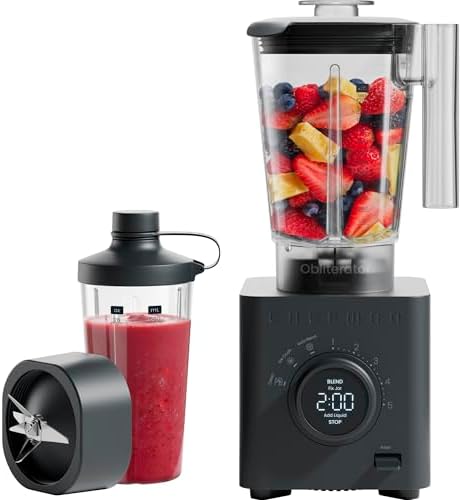

The increasing popularity of these brands can be attributed to their consistent performance and user-friendly functionalities. With rigorous testing, these blenders excel in preparing a wide array of recipes, from silky smoothies to hearty soups, demonstrating their adaptability and efficiency. In today’s health-conscious world, where convenience meets nutrition, having a high-performance blender has transcended from being a luxury to a necessity for many households.
As we delve into the comparison between Vitamix and Ninja, we will explore their features, specifications, and overall value propositions. This analysis will help clarify which professional blender stands out as a worthy investment, catering to diverse culinary needs and preferences.
Brand Overview: Vitamix
Vitamix has established itself as a premier name in the realm of professional blenders, boasting a rich history that dates back to its founding in 1921. This longevity underscores the brand’s unwavering commitment to quality and innovation in blending technology. Over the decades, Vitamix has gained a reputation for producing durable machines that consistently deliver exceptional performance, making them a trusted choice for both home cooks and culinary professionals.
At the core of Vitamix’s philosophy is the belief that blending is a form of culinary artistry, achievable only with the right tools. This perspective drives the brand to integrate advanced technology into its blenders, including powerful motors, precision blades, and innovative control systems. Such technology allows for seamless processing of a wide variety of ingredients, whether for smoothies, frozen desserts, soups, or nut butter. This versatility sets Vitamix apart from many competitors in the industry.
Notably, one of the standout features of Vitamix blenders is their user-friendly design, which appeals to both beginners and seasoned chefs alike. Their intuitive controls, ranging from simple dials to programmable settings, allow for customisable blending experiences. Additionally, Vitamix machines are renowned for their robustness, often lasting for many years with proper care—an important factor for consumers looking for long-term investments.
Moreover, Vitamix has consistently prioritised sustainability and customer satisfaction, further solidifying its reputation. The brand provides extensive support, including warranties and customer service, ensuring users find assistance throughout their blending journey. In essence, Vitamix is not merely a blender brand; it is an institution revered for its excellence and innovation in culinary blending solutions.
Ninja Brand Overview
Ninja, a brand under the SharkNinja company, has established itself as a prominent name in the home appliance market, particularly for blending and food preparation devices. Founded in 1998, SharkNinja has focused on creating innovative, high-performance kitchen appliances that combine convenience with functionality. The Ninja line of blenders, which launched in the early 2000s, became popular due to their unique features and appealing price points, allowing consumers to achieve professional-grade blending results at home.
What sets Ninja apart from many other blender brands is its commitment to affordability without sacrificing quality. The company recognises that many consumers desire powerful, versatile blenders that fit a variety of culinary needs, from smoothies to soups and sauces. As such, Ninja blenders are designed not only with high-performance motors but also with multiple blending modes and speciality functionalities, enabling users to handle a range of tasks efficiently.
In terms of design, Ninja blenders often feature a sleek and modern aesthetic, appealing to the average home user who values both performance and style in their kitchen appliances. The emphasis on user-friendly interfaces, lightweight materials, and compact footprints allows for easy handling and storage, positioning Ninja as a preferred choice for individuals or families seeking practical solutions.
Furthermore, Ninja incorporates innovative technologies such as the Total Crushing® blades, which promise superior blending capabilities. This design feature ensures that ingredients blend uniformly, allowing for smoother textures, which enhances food preparation for dishes that require precision and consistency. Overall, Ninja’s blend of affordability, versatility, and stylish design ensures that it remains a competitive force in the professional blender market, making it an attractive option for home chefs across various culinary landscapes.
Key Features Comparison
When it comes to professional blenders, Vitamix and Ninja stand out due to their distinct attributes, each tailored to meet the diverse needs of users. One of the most critical aspects to consider is motor power. Vitamix blenders typically feature a robust motor ranging from 2.0 to 2.2 horsepower, enabling quick and effective blending. This powerful motor ensures that leafy greens, hard vegetables, and even ice are effortlessly pulverised. In comparison, Ninja blenders, while also capable, commonly provide a motor power around 1,000 to 1,500 watts. This power is efficient for various tasks but may not deliver the same consistency, particularly for tougher ingredients.
Blade design is another key factor where these blenders exhibit differences. Vitamix models boast precision-engineered stainless-steel blades, which are designed to create a vortex, pulling ingredients down into the blades for uniform blending. Ninja, on the other hand, utilises a unique stacked blade design that offers versatility for different recipes but may not achieve the same blend quality in certain situations. This variance in blade technology can impact the final texture of smoothies or soups, making it essential to consider personal preferences.
The container material significantly influences the overall user experience as well. Vitamix typically uses high-quality, BPA-free Eastman Tritan plastic or glass, designed for durability and resistance to staining. Conversely, many Ninja blenders come with plastic containers that, while lightweight, may not be as resilient over time. As for capacity, Vitamix offers a range of sizes from personal to family-sized containers, allowing for greater flexibility depending on users’ needs. Ninja blenders generally include multifunctional jars, appealing to those seeking convenience, but might lack the larger capacities available in Vitamix options.
Performance Analysis
When comparing the Vitamix and Ninja brands, it is essential to evaluate their performance across various blending tasks. Each blender is designed to cater to different user needs, and understanding how they perform in practical applications is crucial for potential buyers.
In the realm of smoothies, both Vitamix and Ninja have earned positive user feedback. The Vitamix is often praised for its ability to blend whole fruits and vegetables into a creamy, smooth consistency, thanks to its powerful motor and sharp blades. Users frequently highlight its efficiency in breaking down tough ingredients such as leafy greens and frozen fruits, yielding no lumps. On the other hand, the Ninja blender also delivers commendable results, particularly with its Total Crushing blades that pulverise ice and fruit with ease, creating refreshing smoothies suitable for various tastes.
When it comes to soups and hot ingredients, Vitamix stands out due to its unique ability to heat soups through friction. Many users report enjoying satisfying, hot soups straight from the blender. This feature is often a deciding factor for individuals who prioritise versatility in cooking. Conversely, while Ninja blenders lack this heating feature, they excel at pureeing cooked vegetables into a smooth texture, which some users prefer for making chilly soups or sauces.
As for nut butters, the Vitamix again takes the lead. Users often share positive reviews about its capability to create creamy nut butters from raw nuts without much effort. Ninja, though it offers reasonable results, may require longer blending times and results in a coarser texture, which may not meet the expectations of purists.
Frozen desserts are where both blenders display their strengths. Vitamix can create sorbets and frozen blends with a creamy finish, while Ninja appeals to users who enjoy making quick, ice-based concoctions. Nevertheless, some users have voiced concerns regarding the durability of Ninja’s components compared to Vitamix’s reputation for longevity.
In summary, both brands excel in different areas: Vitamix shines in heating, nut butter creation, and producing ultra-smooth results, whereas Ninja offers great value and impressive crushing capabilities. Prospective buyers should evaluate their personal blending needs and preferences to make an informed decision on which blender suits them best.

Ease of Use and Cleaning
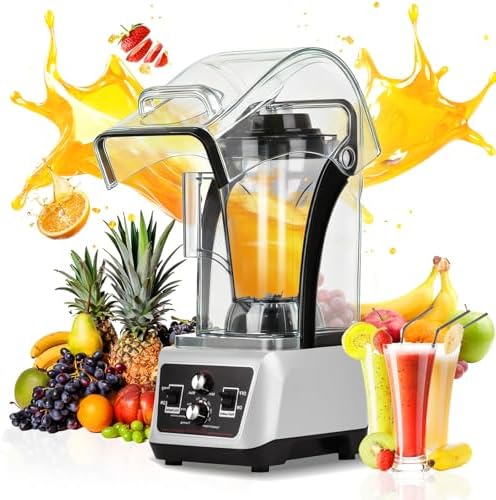
When it comes to evaluating the ease of use and cleaning of professional blenders like Vitamix and Ninja, several factors need to be considered. Both brands have made efforts to simplify their designs and user interfaces, yet they offer distinct experiences that cater to varying preferences.
The Vitamix blender is known for its intuitive design and robust build quality. Its control panel features a variable speed dial and a pulse feature, allowing users to precisely manage blending consistency. Additionally, many Vitamix models come equipped with preset functions for common tasks, such as making smoothies, soups, and frozen desserts. This user-friendly approach can significantly reduce the time spent fussing with settings, making it accessible for both novice and experienced users.
On the other hand, Ninja blenders typically emphasise versatility and convenience. Many models include pre-programmed settings for specific recipes, which can be helpful for those who wish to create consistent outcomes without manually adjusting speeds. The presence of a single-switch operation in some Ninja models also enhances usability, allowing users to achieve quick results with minimal effort.
Moving on to cleaning, both Vitamix and Ninja blenders are designed with maintenance in mind. The Vitamix is often lauded for its self-cleaning capability; by simply adding warm water and a drop of dish soap, users can blend for several seconds to achieve a clean blender without disassembly. However, some may find that the jar can be cumbersome due to its size and weight for cleaning by hand.
Ninja blenders, while not as renowned for self-cleaning features, often include detachable components that can be easily disassembled and placed in the dishwasher. This can offer greater convenience for users prioritising low-maintenance options. Ultimately, both brands provide satisfactory solutions for ease of use and cleaning, catering to varied lifestyles and preferences in the kitchen.
Price Comparison and Value for Money
When embarking on a quest to find the ideal professional blender, both Vitamix and Ninja present attractive options, yet they cater to distinct preferences and budgets. The price range for Vitamix blenders typically lies between $350 and $800, depending on the model and features. This investment often translates into robust construction, exceptional performance, and a multifaceted range of functionalities, making it a favourable choice for those seeking top-tier quality.
Conversely, Ninja blenders generally occupy a more budget-conscious segment, with prices ranging from $100 to $300. While they may not match the durability of Vitamix, Ninja blenders are, nonetheless, capable of delivering satisfactory performance for everyday blending tasks. The lower price point often attracts users who require a reliable blender without extensive or professional-grade features.
When evaluating value for money, it is essential to consider the long-term benefits associated with each option. Vitamix blenders are renowned for their longevity and effectiveness, allowing users to blend a variety of ingredients smoothly, which can result in substantial savings over time, particularly for frequent users. Furthermore, the versatility of Vitamix equipment enables users to engage in activities such as making hot soups or nut butters, adding to the overall value.
In contrast, while Ninja models may provide sufficient performance for casual users, they might not withstand the same level of rigorous, everyday use. Therefore, the choice boils down to how one interprets value; if reliability and multi-functionality are paramount, investing in a Vitamix may be more economical in the long run. Ultimately, discerning consumers must weigh the initial costs against their blending needs and frequency of use to determine which professional blender aligns best with their expectations of investment and functionality.
Customer Reviews and Testimonials
When evaluating the Vitamix and Ninja blenders, customer reviews and testimonials provide valuable insights into their performance and overall user satisfaction. The majority of Vitamix users express high levels of satisfaction, particularly praising the blender’s exceptional blending capabilities and durability. Many reviewers highlight that the Vitamix is particularly effective for creating smooth textures, whether for smoothies or soups, and they appreciate the consistency of results it delivers.
In addition to its blending prowess, customers frequently mention the longevity of Vitamix products. Several testimonials indicate that users have owned their Vitamix blenders for several years without significant performance decline, which adds to the sense of worth regarding their investment. Some users do note the premium price point as a drawback, yet many justify it by emphasising the blender’s features, including self-cleaning capabilities and powerful motors that can handle a variety of ingredients.
Conversely, Ninja blenders have garnered a mix of opinions. Many customers commend them for their affordability and versatility. Users frequently highlight Ninja’s capacity to crush ice and blend frozen ingredients effectively, making it a great option for those looking to whip up frozen treats or fruit smoothies quickly. Additionally, the user-friendly controls and easy clean-up are often mentioned positively, contributing to a generally favourable perception among users.
However, some criticisms arise concerning the build quality and longevity of Ninja blenders compared to their Vitamix counterparts. A number of reviewers report issues with durability after extended use, suggesting that while initially satisfying, some models may not match the longevity of Vitamix blenders. In summary, while both brands have their steadfast supporters, the choice often boils down to budget, blending needs, and preferences regarding quality and endurance.
Conclusion: Making the Right Choice
Choosing between Vitamix and Ninja blenders can be a pivotal decision, heavily influenced by individual requirements and budgetary constraints. Both brands offer high-quality blenders, yet they cater to different preferences and uses in the culinary world. Vitamix is widely recognised for its powerful motors and versatility, making it a favourite for professional chefs and serious home cooks alike. Its ability to handle a wide range of tasks, from making smoothies to hot soups, positions it as an invaluable kitchen appliance.
On the other hand, Ninja blenders have carved a niche for themselves by providing excellent performance at a more accessible price point. They excel in blending frozen ingredients and are often favoured for their user-friendly features and innovative designs. For those who are looking for a blender to create refreshing smoothies or frozen desserts without breaking the bank, Ninja could be the more attractive option.
When determining which blender is worth the investment, consider your specific needs. Evaluate what you will primarily use the blender for—this could range from preparing basic smoothies to creating gourmet soups and sauces. Additionally, assess your budget. While Vitamix offers durability and extensive functionalities, the higher price may not be justifiable for those with simpler blending needs. Conversely, if cost-effectiveness and basic functionality are your priorities, Ninja could be the ideal choice.
Ultimately, both Vitamix and Ninja have their strengths, and the best blender will depend on your cooking habits, budget, and desired features. Investing time to analyse your personal requirements will empower you to make an informed decision, ensuring that you select the blender that aligns perfectly with your lifestyle and culinary adventures.






So, ph77… Not bad, not amazing. Middle of the road kinda stuff. Games loaded quickly enough but I have nothing much to comment. Check ph77 if you got the time!
Just logged into PK7login. Simple enough process, no dramas. Site’s easy enough to work out, no problem for me. If you got problems with the login, view pk7login
Heard a few things about swete99. Going to check it out, fingers crossed for some luck! Thinking of signing up. You should check it out at swete99