Introduction to 5-Axis Robotic Arms
5-axis robotic arms represent a significant advancement in automation technology, enabling precise and versatile movement necessary for complex tasks across various industries. The term "5-axis" refers to the arm's ability to articulate along five different axes, facilitating multi-directional manipulation. This advanced design enables the robotic arms to perform intricate operations that traditional robotic systems, limited to few axes, cannot accomplish efficiently.
The basic structure of a 5-axis robotic arm includes multiple joints and segments, typically comprising a base, a shoulder, an elbow, a wrist, and an end effector. Each joint allows a different degree of freedom, thus permitting a wide range of motions. The combination of rotational and linear movements is fundamental to the robotic arm's ability to navigate complex environments and reach varied angles and positions. This can be crucial when it comes to tasks that require precision, such as assembly or material handling.


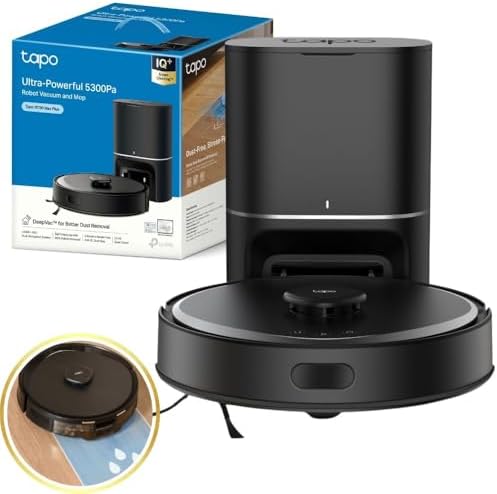
5-axis robotic arms are prevalent in manufacturing sectors where they streamline production processes and improve efficiency. Their applications extend beyond industrial use, finding their way into domestic environments, particularly in automated devices like vacuum cleaners. In these contexts, robotic arms efficiently maneuver through spaces, ensuring thorough cleaning and maintenance. As technology advances, the implementation of 5-axis robotic systems continues to grow, paving the way for smarter devices capable of executing tasks once thought impossible.
The Mechanics of 5-Axis Motion
5-axis robotic arms operate with an advanced configuration that allows for intricate and versatile movement, surpassing the limitations of traditional 3-axis systems. Each of the five axes plays a crucial role in enhancing the arm's capabilities.
The first three axes are similar to those in a conventional robotic arm, allowing movement in the X, Y, and Z dimensions. The movement in these three dimensions enables the robotic arm to reach a wide range of positions, functioning efficiently in linear tasks. However, where 5-axis motion truly distinguishes itself is with the addition of the fourth and fifth axes, which introduce rotational movements.
The fourth axis typically provides a rotation around the horizontal axis, while the fifth axis allows for rotation around the vertical axis. This dual-axis rotation facilitates greater maneuverability, enabling the robotic arm to orient itself at various angles to perform complicated tasks such as tool orientation, precise machining, and, notably, packaging or assembly processes that require high accuracy.
By simultaneously operating all five axes, a 5-axis robotic arm can achieve intricate positional adjustments and quickly adapt to various operational scenarios. This seamless operation is particularly beneficial in complex applications such as automotive assembly, which requires precise component placement and interaction. The flexibility afforded by 5-axis motion systems reduces programming time and increases productivity compared to 3-axis systems, where task execution is often limited due to their restricted motion.
As robotics technology continues to develop, the mechanics of 5-axis motion exemplify a significant step forward, allowing for enhanced performance in industries ranging from manufacturing to healthcare. Ultimately, understanding the dynamic interactions among the axes is crucial for leveraging the full potential of 5-axis robotic systems.
Components of a 5-Axis Robotic Arm
A 5-axis robotic arm comprises several integral components, each playing a critical role in its functionality and efficiency, especially in applications such as autonomous vacuuming. The primary components include servos, joints, end effectors, and the control systems, which together facilitate the arm's ability to perform intricate tasks.
The servos act as the muscle of the robotic arm, providing the necessary torque and movement. In a 5-axis robotic arm, multiple servos are used to control each joint effectively. These servos receive signals from the control systems and adjust their positions accordingly, allowing the arm to trace complex paths in a three-dimensional space. Their precision is crucial for ensuring accurate movements, which are essential in tasks such as navigating obstacles while vacuuming.
Next, the joints are pivotal in granting the arm its range of motion. A 5-axis robotic arm typically features rotational and linear movement capabilities, facilitated by a combination of revolute and prismatic joints. This configuration enables the arm to maneuver around corners and reach various angles that would be otherwise unattainable, enhancing its efficacy in cleaning every nook and cranny of a room.
End effectors, or the tools attached to the end of the robotic arm, play a significant role in the vacuuming process. In the context of autonomous cleaning, these may include suction devices, brushes, or other cleaning mechanisms tailored to specific surfaces. The design of these end effectors directly impacts the efficiency of dirt and debris removal.
Finally, the control systems serve as the brain of the robotic arm, coordinating all movements and processing input from sensors to make real-time adjustments. These systems ensure that the robotic arm operates seamlessly and efficiently, adapting to changes in its environment. This cohesive integration of components enables the 5-axis robotic arm to perform its tasks with remarkable precision, making it an invaluable tool in modern cleaning technology.
The Role of Sensors in Motion Control
Sensors play a pivotal role in the operation of 5-axis robotic arms, particularly in ensuring precise motion control and functionality. The integration of various sensor types enhances the capabilities of these robotic systems, making them indispensable for applications such as automated home cleaning.
Among the primary types of sensors utilized in 5-axis robotic arms are proximity sensors. These sensors detect the presence of nearby objects without making physical contact, allowing the robotic arm to navigate its environment safely. By providing real-time feedback on object locations, proximity sensors help prevent collisions and enable the arm to maneuver efficiently within restricted spaces, such as around furniture.
Accelerometers are another critical sensor used in the realm of robotic arms. They measure linear and angular acceleration, thus enabling the robotic system to assess its movement accurately. This data is essential for adjusting speed and direction, contributing to the overall stability and reliability of the robotic arm. For instance, when a robotic vacuum organizes itself to transition from floor to carpet, the accelerometer ensures proper adaptation to changes in surface conditions.
Gyroscopes complement the functionality of accelerometers by providing additional orientation data. These sensors help maintain the desired position and angle of the robotic arm during operation, crucial for executing tasks that require precision. For example, in the context of cleaning, the gyroscope assists the robotic arm in keeping its cleaning head level on different surfaces, ensuring effective dirt and debris removal.
In essence, the integration of these sensors into 5-axis robotic arms greatly enhances their ability to perform movements accurately, detect obstacles, and execute tasks effectively. As technology continues to advance, improvements in sensor accuracy and responsiveness are expected to further enhance the operational capabilities of robotic systems.
Software and Programming for 5-Axis Robots
The operation of 5-axis robotic arms hinges upon sophisticated software and programming techniques that empower them to execute accurate tasks. Central to this technology are programming languages tailored for robotic applications, such as Python, C++, and proprietary languages like RAPID and KRL. These languages facilitate the creation of intricate control algorithms that dictate the robot's behavior and responses to its environment.
A key aspect of programming 5-axis robots involves developing motion control algorithms, which are pivotal for executing precise movements and ensuring smooth operations. Algorithms such as inverse kinematics allow a robot to determine the necessary joint angles needed to achieve a desired position and orientation of the end effector. This is particularly significant in vacuum technology, where accuracy and finesse are imperative for picking and placing tasks.
Path planning is another essential component, whereby the robotic arm calculates the optimal trajectory it should take to navigate from one point to another while avoiding obstacles. Techniques such as Rapidly-exploring Random Trees (RRT) and A* algorithms are widely employed in 5-axis robotic programming to enhance efficiency and reduce potential errors during movement.
Additionally, user interfaces for programming have evolved to become more intuitive, offering graphical representations of robotic actions that simplify setup and adjustments. These interfaces allow engineers and technicians with varying levels of technical expertise to easily program and modify 5-axis robotic arms for specific applications, such as in industrial vacuum automation.
Ultimately, the interplay between sophisticated software, programming languages, and algorithms forms the backbone of 5-axis robots, facilitating advanced functionality necessary for modern vacuum systems. As the technology develops, new programming paradigms and tools will undoubtedly continue to emerge, further enhancing the capabilities of these versatile machines.
Real-World Applications of 5-Axis Robotic Arms
5-axis robotic arms have revolutionized numerous industries, providing innovative solutions that enhance efficiency and precision. In manufacturing, these robotic systems are employed to automate complex tasks, including assembly, welding, and painting. Their ability to maneuver with five degrees of freedom allows for intricate movements that are crucial for assembling parts that require a high degree of accuracy. This adaptability not only speeds up production but also reduces labor costs and the likelihood of human error, thus ensuring consistent quality in mass production.
In the medical sector, 5-axis robotic arms are showing remarkable promise, particularly in surgical procedures. Advanced robotic systems assist surgeons by offering greater precision in delicate operations, such as neurosurgery and orthopedic surgeries. These robots, equipped with highly sensitive tools, facilitate minimally invasive procedures, which result in shorter recovery times for patients and reduced risk of complications. Moreover, they allow for enhanced visualization of the surgical site, further improving the outcomes of these complex interventions.
Household cleaning robots, including vacuum cleaners, are another domain in which 5-axis robotic arms have gained traction. Modern robotic vacuums utilize this technology to navigate a variety of surfaces and obstacles in home environments. By leveraging the flexibility of 5-axis movement, these devices can efficiently cover complex areas, reaching corners and under furniture that traditional vacuums may struggle to access. This not only saves time for users but also ensures a more thorough cleaning process, as the robotic arms adjust to different floor types and maintain optimal cleaning paths.
In summary, the implementation of 5-axis robotic arms in various industries demonstrates their versatility and efficiency. From increasing productivity in manufacturing to enhancing precision in surgeries and improving convenience in household cleaning, these robotic systems are set to play a pivotal role in shaping the future of many sectors.
Advantages of 5-Axis Robotics in Domestic Vacuums
5-axis robotic arms are increasingly being utilized in the development of domestic vacuums, offering a range of benefits that enhance the efficiency and convenience of household cleaning. These advanced robotic systems enable improved maneuverability, allowing vacuums to navigate complex environments with ease. Unlike traditional robotic vacuums, which typically rely on predefined paths and limited movement, 5-axis robots can adjust their cleaning angles in real-time. This capability is crucial for reaching under furniture and other tight spaces that would otherwise be inaccessible.
Moreover, 5-axis robotics significantly improve the navigation capabilities of domestic vacuums. By employing sophisticated algorithms and sensors, these systems can create detailed maps of a home, ensuring thorough coverage of every area. They are capable of recognizing obstacles, avoiding hazards, and dynamically adjusting their cleaning routes for optimized performance. This reduces the time spent cleaning, making vacuums equipped with 5-axis technology more efficient compared to earlier models.
Another key advantage of these robotic vacuums is their superior cleaning efficiency. With the ability to rotate and position their cleaning components at various angles, 5-axis robotic arms can effectively remove dirt and debris from a variety of surfaces, including carpets, hardwood floors, and tiles. This versatility leads to a more thorough clean, as the vacuums can adapt their cleaning style to the specific requirements of each surface type.
In summary, the integration of 5-axis robotics in domestic vacuums has revolutionized the way we approach household cleaning. The enhanced maneuverability, improved navigation paths, and increased cleaning efficiency collectively contribute to a more user-friendly and effective cleaning experience, setting new standards in home appliance technology.
Challenges and Limitations
While 5-axis robotic arms offer advanced capabilities in various applications, including consumer products like vacuum cleaners, they are not without their challenges and limitations. One major consideration is cost. The incorporation of 5-axis technology involves sophisticated machinery and software, leading to higher production costs that can impact the final pricing of consumer goods. As manufacturers strive to balance quality and affordability, the financial implications of such technology pose a significant challenge.
Another important factor is complexity. 5-axis robotic arms are inherently more complex than their simpler counterparts due to the additional degrees of freedom they provide. This complexity requires careful programming and calibration to function seamlessly, which can deter manufacturers who may lack the necessary expertise or resources. The technical skills needed to implement and maintain these robotic arms can be a barrier, especially for smaller companies that may not have robust engineering teams.
Maintenance issues also present significant challenges. The advanced mechanics of 5-axis robotic systems can lead to increased wear and tear, necessitating more frequent maintenance and potential downtime. This aspect can discourage some businesses from adopting 5-axis technology in their operations due to the ongoing costs and resource commitments required to keep the machinery in optimal working condition.
However, solutions to these challenges are emerging. Advancements in technology are gradually decreasing the costs associated with 5-axis robotic arms, making them more accessible for consumer applications. Moreover, improved software tools and user-friendly interfaces are simplifying the programming and operational processes, thereby reducing complexity. Future developments in materials and engineering may also lead to more durable components, easing maintenance burdens. By addressing these obstacles, the potential for 5-axis robotic arms in consumer products continues to expand.
The Future of Robotic Arms and Household Technology
The advancement of 5-axis robotic arm technology is poised to yield significant transformations in household appliances. As these robotic systems become more sophisticated, we can anticipate a shift towards highly automated and efficient domestic environments. With artificial intelligence integrated into these devices, robotic arms are expected to learn from user preferences and adapt to various cleaning tasks. This adaptability could greatly enhance user experience and foster a surge in smart home technologies.
Innovative applications for 5-axis robotic arms may soon extend beyond simple vacuuming tasks. For instance, imagine robotic arms capable of multi-surface cleaning that can detect the type of surface—be it hardwood, tile, or carpet—and accordingly adjust their cleaning methods. Such versatility will not only improve cleaning efficiency but also prolong the lifespan of household surfaces by preventing damage from inappropriate care.
Moreover, in the context of home automation, 5-axis robotic arms could collaborate seamlessly with other smart devices. This interconnected network might enable robotic arms to delegate tasks among various appliances, optimizing household chores based on real-time assessments of the home environment. For example, while the robotic arm performs vacuuming in one area, a connected mopping device might tackle spills in another, leading to a holistic approach to home cleanliness.
Furthermore, the integration of machine learning algorithms into 5-axis robotic technology will allow these devices to continuously evolve. By analyzing data from their operational history, they can predict user needs and optimize cleaning schedules. This predictive capability could decrease the time spent on household chores and empower users to enjoy more leisure time in a cleaner, more organized living space.
In conclusion, the future of 5-axis robotic arms promises innovative applications that could revolutionize household technology, leading to smarter and more efficient home environments.

0 Comments