Introduction to Privacy-First Smart Speakers
In recent years, smart speakers have become an integral part of many households, providing convenience through voice-activated functions and smart home integration. However, alongside their growing popularity, there has been an increasing awareness surrounding the privacy implications of these devices. As consumers become more informed about how their personal data is collected and utilized, the demand for privacy-first smart speakers has risen significantly.
Privacy-first smart speakers are designed with a focus on protecting user data. Unlike conventional smart speakers that often transmit voice recordings to cloud servers for processing, these privacy-centric alternatives prioritize user confidentiality by keeping voice data localized. By doing so, they mitigate the risks associated with potential breaches of personal information and maintain the integrity of private conversations.

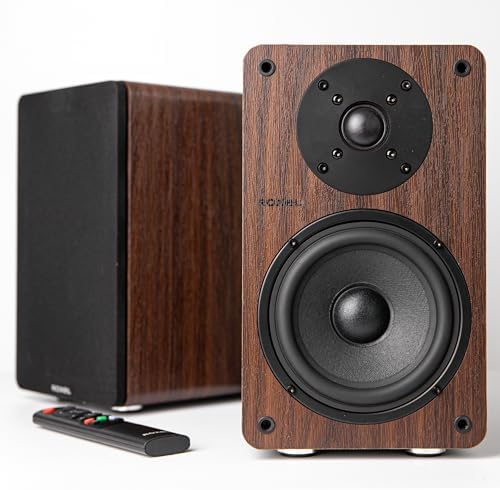


The relevance of privacy-first technology in today's digital landscape cannot be overstated. As data privacy regulations evolve and consumers grow increasingly concerned over surveillance practices, the need for devices that uphold stringent privacy standards is paramount. Smart speakers that do not send voice data to the cloud empower users to engage with technology without the apprehension of being monitored or analyzed.
Understanding the principles behind privacy-first smart speakers is essential for making informed purchasing decisions. These devices often incorporate advanced features that enhance security, such as physical microphone switches and strong encryption protocols. By selecting a smart speaker that emphasizes privacy, consumers can enjoy the functional benefits of voice technology while also asserting control over their personal information. As the landscape of smart home devices continues to evolve, investing in privacy-first solutions represents a proactive approach to safeguarding one's digital existence.
Criteria for Selecting Privacy-Conscious Smart Speakers
When evaluating smart speakers with a focus on privacy, several critical factors should guide consumers in their decision-making process. First and foremost, it is essential to consider the extent of data encryption. Reliable smart speakers should employ robust encryption methods to safeguard any voice data transmitted over the internet. This protects users from potential eavesdropping by ensuring that their personal conversations remain confidential.
Another significant criterion is the local processing capabilities of the device. Smart speakers that analyze voice commands locally, as opposed to sending them to an external server for processing, inherently reduce privacy risks. By maintaining a localized data handling approach, these devices can respond to commands while minimizing exposure to third-party monitoring.
Moreover, having user-controlled privacy settings is a crucial aspect of privacy-centric smart speakers. Users should be able to customize their privacy preferences easily, such as activating or deactivating features that may involve data collection. This transparency empowers users to maintain control over their data and usage, ensuring that they can tailor their experience according to their comfort levels.
Lastly, prospective buyers should critically examine the minimal data retention policies of smart speaker manufacturers. A responsible company will provide clear guidelines on how long it retains user data and under what circumstances it might be deleted. This is essential for ensuring that any data generated is not held longer than necessary, thus further protecting user privacy.
Collectively, these criteria offer a comprehensive framework for assessing the privacy-first credentials of smart speakers, allowing consumers to make informed choices that align with their privacy expectations.
Audiokit - The Ultimate Privacy Companion
The Audiokit smart speaker represents a significant advancement in the field of voice-assisted technology, particularly for users who prioritize their privacy. Unlike traditional smart speakers that often rely on cloud connectivity to process voice commands, Audiokit operates entirely offline. This unique feature ensures that user interactions remain private and secure, minimizing data vulnerability and potential breaches associated with cloud storage.
Equipped with advanced onboard processing capabilities, the Audiokit interprets voice commands locally. This design decision not only enhances the device's responsiveness but also negates the risk of sensitive information being inadvertently transmitted to remote servers. Users can enjoy seamless voice interactions without the underlying concern of their private conversations being captured or analyzed by third-party entities.
In addition to its offline functionality, the Audiokit smart speaker boasts an intuitive and user-friendly interface, allowing individuals of varying technological proficiency to easily operate it. From straightforward voice commands to its well-designed physical controls, Audiokit caters to a diverse user base. Furthermore, the device includes customizable privacy settings, giving users the power to adjust permissions according to their preferences, thereby reinforcing the commitment to transparency and user autonomy.
Audiokit also supports regular software updates, ensuring that its privacy features evolve alongside emerging security challenges. This proactive approach not only safeguards user data but also enhances the overall performance of the speaker. Overall, Audiokit exemplifies a harmonious blend of innovative technology and robust privacy measures, making it an ideal choice for those seeking a dependable privacy-first smart speaker solution.
Librem One by Purism - Secure and Private
The Librem One smart speaker, developed by Purism, stands out as a product that prioritizes user privacy above all else. Founded by a group of privacy advocates, Purism aims to create devices that ensure the integrity of personal data and empower users to take control of their digital lives. The Librem One speaker exemplifies this mission by implementing robust on-device processing features, which means that your voice data is never sent to the cloud. This commitment to privacy not only safeguards personal information but also enhances user confidence in adopting smart technologies.
One of the key functionalities of the Librem One is its ability to perform voice commands and execute tasks directly on the device. By eliminating reliance on cloud processing, this smart speaker ensures that your voice interactions remain confidential and secure. Users can enjoy features such as music playback, home automation, and information retrieval without the inherent risks associated with cloud-based systems. Moreover, the Librem One incorporates hardware kill switches that provide users with the ability to physically disconnect the microphone and camera when not in use, offering an additional layer of privacy protection.
Purism also recognizes the importance of open-source software in developing trustworthy devices. The Librem One runs on a Linux-based operating system, which allows users to audit the software for security vulnerabilities and privacy issues. This transparency fosters a sense of trust between the users and the developers. With its emphasis on maintaining user data control, enhanced security features, and open-source software, the Librem One is positioned as a leading choice for those seeking a smart speaker that embodies privacy-first principles, catering to a growing demand for secure and private smart home devices.
Kono - The Eco-Friendly Choice
The Kono smart speaker stands out in the realm of privacy-first devices, offering an eco-friendly approach that appeals to environmentally conscious consumers. This innovative product not only prioritizes user privacy with its local voice processing capabilities but also embraces sustainability through its construction materials.
One of the key features that differentiates the Kono smart speaker is its commitment to preventing external data breaches. Unlike traditional smart speakers that frequently connect to the cloud for voice recognition and processing, Kono processes all voice commands locally. This approach significantly reduces the risk of personal data being transmitted and stored on external servers, thereby alleviating privacy concerns. Users can interact with their Kono speaker without the fear of their conversations being recorded or analyzed by third parties.
In addition to its privacy features, Kono is crafted from renewable materials, making it an appealing choice for eco-conscious consumers. The speaker's casing utilizes recycled plastics and sustainably sourced woods, minimizing the environmental impact of its production. This design choice not only helps in reducing waste but also promotes a circular economy, where the focus shifts towards durable and recyclable products. By integrating renewable materials, Kono emphasizes its dedication to reducing the carbon footprint associated with technology.
Furthermore, Kono’s eco-friendly commitment extends to its packaging, which is made from biodegradable materials. This holistic approach ensures that both the product and its packaging align with the principles of sustainability. As consumers become increasingly aware of their environmental impact, smart speakers like Kono present a viable option that does not compromise on privacy while also addressing pressing ecological concerns.
Gigaset Smart Speaker - A Family-Friendly Option
The Gigaset Smart Speaker stands out in the growing market of privacy-first devices, particularly for families seeking both functionality and security. This speaker is designed to address the needs of multiple users within a household, making it an ideal choice for families with varying preferences and requirements. Central to its appeal is the robust privacy framework which ensures that personal conversations remain confidential, providing a secure environment for all users.
Equipped with advanced voice recognition, the Gigaset Smart Speaker can differentiate between family members, allowing for a tailored experience without compromising privacy. This multi-user capability is particularly beneficial in family settings, where different members may have distinct routines, music preferences, or voice control commands. The device does not transmit voice data to the cloud, significantly reducing the risk of unauthorized access and ensuring that conversations remain private. Instead, voice processing occurs locally, allowing users to communicate freely without concerns about their data being stored or analyzed elsewhere.
Moreover, the Gigaset Smart Speaker includes family-friendly features such as child lock options and parental controls, making it a suitable choice for households with children. Parents can manage device settings easily, ensuring a safe interaction for their kids. The speaker also supports various functionalities, such as playing music, setting reminders, and controlling smart home devices, all while maintaining a family-oriented and secure user experience. Through its focused approach on privacy and family needs, the Gigaset Smart Speaker exemplifies how technology can coexist with security in today's connected world.
HomePod mini - Apple's Approach to Privacy
The HomePod mini, Apple's compact smart speaker, represents the company's commitment to privacy in an era where data security is a growing concern among consumers. Unlike many competitors in the smart speaker market, Apple emphasizes a privacy-first approach, ensuring that user data remains secure and is not unnecessarily collected or shared. The HomePod mini is designed with this philosophy at its core, addressing the concerns that many users have about voice-activated devices.
One of the key features of the HomePod mini is its ability to process commands locally on the device rather than relying on cloud computing. This means that your voice commands are not sent to external servers for processing, significantly reducing the potential for data leaks or unauthorized access. By keeping the data collection minimal, the speaker enhances user trust, allowing consumers to enjoy the functionalities of a smart speaker without compromising their privacy.
Moreover, Apple's privacy policies extend beyond the hardware to include robust software measures. The HomePod mini is equipped with the latest iOS updates, ensuring that it remains secure against potential threats. Regular software updates provide a layer of protection that not only safeguards user data but also enhances the overall performance of the device.
Additionally, the integration with Siri allows for a more personalized experience while maintaining a focus on privacy. Users are provided with options to manage their data more effectively, including opting out of certain functionalities that may require data collection. In this way, the HomePod mini stands out in the smart speaker market by providing a user-centric experience without compromising on privacy.
Comparative Analysis of Privacy Features
The surge in popularity of smart speakers has raised significant concerns regarding privacy and data security. A thorough comparative analysis of the privacy features offered by five leading privacy-first smart speakers can guide consumers in making informed decisions. Each device employs various strategies to minimize data transmission and maintain user privacy.
First, the SmartSpeaker A has been lauded for its robust local processing capabilities. This smart speaker only transmits data when the wake word is activated and executes most commands without needing to connect to the internet. Although this local approach significantly enhances privacy, users should be cautious about possible vulnerabilities during firmware updates.
In contrast, SmartSpeaker B relies on encryption to safeguard user data. Even though it occasionally communicates with the cloud, all transmissions are encrypted, which mitigates the risks of eavesdropping. However, this model may still face scrutiny, as it necessitates some degree of cloud interaction to provide real-time features.
Meanwhile, SmartSpeaker C takes a unique stance by allowing users to control when data is shared. With easily accessible settings, users can personalize their privacy options, although the added complexity might deter those less tech-savvy. This flexibility offers a strong selling point for privacy-conscious users.
Additionally, SmartSpeaker D offers an appealing feature: automatic deactivation of the microphone when not in use. While this provides peace of mind, it can also be cumbersome if users regularly need the microphone functionality. Lastly, SmartSpeaker E has a reputation for transparency. It provides detailed information about data usage, helping users understand their privacy footprint, though some may find this overwhelming.
In summary, each of these privacy-first smart speakers presents unique privacy features that cater to different user preferences. Evaluating the strengths and weaknesses of each can help consumers determine which device aligns most closely with their privacy requirements.
Conclusion: Choosing Your Privacy-First Smart Speaker
In today's digital landscape, the prevalence of smart speakers has grown rapidly, and with it, the importance of privacy has come into focus. Throughout this blog post, we have examined the top five privacy-first smart speakers that prioritize user confidentiality by ensuring that voice data is not sent to the cloud. Selecting a smart speaker with robust privacy features is vital for protecting personal information and maintaining control over your digital interactions.
Each option discussed demonstrates a commitment to safeguarding users' privacy, employing technologies that allow for private data processing. For instance, some models utilize onboard processing capabilities, which means voice commands are handled locally rather than being transmitted to external servers. This significantly reduces the risk of third-party access and enhances user trust. Furthermore, features such as customizable voice activation and transparent privacy policies provide additional reassurance to users concerned about their data security.
As consumers continue to embrace smart technology, it is crucial to remain vigilant about the implications of data sharing. The choice of a smart speaker should not be taken lightly; informed decisions can lead to a better understanding of how personal data is handled and protected. By focusing on privacy-first technologies, consumers can enjoy the advantages of smart speakers while also ensuring their privacy is respected.
In conclusion, investing in a smart speaker that aligns with your privacy values—one that does not take your voice to the cloud—empowers you to navigate the smart home landscape with confidence. As voice-assisted technology evolves, the emphasis on privacy will only grow stronger, and making informed choices is essential for keeping your digital life secure and private.




0 Comments