Introduction to AI and Stress Management
The integration of artificial intelligence (AI) into health tracking represents a significant advancement in personal well-being management, particularly in the realm of stress reduction. As stress has become a prevalent issue affecting individuals across various demographics, the necessity for effective management tools has surged. AI health trackers leverage sophisticated algorithms to analyze a multitude of data points collected from users, thereby providing real-time insights into stress levels before individuals may fully recognize their own discomfort.
These advanced systems monitor physiological signals such as heart rate variability, sleep patterns, and even skin temperature, which can fluctuate in response to emotional states. By synthesizing this data, AI health trackers can predict potential stress spikes, offering valuable foresight that traditional methods lack. The ability to assess behavioral patterns is equally crucial; AI can evaluate factors like activity levels, social interactions, and environmental influences that contribute to overall emotional health.
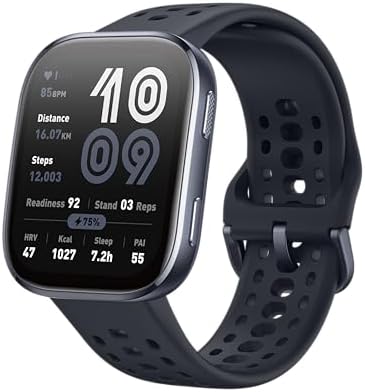
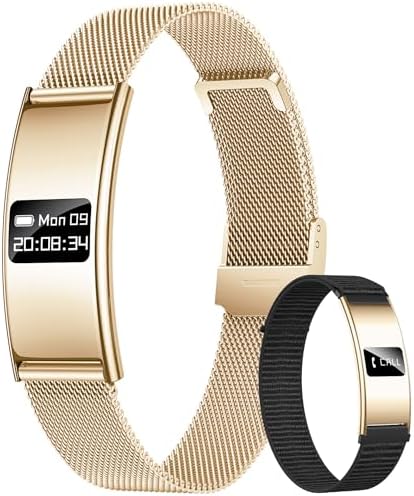


The importance of this technology in stress management cannot be overstated. As individuals become increasingly aware of their mental health, the demand for AI-driven solutions that promote proactive measures continues to rise. These tools encourage users to engage in mindfulness activities or adjust their daily routines in response to early warning signals of stress. With ongoing research and development, the capabilities of AI in predicting and managing stress levels are only expected to improve, making it an essential ally in the pursuit of well-being.
Understanding Stress and Its Impact on Health
Stress is a natural response of the body to perceived threats or challenges, often referred to as the "fight or flight" response. It triggers a series of physiological changes that prepare an individual to either confront or flee from the source of danger. While short-term stress can serve as a motivator, chronic stress can significantly impact both mental and physical health, leading to various health issues.
When the body is subjected to prolonged stress, it releases stress hormones such as cortisol and adrenaline. These hormones can alter bodily functions and lead to increased heart rate, elevated blood pressure, and changes in immune response. Over time, persistent stress can contribute to more severe conditions such as anxiety, depression, cardiovascular diseases, and impaired cognitive performance. Additionally, stress can manifest physically through various symptoms like headaches, digestive issues, and sleep disturbances.
The importance of managing stress cannot be overstated. Effective stress management strategies can enhance overall well-being, improve mental clarity, and promote emotional stability. Recognizing the early signs of stress is crucial for timely intervention. Common signs may include irritability, fatigue, changes in appetite, and difficulty concentrating. Developing awareness of these symptoms can lead to better management strategies, allowing individuals to take proactive measures before stress accumulates to a severe level.
Techniques such as mindfulness, regular physical activity, and healthy eating are known to mitigate stress levels effectively. Furthermore, seeking support through social connections or professional counseling can provide additional benefits. The integration of AI health trackers can play a significant role in stress management by offering insights into stress patterns, enabling individuals to address their stress before it escalates.
Criteria for Selecting AI Health Trackers
When evaluating AI health trackers designed to predict stress levels, several key criteria must be considered to ensure that users select a tool that meets their needs effectively. The first criterion is the accuracy of stress prediction. This is crucial, as the primary function of these trackers is to anticipate stress events before they manifest. A tracker that utilizes advanced algorithms and machine learning techniques can provide more reliable predictions, aiding users in managing their stress proactively.
Another important criterion is the range of features offered by the health tracker. Beyond stress prediction, many trackers provide additional functionalities, such as heart rate monitoring, sleep analysis, and activity tracking. A comprehensive feature set allows users to gain deeper insights into their overall health, making the tracker not only a stress management tool but also a holistic health companion.
User-friendliness is also critical when choosing an AI health tracker. An intuitive interface enhances the user experience, allowing individuals to access information easily and interpret their stress levels without requiring extensive technical knowledge. Ensuring that the device is straightforward to navigate can significantly affect its effectiveness in day-to-day usage.
Integration capabilities with other health applications further enhance the value of an AI health tracker. The ability to sync with popular health apps allows users to gather comprehensive health data in one location, providing a more complete picture of their wellness. This interoperability is essential for maximizing the usefulness of health tracking tools.
Lastly, customer reviews play a crucial role in the selection process. Feedback from actual users can provide insights into the practical effectiveness of the trackers, revealing strengths and weaknesses that may not be evident from marketing materials alone. By carefully considering these criteria—accuracy, range of features, user-friendliness, integration, and customer feedback—individuals can make informed decisions when selecting an AI health tracker to manage their stress effectively.
Tracker 1: AI Health Tracker A
AI Health Tracker A stands out as a pioneering device designed to predict stress levels before users even begin to feel them. Utilizing advanced biometric sensors and machine learning algorithms, this innovative tracker continuously monitors various physiological parameters, including heart rate variability, skin temperature, and even galvanic skin response. Through a combination of these metrics, the device creates a comprehensive profile of the user's stress levels, serving as an early warning system.
One of the hallmark features of AI Health Tracker A is its unique ability to learn from individual user data over time. As the device collects more information about a user’s daily activities, sleep patterns, and stress responses, it refines its predictions, resulting in tailored insights delivered directly to the user. This personalization enhances the overall user experience, making it not only a tool for monitoring stress but also a significant aid in stress management. Users can receive actionable recommendations, such as breathing exercises, meditation prompts, or suggestions to take short breaks throughout the day.
Scientific studies validate the effectiveness of the technology behind AI Health Tracker A. Research has demonstrated that factors, such as decreased heart rate variability, correlate strongly with increased stress levels. User testimonials echo these findings, as many have reported a heightened sense of awareness regarding their stress patterns and improved well-being after using the tracker. The device not only provides predictive alerts but also empowers users to adopt healthier lifestyle habits that can mitigate stress over time.
In summary, AI Health Tracker A represents a significant advancement in the realm of health technology, seamlessly combining data analytics with practical applications. Its capacity to predict stress levels before they manifest helps users maintain better emotional balance and fosters a proactive approach to health management.
Tracker 2: AI Health Tracker B
AI Health Tracker B has gained recognition in the competitive market of wearable health technology, particularly due to its advanced capabilities in predicting stress levels before users are consciously aware of them. With a sleek and ergonomic design, Tracker B emphasizes user comfort, making it suitable for all-day wear.</p>
The primary functionality of AI Health Tracker B hinges on its innovative algorithms, which analyze biometric data, including heart rate variability, sleep patterns, and activity levels. This holistic approach allows the device to detect fluctuations in the user's physiological state, indicating stress levels before they manifest in noticeable ways. Compared to Tracker A, which primarily focuses on heart rate monitoring, Tracker B provides a multifaceted assessment of user health, integrating various inputs for a comprehensive understanding of stress triggers.</p>
A key feature of Tracker B is its real-time feedback mechanism, which offers personalized insights through a user-friendly app. This app not only tracks stress levels but also provides tailored recommendations for managing stress through mindfulness techniques, breathing exercises, and even suggested breaks during the workday. Such an interactive approach helps users cultivate healthier habits to mitigate stress effectively. /p>
Moreover, Tracker B stands out with its compatibility across various platforms, which facilitates seamless integration into daily routines. Users can sync their device with popular health applications to aggregate data, thus expanding their awareness of physical and mental health correlations. This feature underscores Tracker B's commitment to enhancing overall well-being in a connected world. </p>
In a comparison with Tracker A, which, while effective, may lack the depth of analysis provided by Tracker B, the latter emerges as a superior choice for those seeking a comprehensive tool for stress management. Its multifaceted approach, combined with user-friendly technology, positions AI Health Tracker B as an essential device for monitoring and managing stress levels proactively.
AI Health Tracker C: An Overview
AI Health Tracker C is a sophisticated tool designed to accurately predict stress levels before they manifest through various bodily signals. Utilizing advanced algorithms, this tracker monitors multiple physiological parameters, including heart rate variability, sleep patterns, and activity levels. By analyzing these metrics in real time, AI Health Tracker C can identify subtle changes in the body that may indicate increasing stress levels, allowing users to take proactive measures to manage their mental well-being.
Predictive Algorithms
The predictive capabilities of AI Health Tracker C rely heavily on machine learning algorithms that are continuously refined through user data. These algorithms assess historical patterns in each individual's physiological responses, learning to distinguish between normal variations and stress indicators. With a focus on personalized data, the tracker enhances its predictions over time, adapting to the unique stress triggers of each user. Such advancements in AI enable a level of accuracy that traditional health tracking methods simply cannot match.
User Interface and Integration
The user interface of AI Health Tracker C is designed with user engagement in mind. It offers a clean, intuitive layout that facilitates easy navigation through various features. Users can effortlessly monitor their stress levels through visual graphs and receive real-time feedback on their physiological data. Additionally, AI Health Tracker C seamlessly integrates with other health monitoring tools and platforms, such as sleep apps and fitness wearables, consolidating all health-related information in one accessible location. This integration helps users make informed decisions about their health and adopt preventive measures against stress before it escalates.
Conclusion
AI Health Tracker C offers a compelling blend of advanced predictive technology and user-centered design, making it a valuable resource for individuals seeking to manage their stress levels effectively.
Tracker 4: AI Health Tracker D
The fourth AI health tracker, referred to here as AI Health Tracker D, stands out for its advanced algorithms that prioritize user engagement in managing stress levels. This tracker incorporates a unique combination of biometric sensors and machine learning techniques which allow it to monitor physiological indicators such as heart rate variability, sleep patterns, and even skin temperature. By analyzing these metrics, AI Health Tracker D can predict potential stress triggers, offering users valuable insights before they consciously experience symptoms of stress.
This innovative technology enables users to receive personalized recommendations tailored to their physiological responses. For instance, if the tracker detects an increase in heart rate variability or changes in sleep quality, it may suggest mindfulness exercises or breathing techniques to help mitigate stress before it escalates. The intuitive design of the application further enhances user experience; interactive alerts and insightful notifications remind users to engage in stress-reducing activities throughout their day. Such proactive interventions contribute significantly to stress management and overall well-being.
Moreover, AI Health Tracker D excels not only in its predictive capability but also in its educational resources. The tracker includes a variety of articles, podcasts, and tutorials focused on stress management strategies. Users can learn about the physiological effects of stress and how lifestyle choices can influence their mental well-being. This holistic approach empowers individuals to take control of their health by understanding the underlying factors that contribute to their stress levels.
In essence, AI Health Tracker D represents a comprehensive tool that adapts to the user’s needs, making it an invaluable asset for predicting stress and promoting effective management strategies. Its user-centered design and informative content help users not only to anticipate stress but also to develop resilience and improve their quality of life.
Tracker 5: AI Health Tracker E
AI Health Tracker E stands out in the competitive landscape of health monitoring devices, bringing innovative features to the forefront in assessing and predicting stress levels. Unlike many conventional trackers, AI Health Tracker E incorporates advanced algorithms and machine learning capabilities, which enable it to analyze a wide range of biometric data effectively. This analysis includes physiological indicators such as heart rate variability, skin temperature, and sleep patterns, which are critical in forecasting stress.
One of the standout strengths of AI Health Tracker E is its intuitive user interface, designed to facilitate seamless interaction. Users can easily navigate through various functionalities to access real-time data, aimed at enhancing overall usability. Furthermore, the companion mobile application is equally sophisticated, allowing users to set personalized stress management goals. This feature ensures that while the tracker provides alerts for potential stress, users can also adopt proactive measures tailored to their specific needs.
Additionally, AI Health Tracker E employs multi-faceted alert systems to notify users before they experience significant stress. By analyzing trends and deviations in their physiological data, it is equipped to send timely alerts, which can help users engage in relaxation techniques or mindfulness practices. This predictive capability sets it apart from previous trackers, which primarily alert users only after stress levels begin to escalate. Therefore, with AI Health Tracker E, users benefit from an advanced wellness tool that not only monitors stress but also empowers them to manage it effectively.
In comparison with earlier trackers reviewed in this post, AI Health Tracker E integrates advanced predictive analytics more adeptly, making it a valuable addition to any health-conscious individual's toolkit. The emphasis on user experience, combined with its robust alerting features, positions this device as a leader in preventive health monitoring solutions.
Conclusion: The Future of Stress Prediction and Management
The integration of artificial intelligence (AI) in health tracking is revolutionizing how individuals monitor and manage their well-being, particularly in identifying and predicting stress levels. As we have discussed, these advanced health trackers can analyze various physiological signals and behavioral patterns, offering real-time insights into one’s stress state. This capability not only enhances personal awareness but also empowers users to take proactive measures in mitigating stress before it escalates into a more severe issue.
Looking ahead, the future of AI-driven stress management tools holds immense promise. Ongoing advancements in machine learning algorithms and wearable technology are likely to facilitate even more accurate predictions of stress levels. These innovations can contribute to a more personalized health tracking experience, where users receive tailored recommendations based on their specific stress triggers. Such adaptive measures can include guided breathing exercises, mindfulness practices, or alerts to take breaks, thereby promoting a more balanced lifestyle.
Furthermore, the integration of AI health tracking within broader health management systems could create a more holistic approach to wellness. As healthcare practitioners increasingly adopt these technologies, they can offer more informed guidance based on real-time data, improving both preventative measures and interventions for stress-related concerns. AI’s role in this landscape can potentially reduce the prevalence of stress-related health challenges, enhancing overall public health.
In conclusion, the future of stress prediction and management through AI health trackers is incredibly promising. By harnessing the power of technology, users can improve their awareness and strategies regarding stress, leading to healthier, more empowered lifestyles.




0 Comments