Introduction to Budget AI Vacuums
In recent years, artificial intelligence (AI) has significantly transformed household cleaning appliances, especially robotic vacuums. Initially, these devices were basic, equipped primarily with sensors that could rarely navigate around furniture without human intervention. However, advancements in AI technology have led to the development of vacuum cleaners that can not only clean efficiently but also expertly avoid obstacles, making them an essential tool for modern homes.
Budget AI vacuums have emerged as a popular option for consumers looking to leverage cutting-edge technology without splurging on high-end models. These vacuums are designed to provide a robust performance while maintaining affordability. With their advanced obstacle avoidance systems, they are equipped to detect and maneuver around furniture, pets, and other potential barriers within the home. This level of navigation capability was previously reserved for more expensive models, marking a significant shift towards accessibility.

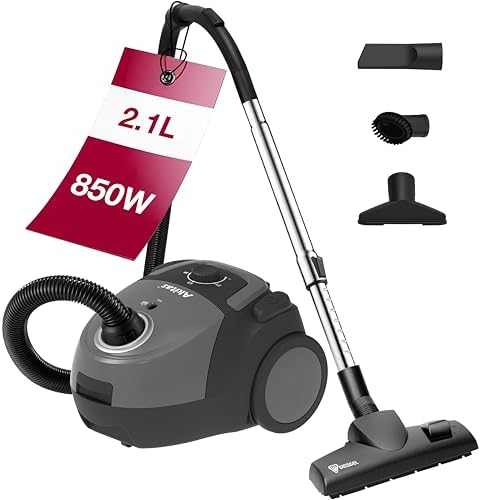
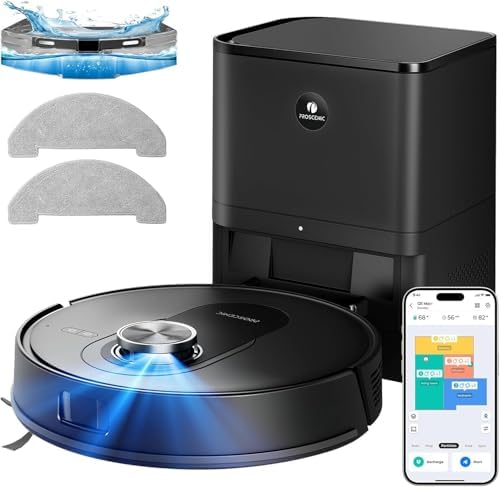

One of the primary advantages of investing in a budget-friendly AI vacuum is that it does not compromise on performance. These models come with sophisticated sensors and mapping technologies that ensure a thorough clean while navigating around obstacles efficiently. This means that consumers can achieve a clean home without the need for constant supervision, allowing for greater convenience in daily chores. Furthermore, budget AI vacuums are becoming increasingly user-friendly, integrating seamlessly with mobile apps and smart home systems, adding to their appeal.
Overall, budget AI vacuums represent a practical choice for homeowners eager to adopt innovative cleaning solutions while managing household expenses. With the promise of high performance and advanced navigation capabilities, they stand as a competitive alternative to their flagship counterparts, catering to a diverse range of cleaning needs.
What is Obstacle Avoidance Technology?
Obstacle avoidance technology refers to a set of advanced systems integrated into robotic vacuums, enabling them to navigate complex home environments with ease. This technology is crucial because it allows the vacuums to detect and maneuver around various obstacles, such as furniture, pets, and toys, effectively preventing damage and operational interruptions. Without such capabilities, a vacuum could easily become trapped or cause collateral damage, leading to a frustrating user experience.
At the heart of obstacle avoidance technology are various sensors and algorithms that work together to ensure efficient navigation. Infrared sensors, ultrasonic sensors, and LiDAR (Light Detection and Ranging) units are among the most common hardware components employed in robotic vacuums. These tools help the device to gauge distances, detect nearby objects, and create mental maps of the area to optimize cleaning paths. With continuous feedback, the vacuum can adjust its movements dynamically, ensuring that it steers clear of any obstructions that may impede its cleaning process.
In addition to hardware, sophisticated software algorithms play a pivotal role in obstacle avoidance. These algorithms interpret the data gathered by the sensors, determining the best course of action to avoid potential collisions. For instance, some robotic vacuums utilize machine learning techniques, allowing them to improve their navigation patterns over time by learning from past experiences. This self-improvement leads to more refined performance, particularly in environments filled with unpredictable barriers.
Why Choose a Budget-Friendly Model?
As consumers become increasingly aware of the range of options available in the vacuum cleaner market, many are turning their attention to budget-friendly models. These models offer a significant advantage in terms of cost-effectiveness, enabling consumers to save money while still achieving essential cleaning functionalities. Budget AI vacuums, in particular, demonstrate that consumers do not have to compromise on automatic performance or obstacle avoidance technology that was once the hallmark of premium devices.
The economic benefits of budget models extend beyond the initial purchase price; they often require lower maintenance costs and enjoy extended lifespans due to simpler designs. Many consumers find that opting for a budget AI vacuum allows them to allocate their resources to other critical areas, ensuring they are not overspending on household essentials. With savvy shopping, buyers can reap the benefits of advanced capabilities previously found only in high-priced offerings.
One of the primary attractions of budget-friendly AI vacuums is their ability to incorporate features that cater to the average consumer's needs. Features like efficient obstacle avoidance, smart mapping, and user-friendly controls have been integrated into more affordable models, providing high-quality performance without the hefty price tag. This encompasses versatility and ease of use, making these models appropriate for various living situations, from small apartments to larger family homes.
Overall, selecting a budget-friendly model presents an attractive option for consumers seeking to balance price with performance. These models not only fulfill the core cleaning requirements but also offer advanced features that enhance their functionality. The developing technology landscape indicates that even those with limited budgets can access top-tier performance attributes, making budget AI vacuums a compelling choice for modern households.
Criteria for Selecting the Top AI Vacuums
When evaluating budget AI vacuums, several key criteria emerge as essential for determining their effectiveness and suitability for consumers. The cornerstone of any high-performing AI vacuum is its obstacle avoidance capability. Advanced models utilize sensors and sophisticated algorithms to navigate around furniture and other obstacles seamlessly, minimizing damage and enhancing cleaning efficiency. The efficiency of such obstacle avoidance technologies is critical, given that it directly influences the robot's ability to cover the entire cleaning area without interruptions.
Another critical factor to consider is suction power. A vacuum's ability to pick up dust, debris, and pet hair is paramount, particularly for households with pets or high foot traffic. While many budget models aim to maintain a balance between cost and performance, robust suction power remains a pivotal attribute. This ensures that the vacuum can perform effectively across a variety of surfaces, from carpets to hardwood floors, without compromising on cleaning quality.
Battery life also plays an important role in the selection of AI vacuums. An extended battery life allows for longer cleaning sessions and ensures the vacuum can cover larger areas on a single charge. Users should look for models that recharge efficiently and can resume cleaning without user intervention, a feature indicative of high-end technology among budget options.
The user interface, encompassing factors like mobile app capabilities and ease of operation, significantly affects the overall user experience. Models with intuitive interfaces simplify scheduling and monitoring cleaning sessions, making them more user-friendly. Lastly, value for money remains a quintessential criterion; consumers often seek the best combination of features at a reasonable price point, ensuring they receive adequate performance without overspending. Integrating these criteria helps users identify the best budget AI vacuum that meets their cleaning needs effectively.
Overview of the Top 3 Budget AI Vacuums
In an era where automation and technology have transformed home cleaning, several budget-friendly AI vacuums have emerged as strong contenders for effective obstacle avoidance capabilities. This section provides an overview of three such models that not only offer affordability but also incorporate advanced technology to navigate through challenging environments smoothly.
The first model on our list is the ApexClean 3000. This vacuum features sophisticated obstacle detection sensors, allowing it to identify and maneuver around common household items such as furniture and pet toys. Its smart mapping capabilities enable it to create an efficient cleaning path, ensuring no area is overlooked. Additionally, the ApexClean 3000 comes with a long-lasting battery, ensuring extended cleaning sessions without interruptions.
Next is the RoboSweep Pro. Renowned for its user-friendly app integration, this model allows users to schedule cleanings and monitor real-time progress. The RoboSweep Pro boasts an advanced collision prevention system that effectively reduces bumps and scrapes, protecting your furniture and walls. Its compact design allows it to access tight spaces easily, making it ideal for apartments or homes with constrained layouts.
Lastly, we have the SmartVac 100. This model stands out for its affordability while still providing remarkable obstacle avoidance technology. It uses a combination of infrared and visual sensors to navigate around obstacles effectively. The SmartVac 100 also features a dust detection mode, which focuses on high-traffic areas that require more frequent attention. Its low profile allows it to clean under low-clearance furniture, ensuring comprehensive coverage.
These three budget AI vacuums represent a perfect blend of advanced features and affordability, making them suitable options for anyone looking to integrate effective cleaning technology into their home.
Detailed Review of Vacuum 1
The first vacuum model in our budget-friendly lineup is the SmartClean 3000, an advanced robotic vacuum recognized for its impressive obstacle avoidance capabilities. Designed for efficient cleaning, this model integrates state-of-the-art echolocation technology that enables it to navigate around furniture and other objects with remarkable precision.
Specifications of the SmartClean 3000 include a powerful motor with a suction capacity of 2500 Pa, which ensures that pet hair, dust, and debris are effectively picked up from various floor types, including carpets and hardwood. The vacuum's battery life provides up to 120 minutes of continuous cleaning, allowing it to cover large areas without necessitating frequent recharges. Moreover, it supports a smart app connection that permits users to set schedules, adjust suction power, and even view cleaning history, making it a versatile option for anyone seeking convenience.
What sets the SmartClean 3000 apart from its competitors is its exceptional obstacle avoidance system. Utilizing a series of infrared sensors, the vacuum can detect furniture, stairs, and other obstacles with ease, significantly reducing the chances of collisions or falls. Users have praised its ability to maneuver seamlessly around the home, often noting that it continues to operate efficiently without getting stuck on cords or low-hanging furniture. This feature not only enhances safety but also ensures that cleaning is thorough and uninterrupted.
According to expert reviews, the SmartClean 3000 consistently ranks high for its user-friendly design and strong performance. Feedback from customers reflects satisfaction with its cleaning efficiency, noting that it often exceeds expectations in maintaining a tidy environment. In summary, the SmartClean 3000 exemplifies how advanced technology can be integrated into budget-friendly solutions, making it a worthy consideration for anyone looking for a reliable robotic vacuum with flagship-level obstacle avoidance capabilities.
Detailed Review of Vacuum 2
The Vacuum 2 model has emerged as a top contender in the competitive landscape of budget-friendly robotic vacuums, particularly due to its effective obstacle avoidance capabilities. This model combines affordability with features typically reserved for flagship devices, making it an attractive option for cost-conscious consumers seeking smart home solutions.
Equipped with advanced sensors, the Vacuum 2 is designed to navigate complex environments effortlessly. Its obstacle detection technology utilizes a combination of infrared sensors and a 360-degree laser navigation system. This enables the vacuum to identify and avoid furniture, stairs, and other potential hazards within its path. Reviews from both users and experts highlight that its agility and precision in maneuvering around obstacles distinguish it from other budget vacuums.
The performance of the Vacuum 2 also shines in its suction power and cleaning modes. It features multiple suction settings, allowing users to tailor the cleaning experience based on surface type and level of dirt. Its high-efficiency particulate air (HEPA) filter ensures that pet owners and allergy sufferers benefit from improved air quality, capturing fine dust particles and allergens effectively.
Battery life is another aspect where the Vacuum 2 excels. It boasts a runtime of up to 120 minutes on a single charge, making it suitable for larger homes. Moreover, its self-docking capabilities ensure that it returns to its charging station automatically when the battery is low, readying itself for the next cleaning session.
Overall, the Vacuum 2 has received favorable reviews, with users praising its obstacle avoidance feature, ease of use, and strong cleaning performance. As a result, it is an excellent choice for those who require a reliable vacuum cleaner that combines robust technology with an accessible price point.
Detailed Review of Vacuum 3
The Vacuum 3 model stands out in the competitive landscape of budget AI vacuums, particularly due to its advanced obstacle avoidance technology. Equipped with a sophisticated sensing system, this vacuum utilizes a combination of LiDAR and infrared sensors, allowing it to navigate around furniture and other obstacles effectively. This not only optimizes its cleaning route but also minimizes the likelihood of collisions, ensuring that both the device and household items remain unharmed during operation.
When examining the specifications, the Vacuum 3 comes with a powerful brushless motor that enhances suction capacity, making it suitable for various floor types, including carpets and hardwood surfaces. It also features a large dustbin capacity, allowing for extended cleaning sessions without frequent emptying. The battery life is commendable, with a runtime of up to 120 minutes per charge, which is adequate for most homes without requiring frequent recharges.
User experiences with Vacuum 3 have been largely positive. Customers frequently commend its ability to smoothly transition between different flooring surfaces while effectively avoiding common household obstacles. One user noted that its algorithm adjusted to changes in their home environment, improving its navigation after a few cleaning cycles. Feedback also highlights the vacuum's quiet operation—encouraging use during daytime hours without causing significant disruption.
When compared to its competition, Vacuum 3 often emerges favorably, particularly in the realm of obstacle avoidance. Many similar models tend to have less reliable navigation systems, leading to missed spots or damage to surrounding items. By integrating both user-friendly features and high-performance specifications, the Vacuum 3 consistently proves to be a top contender among budget AI vacuums, offering premium features at a more accessible price point.
Conclusion and Final Thoughts
In the modern home, the choice of an efficient vacuum cleaner is paramount for maintaining cleanliness and hygiene, yet budget constraints often influence consumer decisions. The three budget AI vacuums discussed not only offer advanced obstacle avoidance features, typically found in flagship models, but also cater to various user preferences and needs. When selecting an affordable vacuum, it's crucial to consider how these advanced technologies can streamline your cleaning routine while providing significant value.
Each model mentioned excels in navigating complex spaces, ensuring that obstacles such as furniture or stairs are effectively avoided. This capability alleviates the common concerns associated with traditional vacuuming methods, allowing users to focus on other tasks without compromising cleanliness. Importantly, while balancing features and price, consumers should assess their individual cleaning habits, home layout, and specific needs. This thoughtful evaluation will enable a more informed decision, leading to a satisfying purchase.
Ultimately, the ideal vacuum is not simply the one with the highest price tag but one that seamlessly integrates advanced technology within a budget-friendly framework. By considering models that successfully combine affordability with premium functionalities, consumers can enjoy an efficient cleaning experience that reflects their lifestyle. The three highlighted options serve as exemplary choices in the market, providing a benchmark for high performance without exorbitant costs. By selecting wisely, users will benefit from advanced obstacle avoidance and ensure their homes remain clean and inviting.



0 Comments