Introduction to Hydroponics
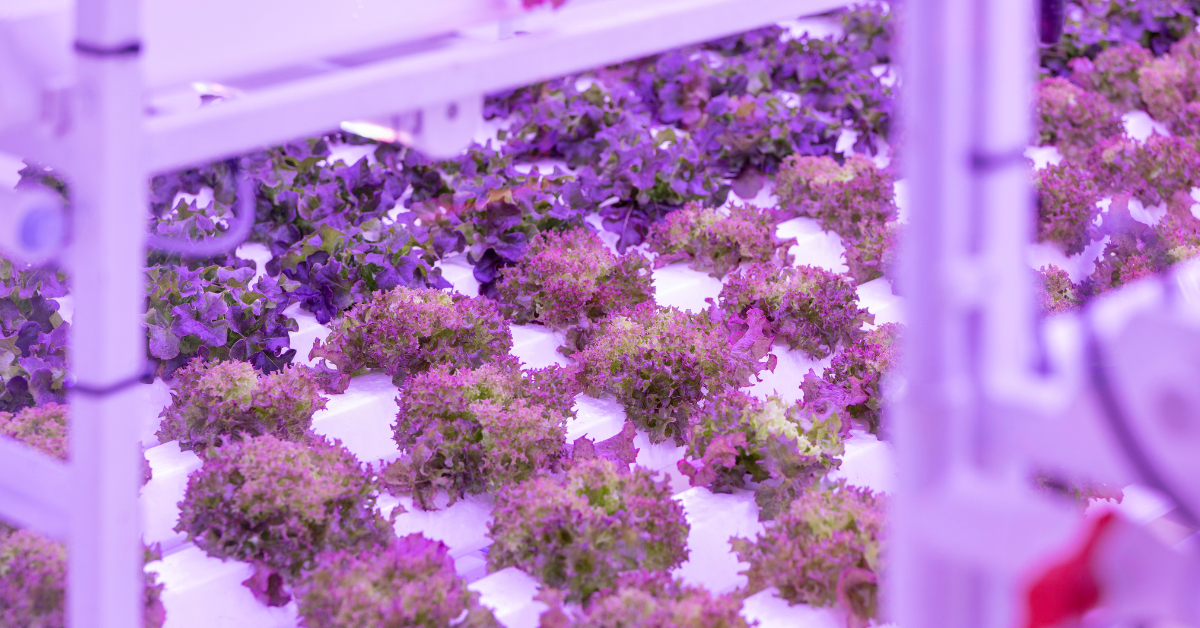
Hydroponics is an innovative method of growing plants without soil, using nutrient-rich water solutions instead. This soilless farming technique enables gardeners to cultivate vegetables and herbs indoors throughout the year, overcoming seasonal limitations posed by traditional outdoor gardening. The basic principle of hydroponics revolves around delivering essential nutrients directly to the plant roots via the water solution, ensuring optimal growth conditions.
One of the primary benefits of hydroponics is the efficient use of resources. Since water is recirculated within the system, hydroponics typically requires significantly less water compared to conventional soil-based farming. Additionally, by eliminating soil as a growth medium, the risk of soil-borne diseases is greatly reduced, allowing for healthier plants and increased yield potential. Indoor hydroponic systems also offer more precise control over growing conditions, including temperature, humidity, and nutrient levels, which can lead to faster growth and higher quality produce.
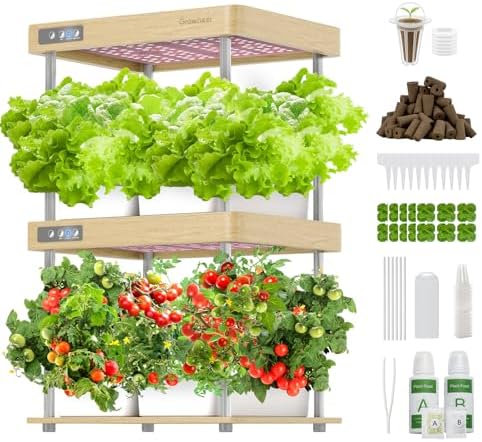
- HIGH-SPEED AND HIGH-YIELD - It provides three light duration options—12h, 14h, and 16h. The extended 16h option is ideal...
- DUAL-LAYER 4-ZONE INDEPENDENT CIRCULATION DESIGN - The system features four water tanks and silent pumps that enable aut...
- SIMPLE INSTALLATION AND OPERATION - The HydroEasy1.0 hydroponic planting kit features a simple design and comes equipped...
Key components of a hydroponic system include nutrient solutions, grow lights, and various growing mediums. Nutrient solutions provide the essential minerals and nutrients that plants require for growth. Grow lights simulate sunlight and are especially critical for indoor gardening, ensuring that plants receive adequate light for photosynthesis. There are various mediums used in hydroponic systems, such as rock wool, coconut coir, and clay pellets, each serving to anchor the plants while allowing for good aeration and drainage.
As home gardening becomes increasingly popular, hydroponics stands out for its ability to produce fresh vegetables year-round, making it an attractive option for urban gardeners and those with limited outdoor space. This modern agricultural approach not only promotes sustainability but also provides an opportunity for individuals to grow their own healthy food, irrespective of the season.
Benefits of Indoor Hydroponic Systems
Indoor hydroponic systems offer numerous advantages, making them increasingly popular among both hobbyists and commercial growers. One of the most significant benefits is the potential for increased yield. By utilizing hydroponics, plants can grow in nutrient-rich water rather than soil, which often leads to faster growth rates and greater overall production. Research suggests that hydroponically grown vegetables can yield up to 30% more than their traditionally grown counterparts, providing a compelling advantage for those looking to maximize their harvests.
Moreover, hydroponic systems allow for more efficient use of space. In standard gardening, the requirement for soil can lead to conventional garden setups that occupy significant acreage. In contrast, indoor hydroponics can be designed vertically or with multiple layers, significantly reducing the spatial footprint needed for vegetable gardening. This feature is particularly beneficial for urban dwellers with limited access to land, enabling them to cultivate fresh produce even in small apartments.
The ability to control environmental conditions is another critical factor in the effectiveness of hydroponics. Growers can easily regulate factors such as light, temperature, pH levels, and humidity to optimize plant development and health. These controllable elements ensure consistent crop production regardless of external weather changes or seasonal variations, thus providing a reliable source of fresh vegetables year-round.
Additionally, hydroponics contributes to sustainable agricultural practices. By minimizing water usage—potentially requiring up to 90% less compared to traditional agricultural methods—hydroponic systems help conserve this precious resource. Furthermore, they reduce the need for harmful pesticides and herbicides, fostering a more eco-friendly approach to food production. Ultimately, indoor hydroponic systems enhance food security by enabling the local production of vegetables, reducing reliance on transportation and storage, which can be a significant source of food spoilage. This modern approach ensures that fresh, nutritious produce is available throughout the year for consumers.

- 【High-performance pro-grow light】The inBloom indoor herb garden’s LED lights are made up of 76 24 watt LED bulbs that fu...
- 【Smart Hydroponics Growing System】Our smart hydroponics growing system make managing your plants easy - the low water le...
- 【Scientific Design】Our hydroponic growing system has a 4.2-liter water tank, providing enough space for the roots to exp...
Types of Hydroponic Systems
Hydroponic systems are innovative methods of growing plants in a soilless environment, utilizing mineral nutrient solutions in water. When considering indoor vegetable gardening, various types of hydroponic systems can be implemented, each with its unique components, advantages, and potential drawbacks.
One of the most common systems is the Deep Water Culture (DWC). In this setup, plants are suspended in net pots above a nutrient-rich oxygenated water reservoir. The benefits of DWC include rapid plant growth due to direct access to nutrients and oxygen. However, potential drawbacks include the requirement for constant aeration and the risk of root rot if oxygen levels drop significantly.
The Nutrient Film Technique (NFT) is another popular hydroponic method. In this system, a thin film of nutrient-rich water flows over the plant roots, which are supported by a sloped channel. This technique allows for efficient nutrient delivery and water use. However, NFT systems can be more sensitive to power outages, as the plants depend on a continuous flow of nutrients to thrive.
Aeroponics involves suspending the plants in air and misting their roots with nutrient solution. This method maximizes aeration and nutrient absorption, leading to explosive growth rates. Nonetheless, the complexity of the misting system can pose challenges, and the roots may require careful monitoring to prevent dehydration.
Finally, drip systems utilize a network of tubes to deliver nutrient solution directly to the base of each plant. This method is straightforward and allows for precise control over nutrient delivery. However, issues such as clogging of drip emitters can occur, requiring regular maintenance.
Each of these hydroponic systems presents distinct opportunities and challenges for indoor vegetable gardening, making it essential for growers to evaluate their specific needs and capabilities before choosing the most suitable option.
Choosing the Right Indoor Hydroponic System
Selecting the appropriate indoor hydroponic system involves careful consideration of several key factors, ensuring that the chosen method aligns with your specific needs and limitations. The first aspect to evaluate is the available space. Hydroponic systems can vary significantly in size, from compact setups suitable for small apartments to larger systems ideal for spacious basements or dedicated greenhouse areas. For instance, if space is limited, a vertical hydroponic system can maximize growth potential without occupying a large footprint.
Next, factor in your budget. Hydroponic systems can range from relatively inexpensive, DIY solutions to high-end, automated gardens. A beginner might consider starting with a simple deep water culture or nutrient film technique system that won’t break the bank. More advanced users might opt for aeroponic systems, which provide enhanced oxygenation for plant roots but often come with a higher price tag.
Additionally, the type of vegetables you wish to cultivate plays a crucial role in system selection. Some hydroponic systems perform better for specific crops. For example, leafy greens such as lettuce and kale thrive in nutrient film techniques, while fruiting plants like tomatoes may benefit from aeroponics or drip systems. Understanding the growth requirements of your chosen vegetables will help tailor your system choice.
Lastly, assess your experience level. If you are new to hydroponics, simple systems with user-friendly features are advisable. They can provide the necessary hands-on experience without overwhelming you with complex setups. Conversely, seasoned growers might prefer advanced systems that offer higher yields and automation options, allowing for a more sophisticated gardening experience.
Essential Equipment for Hydroponics
Setting up a successful indoor hydroponic system requires a variety of essential equipment, each playing a crucial role in facilitating plant growth. One of the primary components is nutrient solutions. Hydroponic systems depend on liquid fertilizers that provide plants with the necessary macro and micronutrients directly through their roots. These solutions are specially formulated to meet the nutritional needs of plants growing in a soil-less environment.
Another important item is a pH testing kit, which allows growers to monitor the acidity or alkalinity of the nutrient solution. Maintaining an optimal pH level is critical; most hydroponically grown plants thrive between pH levels of 5.5 to 6.5. A pH imbalance can hinder nutrient absorption, leading to poor plant health or stunted growth.
Lighting is also a key factor in indoor hydroponics. Grow lights simulate sunlight, providing the necessary spectrum for photosynthesis. LED grow lights are particularly popular due to their energy efficiency and adjustable spectrum capabilities, allowing plants to receive the perfect light wavelength for each growth stage.
In addition to lighting, proper ventilation is essential. Fans help circulate air within the indoor garden, preventing the buildup of heat and humidity, which can lead to mold growth or disease. Adequate airflow promotes strong stems and foliage by enhancing the plants’ natural resilience against pests.
Lastly, air pumps are critical in systems utilizing deep water culture or nutrient film techniques. Air pumps are used to introduce oxygen into the nutrient solution, ensuring that the plant roots receive an adequate supply of oxygen. This enhances root health and promotes faster growth rates.
In summary, the essential equipment for hydroponics includes nutrient solutions, pH testing kits, grow lights, fans, and air pumps. Each component contributes significantly to creating an efficient and thriving indoor hydroponic system, ensuring optimal conditions for year-round vegetable growth.
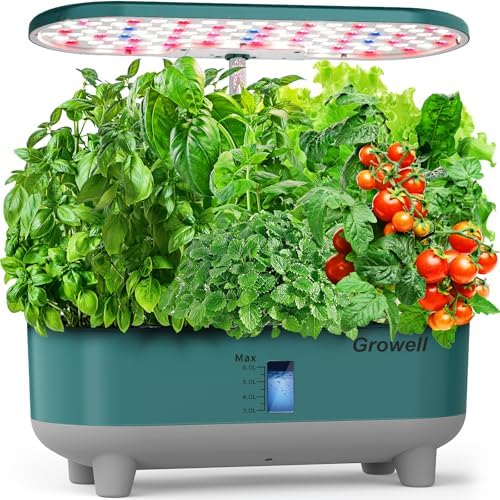
- 5x Faster Growth with 28W LED: Our Hydroponics Growing System Kit features a 28W full-spectrum LED grow light, complete ...
- 3 Lighting Modes and 2 Timer Options: Our hydroponic garden has three preset lighting modes: Vegetables Mode, Flowers & ...
- Silent & Smart Water Circulation: The Growell Indoor Growing System is equipped with an intelligent silent water pump th...
Best Hydroponic Systems for Vegetables
When it comes to hydroponic systems for growing vegetables year-round, several options stand out due to their effectiveness, efficiency, and user-friendliness. Below is a curated selection of some of the best systems currently available on the market, reviewed in terms of key features, price points, ease of use, and ideal crops.
One of the top contenders is the AeroGarden Bounty. This compact hydroponic system is ideal for beginners, featuring a built-in grow light and a simple control panel. Priced around $199, it allows users to grow a variety of herbs and vegetables, making it perfect for kitchen use. The system is designed to accommodate up to nine plants, yielding fresh produce quickly.
For those seeking a more advanced option, the Hydrofarm Active Aqua system presents a robust solution. This deep water culture setup costs approximately $299 and includes a larger reservoir ideal for growing a wider variety of vegetables, such as tomatoes and peppers. While it may require a bit more knowledge to set up, the potential yield makes it worthwhile for dedicated gardeners.
Another excellent choice is the <strong;grobo solid, a fully automated hydroponic system that takes care of light and nutrient schedules. Its price point of $1,499 may seem steep, but it offers high-tech features such as an app for monitoring and controlling growth conditions. This system is particularly suitable for those who wish to grow different types of vegetables and are comfortable with some technology background.
All the systems listed cater to various skill levels, from novice to expert. Starter kits, like the AeroGarden, are perfect for individuals just beginning their hydroponic journey, while more sophisticated systems like the GROBO are designed for experienced users aiming for maximized production. Each hydroponic system has its unique strengths, ensuring that regardless of experience, there is a suitable option for everyone looking to grow vegetables indoors.
Tips for Successful Indoor Hydroponic Gardening
Indoor hydroponic gardening can be a rewarding endeavor, but it requires careful attention to several key factors to ensure optimal growth and a bountiful harvest. One of the most crucial aspects is nutrient management. Since hydroponic systems do not utilize soil, plants rely entirely on nutrient solutions for their growth. It is essential to select a high-quality hydroponic nutrient mix that contains all essential macro and micronutrients. Regularly monitor the nutrient solution's pH levels, ideally maintaining it between 5.5 and 6.5, and adjust as necessary to promote nutrient uptake.
Another vital component of successful indoor hydroponic gardening is light cycle optimization. Plants require adequate light for photosynthesis. Depending on the plant species, daily light exposure generally falls between 12 to 18 hours. Using energy-efficient LED grow lights not only minimizes energy consumption but also provides the necessary light spectrum for healthy growth. Adjusting the light cycle can also help mimic seasonal changes, aiding in both growth and flowering stages.
Pest control is another critical area of focus. While hydroponic systems reduce many pest opportunities present in soil-based gardening, vigilance is still necessary. Regularly inspect plants for signs of pests or diseases. Utilizing beneficial insects or organic pest control methods can help maintain a healthy garden without harmful chemicals. Additionally, practicing good hygiene, such as cleaning equipment and surfaces, will deter pests.
Lastly, be prepared to troubleshoot common problems. For instance, if plants exhibit stunted growth or yellowing leaves, this could indicate a nutrient deficiency or an imbalance in pH levels. Maintaining thorough records of your gardening practices can help identify patterns that lead to these issues. With attention to detail and the adoption of sustainable practices, you can enhance the quality of your vegetable harvest year-round.
Case Studies: Successful Indoor Hydroponic Gardens
Indoor hydroponic systems have gained popularity among gardening enthusiasts and commercial growers, showcasing their potential for year-round vegetable production. One notable case is a family in Denver, Colorado, who transformed their basement into a lush hydroponic garden. Initially facing issues with lighting and nutrient delivery, they researched various hydroponic systems and eventually settled on a vertical garden setup. By using LED grow lights and an automated nutrient delivery system, they successfully grew a variety of leafy greens, including kale and lettuce. Their experience illustrates the adaptability of hydroponic systems to different environments.
Another inspiring example comes from a non-profit organization in Toronto that aimed to address food insecurity in urban areas. They implemented a community-driven hydroponic initiative utilizing an NFT (Nutrient Film Technique) system within a repurposed shipping container. Despite logistical challenges related to water usage and temperature control, the team implemented sensors and climate control measures to optimize their growing conditions. The hydroponic garden flourished, providing fresh produce to local residents and demonstrating how urban spaces can be efficiently transformed into food sources.
A commercial venture in California also offers compelling insights into indoor hydroponic success. This business utilized a deep water culture (DWC) system to grow organic tomatoes, cucumbers, and peppers. They encountered challenges with pest management and maintaining stable water conditions, which required a steep learning curve. By integrating organic pest control methods and investing in water monitoring technology, they overcame these hurdles. Their yields surpassed those of traditional farming methods, highlighting the effectiveness and efficiency of hydroponic systems in producing vegetables indoors.
Conclusion: Embracing Hydroponics for Year-Round Harvest
In light of the information presented, hydroponics emerges as a transformative solution for home gardeners seeking to achieve sustainable vegetable growth throughout the year. This innovative gardening method utilizes nutrient-rich water instead of soil, offering flexibility in cultivation and ensuring efficient use of space and resources. The benefits of adopting a hydroponic system are numerous; gardeners can enjoy fresher produce while also minimizing the impact on their environment.
As discussed, there are various types of indoor hydroponic systems available, ranging from simple setups to more complex, automated versions. Each system offers unique advantages that cater to different skill levels and space availability. For example, aeroponic and deep water culture systems provide optimal conditions for rapid plant growth, while nutrient film technique setups promote excellent oxygenation for roots. With so many options, aspiring hydroponic gardeners can find the right system to fit their specific needs and goals.
Moreover, embracing hydroponics allows individuals to cultivate a diverse array of vegetables, regardless of the season. This not only leads to enhanced food security but also promotes a healthier lifestyle through the consumption of home-grown produce. As we navigate an increasingly urbanized world, hydroponics provides a viable solution to the challenges of traditional gardening, such as limited space and adverse weather conditions.
Encouragingly, beginning a hydroponic journey does not have to be daunting. With the right information, planning, and a commitment to learn, anyone can successfully grow vegetables indoors. Therefore, for those considering a sustainable approach to gardening, hydroponics holds the potential for continuous, year-round harvests that can transform home environments and enhance culinary experiences.

0 Comments