Introduction to Non-Toxic Bath Toys
Bath time is often a delightful experience for children and parents alike, but the safety of bath toys is a concern that cannot be overlooked. Traditional bath toys may contain harmful chemicals such as phthalates, lead, and bisphenol A (BPA), which can pose significant health risks to young children. Non-toxic bath toys are an essential alternative, crafted from materials that are free from these harmful substances. As parents become increasingly aware of the potential dangers associated with traditional toys, the demand for safer options has surged.
Children frequently engage in imaginative play during bath time, which can also be a crucial developmental period. Bath toys must not only be safe but also durable to withstand rigorous play in water. Non-toxic options are designed to endure both the physical demands of play and the risk of mold or mildew growth that can occur in wet environments. Choosing quality bath toys with non-toxic certifications ensures that parents prioritize not just enjoyment but also the well-being of their children.
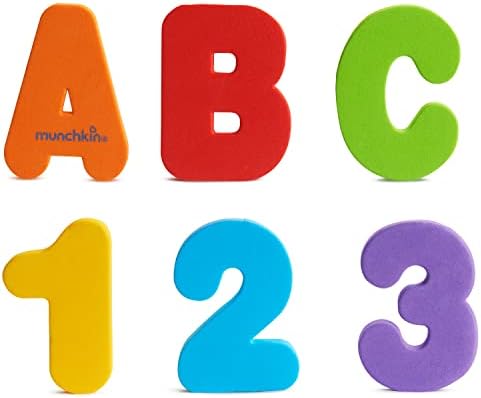


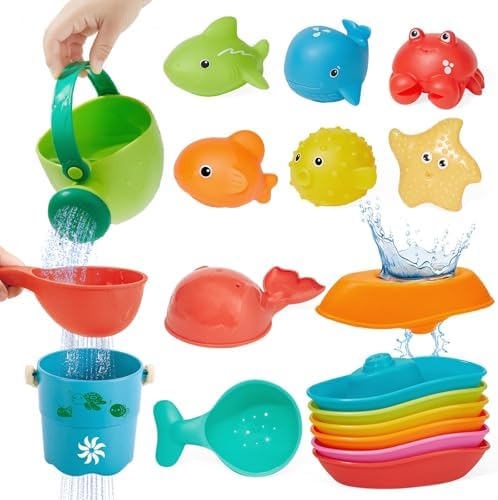
The impact of chemicals found in conventional bath toys can range from mild allergic reactions to potentially long-term health issues, such as hormonal disruptions and developmental concerns. These risks highlight the importance of educating parents about safe alternatives. Non-toxic bath toys are made from natural or food-grade materials, which have undergone rigorous testing to certify their safety and quality. Many brands offer a range of toys, from rubber ducks to floating animals, that provide joy while safeguarding children from potential hazards.
In essence, selecting non-toxic bath toys is not merely a preference but a significant step towards ensuring a safe and wholesome play environment for children. As awareness grows, the market for these safe and reliable toys is expected to expand, providing parents with ever-increasing options to safeguard their little ones during bath time.
Understanding Material Safety Standards
When it comes to selecting non-toxic bath toys, it is essential for parents to be informed about the various safety regulations and standards that such products must meet. Several key certifications are recognized globally, ensuring that toys are not only safe but also built to last. One of the most significant certifications in the United States is the ASTM (American Society for Testing and Materials) standard. This set of guidelines encompasses rigorous testing procedures that evaluate the safety and performance of toys, focusing on aspects such as physical, mechanical, and chemical properties.
Another crucial regulation is the CPSIA (Consumer Product Safety Improvement Act), which specifically targets the safety of children's products. It mandates strict limits on lead and phthalates and requires third-party testing for compliance. Toys that meet CPSIA standards have been rigorously evaluated, providing added confidence for parents when choosing non-toxic options for their children. Furthermore, products that display adherence to the CPSIA are often accompanied by documentation that parents can request to verify compliance.
In Europe, the EN71 standard is widely recognized for ensuring toy safety. This directive includes several parts covering different aspects of toy safety, from flammability to chemical content. Each section is vital in confirming that toys are safe from potential hazards. This regulatory framework prepares manufacturers to deliver products that adhere to stringent safety requirements, which helps reassure parents about the toys they are purchasing.
Understanding these certifications enables parents to make informed decisions regarding bath toys, ensuring they provide a safe bathing experience for their little ones while reducing exposure to harmful chemicals. By selecting products that comply with these safety standards, parents can confidently choose bath toys that prioritize their children's health and safety.
Common Materials Used in Non-Toxic Bath Toys
When selecting bath toys for young children, safety and durability are paramount concerns for parents. Non-toxic bath toys are commonly made from a variety of materials known for their non-toxic nature and longevity. This section will discuss the most prevalent materials used in the manufacture of non-toxic bath toys and highlight their respective benefits.
One of the most popular materials in the production of non-toxic bath toys is natural rubber. Derived from the latex of rubber trees, this material is biodegradable and free from harmful chemicals. Natural rubber bath toys are not only soft and flexible, making them safe for little hands to grip, but they are also quite durable. Additionally, their resistance to mold and mildew makes them easier to clean, adding to their appeal for parents who prioritize hygiene.
Another widely utilized material is silicone, which is known for its flexibility and high heat resistance. Silicone bath toys are fully safe for children, as they are free from BPA, phthalates, and other harmful substances. Unlike plastic toys, silicone does not leach chemicals, ensuring that bath time remains a secure environment. Furthermore, silicone is dishwasher safe, simplifying the cleaning process and ensuring that these toys can last through numerous bath sessions.
BPA-free plastic is frequently employed as well, offering a lightweight alternative to rubber and silicone. While these plastics are designed to avoid toxic chemicals, it is essential for parents to verify that the products are indeed BPA-free and do not contain other harmful additives. While natural rubber and silicone may have a slight edge in environmental friendliness and safety, high-quality BPA-free plastic options can still provide a satisfactory and safe experience for children.
In contrast, parents should steer clear of toys made from polyvinyl chloride (PVC) and other materials known to contain phthalates or toxins. These substances could pose health risks, especially for young children who often put toys in their mouths. Awareness of the materials used in bath toys is essential in ensuring a safe and enjoyable bath experience.
Lab Testing and Verification Processes
In order to ensure the safety and durability of non-toxic bath toys, manufacturers often rely on rigorous lab testing and verification processes. These assessments are designed to identify potential toxins and verify that products meet established safety standards. The testing process typically involves evaluating materials used in the toys for harmful substances, such as phthalates, bisphenol A (BPA), and heavy metals.
One common method utilized in laboratories is chemical analysis. This process involves extracting materials from bath toys and analyzing them for the presence of toxic chemicals. Techniques such as gas chromatography and mass spectrometry allow for accurate detection of minute quantities of harmful substances, providing parents with assurance that the toys are safe for their children. Additionally, some laboratories perform leachate testing, where toys are immersed in water to determine if any harmful substances leach into the water, thereby ensuring that children do not come into contact with toxins during their bath time.
Durability testing is equally important in the verification process. This ensures that bath toys can withstand the wear and tear of regular use while still maintaining their structural integrity. Tests may include stress testing, impact resistance, and even real-world simulated usage scenarios. Manufacturers often submit their products to accredited laboratories, which carry out these tests in accordance with industry standards.
Parents seeking information about lab-tested bath toys can typically access certification reports or safety data sheets provided by manufacturers. Such documentation outlines the testing processes and results, allowing consumers to make informed decisions when purchasing non-toxic bath toys for their children. By understanding the lab testing and verification processes, parents can ensure they select safe, durable products that adhere to health and safety regulations.
Features of Durable Non-Toxic Bath Toys
Choosing durable non-toxic bath toys requires an understanding of the critical features that contribute to their safety and longevity. One of the primary attributes is the material used in their construction. High-quality, non-toxic materials like natural rubber or BPA-free plastic are imperative for ensuring that the toys are safe for children. These materials not only meet safety standards, but they also withstand the rigors of frequent use while remaining environmentally friendly.
Waterproofing is another essential feature of durable bath toys. Effective waterproofing prevents water from entering the toy, which can lead to mold and bacterial growth over time. Toys designed with sealed edges and tightly fitted components ensure that no water can infiltrate, contributing to their hygiene and durability. This critical feature enhances the toy's overall life span while keeping playtime safe and enjoyable for children.
Another aspect to consider is the toy's design integrity. Toys that are ergonomically designed and free from sharp edges minimize the risk of injury during play. Additionally, toys with appealing colors and smooth textures not only engage children but also hold up against the typical wear and tear associated with extended play. Strong joints and flexible materials that can bend without breaking further increase the lifespan of these toys.
Lastly, the ease of cleaning is an important factor. Non-toxic bath toys should be easy to rinse and disinfect without degrading in the process. Products that can be cleaned quickly aid in maintaining hygiene, ensuring toys remain safe for children's use over time. By keeping these features in mind, parents can select non-toxic bath toys that are both safe and built to last, guaranteeing satisfaction for both kids and caregivers.
Top Brands for Non-Toxic Bath Toys
When it comes to selecting safe and enjoyable bath toys for children, several reputable brands have distinguished themselves in the realm of non-toxic options. These brands prioritize safety, durability, and innovative designs, making them ideal choices for health-conscious parents.
One notable brand is Green Toys, which is renowned for its commitment to sustainability and safety. Their bath toys are made from recycled plastic and are free from harmful chemicals like BPA and phthalates. Additionally, Green Toys incorporates vibrant colors and fun designs that engage children while ensuring that their products are environmentally friendly.
Another brand worth mentioning is Boon. Boon focuses on modern aesthetics along with function, creating bath toys that not only captivate children but also blend seamlessly into contemporary bathrooms. Their products are designed with safety in mind, utilizing durable, non-toxic materials, and many of their toys feature innovative designs that promote creative play.
Munchkin also stands out in the non-toxic bath toy market. Known for their wide variety of playful and imaginative bath toys, Munchkin prides itself on using non-toxic plastic that complies with rigorous safety standards. Many of their toys are also designed to encourage developmental skills, making them both fun and educational.
For parents interested in wooden toys, PlanToys offers an impressive line of non-toxic bath toys crafted from sustainable rubberwood. Their products are finished with natural, non-toxic dyes, ensuring safety and durability. The brand emphasizes eco-friendly production processes, making it a responsible choice for parents looking to minimize environmental impact.
In summary, selecting non-toxic bath toys from these top brands not only ensures the safety of your children but also promotes enjoyable and sustainable playtime activities. By considering factors such as safety certifications, materials, and design, parents can make informed purchasing decisions for their families.
DIY Non-Toxic Bath Toy Ideas
Creating your own non-toxic bath toys is not only a fun and creative endeavor but also allows you to ensure the safety and durability of the products your children interact with. Below are several DIY ideas using safe materials, alongside step-by-step instructions for making these engaging toys.
Floating Colorful Spheres
For this project, you will need:
- Non-toxic plastic balls (such as bouncy balls without harmful coatings)
- Non-toxic paint (water-based)
- Paintbrushes
- Sealant (non-toxic)
Instructions:
- Start by painting the plastic balls with vibrant designs using the non-toxic paint. Encourage creativity by using dots, stripes, or shapes.
- Allow the paint to dry completely before applying a layer of non-toxic sealant to protect the paint and make the balls waterproof.
- Once everything is dried and set, the colorful spheres can be enjoyed in the bath, floating cheerfully on the water's surface.
Fabric Fish Friends
For this activity, gather:
- Non-toxic fabric (preferably cotton or linen)
- Pillow stuffing (ensure it is hypoallergenic and non-toxic)
- Non-toxic fabric markers
- Needle and thread (or fabric glue)
Instructions:
- Cut the fabric into fish shapes, making two pieces per fish for front and back.
- Use the fabric markers to decorate each fish, allowing for individual designs.
- Align the two pieces, and either sew them together or use fabric glue to secure them, leaving an opening to add stuffing.
- Stuff the fish with pillow stuffing to give them a plush feel, then close the opening to complete your fabric fish friends.
These DIY bath toy ideas promote creativity while ensuring safety for your children. By selecting non-toxic materials, you can create fun and durable toys that enhance bath time and provide peace of mind for parents.
Maintaining and Cleaning Non-Toxic Bath Toys
Maintaining the cleanliness and integrity of non-toxic bath toys is essential for ensuring the safety of children during bath time. Regular cleaning helps to prevent the growth of mold and bacteria, ensuring a hygienic play environment. Below are practical tips and best practices for cleaning these toys without compromising their safety or durability.
Firstly, it is advisable to clean bath toys after each use. This can be accomplished by rinsing them thoroughly with warm water to remove soap residue and any contaminants. For deeper cleaning, consider using a mild dish soap that is free from harmful chemicals. Avoid using harsh chemical cleaners, as they may not only damage the toy’s surface but could also leave hazardous residues.
Another effective method for maintaining non-toxic bath toys is to soak them in a solution of vinegar and water. This natural disinfectant can help to eliminate bacteria while being gentle on the toy. A mixture of one part vinegar to three parts water is typically effective. After soaking for about 15 minutes, rinse the toys thoroughly to ensure all vinegar is washed away.
For toys with holes or openings, such as squirt toys, it is recommended to squeeze out any trapped water after each bath session. This simple action prevents water from accumulating inside, significantly reducing the risk of mold growth.
Once cleaned, air dry the toys in a well-ventilated area. Avoid placing them in direct sunlight for prolonged periods, as harsh sunlight can degrade the materials over time. Additionally, inspect bath toys regularly for signs of wear and tear. If any toys show signs of damage, it is best to discard them to ensure safety.
By following these cleaning and maintenance tips, parents can help ensure that non-toxic bath toys remain safe, durable, and enjoyable for their children.
Conclusion: The Importance of Safe Play
In today's world, ensuring the safety of children during playtime is of paramount importance. The significance of selecting non-toxic, lab-verified bath toys cannot be overstated. These toys not only provide children with entertainment during bath time but also offer parents peace of mind regarding their safety and well-being. When choosing bath toys, it is crucial to consider materials that are free from harmful chemicals, such as phthalates, PVC, and lead. Such materials contribute to the overall health and safety of play by minimizing exposure to harmful substances.
The rigorous testing and verification that lab-approved toys undergo play a vital role in establishing their safety profile. Parents should seek out brands and products that prioritize child safety through proper certifications and testing methods. This commitment to quality helps ensure that bath toys remain durable and safe over time, standing up to the rigors of play. In doing so, parents can foster an environment that promotes healthy and conscientious choices.
Moreover, involvement in the decision-making process can be empowering for both parents and children. Encouraging children to select their own toys while educating them about safety can help instill a sense of responsibility. By choosing non-toxic options, parents not only guarantee safe play but also actively participate in their child's development by ensuring their physical and emotional well-being is prioritized.
In conclusion, prioritizing safety when it comes to bath toys is essential for nurturing a healthy play environment. By choosing lab-verified, non-toxic options, parents can significantly contribute to a safer play experience for their children, enhancing their joy during bath time while protecting their health.



0 Comments