Introduction to Sleeping Pads for Side Sleepers
For individuals who sleep on their sides, finding the right sleeping pad is crucial. Side sleepers often face unique challenges that can impact their comfort and overall quality of sleep. Unlike back or stomach sleepers, side sleepers require specific support to accommodate the natural curvature of their spine and to alleviate pressure on key areas such as the hips and shoulders. As a result, selecting a sleeping pad designed with side sleepers in mind becomes essential for achieving restful, restorative sleep.
Sleeping pads serve to provide cushioning and insulation for those resting on the ground, often during camping trips or in minimalist settings. A well-chosen sleeping pad can enhance comfort significantly by distributing weight evenly across the surface. For side sleepers, this distribution minimizes pressure points, which can lead to discomfort and interrupted sleep cycles. For optimal support, it is important for sleeping pads to have sufficient thickness and a design that maintains spine alignment while cradling the body’s contours.


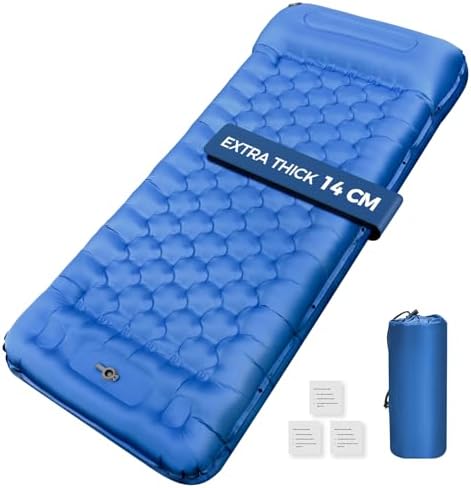

Additionally, the R-value of a sleeping pad, which measures its insulation capacity, is critical for outdoor enthusiasts. Temperature regulation is particularly vital for side sleepers, as feeling cold or overheated can disrupt sleep quality. A pad with a higher R-value may be beneficial for those camping in cooler environments, ensuring that warmth is retained through the night. By prioritizing comfort and appropriate support, side sleepers can mitigate potential aches and pains, allowing for a more productive night of sleep.
Ultimately, the right sleeping pad is paramount for side sleepers looking to improve their sleep experience. By understanding their unique needs and selecting a pad with suitable features, these individuals can reach a level of comfort that promotes effective rest and rejuvenation.
Understanding R-Value: What It Is and Why It Matters
The R-value is a crucial metric that measures the thermal resistance of insulation materials, including sleeping pads. Essentially, it indicates how well a material can resist heat flow; a higher R-value correlates with greater insulation properties. For campers and side sleepers, understanding this value is particularly important, as it directly impacts comfort during sleep in varying environmental conditions.
For side sleepers, who often experience pressure points at the hips and shoulders, a sleeping pad with an adequate R-value not only provides physical support but also plays a significant role in thermal comfort. When resting on cold surfaces, side sleepers may find it difficult to maintain a comfortable body temperature throughout the night. Therefore, choosing a sleeping pad with a higher R-value can help mitigate heat loss, ensuring warmth and a restful sleep.
The R-value is not solely about insulation; it also influences the overall weight and packability of sleeping pads. High R-value pads often utilize advanced materials like closed-cell foam or air-filled designs to create effective barriers against the cold ground while minimizing weight. For outdoor enthusiasts, especially those who venture into colder climates or higher altitudes, selecting a pad with an optimal R-value can significantly enhance the camping experience.
In conclusion, the R-value serves as a key indicator of a sleeping pad's thermal efficiency and comfort for side sleepers. By understanding R-values and considering them when selecting a sleeping pad, individuals can ensure they choose a product well-suited to their needs—keeping them warm and well-rested during their outdoor adventures.
Features to Look for in Sleeping Pads for Side Sleepers
Selecting the right sleeping pad is particularly crucial for side sleepers to ensure a comfortable night’s sleep. There are several key features that should be considered to enhance comfort and support during sleep.
First and foremost, thickness is a significant factor. A thicker sleeping pad often provides better cushioning, which is essential for side sleepers who may experience pressure points on their hips and shoulders. Typically, a pad with a thickness of at least 3 inches is recommended for adequate support. This added thickness not only increases comfort but also helps maintain proper body alignment.
In addition to thickness, the material of the sleeping pad plays a vital role in comfort and insulation. Look for pads made from high-quality foam or air-filled materials that offer a balance of support and softness. Foam pads can provide a more stable sleep surface, while air pads are often lighter and more portable. Each material has distinct advantages; thus, personal preference should guide the choice.
Cushioning is equally important, as it directly correlates with the pad's ability to alleviate pressure. Some sleeping pads feature additional layers of cushioning, which can help redistribute weight and minimize discomfort during sleep. Moreover, some models are designed with cut-out sections or varying densities to enhance support in critical areas for side sleepers.
Lastly, portability must not be overlooked. Many sleeping pads designed for camping are meant to be lightweight and compact for easy transport. A sleeping pad that is easy to pack and carry ensures convenience, especially for outdoor enthusiasts on the move. Therefore, considering features like weight, packability, and included storage options will make the pad more user-friendly.
Choosing the right sleeping pad requires evaluating these features carefully, ensuring that it aligns with the unique needs of side sleepers for a restful slumber.
Top Recommendations: The Best Sleeping Pads for Side Sleepers
When it comes to ensuring a good night's sleep while camping or backpacking, especially for side sleepers, having the right sleeping pad is crucial. Here, we present a curated selection of sleeping pads that boast impressive lab-verified R-Value scores, catering specifically to the needs of side sleepers. Each pad is evaluated based on comfort, insulation, and overall performance.
1. Therm-a-Rest NeoAir XTherm
This sleeping pad stands out with an R-Value of 6.9, providing superior insulation for cold-weather camping. Its innovative Triangular Core Matrix technology enhances stability and minimizes the risk of bottoming out, making it ideal for side sleepers. However, the NeoAir XTherm can be on the pricier side and may not be the lightest option available.
2. Sea to Summit Ether Light XT
With an R-Value of 3.2, this pad offers a good balance between weight and comfort. Its 3-inch thickness allows side sleepers to sink in comfortably, reducing pressure points. The Ether Light XT is lightweight and packs down small, but some users may find the durability lacking compared to thicker pads.
3. NEMO Tensor Insulated
Featuring an R-Value of 3.5, the NEMO Tensor is designed with side sleepers in mind, utilizing an insulated construction that provides warmth without excessive bulk. Its unique design ensures a quieter sleeping experience, but it is important to note that it requires careful inflation to maintain optimal firmness.
4. Exped MegaMat 10
This sleeping pad has an impressive R-Value of 8.1, making it suitable for year-round camping. The MegaMat 10 is exceptionally comfortable and spacious, although it can be heavier and bulkier than traditional pads, making it less ideal for backpacking. Despite the trade-off in weight, its comfort level is unmatched for side sleepers.
Each of these top recommendations provides unique advantages tailored to the needs of side sleepers, ensuring that you can find a suitable sleeping pad for your next adventure.
Comparing R-Values of Leading Sleeping Pads
When selecting a sleeping pad, one of the most critical factors to consider is its R-value, which measures the thermal resistance of the pad. A higher R-value indicates greater insulating ability, crucial for side sleepers who may encounter discomfort from cold surfaces. This section provides a comprehensive overview of the R-values of several top-rated sleeping pads available on the market, helping side sleepers make informed decisions.
To facilitate comparison, we have compiled data from various leading sleeping pads. For instance, the Xtherm Therm-a-Rest boasts an impressive R-value of 6.9, making it a suitable option for winter camping and cold conditions. In contrast, the Helinox Lite offers an R-value of 2.3, more appropriate for milder climates and summer trips. It is essential for side sleepers to note these differences, as a pad with a low R-value may provide insufficient insulation, leading to disrupted sleep.
Additionally, each pad's weight and packed size can influence a traveler’s experience. For example, the Exped SynMat Hyperlite combines a lightweight design with an R-value of 3.3, making it highly portable for backpackers who require effective insulation without significant bulk. Comparatively, Big Agnes Q-Core achieves a balance with an R-value of 4.0 and comfort features aimed at supporting side sleepers.
To further assist in visualizing these differences, a corresponding chart highlights the R-values alongside other features such as weight, thickness, and sleeping style compatibility. This enables readers to compare options quickly and choose a sleeping pad that meets their specific needs while ensuring optimal insulation performance during their adventures.
User Experiences and Testimonials
When evaluating the best sleeping pads for side sleepers, firsthand accounts from users can offer invaluable insights into overall comfort and satisfaction. Many side sleepers report that their experience with specific pads has significantly improved their nighttime rest. For instance, one user highlighted the REI Co-op Trailbreak sleeping pad, mentioning how its plush surface helped alleviate pressure on the hips and shoulders, common pain points for individuals who sleep on their sides.
Another testimony from a frequent camper noted the Therm-a-Rest NeoAir XTherm, praising its R-value and insulation characteristics. This user emphasized that the pad maintained warmth during cold nights while providing sufficient cushioning to prevent discomfort from the ground. The combination of these features proved essential for a restorative sleep experience, particularly for side sleepers needing adequate support.
Conversely, some feedback suggests that not all sleeping pads cater equally to side sleepers. One camper expressed dissatisfaction with the Big Agnes Q-Core Deluxe, indicating that while it provided great cushioning, it lacked adequate firmness for side sleeping, leading to occasional bottoming out. This highlights the importance of individual preferences when selecting a sleeping pad.
Moreover, users have shared that considering the thickness of the pad can greatly alter the sleeping experience. A thicker pad with a high R-value is typically recommended for side sleepers, as it offers superior comfort and reduces the likelihood of hip and shoulder pain. Positive remarks about the Sea to Summit Ether Light XT praised its duality of comfort and ease of inflation, making it a favorite among those who value both functionality and comfort.
Overall, the collected testimonials emphasize the diversity in user experiences and comfort levels, suggesting that prospective buyers should prioritize their specific needs and preferences when selecting the most suitable sleeping pad for side sleeping.
Tips for Using Sleeping Pads Effectively
To maximize comfort and effectiveness, it is crucial to properly set up and maintain a sleeping pad. Begin by choosing a flat, even surface to lay your pad, ensuring that it is shielded from sharp rocks or sticks that could puncture it. Inflatable pads should be adequately inflated to offer necessary support, particularly for side sleepers who need cushioning for their shoulder and hip areas. Be mindful not to over-inflate, as this can reduce comfort and lead to a less forgiving surface.
Regular maintenance is also essential to extend the lifespan of your sleeping pad. After each trip, inspect your pad for any signs of leaks or damage. If leaks are found, it's advisable to use a patch kit designed for your specific pad material. Additionally, clean your sleeping pad according to the manufacturer’s guidelines. Clean pads are less likely to harbor bacteria, ensuring a better night’s sleep on future outings.
Pairing your sleeping pad with the right sleeping bag or blanket can significantly enhance your comfort while sleeping. It is advisable to choose sleeping bags that are compatible with your sleeping pad's dimensions and insulation properties. A sleeping bag rated for cold weather, combined with a well-insulated pad, will provide ample warmth on cooler nights, especially important for those who sleep on their side and may experience more exposure to the ground's chill.
Furthermore, consider using additional layers, such as a blanket or sleeping bag liner, for improved insulation and comfort. These layers can help reduce any discomfort that may arise from sleeping directly on the sleeping pad, especially for side sleepers who need both insulation and cushioning. By integrating these practical tips into your camping routine, you will significantly enhance your overall sleeping experience.
Common Mistakes to Avoid When Choosing Sleeping Pads
Selecting the right sleeping pad is paramount for side sleepers, yet many make critical errors during this process. One prevalent mistake is assuming that a thicker pad is always better. While additional thickness might seem appealing, it can lead to instability, especially for side sleepers who need optimal comfort at pressure points such as shoulders and hips. Instead, it’s essential to prioritize a sleeping pad’s design and R-value over sheer thickness, ensuring adequate cushioning and support without sacrificing mobility.
Another common misconception revolves around material choice. Many side sleepers gravitate towards air pads, believing they offer superior comfort. However, not all air pads are created equal. Some may not deflate adequately, leading to unnecessary pressure on the side of the body. Instead, side sleepers should consider pads with high-quality foam or self-inflating models that accommodate varying body weights and shapes, enhancing support during sleep.
Furthermore, side sleepers often prioritize unnecessary features that may not significantly enhance comfort or performance. For instance, while unique storage options or ultra-lightweight designs might appeal to casual users, they can compromise the essential support needed for side sleeping. An ideal sleeping pad should emphasize cushioning, R-value score for insulation, and durability over external features. Many overlook the importance of a good seal and compatibility with sleeping bags, which is crucial for maintaining warmth and comfort.
In conclusion, being aware of these common mistakes allows side sleepers to make informed decisions when selecting a sleeping pad. By focusing on the right thickness, appropriate materials, and essential features, side sleepers can enhance their overall sleep quality and comfort.
Conclusion and Final Thoughts
In concluding our comprehensive exploration of the best sleeping pads for side sleepers, it becomes evident that selecting the right sleeping pad is paramount for achieving a restful night's sleep. Side sleepers often face unique challenges such as ensuring proper spinal alignment and minimizing pressure points, which necessitates a sleeping pad that accommodates these specific needs. Throughout this guide, we have highlighted key factors to consider, including the R-Value, thickness, material, and design of sleeping pads.
It is crucial to acknowledge that individual preferences play a significant role in determining the most suitable sleeping pad. Factors such as body weight, sleep position, and personal comfort levels should be prioritized when making a decision. For instance, a thicker pad with higher R-Value may be ideal for those who tend to feel cold at night, while a lighter pad might be preferred by those prioritizing weight for backpacking. Furthermore, the material of the sleeping pad impacts not only comfort but also durability and ease of packing.
Before embarking on your purchase, we recommend carefully assessing your unique sleeping habits and ensuring that the sleeping pad aligns with your specific requirements. Remember to take advantage of customer reviews and product comparisons, as they can provide valuable insights into the performance of various models. By doing so, you will be better positioned to invest in a sleeping pad that not only enhances your comfort but also contributes to your overall well-being during sleep.

0 Comments