Introduction to First Aid Kits
First aid kits are essential tools designed to provide immediate care in emergency situations, serving as a critical resource in both everyday and high-stakes scenarios. The presence of a well-stocked first aid kit can significantly mitigate risks and enhance safety. Whether dealing with minor injuries such as cuts and abrasions or responding to more severe medical emergencies, having a first aid kit readily available is an indispensable aspect of personal and community health preparedness.
First aid kits are not just reserved for medical professionals; they are crucial for individuals and families, especially during outdoor adventures, such as hiking, camping, or various recreational sports. In these environments, injuries can occur unexpectedly, making it vital to be equipped with the right supplies for immediate response. Additionally, first aid kits are equally important in household settings where accidents can happen anytime, particularly in homes with young children or elderly individuals. In these cases, having prompt access to first aid supplies can potentially save lives.

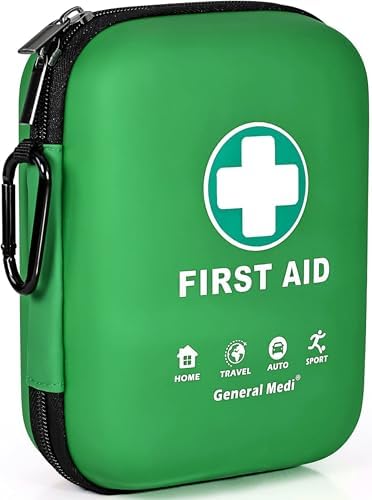
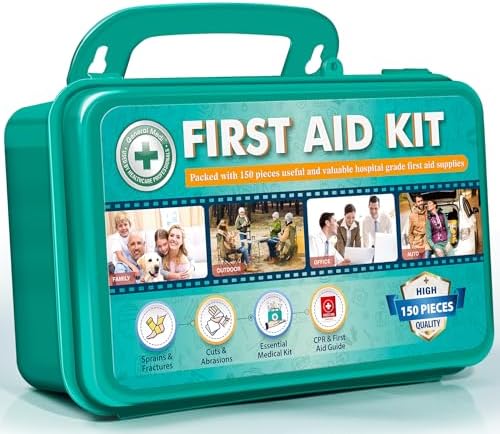


This blog post aims to explore the myriad of first aid kits available, highlighting their importance and the specific contexts in which they are essential. Readers will discover how to select the best first aid kits tailored to various situations, ensuring they are adequately prepared for emergencies. Furthermore, we will delve into the components that make up a comprehensive first aid kit, the unique features to consider, and essential items that should not be overlooked. As we embark on this exploration of first aid kits, it is imperative to recognize their role in promoting safety and well-being in our daily lives.
Criteria for Evaluating First Aid Kits
When selecting the most suitable first aid kit for various situations, several key criteria need to be assessed to ensure its effectiveness and reliability. Understanding these factors can help individuals and organizations make informed decisions when purchasing a first aid kit, particularly for high-stakes scenarios.
First, the size of the first aid kit plays a crucial role in determining its appropriateness for specific environments. A compact kit may be ideal for personal carry, such as in a car or backpack, while larger kits might be required for events or outdoor activities. The size should accommodate both portability and the need to include essential items.
Another significant criterion is the content variety of the kit. An effective first aid kit should contain a comprehensive range of supplies, including basic wound care materials like bandages and antiseptics, as well as items for potential emergencies like snake bites or severe allergic reactions. This variety ensures that the needs for different medical situations are met.
Portability is also essential. A well-designed first aid kit should be lightweight and easy to carry, preferably featuring handles or straps. This makes it more accessible in emergencies, whether at home, during travel, or while engaging in outdoor activities.
Durability is another critical criterion. A first aid kit should be housed in a sturdy, weather-resistant case that can withstand the rigors of travel and harsh environments. This ensures that the contents remain intact and functional when needed.
Lastly, the user-friendliness of a first aid kit must be considered. Clear labeling, organized compartments, and easy-to-follow instructions can significantly enhance its usability during an emergency. A user-friendly design allows individuals to quickly locate necessary items, reducing stress and ensuring prompt care.
Types of First Aid Kits
First aid kits are essential for addressing injuries and medical emergencies in various settings. Understanding the different types of first aid kits available can help individuals select the most appropriate kit for their specific needs. Some common categories include home kits, travel kits, sports injury kits, and wilderness survival kits.
Home first aid kits are designed for treating minor injuries and common ailments that occur in a household setting. These kits often contain a range of supplies, including adhesive bandages, antiseptic wipes, gauze pads, and over-the-counter medications like pain relievers or antihistamines. A well-stocked home first aid kit is invaluable for managing situations like cuts, scrapes, or minor burns.
Travel first aid kits are compact and designed for individuals on the go. They typically include essential supplies but in smaller quantities. Travel kits are perfect for vacations, road trips, or business travel where access to medical care may be limited. They often feature items such as insect bite relief, blister treatment, and a basic set of bandages.
Sports injury first aid kits cater specifically to those participating in physical activities. These kits usually contain items for treating common sports injuries, such as sprains, strains, and bruises. Essential components might include elastic bandages, cold packs, and sports tape to provide effective support during recovery.
Wilderness survival first aid kits are designed for use in remote areas where professional medical assistance may not be readily available. These kits typically include advanced supplies tailored for serious injuries, such as splints, emergency blankets, and specialized items like snake bite kits. Their focus is on providing sustained care in challenging conditions.
By recognizing the distinct types of first aid kits and their applications, individuals can better prepare for emergencies that align with their lifestyle and activities.
Top First Aid Kits on the Market
When selecting a first aid kit, it is essential to consider the intended use, as specific scenarios require specialized equipment. The following are some of the top-rated first aid kits available today, designed to meet a variety of needs.
One of the most popular family first aid kits is the Deluxe Family First Aid Kit. This kit is comprehensive, including a wide range of bandages, antiseptics, and cold packs. Designed for home and travel use, it contains enough materials to treat minor injuries for multiple individuals, making it an excellent choice for families.
For outdoor enthusiasts, the Adventure Medical Kits Mountain Series is highly recommended. This kit is specifically tailored for hiking, camping, and other outdoor activities. It includes supplies to address common injuries encountered in the wilderness, such as splints, insect sting relief, and advanced wound care supplies.
In a workplace setting, the Ready America 70385 Emergency First Aid Kit stands out. This kit meets OSHA workplace requirements and is designed to address injuries commonly encountered in professional environments. It includes features such as a first aid manual, eyewash, and heavy-duty bandages to handle more significant injuries effectively.
Another notable option is the Swiss Safe 2-in-1 First Aid Kit, which provides an excellent balance of size and functionality. This compact kit is perfect for travelers and includes over 120 first aid items, covering a wide array of emergencies. Its portable and organized design ensures easy access to essential tools in times of need.
Lastly, for those seeking an ultra-lightweight option, the MyMedic Adventure First Aid Kit is an impressive choice. Built with outdoor adventurers in mind, it is portable and features durable materials to withstand rough conditions, ensuring preparedness on all kinds of adventures.
Testing Protocol for First Aid Kits
To thoroughly evaluate the first aid kits highlighted in this guide, a comprehensive testing protocol was implemented. The primary goal of this methodology was to assess the effectiveness, reliability, and readiness of various first aid kits under diverse and realistic conditions. The testing structure involved a series of simulated scenarios that represented potential high-stakes situations where immediate medical assistance might be necessary.
Initially, each first aid kit was examined for its contents against established guidelines from recognized health organizations, such as the American Red Cross and OSHA. These organizations provide standards that outline the necessary items that a well-equipped first aid kit should include. This inventory review ensured that the kits contained essential supplies such as sterile bandages, antiseptics, scissors, and splints.
Next, the kits underwent rigorous performance testing through simulated scenarios. These scenarios included a range of incidents, such as minor cuts and burns, severe bleeding, and allergic reactions. Each kit was utilized by trained personnel who followed protocols to treat the respective injuries as if they were in an actual emergency. This hands-on evaluation allowed assessors to gauge the functionality and accessibility of items in each kit.
The conditions under which the kits were evaluated were intentionally varied to mirror real-world environments. Factors such as temperature, humidity, and the level of stress experienced by the responders were manipulated during the assessment. By simulating these conditions, the reliability of the kits was thoroughly scrutinized. Outcomes were measured based on response times, ease of access to materials, and overall satisfaction from the testers using the kits.
Ultimately, the testing protocol adhered to both qualitative and quantitative standards, ensuring that the evaluation of each first aid kit was comprehensive and aligned with current healthcare practices. The data collected from these evaluations contributed significantly to understanding the efficacy of the various first aid kits reviewed, helping consumers make informed decisions.
Real-Life Scenarios: Kit Performance
First aid kits are designed to provide immediate care during emergencies, but real-world performances can vary greatly depending on the scenario. In one case, a hiking group encountered a severe allergic reaction due to a bee sting while traversing a remote trail. Fortunately, one of the members had a comprehensive first aid kit that included antihistamines and an epinephrine auto-injector. The quick access to these supplies allowed for immediate intervention, ultimately saving the individual’s life. This scenario highlights the importance of including specific medications tailored to common outdoor hazards.
Another scenario involves a family barbecue where a child suffered a deep cut from a broken glass. The first aid kit on-site contained sterile gauze, antiseptic wipes, and adhesive bandages. The parents were able to clean and dress the wound immediately while waiting for professional medical assistance. In this instance, the first aid kit’s contents were crucial in preventing infection and controlling bleeding, showcasing how essential it is to regularly check and replenish supplies in any kit.
Conversely, there are cases where first aid kits fell short of expectations. In a workplace incident involving a minor burn, the available first aid supplies proved inadequate. The kit lacked burn cream and cold packs, which are vital for initial burn treatment. This situation prompted the company to reevaluate their first aid provisions, emphasizing that a proper assessment of potential risks in various environments is critical to ensure that first aid kits are equipped with appropriate supplies.
These real-life scenarios illustrate both the strengths and weaknesses of various first aid kits. Having a well-thought-out first aid kit can significantly influence the outcomes in emergencies, highlighting the necessity for ongoing education about first aid usage and regular kit reviews to enhance preparedness for high-stakes situations.
Maintenance and Updates for Your First Aid Kit
Maintaining and updating your first aid kit is an essential component in ensuring it remains effective in high-stakes scenarios. A first aid kit is only as good as the supplies it contains, and for those supplies to be useful, they must be current and functional. Regularly checking the contents of your first aid kit becomes imperative to avoid the risk of using expired or ineffective medications and supplies.
It is recommended to inspect your first aid kit at least twice a year. During these checks, look for expiration dates on items such as bandages, antiseptics, and medications; these can quickly become obsolete. Notably, certain items, such as aspirin or allergy medications, may also have specific storage requirements to remain effective. Replacing expired items immediately ensures that your kit is reliable when you need it most.
Customization of your first aid kit is another vital aspect of maintenance. Consider your environment and personal needs when curating its contents. For example, if you frequently engage in outdoor activities, including supplies for treating insect bites or sunburn may prove beneficial. If you have specific medical needs such as allergies or chronic conditions, incorporating necessary medications or tools can make your first aid kit much more effective.
In addition to checking for expired items and customizing your kit, ensure that everything is organized and easily accessible. Clutter can lead to delays in administering first aid during emergencies. Therefore, using clear containers and labeling items can make the process smoother. Proper maintenance and periodic updates to your first aid kit not only enhance its readiness but also provide peace of mind in uncertain circumstances.
Expert Recommendations for First Aid Kit Use
When it comes to utilizing a first aid kit effectively, insights from medical professionals underscore the importance of preparation and knowledge. The initial step in a medical emergency is to assess the situation and the individual’s condition. Understanding the severity of injuries can crucially influence your response. For instance, a person exhibiting signs of shock, such as rapid breathing and cold, clammy skin, requires immediate medical attention and should not be treated solely with basic first aid.
Medical professionals recommend familiarizing oneself with the contents of a first aid kit regularly. This is essential not only for knowing what supplies are available but also for recognizing how and when to use them. Each item in the kit, be it adhesive bandages, antiseptic wipes, or gauze pads, serves a specific purpose. Training sessions by certified first aid trainers can provide critical insights into first aid techniques, ensuring individuals feel confident in using the supplies available to them.
Furthermore, it is advisable to always have a plan in place for emergencies. This plan includes knowing when to seek further medical help. If the injury is beyond the scope of first aid, such as severe head trauma or prolonged unconsciousness, immediate transportation to a medical facility is essential. Thus, maintaining open lines of communication during an emergency is crucial, as is the mutual understanding among participants on when to intervene and when to escalate to professional help.
In conclusion, adhering to expert recommendations on the use of first aid kits can enhance responsiveness during emergencies. Being informed, prepared, and decisive are your most vital tools, enabling you to effectively provide care while ensuring the injured individual receives necessary medical attention.
Conclusion and Call to Action
In reviewing the essential components of a first aid kit, it becomes abundantly clear that preparedness is paramount in times of crisis. Whether facing minor injuries at home or responding to emergencies in remote locations, a well-stocked first aid kit is an indispensable resource. The analysis provided throughout this guide emphasizes that the best first aid kits are always tailored to individual needs, considering factors such as the environment, potential risks, and personal health conditions.
It is critical for individuals and families to periodically assess their current first aid supplies. Many people may overlook the importance of inspecting and updating the contents of their kits. Aging supplies can become ineffective beyond their expiration dates, which may lead to undesirable outcomes in emergency situations. Therefore, transitioning from merely owning a first aid kit to maintaining an optimal one will prepare you for unforeseen incidents.
Beyond just possessing a first aid kit, remaining informed about basic first aid procedures can greatly enhance your preparedness. Workshops, online courses, and community training can provide valuable knowledge that complements the tools available in your first aid kit. It is vital to remember that having quality resources is only part of the equation; knowing how to utilize them effectively is what truly empowers responders in emergencies.
Ultimately, taking thoughtful action regarding first aid preparation is required. We encourage readers to evaluate their current readiness, consider investing in high-quality first aid kits, and embrace ongoing education in first aid practices. By doing so, you not only equip yourself and your loved ones with the necessary tools to address injuries and emergencies but also foster a culture of safety and preparedness within your community.




vnlmxcasino, huh? Let’s see if the games are any good and the payouts are fair. Might stick around if its legit. Check this out vnlmxcasino
About to try out yawin. Hope to hit a big payout soon. Let’s see if it lives up to the hype! You should stop by yawin
Alright folks, so I stumbled across 555bmwviplogin recently. Seemed legit, easy to use. Might be your cup of tea. Here’s the link: 555bmwviplogin