Introduction to Home Robotics
Home robotics refers to the application of robotic technology in residential settings, primarily designed to assist with domestic tasks. This innovative sector has seen significant advancements, making it a focal point for both technology enthusiasts and everyday homeowners. Initially, home robots were novelties, primarily designed for entertainment or simple tasks. However, over the years, the technology has evolved, capturing the interest of a broader audience by addressing various household responsibilities.
In recent years, the integration of home robots, particularly robotic vacuums, has gained momentum. These devices are no longer viewed merely as gadgets; they are seen as valuable companions in managing household chores. With the adoption of advanced sensors and artificial intelligence, robotic vacuums have demonstrated enhanced capabilities in navigating complex environments, efficiently mapping out spaces, and optimizing cleaning routes to ensure thorough maintenance of indoor areas.
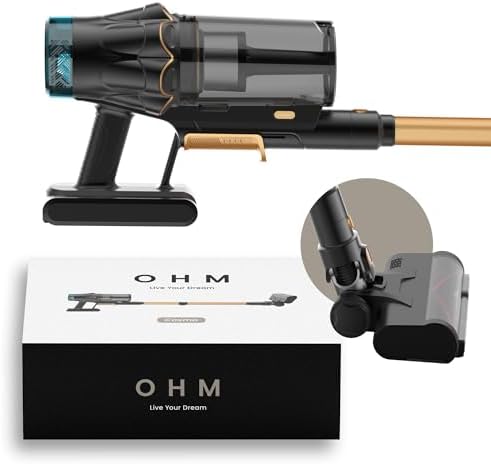
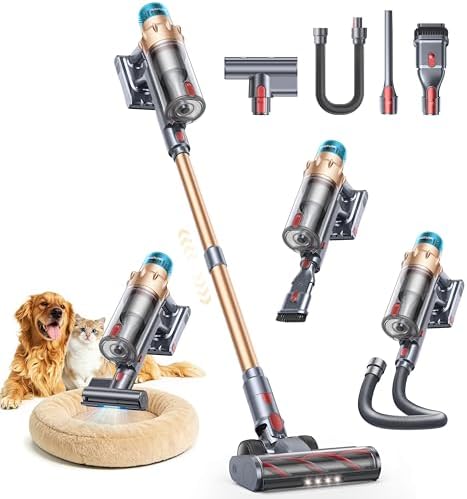

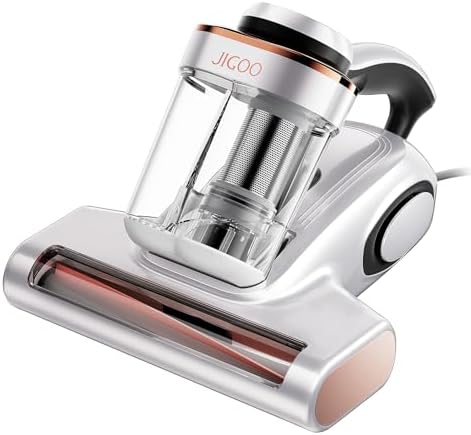
Among current trends, the surge in smart home technology is particularly notable. Home robotics are increasingly being integrated into smart home ecosystems, interacting seamlessly with other devices. This interconnectivity allows for scheduled cleanings, remote controls, and automated responses to changing household conditions. As homeowners seek convenience and efficiency, the appeal of home robotics continues to grow.
Moreover, the increasing accessibility of robotic solutions, fueled by advancements in manufacturing technologies and competitive pricing, has contributed to their popularity. Homeowners are now more inclined to consider these robotic assistants not just as a luxury, but as practical solutions for time management and effective home care. As we delve deeper into the future of home robotics, it becomes clear that these innovations are set to redefine household dynamics.
The Evolution of Robotic Vacuums
The journey of robotic vacuums began in the late 20th century, spurred by advancements in motor technology, sensor design, and artificial intelligence. The first notable prototype appeared in 1996 when the company Electrolux unveiled a robotic vacuum named "Trilobite." This early iteration featured basic navigation capabilities; however, it was not commercially successful largely due to high costs and limited functionality.
In the early 2000s, the landscape shifted significantly with the launch of the iRobot Roomba in 2002. This device marked a pivotal moment in the evolution of robotic vacuum cleaners, offering affordable pricing and a more user-friendly design. The Roomba was equipped with cliff detection sensors, enabling it to navigate around furniture and avoid falling off ledges. Such innovations paved the way for widespread consumer acceptance, highlighting the potential of home robotics.
As technology progressed, so too did the capabilities of robotic vacuums. The introduction of smart navigation systems, powered by LIDAR and camera technology, has enhanced the efficiency of these devices. Modern models can create detailed maps of a home, allowing them to plan cleaning paths intelligently, thus reducing cleaning times and improving performance. Additionally, improvements in battery technology have extended the runtime of robotic vacuums, allowing for longer cleaning sessions without requiring a recharge.
The design of these devices has also evolved, transitioning from bulky machines to sleek, low-profile units that can easily maneuver under furniture. User experience has been further enhanced by the integration of smartphone applications, enabling users to schedule cleanings remotely and adjust settings. The introduction of voice control features, compatible with smart home systems, underscores the seamless integration of robotic vacuums into modern lifestyles.
Overall, the evolution of robotic vacuums reflects not only technological advancements but also the shifting needs and preferences of consumers, as they increasingly seek convenience and efficiency in home cleaning solutions.
Introducing Robotic 'Arms'
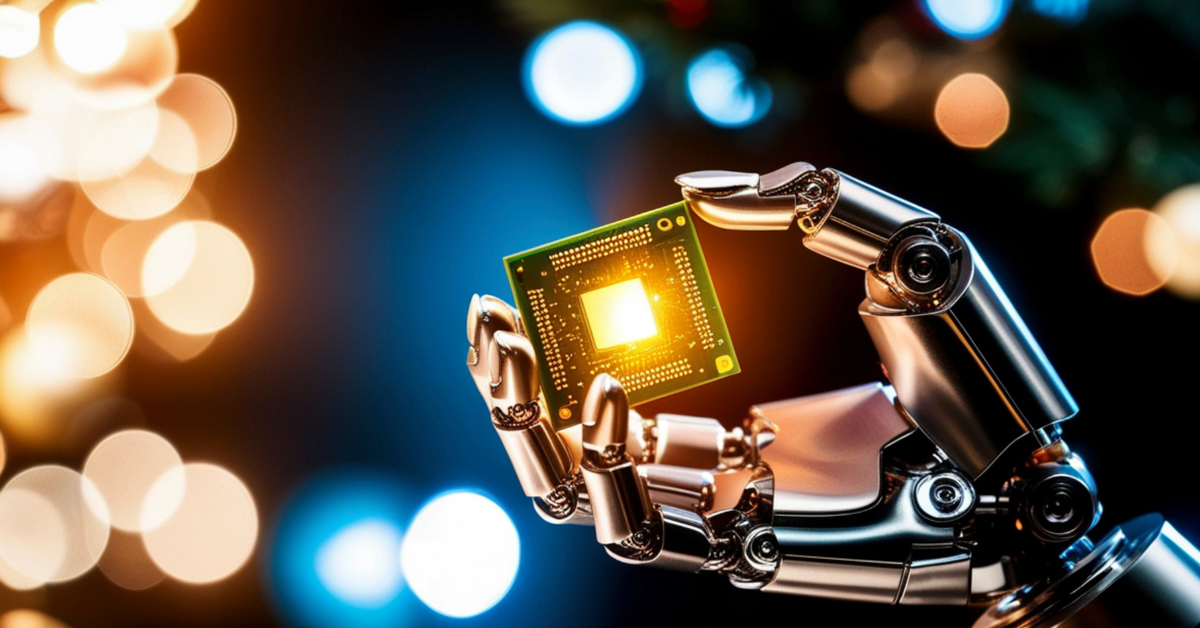
In recent years, there has been a significant advancement in the robotics sector, specifically related to home cleaning appliances. One of the most notable innovations is the integration of robotic arms into vacuum devices. Robotic arms are mechanical appendages designed to perform tasks autonomously or semi-autonomously and can replicate the functions of a human limb. With their introduction, traditional vacuums are evolving into versatile cleaning solutions that extend beyond mere floor cleaning.
The primary functionality of these robotic arms involves a range of tasks, including picking up objects, adjusting settings on the vacuum, and even managing additional cleaning tools. By incorporating arms, vacuums can not only navigate through various surfaces but also engage in complex interactions with household environments. This enhances the overall efficiency of cleaning operations, as the robotic arm can handle items that typically obstruct regular vacuuming processes.
Moreover, the addition of robotic arms significantly improves the adaptability of cleaning devices. They can reach under furniture, grab small debris, or retrieve items that may be in the way during a cleaning session. Beyond mere suction, the application of robotic arms allows for intricate tasks that were once considered challenging for conventional vacuums. Additionally, these arms help in providing a more structured approach to cleaning by organizing tasks that need to be completed in an orderly manner. As manufacturers continue to innovate, the synergy between robotic arms and vacuums will likely lead to even more sophisticated home cleaning solutions, making chores less labor-intensive for homeowners.
Features and Capabilities of Enhanced Robotic Vacuums
The latest advancements in robotic vacuums, particularly those equipped with enhanced arms, have transformed simple cleaning devices into versatile household assistants. These advanced models are designed to perform a variety of tasks that go well beyond the original function of vacuuming.
One notable feature is the multi-tasking capability that allows these robotic vacuums to carry out simultaneous chores. In addition to vacuuming floors, they can, for instance, lift and move small objects, making them invaluable for tasks such as dusting or organizing. This capability not only minimizes the time spent on chores but also optimizes the overall efficiency of home cleaning.
Obstacle avoidance technology is another significant advancement in robotic vacuums. Smart sensors and sophisticated algorithms enable these devices to navigate complex environments without the need for human intervention. They can detect furniture, stairs, and other obstacles, avoiding collisions and ensuring a thorough clean without getting stuck. This feature is vital in maintaining the integrity of both the robotic vacuum and the home environment.
Furthermore, the adaptability of enhanced robotic vacuums to various surfaces enhances their functionality. Whether transitioning from hard floors to carpets, the robotic arms can adjust cleaning modes and intensities accordingly. This ensures that every surface is treated appropriately, maximizing cleaning effectiveness.
Integration with smart home systems is perhaps one of the most transformative capabilities of advanced robotic vacuums. This integration allows users to control their vacuums remotely via smartphone applications, set cleaning schedules, and even monitor the status of cleaning tasks in real-time. As the trend towards smart homes continues to grow, the role of robotic vacuums as integral household members is becoming increasingly prominent, showcasing the potential for future improvements in home cleaning technology.
The Impact on Household Chores
The recent development of robotic vacuums equipped with robotic arms is significantly reshaping the traditional approach to household chores. These innovative machines are no longer limited to just vacuuming; they can now handle a range of tasks that contribute to overall household maintenance. The integration of agile arms into these devices allows them to assist in cleaning various surfaces, arranging furniture, or even picking up scattered items, thereby enhancing their functionality.
One of the primary advantages of robotic vacuums with arms is the efficiency they introduce to cleaning routines. Homeowners can multitask or engage in leisure activities while these devices autonomously manage dirt and clutter. As a result, what once required hours of manual labor can now be accomplished in a fraction of the time, freeing individuals to allocate their time to more productive or enjoyable pursuits.
Additionally, this technological advancement promotes a shift in the perception of household chores. Previously viewed as a mundane obligation, cleaning is transformed into a less daunting and even enjoyable experience, knowing that a robotic assistant is performing the work. This change brings about a psychological reassurance, particularly for busy families or working professionals, as they are relieved from the burden of constant tidying. The notion that a robotic device can take over these tasks alleviates stress and fosters a more organized living environment.
Moreover, as technology continues to evolve, the capabilities of these robots will likely expand further, leading to even greater time savings and efficiency for homeowners. The potential to streamline household management through robotics not only enhances everyday living but also signals a move towards more intelligent and adaptive home environments. Ultimately, robotic vacuums with arms are not just tools but companions in household maintenance, marking a transformative era in domestic life.
Challenges and Limitations
The integration of robotic arms into vacuum technology has propelled the evolution of household cleaning appliances, enabling them to function with increased versatility. However, this advancement is not without its challenges and limitations. One of the most significant hurdles is the current technological constraints that define the capabilities of these robotic vacuums. Despite their advanced programming and sensory equipment, these machines often struggle with complex tasks, such as navigating cluttered environments or recognizing objects that require careful handling.
Moreover, the reliability of robotic vacuums equipped with arms can be compromised by technical problems. Many consumers report issues related to the malfunctions of the arms, which can lead to improper performance or even scratching furniture surfaces. Such technical limitations not only hinder functionality but also raise questions about the long-term durability of the mechanics involved in these devices.
The expense associated with advanced robotic vacuums further limits their accessibility to many households. Models featuring sophisticated arms often come with a premium price tag, making them less attractive to budget-conscious consumers. This financial barrier can deter potential buyers, especially when they compare the costs to traditional vacuum cleaners that do not possess such innovative features.
Lastly, user acceptance and trust present a significant challenge in the widespread adoption of robotic vacuums with arms. Many potential users express skepticism regarding the efficiency and safety of these devices, fearing that they may not perform as promised or could cause accidents in the home. Building consumer trust through transparent product demonstrations and positive user experiences remains an ongoing task for manufacturers in the push toward a future dominated by home robotics.
The Future of Home Robotics Technology
The landscape of home robotics is evolving rapidly, driven by advancements in artificial intelligence (AI), machine learning, and robotics. As we look towards the future, we can anticipate significant improvements not only in the functionality of home cleaning devices but also in their adaptability and integration within our households. With the increasing prevalence of smart technology, the capabilities of robotic vacuum cleaners are expected to expand beyond simple floor cleaning to multifunctional household assistants.
One of the most exciting trends in home robotics is the development of AI algorithms that allow these devices to learn and adapt to their environments. This means that future robotic vacuums might be equipped with sophisticated sensors that help them understand the layout of a home, learning over time where obstacles continually appear and developing optimized cleaning paths. Such advancements would not only improve efficiency but also enhance user experience by reducing the need for manual intervention.
Moreover, we will witness integration capabilities that make robotic vacuums interoperable with other smart home devices. Future home automation systems could synchronize with robotic cleaners to coordinate cleaning schedules based on the family’s routine. The potential for connectivity through the Internet of Things (IoT) will enable these devices to function seamlessly with smart appliances, leading to a more integrated approach to household management. As machine learning technologies continue to advance, we can also expect that these robotics will not only become smarter but more intuitive, responding to user preferences and habits. Ultimately, the future of home robotics promises to revolutionize the way we think about cleaning and managing our homes, making robotic vacuums much more than mere cleaning tools, but rather indispensable household companions.
Consumer Perspectives and Market Trends
The advent of robotic vacuums equipped with arms has revolutionized the home cleaning landscape, gaining traction among tech-savvy consumers. Adoption rates for these innovative devices have surged, reflecting a growing preference for convenience and efficiency in household chores. As families seek to optimize their daily routines, robotic vacuums with multitasking capabilities are becoming a staple in many homes. Market trends indicate a shift towards these intelligent solutions, with consumers increasingly willing to invest in technology that offers a dual function of cleaning and tidying up various surfaces.
User reviews provide insightful perspectives on the performance and reliability of these robotic vacuums. Many customers praise their ability to navigate complex environments, which includes managing pet hair, dust, and debris across different floor types. However, potential buyers often consider the reliability of the arm mechanisms, as well as the device’s ability to target specific cleaning tasks, before making a purchase decision. The integration of artificial intelligence has further enhanced user experience, allowing for personalized cleaning schedules and real-time adjustments based on household needs.
Conclusion: A New Era of Domestic Assistance
The rapid evolution of home robotics marks a significant milestone in domestic assistance, particularly with the advent of robotic vacuums equipped with articulated arms. This innovation transcends the traditional role of a vacuum, broadening its capabilities to perform various tasks typically reserved for human intervention. The integration of arms with robotic vacuums represents a paradigm shift in how we perceive household chores, fundamentally altering the landscape of home maintenance.
As these robotic devices become increasingly sophisticated, their potential to alleviate the burden of daily housekeeping is undeniable. With the ability to perform actions such as picking up clutter, wiping surfaces, and navigating tight corners, robotic vacuums with arms redefine efficiency. Their autonomous nature not only allows for greater flexibility in managing household tasks but also frees up time for individuals to engage in other pursuits, thereby enhancing overall quality of life.
Moreover, the implications of these advancements extend beyond mere convenience; they open up discussions regarding the future of work, the evolving role of technology in our lives, and the impact of automation on household dynamics. As we look ahead, the prospects of increasingly intelligent home robotics suggest that household duties will continue to be reimagined. The synergy of artificial intelligence and robotics could lead to even more versatile and capable devices, revolutionizing domestic living as we know it.
In conclusion, the advancements in home robotics, particularly through innovations like robotic vacuums with arms, herald a new era of domestic assistance that not only simplifies cleaning tasks but also enhances our overall living experience. Embracing this technology could significantly reshape how we maintain our homes, paving the way for future innovations that further enrich our daily lives.


0 Comments