Introduction to Survival Gear
In the realm of outdoor ventures and unforeseen emergencies, the right survival gear can make a pivotal difference between mere endurance and successful navigation through challenging conditions. Survival gear encompasses a wide array of tools and equipment designed to assist individuals in sustaining life, ensuring safety, and enhancing overall comfort while in the great outdoors. From first aid kits to multi-tools and fire starters, each item has its unique significance and can greatly influence the outcome of an unexpected situation.
Venturing into the wilderness often requires careful preparation and a comprehensive understanding of the terrain and potential risks. As adventure seekers, hikers, campers, or survival enthusiasts, individuals must be equipped with reliable equipment to address various survival challenges. In particular, a high-strength tarp emerges as an essential component of any survival kit. Its versatility and durability enable users to create shelters, gather resources, and protect themselves from harsh weather conditions. A tarp is lightweight and multifunctional, making it an ideal solution to enhance the preparedness of outdoor enthusiasts.

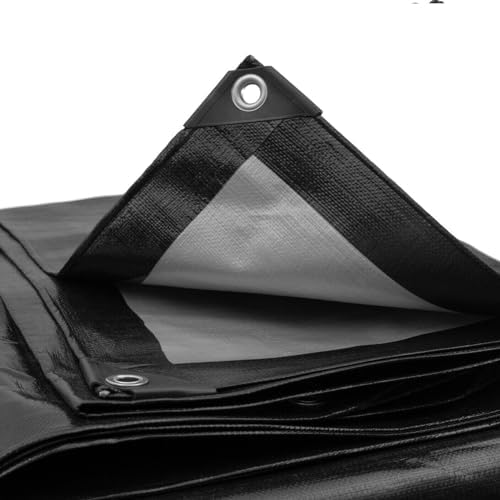

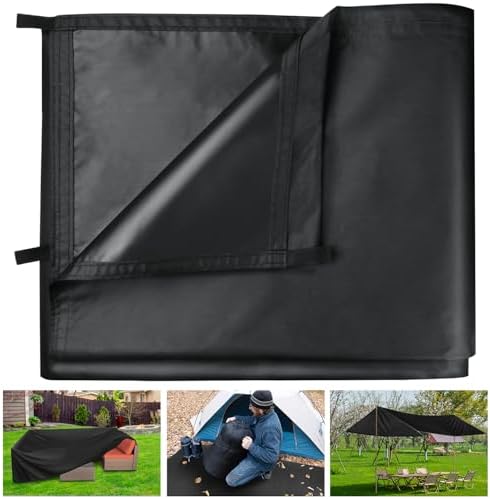
Whether navigating through inclement weather, providing an emergency shelter, or creating a makeshift water collection system, the significance of a high-strength tarp extends beyond its basic utility. The reliance on such a durable item not only underscores the importance of having the right survival gear but also reflects a mindset of preparedness and resourcefulness. Thus, understanding the broader category of survival gear is vital in recognizing how tools like high-strength tarps contribute to successful outdoor experiences and emergencies alike.
Defining High-Strength Tarps
A high-strength tarp is a versatile and durable piece of gear that plays a vital role in survival situations. Unlike standard tarps, which may suffice for temporary covers or lightweight tasks, high-strength tarps are constructed from materials specifically engineered for resilience and endurance. The primary materials used in high-strength tarps often include reinforced polyethylene, heavy-duty nylon, or canvas, each offering unique benefits regarding strength and usability.
The construction of high-strength tarps integrates multiple features that set them apart from regular tarps. For instance, many high-strength tarps have reinforced edges and corners, which prevent wear and tear during exposure to harsh weather elements or severe tension loads. Additionally, these tarps frequently feature grommets or D-rings strategically placed along their perimeters, facilitating secure anchoring and stabilization. Such design considerations allow these tarps to maintain integrity and functionality in demanding outdoor environments.
Furthermore, high-strength tarps typically boast waterproof or UV-resistant coatings, enhancing their suitability for prolonged use in extreme conditions. The capability to effectively shield users from rain, sun exposure, or even snow makes these tarps indispensable for activities such as camping, hiking, or emergency preparedness. Moreover, the weight-to-strength ratio of high-strength tarps is optimized, enabling them to be lightweight enough for easy packing yet strong enough to withstand considerable force without fraying or tearing. As a result, educating oneself about the qualities that distinguish high-strength tarps is crucial. This knowledge not only aids in choosing the right tarp for specific needs but also ensures that one is fully prepared for unforeseen circumstances while enjoying the great outdoors.
Versatile Functions of a Survival Tarp
A high-strength tarp is an indispensable tool in any survival kit, offering a multitude of functions that enhance one's chances of survival in the wilderness. One of the primary uses of a survival tarp is as a shelter. In unpredictable weather conditions, individuals can quickly and effectively create a makeshift tent or windbreak to protect themselves from harsh elements. By using natural features such as trees or rocks, one can easily drape the tarp to form a secure refuge while minimizing exposure to rain, wind, or sun.
In addition to functioning as a shelter, a survival tarp serves as an excellent ground cover. This helps to keep the user dry and insulated from cold, damp ground, which can lead to hypothermia in adverse conditions. When laid out properly, a tarp can also provide a clean surface for cooking, sitting, or sleeping, maintaining hygiene and comfort during survival situations.
Moreover, survival tarps can be utilized for water collection, a critical function in a survival scenario. By positioning the tarp at an angle, rainwater can be funneled into containers, ensuring a freshwater supply. This method not only conserves essential energy but also maximizes the tarp's utility in gathering valuable resources.
Finally, tarps can also play a role in signaling for help. The bright colors often found on survival tarps can attract the attention of search and rescue teams or fellow adventurers by creating a visual marker in the landscape. This versatility in function makes a high-strength tarp a vital addition to any outdoor activity, whether it be camping, hiking, or in an emergency situation. By integrating a tarp into your survival strategy, you can significantly increase your preparedness for unexpected challenges.
Strength and Durability: Why it Matters
In survival situations, the robustness of your equipment can significantly influence your chances of success. A high-strength tarp is an essential component of any survival kit due to its inherent strength and durability, which are critical in withstanding severe weather conditions. When faced with rain, wind, snow, or extreme temperatures, a resilient tarp can provide shelter and protection, making it a reliable ally.
Most lightweight tarps on the market are attractive due to their portability and lower cost; however, they often compromise on durability. In adverse weather conditions, these lighter alternatives may tear or become ineffective, leaving individuals exposed and vulnerable. A high-strength tarp, on the other hand, is typically constructed from materials such as reinforced polyethylene or ripstop nylon, designed to endure harsh environments. This added sturdiness ensures that the tarp remains intact and functional, even in challenging scenarios.
Moreover, the durability of these tarps contributes not only to personal safety but also to versatility in their usage. A high-quality tarp can serve multiple purposes, such as acting as a makeshift tent, ground cover, or emergency water collector. This versatility is directly linked to the material's ability to resist wear and damage over time. As a result, investing in a strong tarp means that it can be deployed in various survival situations without the worry of breakdown.
Ultimately, the significance of strength and durability in a tarp cannot be overstated. For those venturing into the wilderness or engaging in outdoor activities, ensuring that one’s gear can withstand the trials of the elements is paramount. A high-strength tarp serves as a critical safety net, providing peace of mind during challenging outdoor experiences.
Lightweight and Portable: A Backpacking Essential
When venturing into the great outdoors, having the right tools can drastically influence the success and safety of your adventure. High-strength tarps, renowned for their lightweight and portable nature, are increasingly being recognized as an indispensable item in any survivalist's pack. Weighing significantly less than traditional camping gear, these tarps allow for efficient packing without sacrificing essential functionality.
One of the primary benefits of high-strength tarps lies in their ease of transport. When folded or rolled, they occupy minimal space within a backpack, creating room for other survival essentials such as food, water, and first aid kits. This efficient packing capability is vital for backpackers, who often must balance weight and volume constraints. By integrating a high-strength tarp into their pack, outdoor enthusiasts can enhance their ability to carry all necessary equipment without being burdened by excess weight.
Furthermore, the lightweight nature of these tarps contributes to overall mobility during outdoor activities. Whether traversing rocky terrain or navigating dense forests, having a lightweight tarp means you can traverse more ground with ease. It offers flexibility, as it can be quickly deployed for various purposes, including shelter from rain, a windbreak, or an emergency signal. The rapid setup and teardown capabilities also make it easier to adapt to changing weather conditions, enhancing safety.
Additionally, the portability of high-strength tarps makes them suitable not just for experienced survivalists, but also for casual campers and hikers who value convenience and adaptability. In scenarios where every ounce counts, a high-strength tarp enables adventurers to remain agile, allowing them to exploit opportunities for exploration without being weighed down by cumbersome gear. Ultimately, incorporating such versatile tools into one’s pack can significantly elevate the overall experience in nature.
Emergency Preparedness and the Tarp's Role
In the context of emergency preparedness, the inclusion of a high-strength tarp in your survival kit can prove to be invaluable. Tarps are versatile, lightweight, and robust materials that serve multiple essential functions. Their use stretches across various scenarios, ranging from natural disasters to wilderness excursions, solidifying their status as a fundamental survival tool.
A tarp can effectively provide emergency shelter, which is one of the primary considerations in survival situations. In the event of an unexpected weather occurrence, such as rain or snow, a tarp can be quickly deployed to create a protective covering that shields individuals from harsh elements. This is particularly critical in life-threatening conditions where exposure to the environment can lead to hypothermia or other serious issues.
Additionally, tarps can be utilized for signaling purposes, especially in scenarios where rescue is necessary. By using reflective tarps or arranging them in bright colors, individuals can increase visibility, enhancing the likelihood of being located by search and rescue teams. This quality illustrates the tarp’s adaptability; it can shift from a protective cover to a signaling device based on the needs of the situation.
Furthermore, the tarp's functionality extends to providing a surface for gathering resources such as rainwater for drinking, collecting food, or laying out supplies. In survival situations, these capabilities are not just convenient but can be vital for sustaining life. With their ability to fulfill multiple roles, tarps are often viewed as a must-have component of a comprehensive emergency preparedness plan.
Ultimately, investing in a high-strength tarp is a prudent decision for those wishing to be well-prepared for unforeseen challenges. The diverse applications of this essential tool in emergency preparedness cannot be overstated, reinforcing its importance in any survival kit.
Real-Life Scenarios: Tarps in Action
High-strength tarps serve as versatile tools in various survival situations, often proving invaluable to those facing unexpected challenges in the wilderness. Numerous testimonials demonstrate how these durable materials can significantly impact the outcome of survival experiences. For instance, a hiker caught in an unforeseen rainstorm utilized a high-strength tarp to create a makeshift shelter. This quick-thinking not only protected them from the elements but also helped conserve vital body heat, proving crucial in avoiding hypothermia.
Another scenario highlights the effectiveness of a tarp in emergency signaling. During a backcountry camping trip, a group of friends became disoriented and lost their way when thick fog set in. One member of the group remembered carrying a bright-colored tarp, which they deployed on a nearby clearing. The tarp’s vivid color detected by a passing rescue helicopter played a key role in their eventual timely retrieval, emphasizing how a tarp can serve both practical and signaling uses in dire situations.
Furthermore, the convenience of tarps extends to consolidating resources. In a survival training exercise, participants learned how to use high-strength tarps for collaborative shelters, which taught them not only the physical aspects of survival but also the value of teamwork. The ability to efficiently share resources enabled them to foster a supportive environment, reinforcing the idea that survival situations often demand both individual skills and cooperation.
These real-life examples and testimonials illustrate the critical role high-strength tarps can play in survival situations. Their versatility, strength, and lightweight nature make them essential components of any survival pack. Thus, incorporating a high-strength tarp into one’s gear can bolster readiness for the unpredictable nature of outdoor adventures.
Choosing the Right Tarp for Your Needs
When it comes to survival gear, selecting the right high-strength tarp is paramount. A tarp serves multiple purposes, from providing shelter to acting as a ground cover or even a signaling device. Therefore, understanding the key factors to consider will ensure that you invest in a product that meets your specific requirements.
First and foremost, size is a critical factor. The dimensions of the tarp should align with the type of activities you plan to engage in. For instance, if you are hiking solo, a smaller tarp may suffice, while a larger group may require a more substantial covering. Standard sizes typically range from 6x8 feet to 10x12 feet, so assessing the number of users and intended use will guide your choice effectively.
Material composition also plays a vital role in performance and durability. High-strength tarps are commonly constructed from materials like polyethylene and nylon. Polyethylene is known for its waterproof properties, making it ideal for wet environments, while nylon offers greater tensile strength. Consider the climatic conditions you are likely to face and select the material that will withstand those elements.
Weight is another essential aspect to consider, especially for those who plan to carry the tarp over long distances. A balance between durability and weight is crucial; thus, opting for a lightweight tarp can enhance mobility without sacrificing quality. Additionally, specific features such as grommets for securing the tarp or reinforced edges can add to its functionality.
Ultimately, taking these factors into account when choosing a high-strength tarp will help you make an informed purchasing decision, ensuring that this essential survival tool effectively meets your needs in various environments.
Conclusion: The Importance of Being Prepared
In the realm of outdoor adventures and emergency situations, preparedness stands as one of the most essential pillars for success and safety. Lacking adequate equipment can result in dire consequences, making it imperative that adventurers not only plan their excursions meticulously but also equip themselves with the right tools for any unpredictability. Among these tools, a high-strength tarp emerges as a critical ally for individuals venturing into the wild.
Firstly, the versatility of a high-strength tarp cannot be overstated. Whether used for shelter, insulation, or water collection, this tool provides remarkable options for users, allowing them to adapt to various conditions. The ability to efficiently create a haven from rain, wind, or snow can be a game-changer in survival scenarios. Equipping oneself with such a resource significantly enhances safety, ensuring that outdoor enthusiasts remain sheltered and protected even in challenging weather conditions.
Moreover, the lightweight nature and compact design of high-strength tarps make them an easy addition to any pack, delivering critical functionalities without imposing substantial weight. This ease of transportation ensures that hikers, campers, and survivalists can always have this essential tool on hand without inconvenience. Investing in a high-strength tarp allows individuals to prioritize safety and comfort while navigating unpredictable environments.
Ultimately, the need for preparedness extends beyond simply carrying equipment; it encompasses a proactive mindset aimed at fostering resilience in the face of unforeseen circumstances. By incorporating a high-strength tarp into their gear, outdoor enthusiasts are not only enhancing their survival strategies but also reinforcing their overall experience. Thus, the importance of investing in this vital tool cannot be understated, enabling adventurers to confidently face the rigors of their journeys.

0 Comments